



















Thank You for Telling Me: Navigating Social Media Conversations with Patients
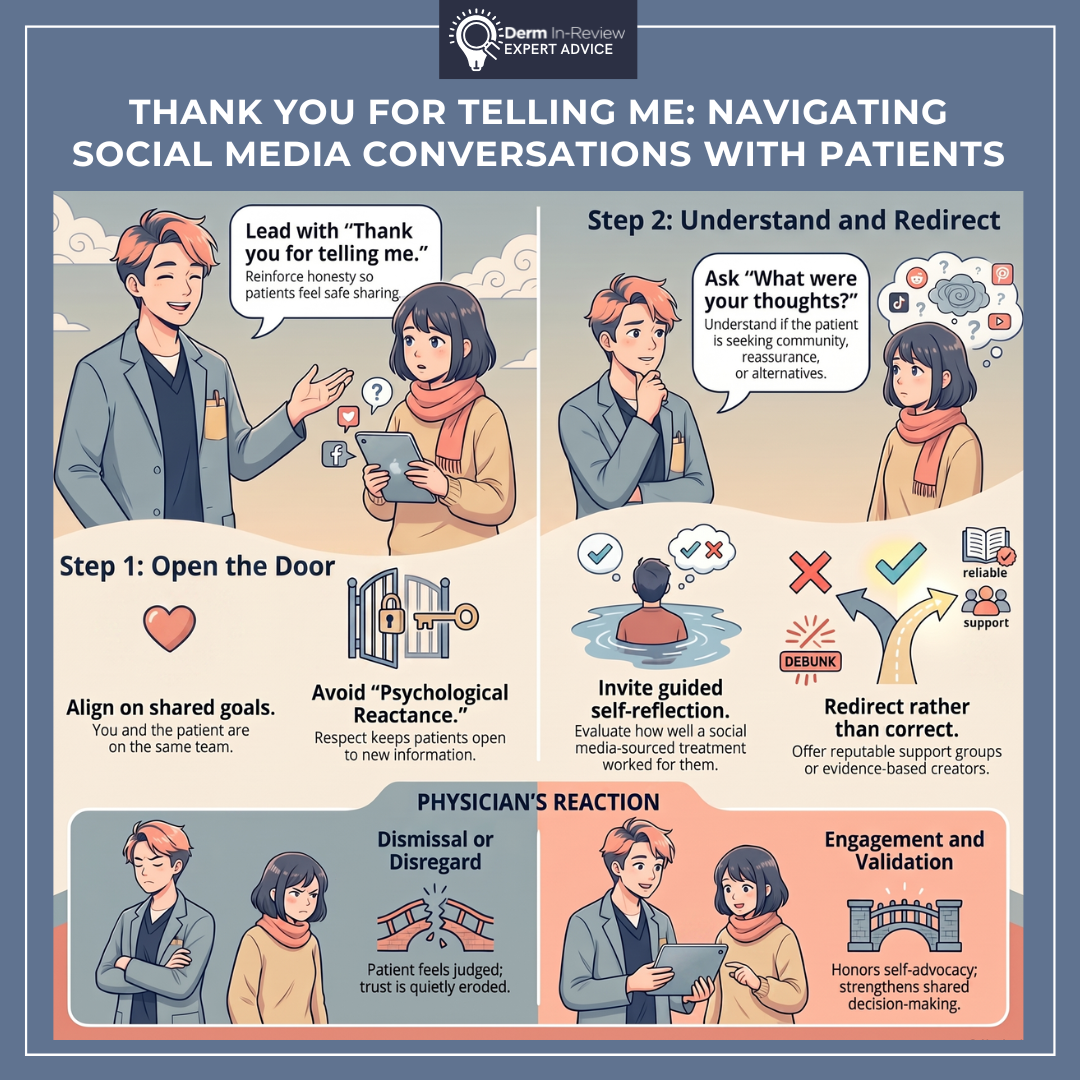 My colleagues often joke about how much my patients “love me.”
Over the years, I’ve come to think that what they are really seeing in my patients is a profound commitment to the therapeutic relationship: a willingness to trust the plan we have laid out and a deep engagement in their own care, even when visits are short and clinic is moving fast.
For physicians, that same commitment is …
My colleagues often joke about how much my patients “love me.”
Over the years, I’ve come to think that what they are really seeing in my patients is a profound commitment to the therapeutic relationship: a willingness to trust the plan we have laid out and a deep engagement in their own care, even when visits are short and clinic is moving fast.
For physicians, that same commitment is …
My colleagues often joke about how much my patients “love me.”
Over the years, I’ve come to think that what they are really seeing in my patients is a profound commitment to the therapeutic relationship: a willingness to trust the plan we have laid out and a deep engagement in their own care, even when visits are short and clinic is moving fast.
For physicians, that same commitment is … Continue reading "Thank You for Telling Me: Navigating Social Media Conversations with Patients"
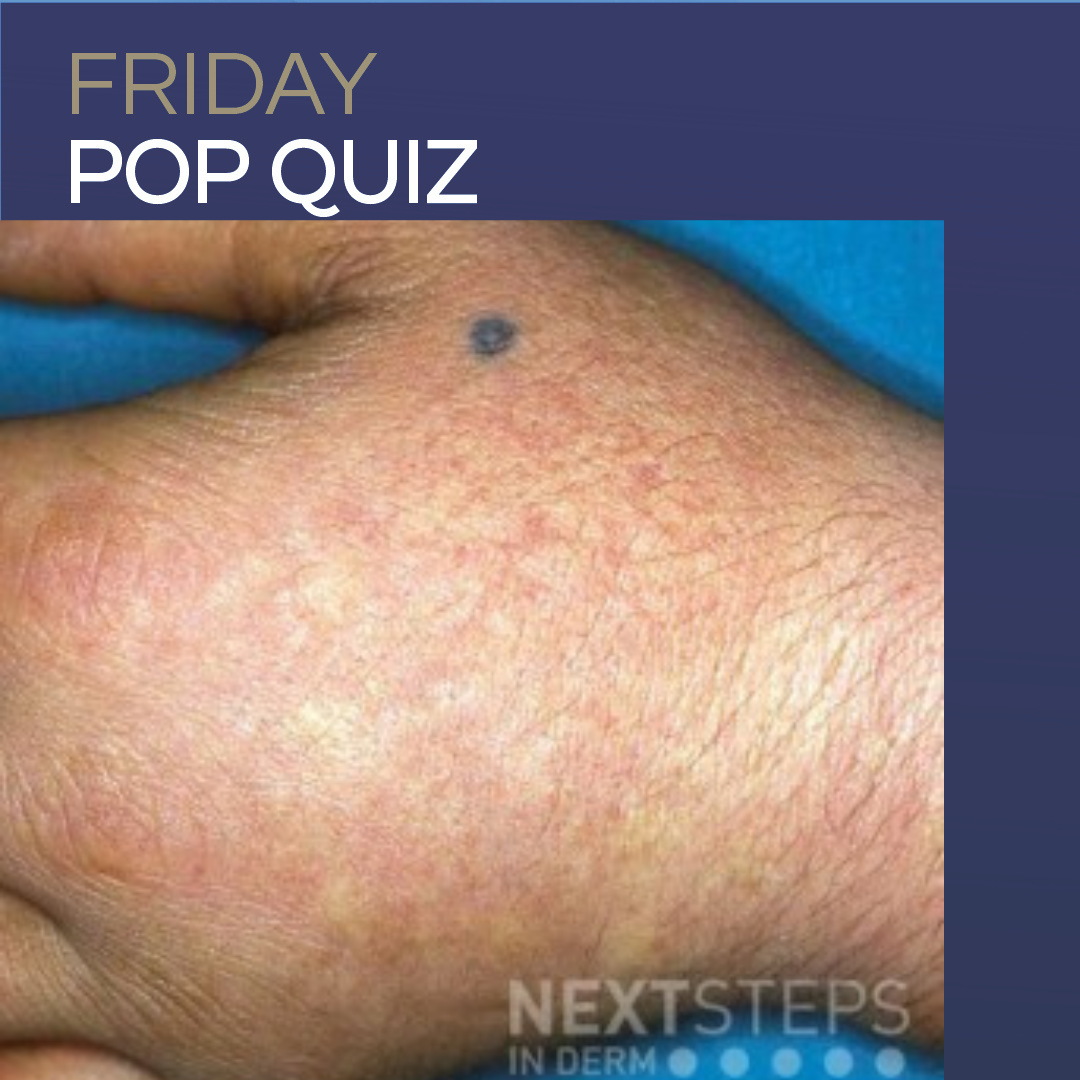 A 6-year-old male has painful edema and erythema of his posterior forearms, dorsal hands, and face several hours following sun exposure. He says a tingling and intense, painful burning sensation precede the rash when it occurs, starting immediately after sun exposure. These episodes recover in a few days. Episodes appear seasonal, with increased symptoms in the spring and summer months. Blood leve …
 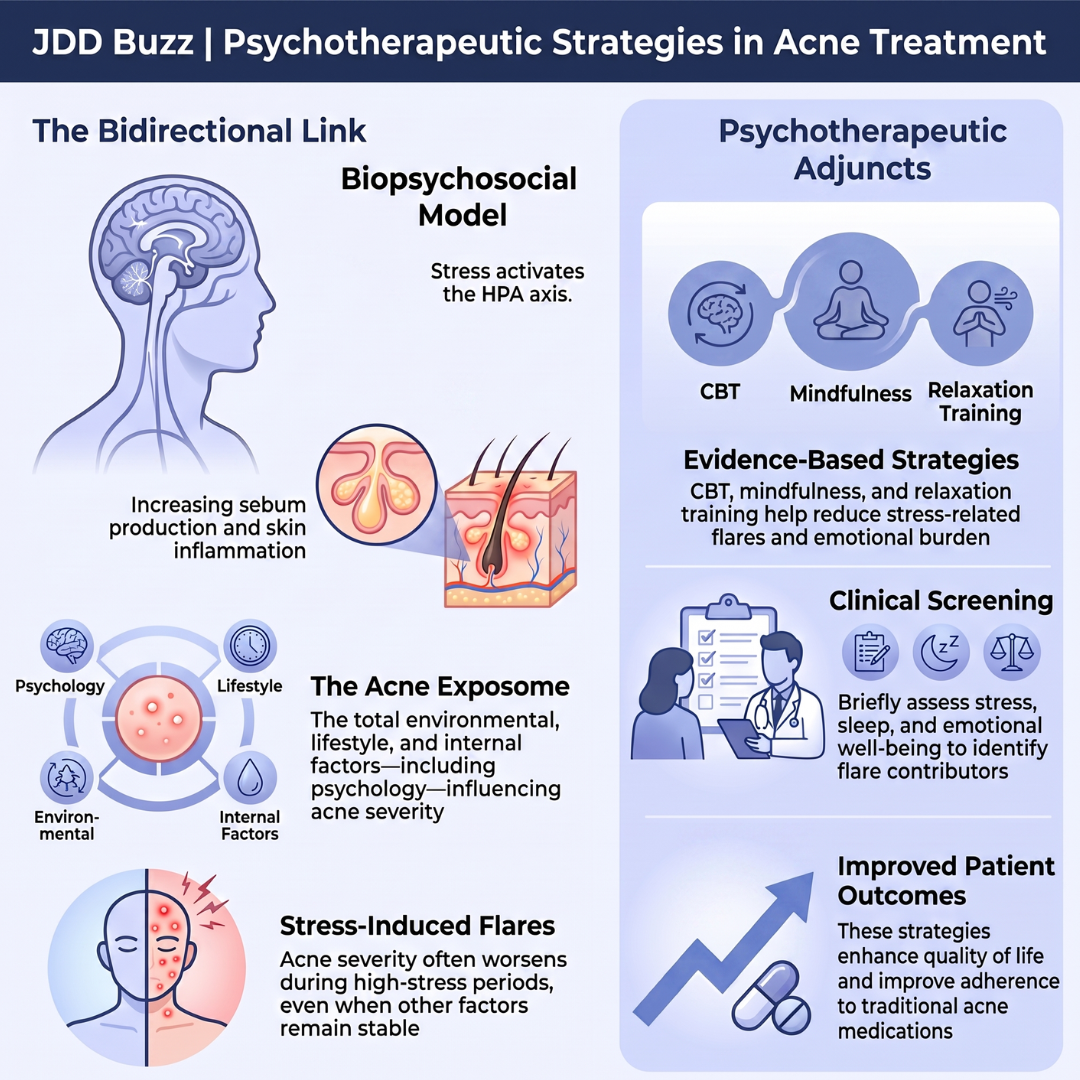 Topical and systemic medications are mainstays of acne treatment, targeting excess oil, clogged pores, bacteria, and inflammation. An original article published in the June Journal of Drugs in Dermatology calls for research on an adjunct acne treatment modality that addresses an unusual target: psychological stress. The authors contend psychological stress can influence acne, and psychotherapeutic …
 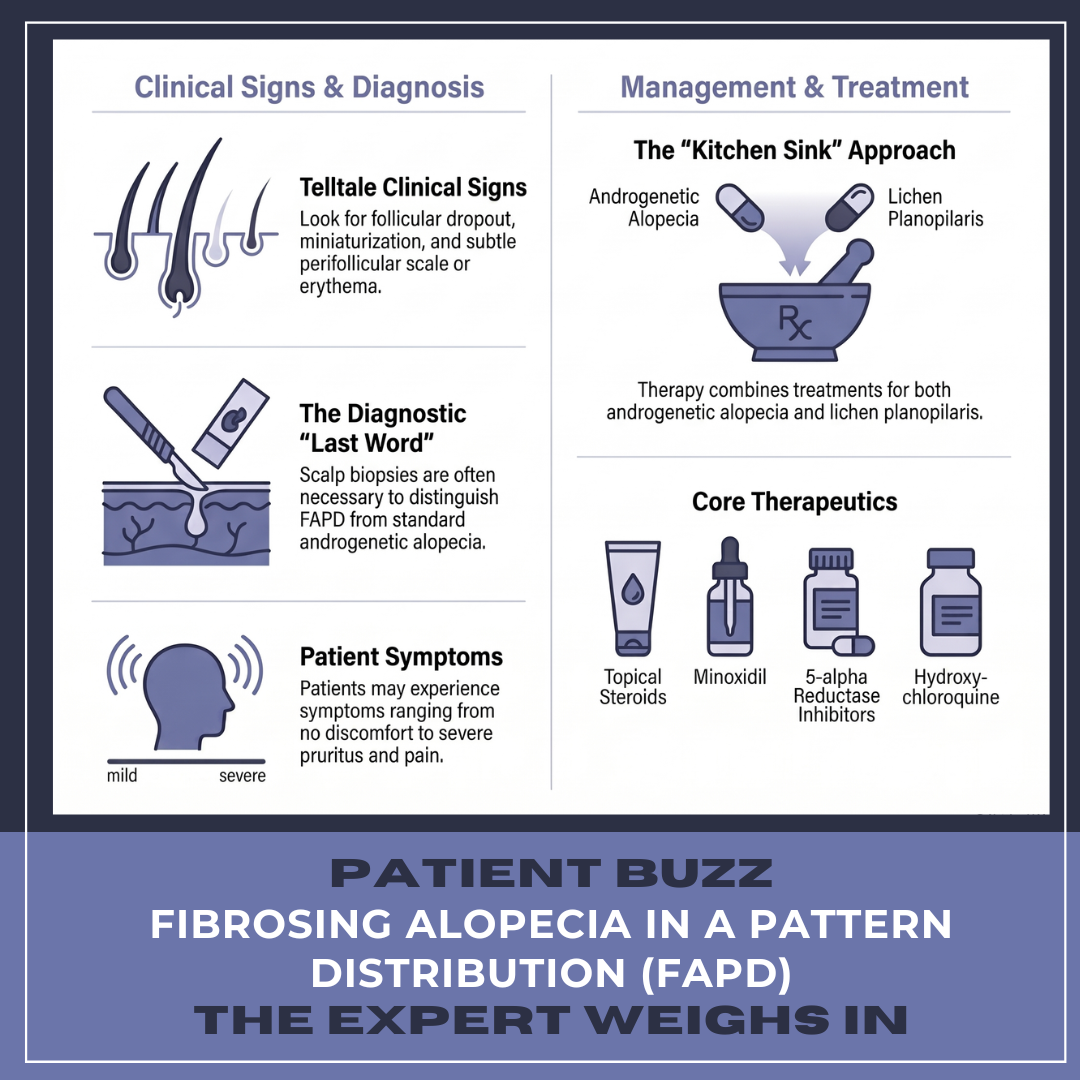 Slate recently published a first-person account of fibrosing alopecia in a pattern direction (FAPD) in the article, “I’m 25, and I Have a Cosmetic Problem That No One Wants – and That’s Maddening to Fix.” The article details the writer’s years-long experience with hair thinning, and how it took until an irregular blood test and scalp biopsy for an FAPD diagnosis. The writer’s treatme …
 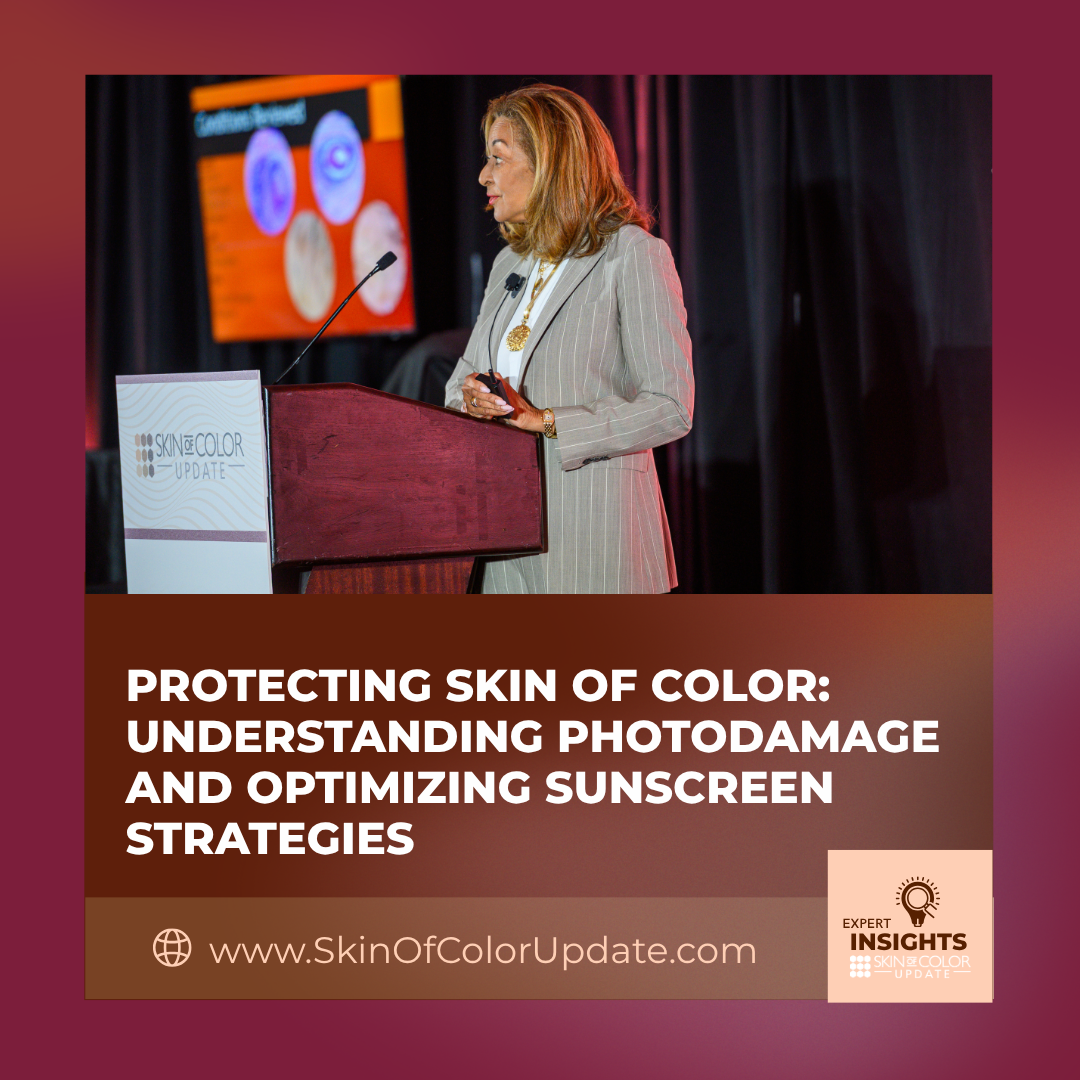 Recent advances in photodermatology have expanded our understanding of how multiple wavelengths across the electromagnetic spectrum contribute to skin damage, aging, pigmentary disorders, and skin cancer risk. While ultraviolet (UV) radiation has traditionally been the primary focus of sun protection, visible light (VL), high-energy visible (HEV) light, infrared (IR) radiation, and even heat have …