












Patient Buzz: Nail Signs of Systemic Disease | The Expert Weighs In
 Nail disorders have a variety of causes, from wet work to fungi to trauma. Two recent articles in the consumer press highlighted the common – and uncommon – causes of nail disorders, including systemic health issues. Verywell Health wrote about the nail signs of high blood sugar, while Women’s Health wrote about the dermatological and systemic causes of white spots on the nails.
For what …
Nail disorders have a variety of causes, from wet work to fungi to trauma. Two recent articles in the consumer press highlighted the common – and uncommon – causes of nail disorders, including systemic health issues. Verywell Health wrote about the nail signs of high blood sugar, while Women’s Health wrote about the dermatological and systemic causes of white spots on the nails.
For what …
Nail disorders have a variety of causes, from wet work to fungi to trauma. Two recent articles in the consumer press highlighted the common – and uncommon – causes of nail disorders, including systemic health issues. Verywell Health wrote about the nail signs of high blood sugar, while Women’s Health wrote about the dermatological and systemic causes of white spots on the nails.
For what … Continue reading "Patient Buzz: Nail Signs of Systemic Disease | The Expert Weighs In"
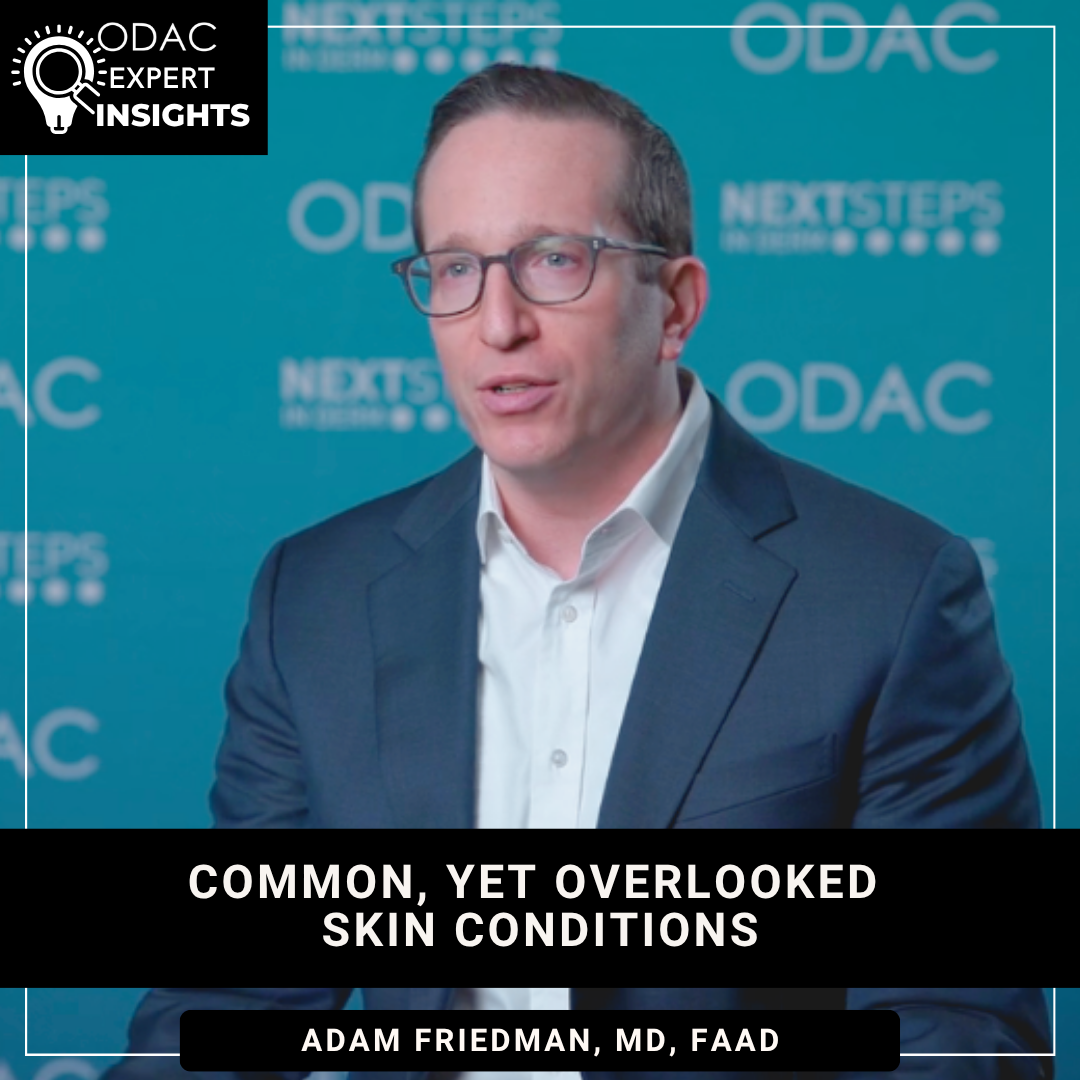 Dermatologists treat more than 3,000 conditions, but not all of them receive equal attention. In this Next Steps in Derm video interview, in partnership with the ODAC Dermatology Conference, ODAC Conference Co-Chair Adam Friedman, MD, FAAD, addresses common, yet overlooked skin conditions, most of which do not have FDA-approved therapies. Watch and learn tips for the creative management of lichen …
 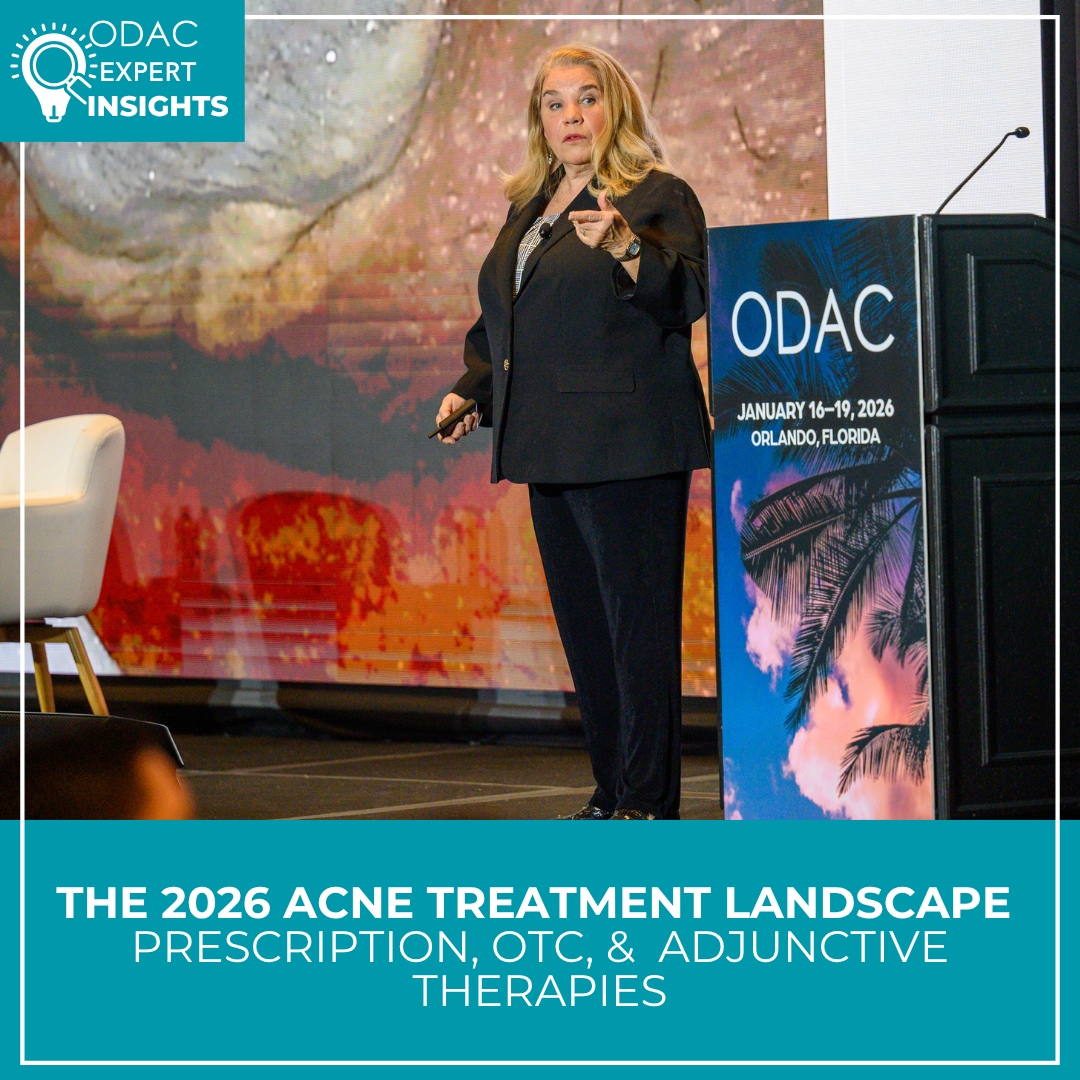 Managing acne effectively requires a nuanced approach that combines cutting-edge innovations with tried-and-true clinical strategies. In a recent presentation at the ODAC Dermatology Conference, Dr. Hilary Baldwin, MD, FAAD—Medical Director of The Acne Treatment and Research Center and Clinical Associate Professor at Rutgers Robert Wood Johnson Medical Center—shared her clinical expertise on m …
  Managing rosacea requires moving beyond quick, symptomatic fixes toward a comprehensive framework that addresses the entire scope of the disease. In a recent presentation, Adam Friedman, MD, FAAD—Professor and Chair of Dermatology at The George Washington University School of Medicine & Health Sciences—outlined an updated clinical approach to diagnosing and managing rosacea. From recognizi …
 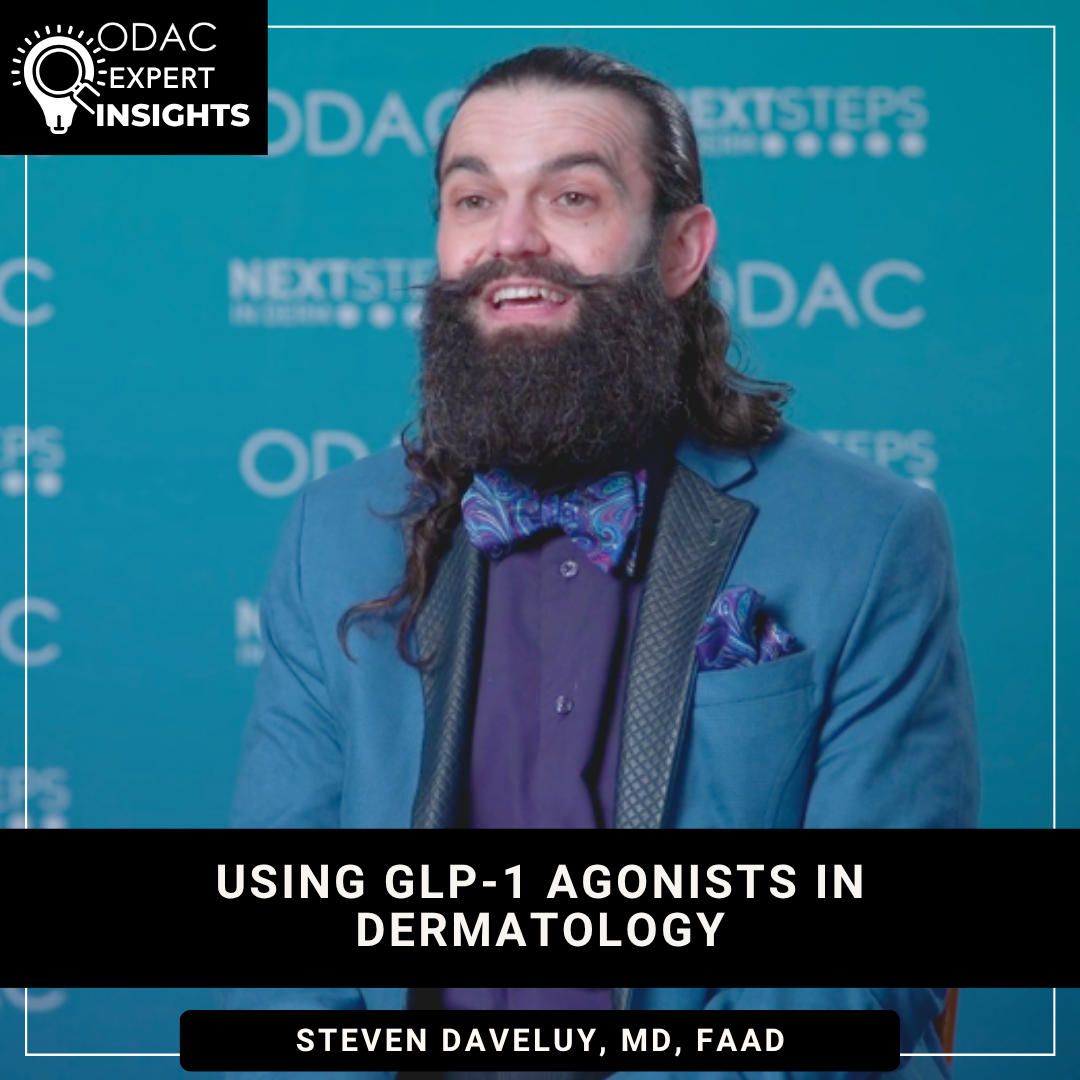 The weight loss benefits of GLP-1 agonists have long been established, yet could these drugs have a secondary anti-inflammatory impact? Steven Daveluy, MD, FAAD, director of the Wayne State Dermatology Residency Program, gives the latest in GLP-1s in the treatment of hidradenitis suppurativa (HS) and psoriasis, in this Next Steps in Derm video interview, conducted in partnership with the ODAC Derm …