












From the ODAC Poster Hall | Antibiotic Prophylaxis in Mohs Surgery
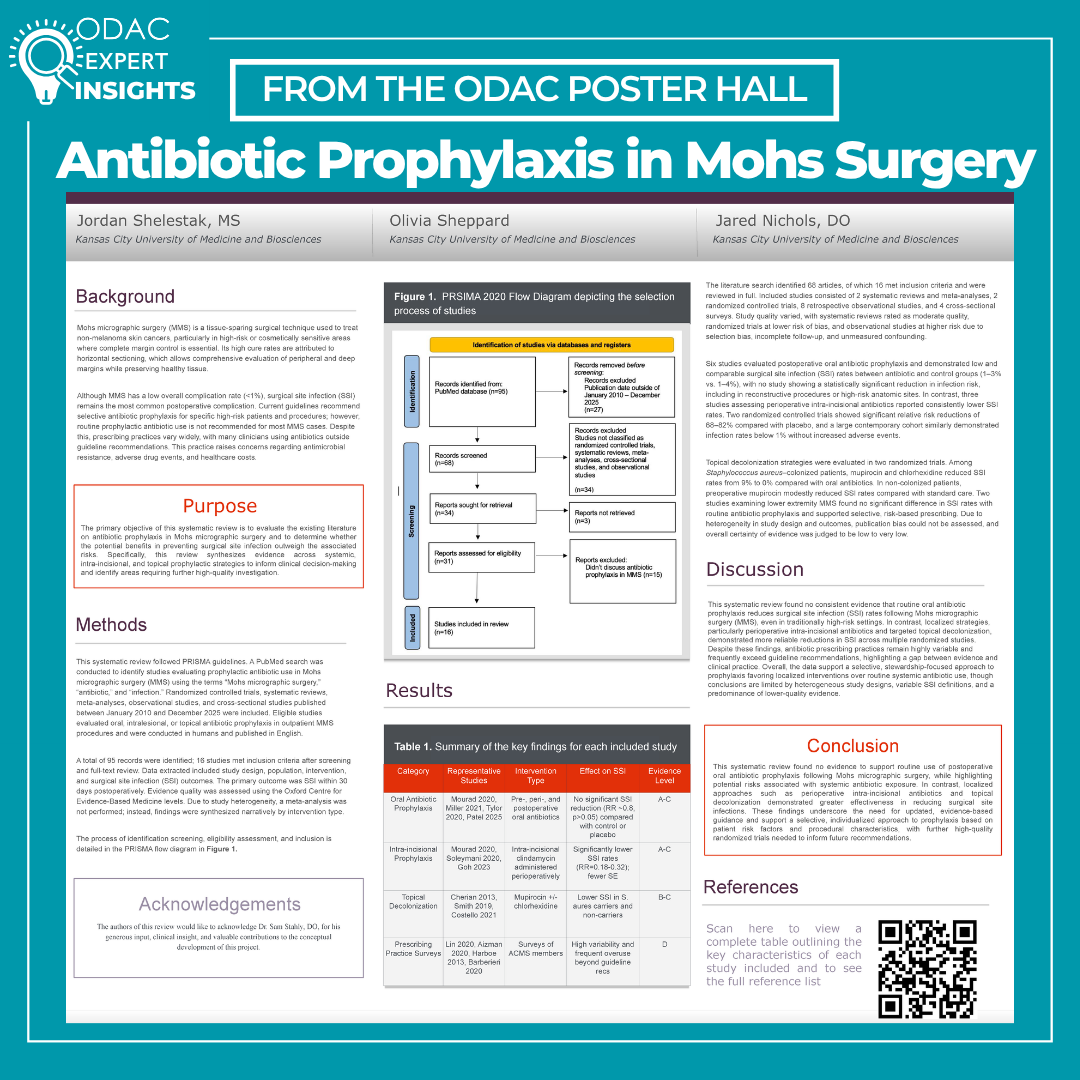 Antibiotics are commonly prescribed before, during, or after Mohs surgery as a means of preventing infection. Postoperative oral antibiotics are frequently used for prophylaxis, and some clinicians also administer perioperative intra-incisional antibiotics or use topical agents for surgical site decolonization. Yet infections as a result of Mohs surgery are rare – only 2% of Mohs surgeries resu …
 Continue reading "From the ODAC Poster Hall | Antibiotic Prophylaxis in Mohs Surgery"
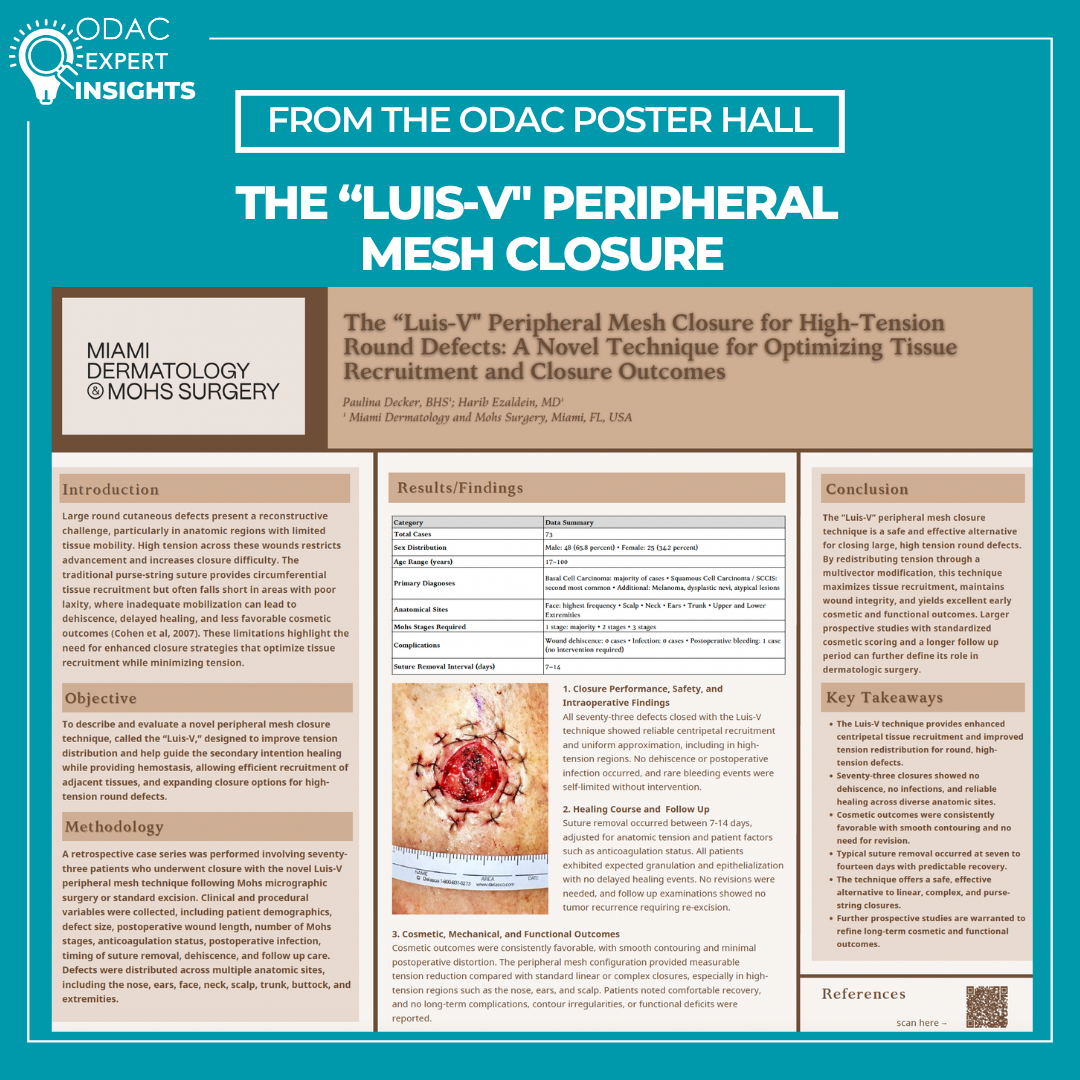 Healing by secondary intention is a common technique in dermatologic surgery, especially in patients with large, round wounds. Yet the technique has its drawbacks, including increased bleeding risk early on in the healing process as well as a risk of poor cosmetic outcomes. A novel technique – the “Luis V” peripheral mesh closure – serves an alternative, improving healing and resulting in …
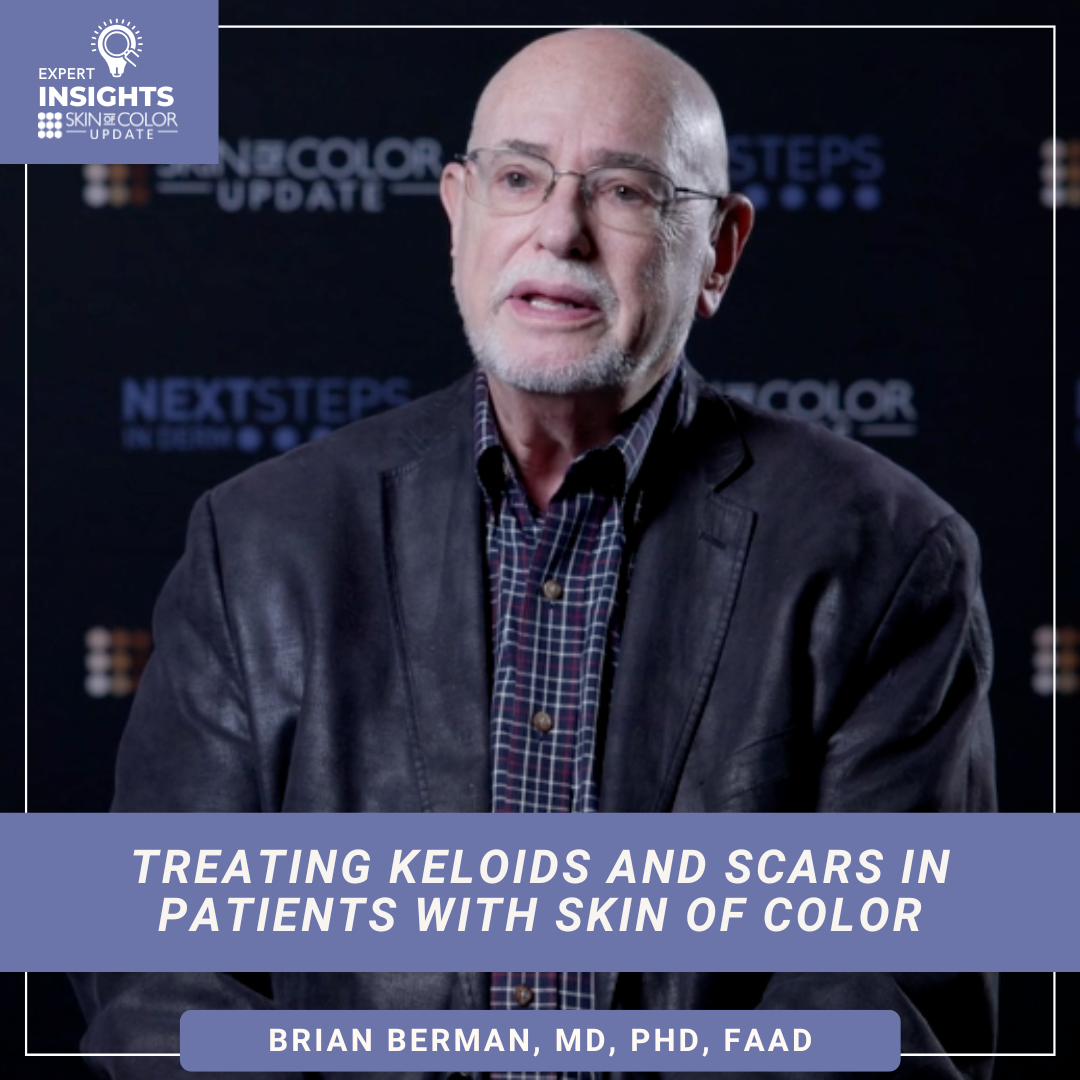 Treating keloids requires a forward-thinking approach, according to Dr. Brian Berman, professor emeritus of dermatology and dermatologic surgery at the University of Miami Miller School of Medicine. Next Steps in Derm, in partnership with Skin of Color Update, interviewed Dr. Berman about the challenges associated with treating keloids given the high risk of recurrence. Hear Dr. Berman’s approa …
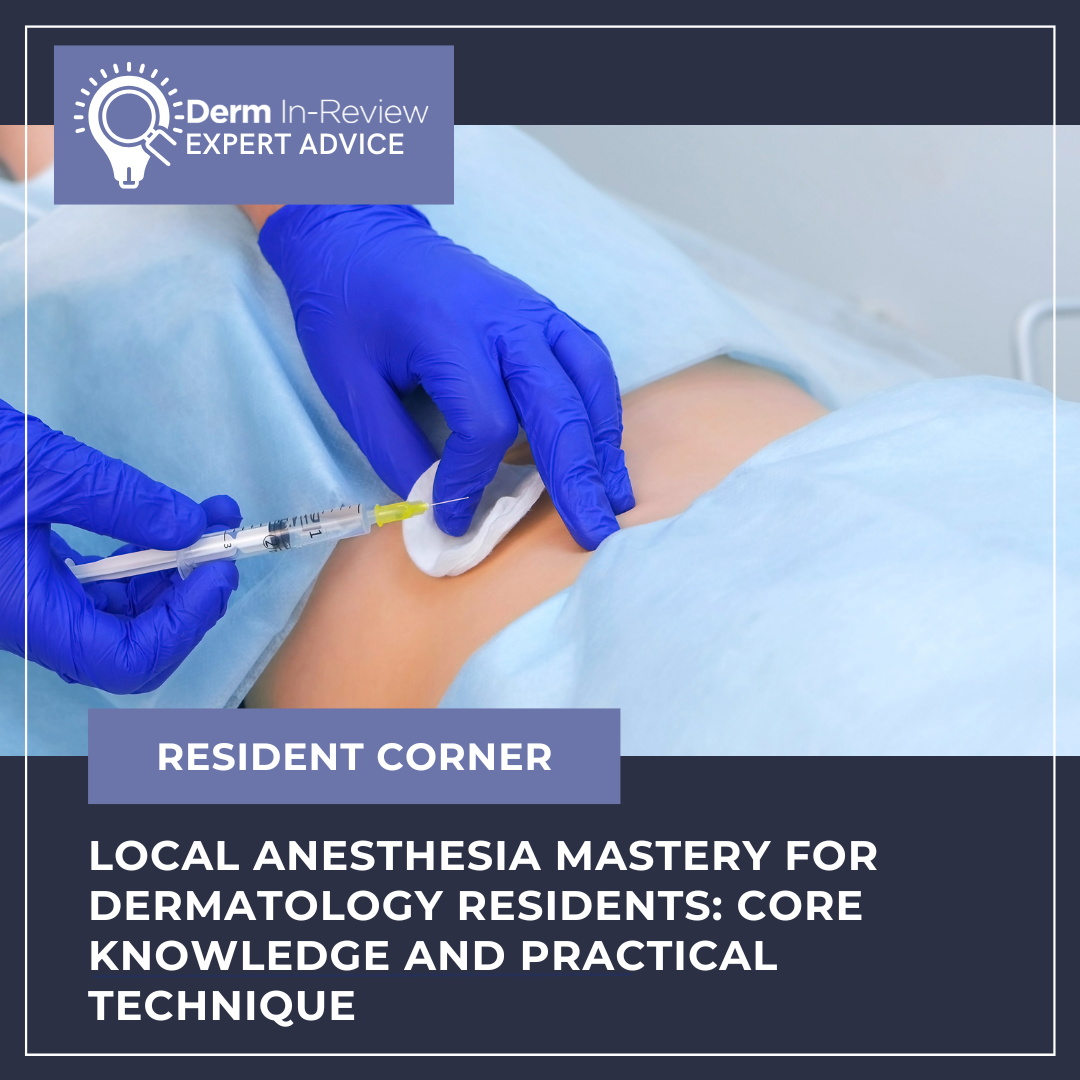 Local anesthesia is a cornerstone of dermatologic practice. From biopsies and excisions to cosmetic and laser procedures, dermatologists rely on local anesthetics daily. Mastery of anesthetic technique not only improves procedural efficiency but also dramatically enhances the patient experience. Patients may not remember every detail of their diagnosis, but they will remember how a procedure made …
 Dermatologists know how to perform hidradenitis suppurativa deroofing – they just don’t know that they know how! That’s according to Dr. Steven Daveluy, professor and program director at Wayne State Dermatology. In an interview with Next Steps in Derm, in partnership with the ODAC Dermatology Conference, Dr. Daveluy shares his encouragement for dermatologists to try deroofing even if they we …