



















Skin Mutation – Friday Pop Quiz 3/25
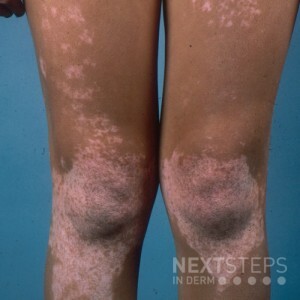 What mutation is responsible for this clinical presentation in a patient with both thyroid dysfunction and chronic candidal infections?
A. Autoimmune Regulator (AIRE)
B. Phosphatase And Tensin Homolog (PTEN)
C. Tyrosine Related Protein 1 (TRP1)
D. Fumarate Hydratase (FH)
E. Lysosomal Trafficking Regulator (LYST)
To find out the correct answer and read the explanation, click he …
What mutation is responsible for this clinical presentation in a patient with both thyroid dysfunction and chronic candidal infections?
A. Autoimmune Regulator (AIRE)
B. Phosphatase And Tensin Homolog (PTEN)
C. Tyrosine Related Protein 1 (TRP1)
D. Fumarate Hydratase (FH)
E. Lysosomal Trafficking Regulator (LYST)
To find out the correct answer and read the explanation, click he …
What mutation is responsible for this clinical presentation in a patient with both thyroid dysfunction and chronic candidal infections?
A. Autoimmune Regulator (AIRE)
B. Phosphatase And Tensin Homolog (PTEN)
C. Tyrosine Related Protein 1 (TRP1)
D. Fumarate Hydratase (FH)
E. Lysosomal Trafficking Regulator (LYST)
To find out the correct answer and read the explanation, click he … 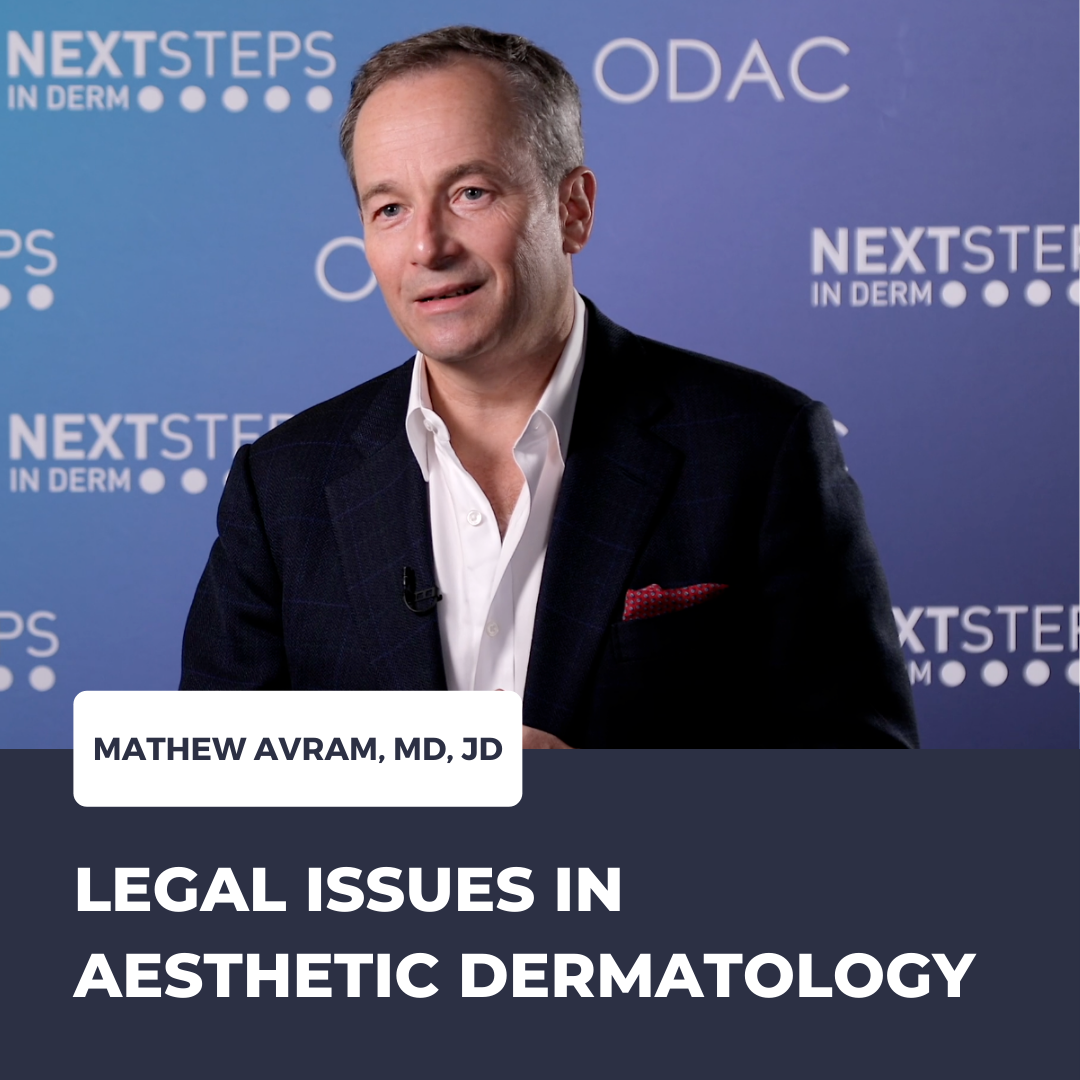 Next Steps in Derm, in partnership with ODAC Dermatology, Aesthetic and Surgical Conference, interviewed Dr. Mathew M. Avram (Director of the Mass General Dermatology Laser & Cosmetic Center and Director of Dermatologic Surgery at MGH, as well as Faculty Director for Procedural Training in Harvard Medical School's Dermatology Department), who discusses potential legal situations that may ari …
  Telogen effluvium (TE) – a common cause of non- scarring hair loss – is managed with varying clinical protocols given the paucity of evidence-based practices.
INTRODUCTION
Telogen effluvium (TE) – a common cause of non-scarring hair loss – is managed with varying clinical protocols given the paucity of evidence-based practices. While endocrine, vitamin, and mineral abnormalities …
Telogen effluvium (TE) – a common cause of non- scarring hair loss – is managed with varying clinical protocols given the paucity of evidence-based practices.
INTRODUCTION
Telogen effluvium (TE) – a common cause of non-scarring hair loss – is managed with varying clinical protocols given the paucity of evidence-based practices. While endocrine, vitamin, and mineral abnormalities … 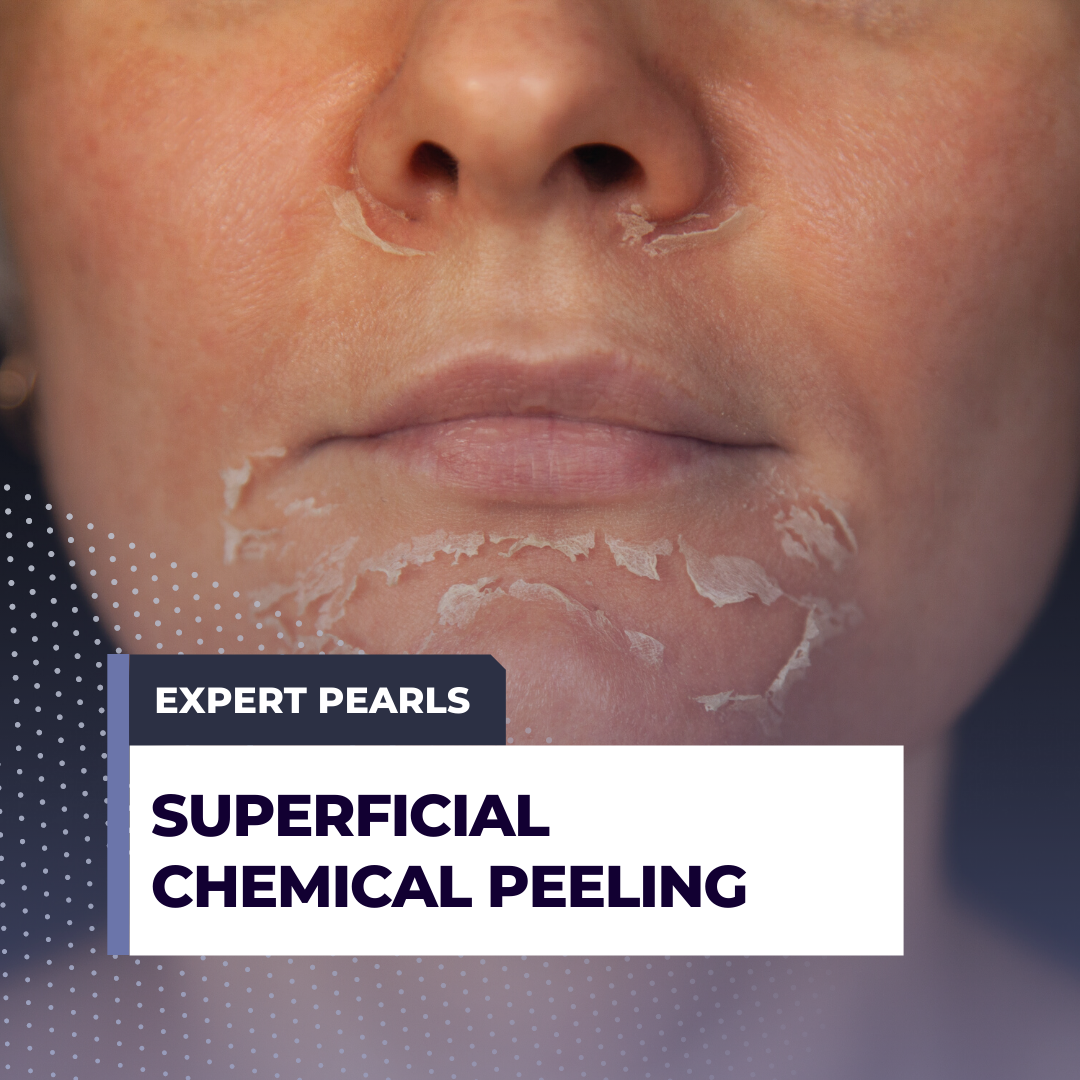 Chemical peels are the third most commonly performed noninvasive cosmetic procedure in the United States, with over 1 million peels performed annually.
Peels can treat a variety of skin conditions including acne, conditions of hyperpigmentation, and skin irregularities from chronic sun damage. Multiple peels on a repeated basis are usually necessary to obtain optimal results. The frequency of …
Chemical peels are the third most commonly performed noninvasive cosmetic procedure in the United States, with over 1 million peels performed annually.
Peels can treat a variety of skin conditions including acne, conditions of hyperpigmentation, and skin irregularities from chronic sun damage. Multiple peels on a repeated basis are usually necessary to obtain optimal results. The frequency of … 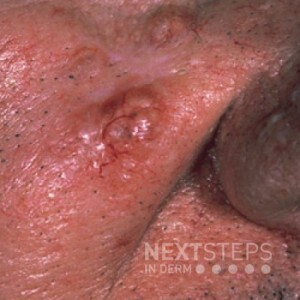 This patient has had over 200 of these lesions, what is the most likely genodermatosis?
A. Cowden
B. Birt-Hogg-Dube
C. Gorlin Syndrome
D. Carney
E. Bannayan-Riley-Ruvalcaba
To find out the correct answer and read the explanation, click here.
Brought to you by our brand partner Derm In-Review. A product of SanovaWorks.
…
This patient has had over 200 of these lesions, what is the most likely genodermatosis?
A. Cowden
B. Birt-Hogg-Dube
C. Gorlin Syndrome
D. Carney
E. Bannayan-Riley-Ruvalcaba
To find out the correct answer and read the explanation, click here.
Brought to you by our brand partner Derm In-Review. A product of SanovaWorks.
…