












Mastering the Hair & Scalp Exam
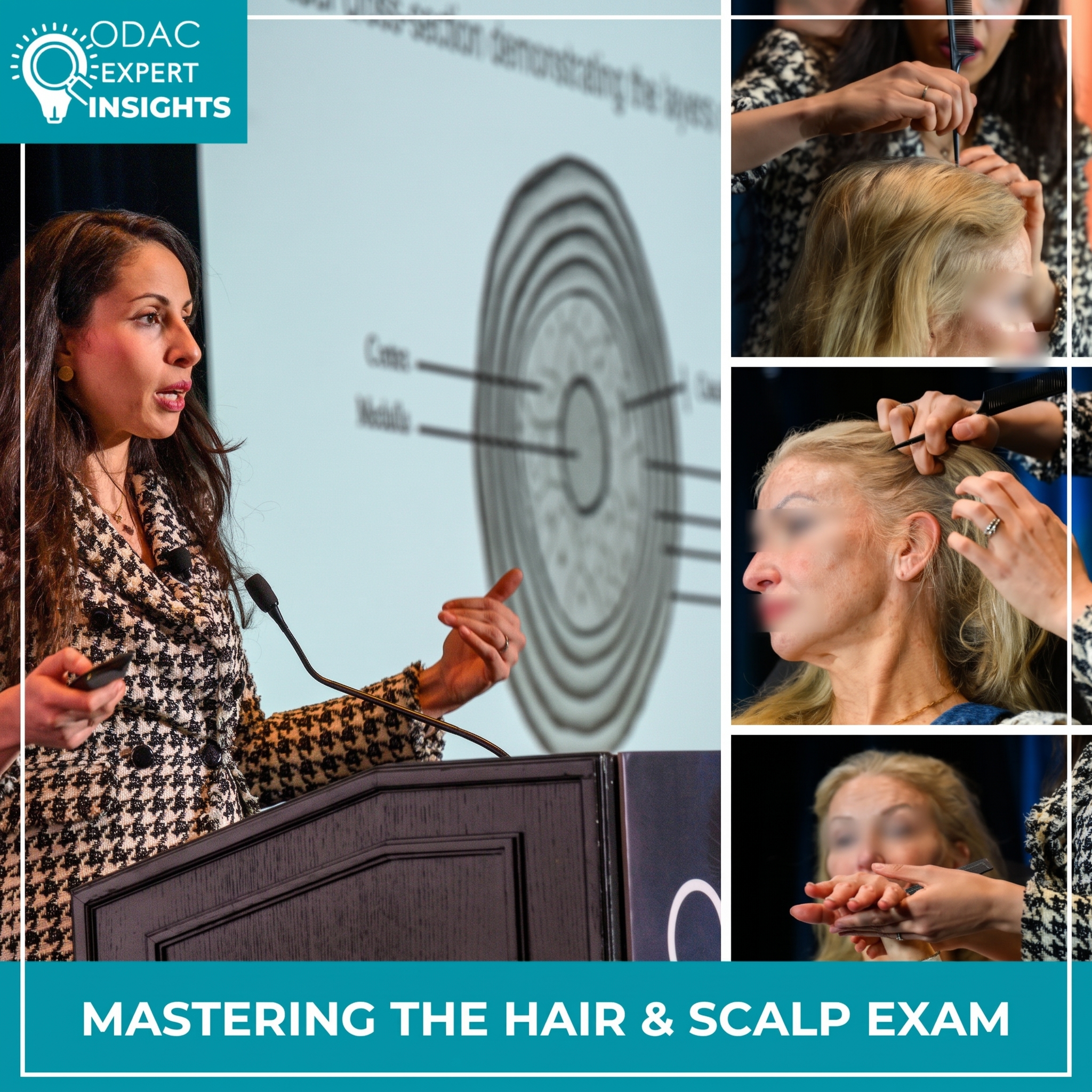 Hair loss visits are common but, if you’re like me, it can still give pause in a busy clinic. During a session titled Strands of Clarity: Mastering the Hair & Scalp Exam at the ODAC Dermatology conference, Dr. Ronda Farah— nationally and internationally recognized in hair loss and serving as an Associate Professor in the Department of Dermatology at the University of Minnesota—focused on …
 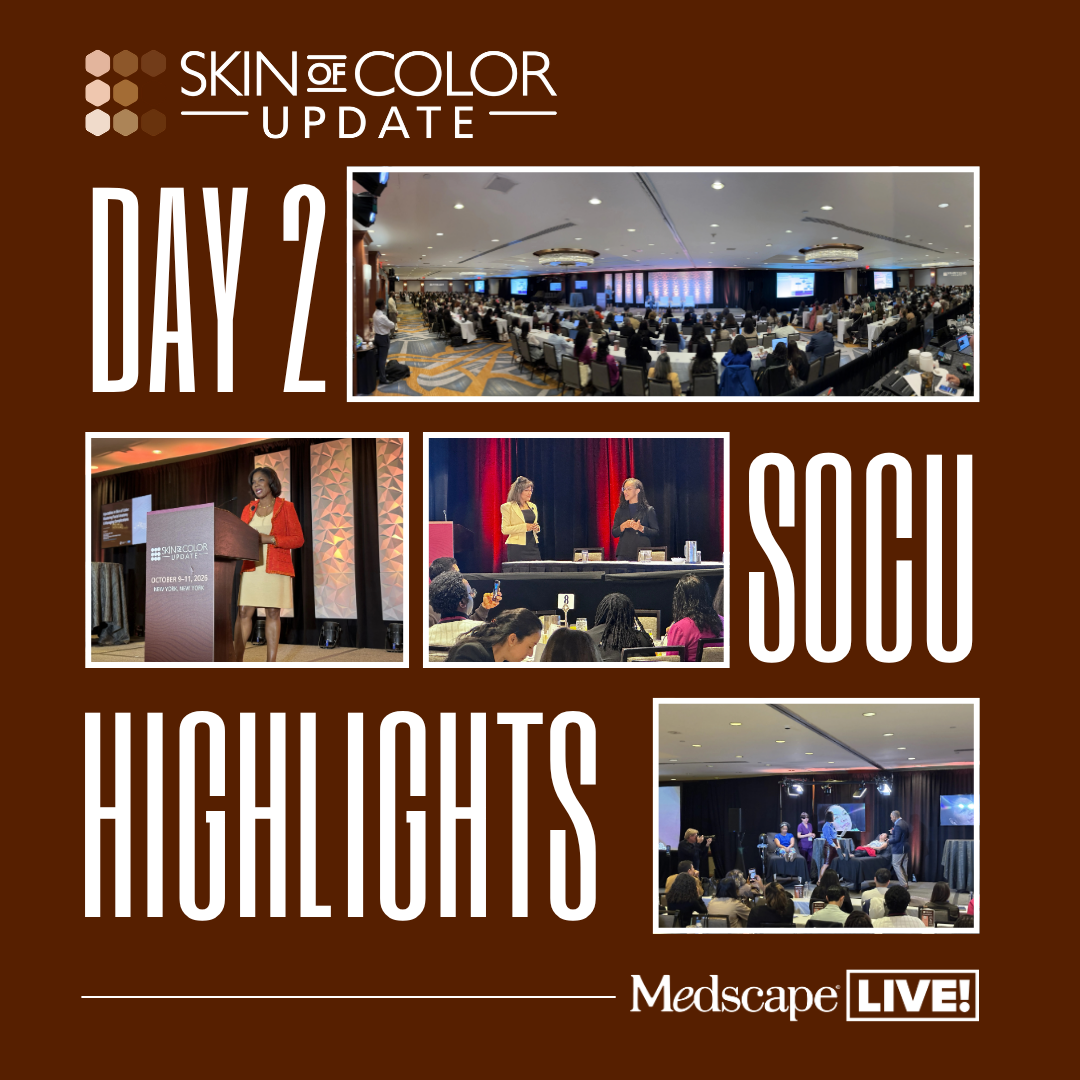 Following a high-energy kickoff, Day 2 of the 17th Annual Skin of Color Update (SOCU 2026) delivered a masterclass in complex inflammatory dermatoses, cutting-edge hair and scalp algorithms, and practical surgical management of keloids and nail emergencies.
Co-Chairs Andrew F. Alexis, MD, MPH, FAAD, and Eliot F. Battle, MD, welcomed attendees back to the main stage for another action-packed day o …
 Ronda S. Farah, MD, FAAD, knows the impact of hair and scalp disorders on patients’ quality of life. Dr. Farah is an associate of professor of dermatology at the University of Minnesota and founder of Alluma Dermatology. For Dr. Farah, quality care begins with a thorough hair and scalp exam. In this Next Steps in Derm video interview, conducted in partnership with the ODAC Dermatology Conference …
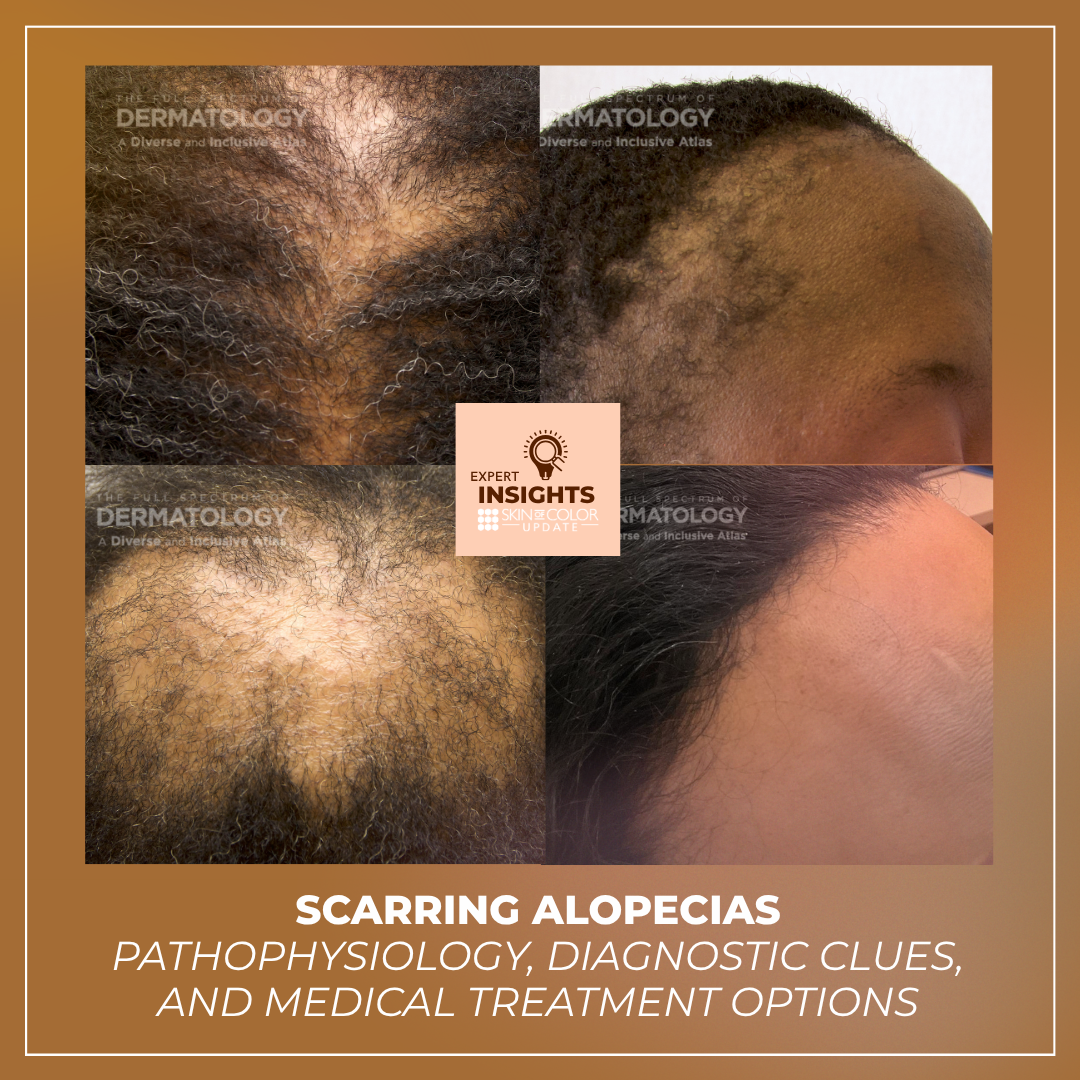 Scarring alopecias in skin of color are increasingly recognized and remain a major cause of irreversible hair loss. During the 2025 Skin of Color Update in New York City, Susan C. Taylor, MD, presented an updated clinical approach to identifying and managing lichen planopilaris (LPP), frontal fibrosing alopecia (FFA), and central centrifugal cicatricial alopecia (CCCA) with a focus on early detect …
 What trichoscopic finding in the pictured condition is associated with the most favorable prognosis?
A. Yellow dots
B. White dots
C. Loss of follicular ostia
D. Perifollicular erythema
E. Peripilar casts
To find out the correct answer and read the explanation, click here.
…