












Acne Considerations in Patients with Skin of Color
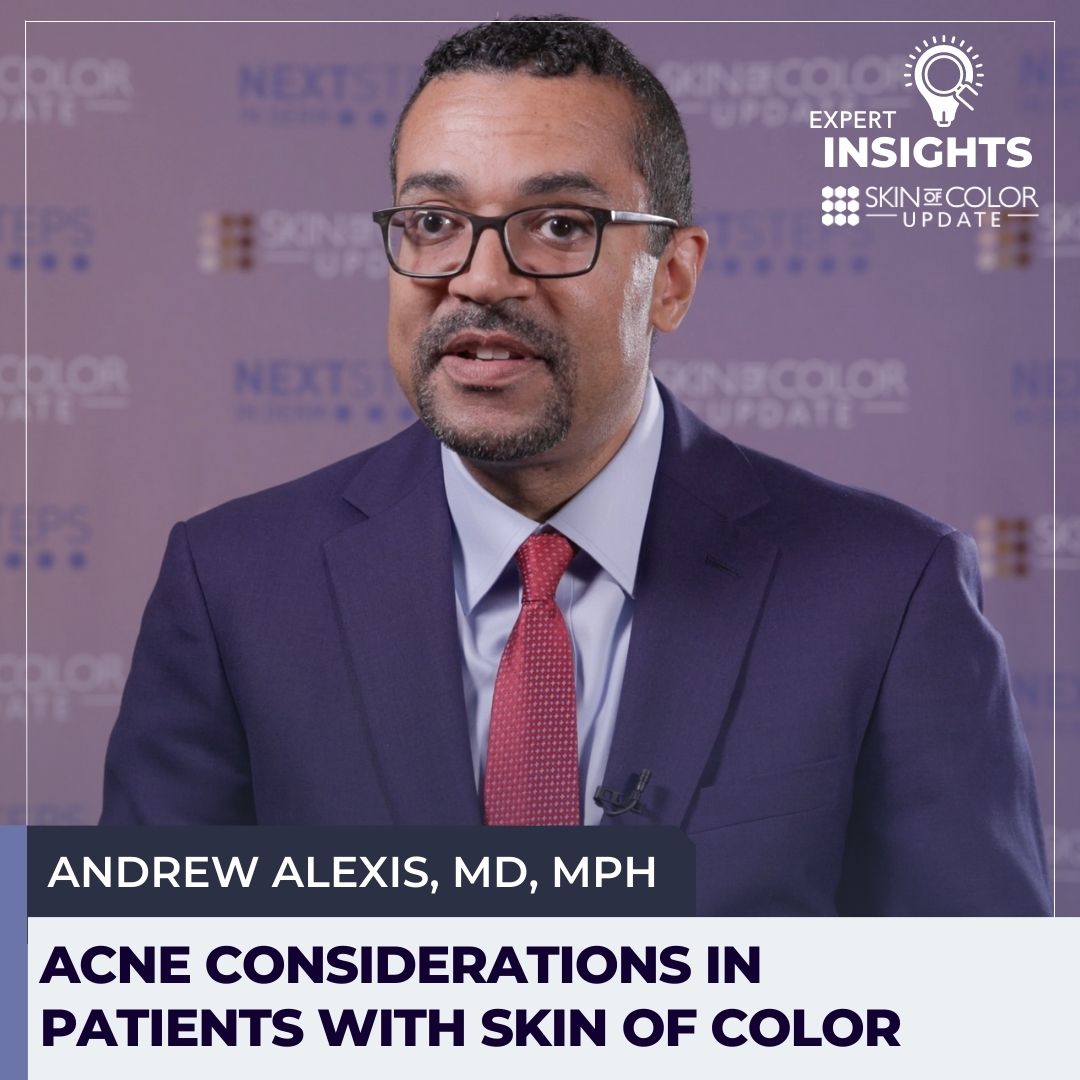 Next Steps in Derm, in partnership with Skin of Color Update, interviewed Dr. Andrew Alexis, co-chair of Skin of Color Update, and vice-chair for diversity and inclusion for the Weill Cornell Medical College Department of Dermatology. Dr. Alexis points out that acne is the most common dermatologic condition for which patients with skin of color seek a dermatologist’s care. Hear why it’s impor …
Next Steps in Derm, in partnership with Skin of Color Update, interviewed Dr. Andrew Alexis, co-chair of Skin of Color Update, and vice-chair for diversity and inclusion for the Weill Cornell Medical College Department of Dermatology. Dr. Alexis points out that acne is the most common dermatologic condition for which patients with skin of color seek a dermatologist’s care. Hear why it’s impor … Continue reading "Acne Considerations in Patients with Skin of Color"
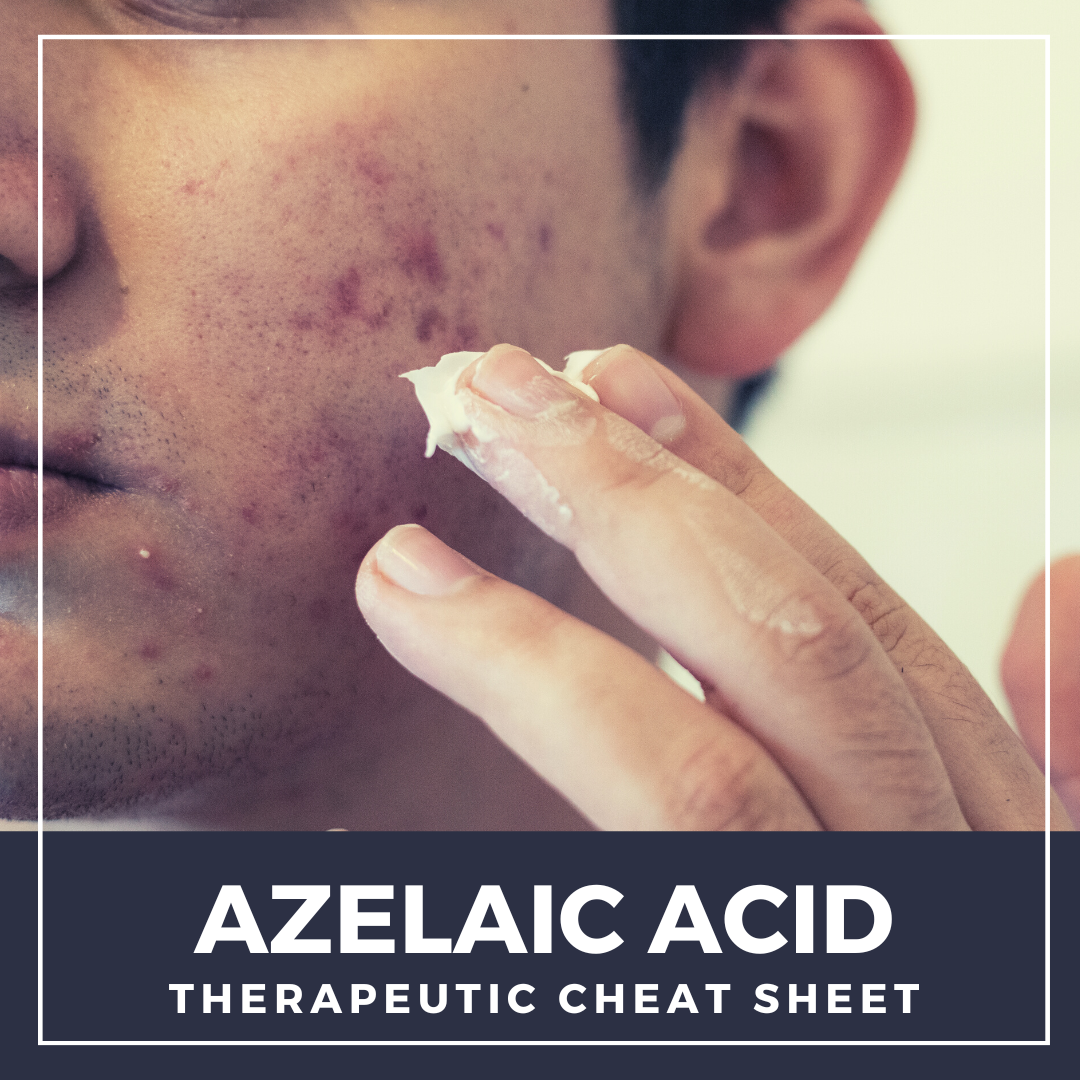 Azelaic acid is a topical therapeutic agent which is FDA approved to treat papules and pustules of mild to moderate rosacea and mild to moderate acne vulgaris. It was first approved by the FDA in 1995 and since its approval, has been used for many off-label conditions including disorders of hyperpigmentation. Its utility in various conditions can be attributed to its anti-microbial, anti-inflamm …
  Next Steps in Derm, in partnership with Skin of Color Update, interviewed Dr. Heather Woolery-Lloyd, director of the Skin of Color Division for the University of Miami Department of Dermatology. There’s more to pigmentary disorders than melasma and vitiligo. Watch as Dr. Woolery-Lloyd outlines disorders of hyperpigmentation and hypopigmentation. Learn why time matters in treating lichen planus …
  The March 2022 issue of the Journal of Drugs in Dermatology (JDD) includes the perfect blend of original articles, case reports, and editorials. With topics ranging from acne and psoriasis to Platelet Rich Plasma (PRP) for scarring alopecia and racial differences and their impact on treatment for hidradenitis suppurativa, we share this month’s issue highlights straight from the JDD Editor’s de …
 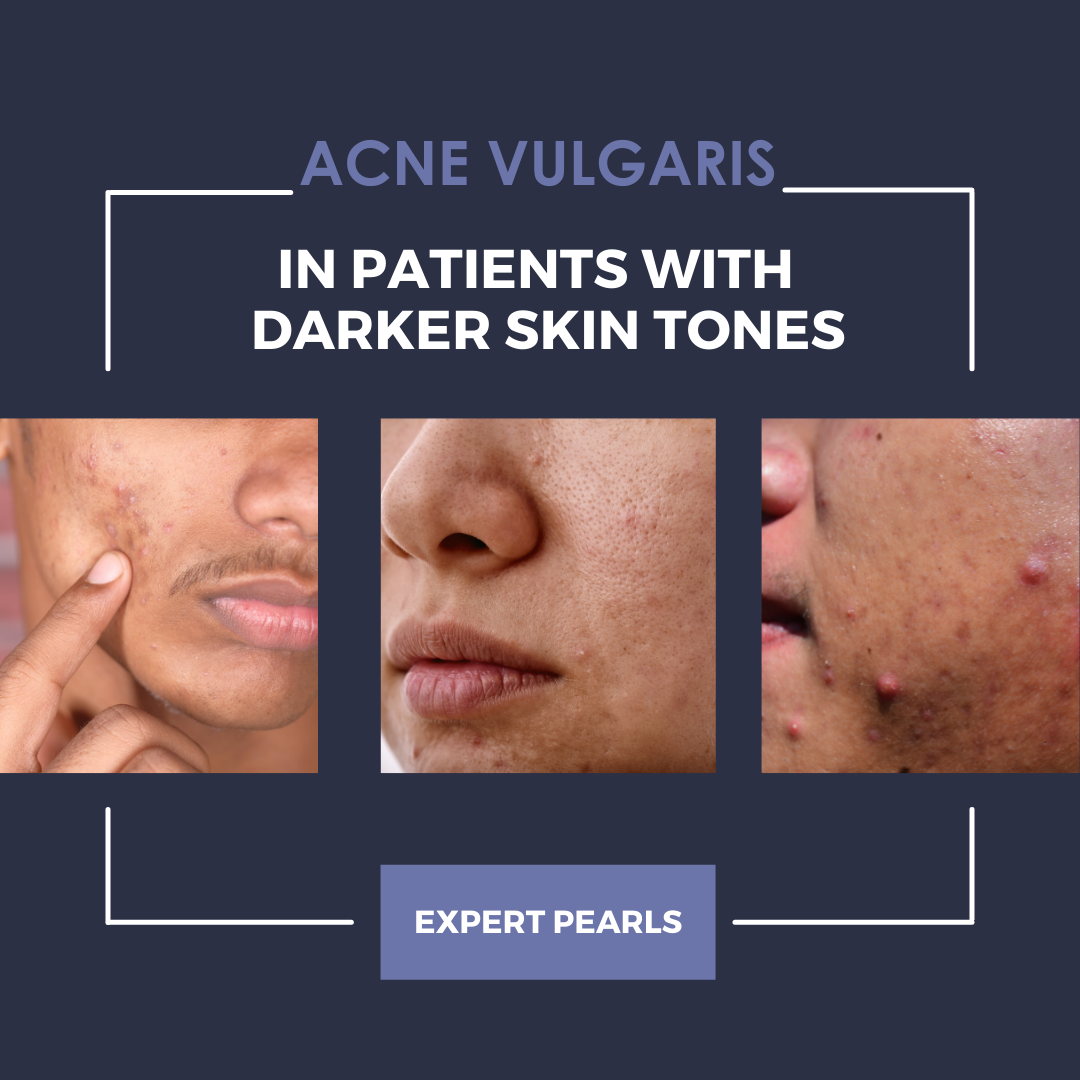 At the 2021 Skin of Color Update virtual conference, Dr. Alexis highlighted key considerations when treating acne in patients with darker skin phototypes in addition to current and emerging strategies to improve treatment outcomes.
When treating acne patients with skin of color, it is important to consider the concomitant issue of post inflammatory hyperpigmentation (PIH). This PIH may be the d …
At the 2021 Skin of Color Update virtual conference, Dr. Alexis highlighted key considerations when treating acne in patients with darker skin phototypes in addition to current and emerging strategies to improve treatment outcomes.
When treating acne patients with skin of color, it is important to consider the concomitant issue of post inflammatory hyperpigmentation (PIH). This PIH may be the d …