












Patient Buzz Series | St. Ives Apricot Scrub Debate
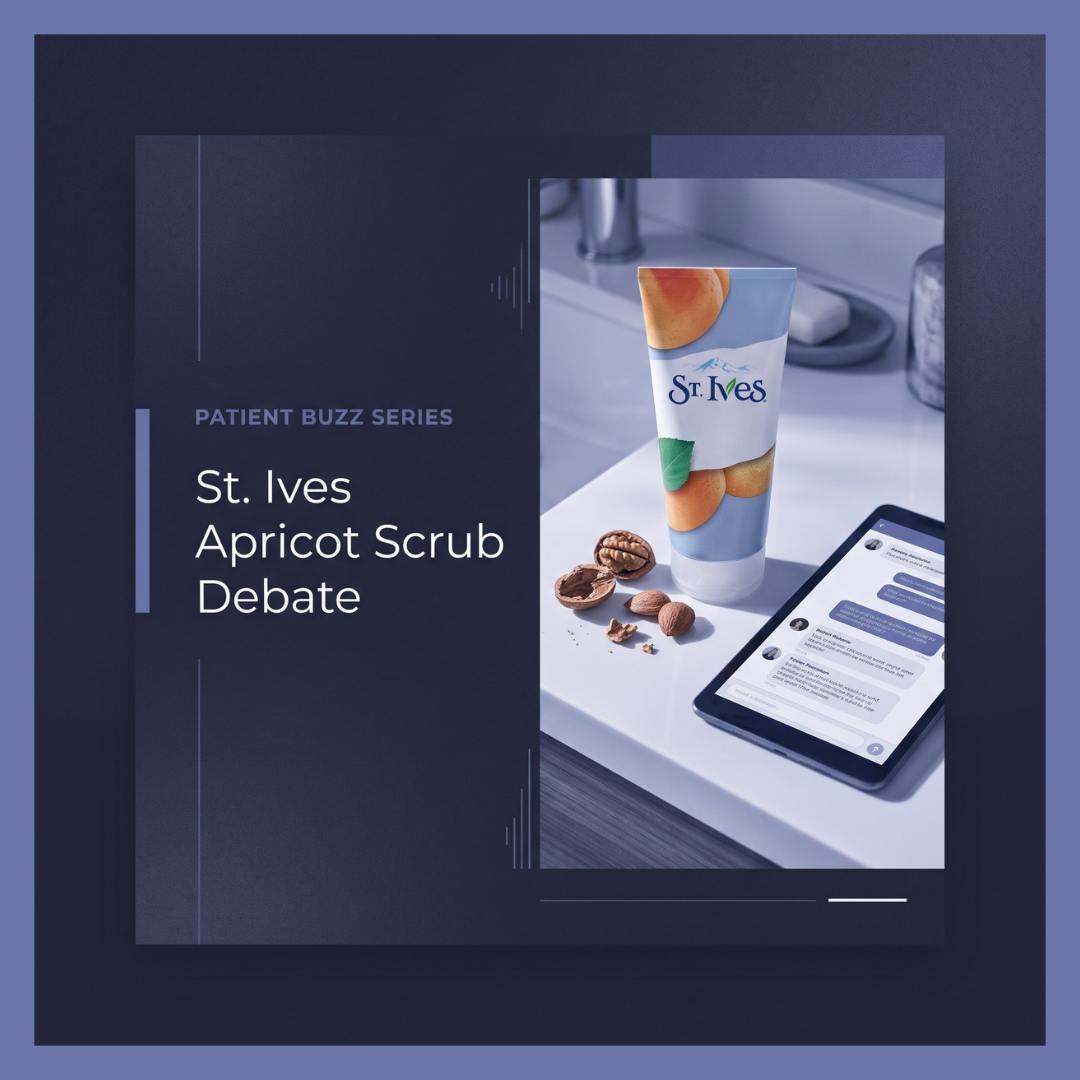 St. Ives Apricot Scrub was one of the most iconic skincare products of the 1990s, and the debate over its use continues 30 years later. Some swear by the walnut shell scrub, while others think it’s too abrasive, especially when used on the face. Parade interviewed three dermatologists who say the scrub may be appropriate for some skin types provided that it’s used occasionally and with minimal …
 Continue reading "Patient Buzz Series | St. Ives Apricot Scrub Debate"
 Dermatology residents want training in caring for sensitive skin, yet they aren’t receiving it, according to a study published in the February issue of the Journal of Drugs in Dermatology. The authors assert that this points to a gap in residency education as well as a lack of consensus about sensitive skin within dermatology.
To find out more about residency education on sensitive skin, I in …
 With a special focus on aesthetic treatments, check out highlights from the September issue of the Journal of Drugs in Dermatology (JDD) straight from the Editor’s desk:
A Randomized Control Trial Comparing the Efficacy of Platelet-Rich Plasma and 5% Topical Minoxidil for the Treatment of Androgenetic Alopecia suggests that PRP therapy demonstrates a higher efficacy compared to minoxidil for t …
 The February issue of the Journal of Drugs in Dermatology (JDD) includes the perfect blend of original articles, case reports, and brief communications exploring topics such as efficacy and safety of 1% clascoterone cream in patients aged ≥12 years with acne vulgaris, dupilumab’s impact on atopic dermatitis among adolescent and adult patients, development and validation of a photonumeric scale …
 Why are your patients so sensitive?
71% of adults have self-declared sensitive skin.1
While differences in how people perceive skin sensitivity exist, most say they have sensory effects, such as itching, burning, stinging, tightness and dryness.2 Due to the subjective nature of sensitive skin, diagnosis is complex and there is often a disconnect between what subjects feel and what medical …