












Abrocitinib Therapeutic Cheat Sheet
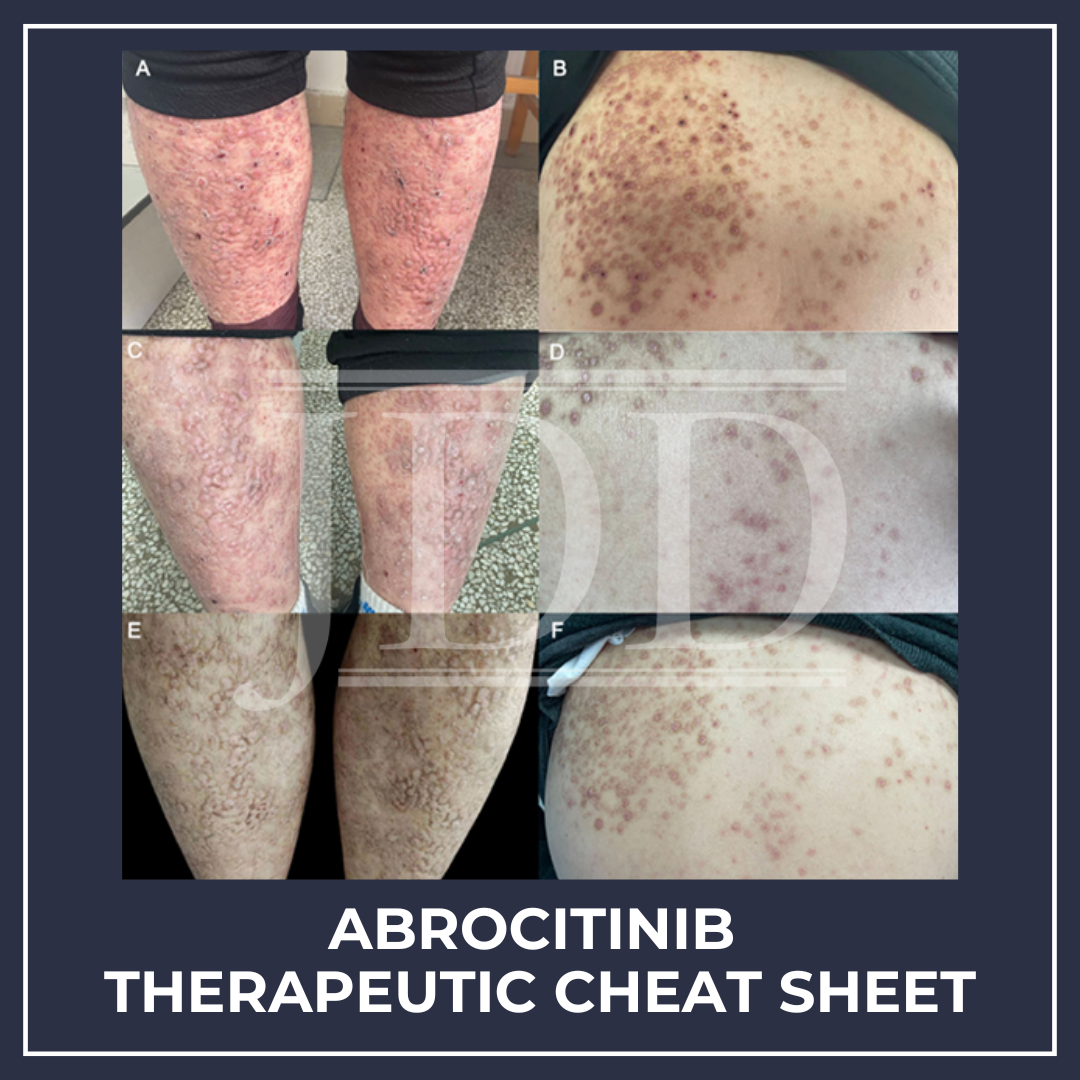 Abrocitinib is an oral, once-daily selective Janus kinase 1 (JAK1) inhibitor approved for moderate-to-severe atopic dermatitis. It can provide rapid improvement in pruritus and skin disease and is a useful treatment option for many patients. As an oral medication, it may also be preferred by patients who want to avoid injections. When prescribing abrocitinib, it is important to discuss laboratory …
Abrocitinib is an oral, once-daily selective Janus kinase 1 (JAK1) inhibitor approved for moderate-to-severe atopic dermatitis. It can provide rapid improvement in pruritus and skin disease and is a useful treatment option for many patients. As an oral medication, it may also be preferred by patients who want to avoid injections. When prescribing abrocitinib, it is important to discuss laboratory … 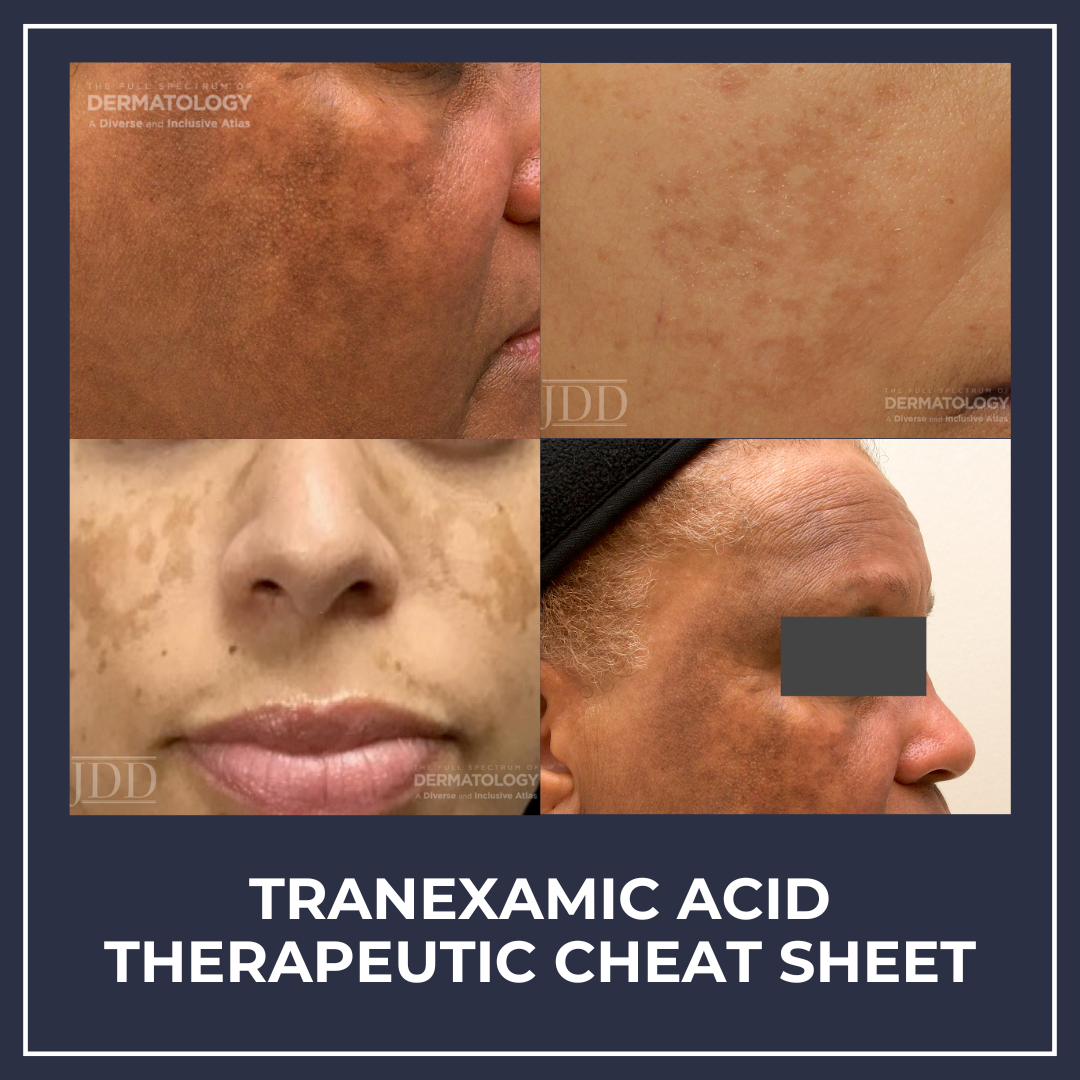 Tranexamic acid (TXA) is a synthetic lysine derivative that reversibly blocks the lysine-binding site on plasminogen, preventing conversion to plasmin. While originally developed as an antifibrinolytic agent to reduce bleeding, TXA has several downstream effects that make it useful in dermatology, particularly for pigmentary disorders, with emerging evidence in inflammatory disorders as well. TX …
 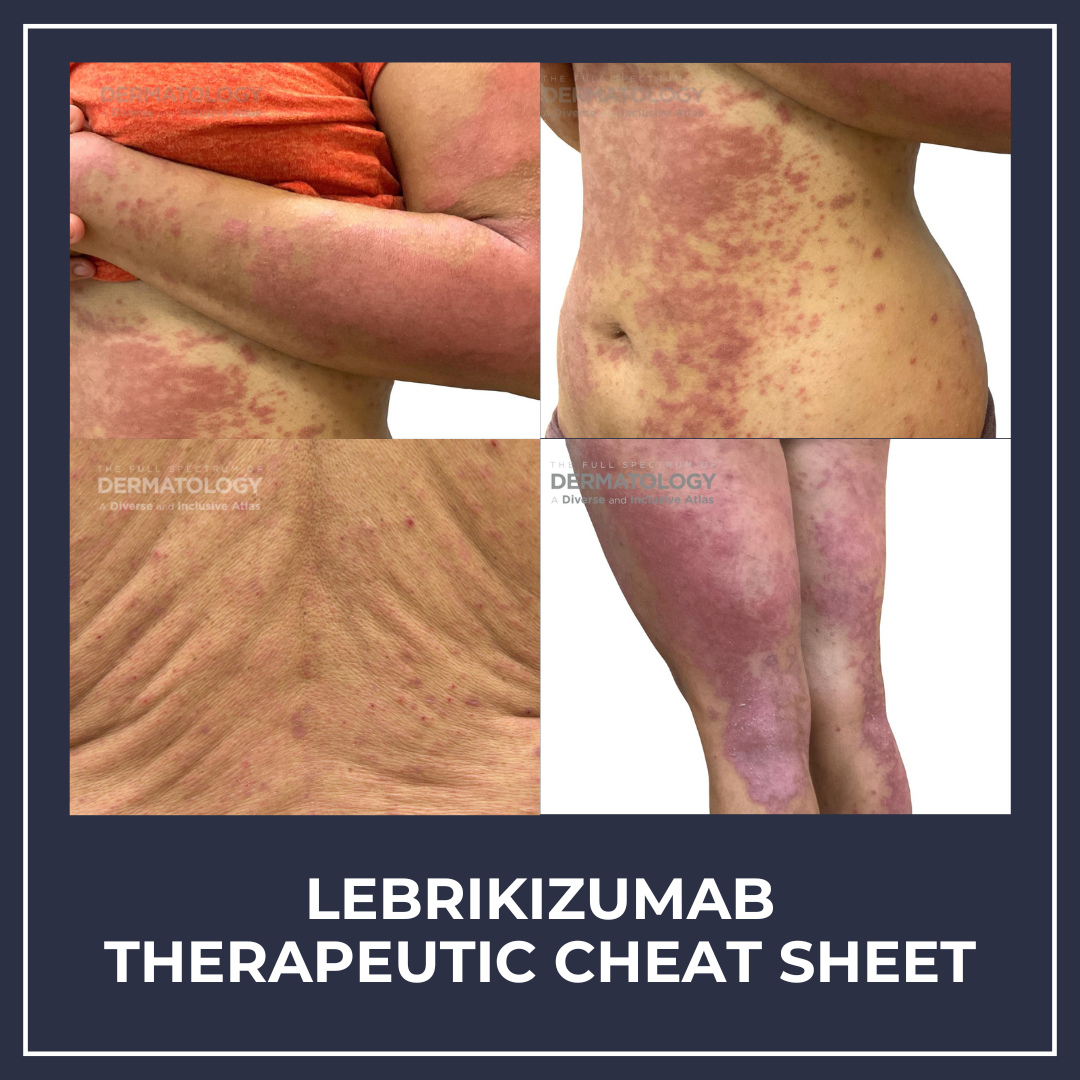 Lebrikizumab is a humanized immunoglobulin G4 (IgG4) monoclonal antibody that selectively targets IL-13, a key cytokine implicated in the pathogenesis of type 2 inflammatory diseases.1 Lebrikizumab binds IL-13 with high affinity and a slow dissociation rate, which prevents heterodimerization of the IL-13 receptor alpha-1 subunit (IL-13Rα1) with the IL-4 receptor alpha (IL-4Rα) signaling complex. …
 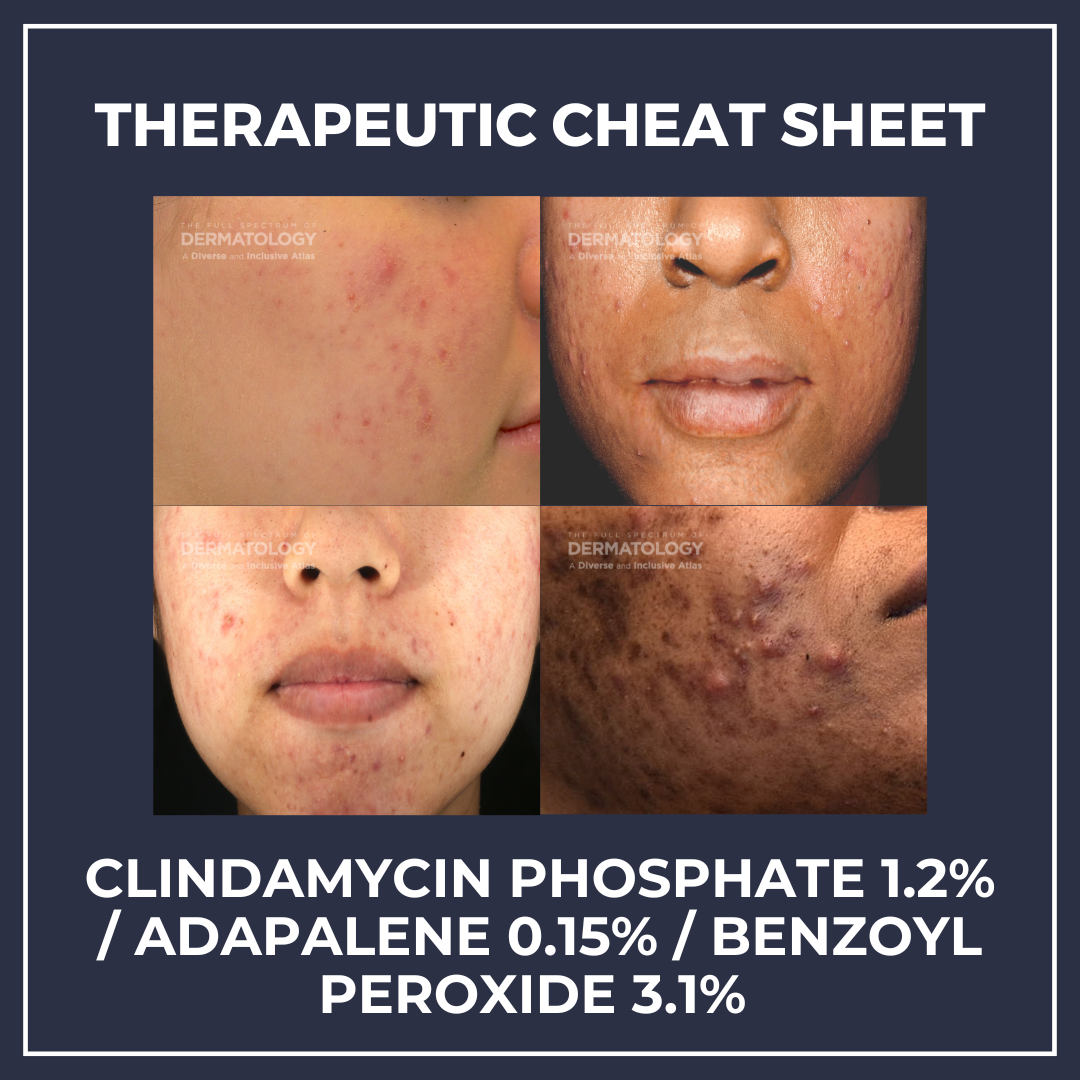 Cabtreo is the first FDA-approved fixed-dose triple-combination topical treatment for acne vulgaris, pairing a lincosamide antibiotic (clindamycin), a synthetic retinoid (adapalene), and a keratolytic oxidizing agent (benzoyl peroxide) into a single once-daily gel. This formulation targets several pillars of acne pathogenesis simultaneously: cutaneous C. acnes proliferation, abnormal keratinizatio …
 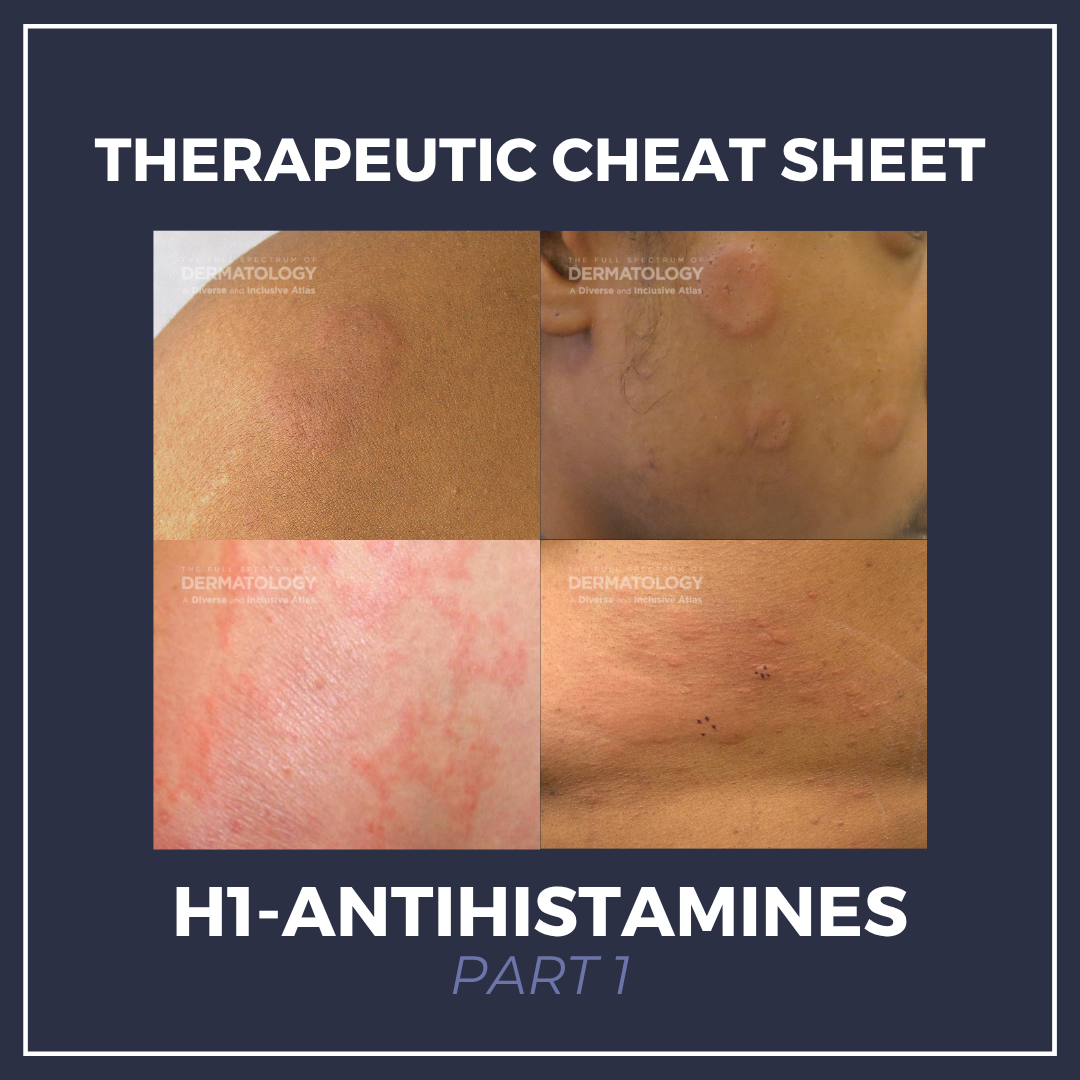 Antihistamines, particularly second-generation histamine H1-receptor antagonists, are widely used in dermatology due to their antihistaminic activity and favorable safety profile characterized by minimal sedation compared with first-generation agents. They primarily act as peripheral H1-receptor antagonists, reducing histamine-mediated effects such as vasodilation, increased vascular permeability, …