












Protecting Skin of Color: Understanding Photodamage and Optimizing Sunscreen Strategies
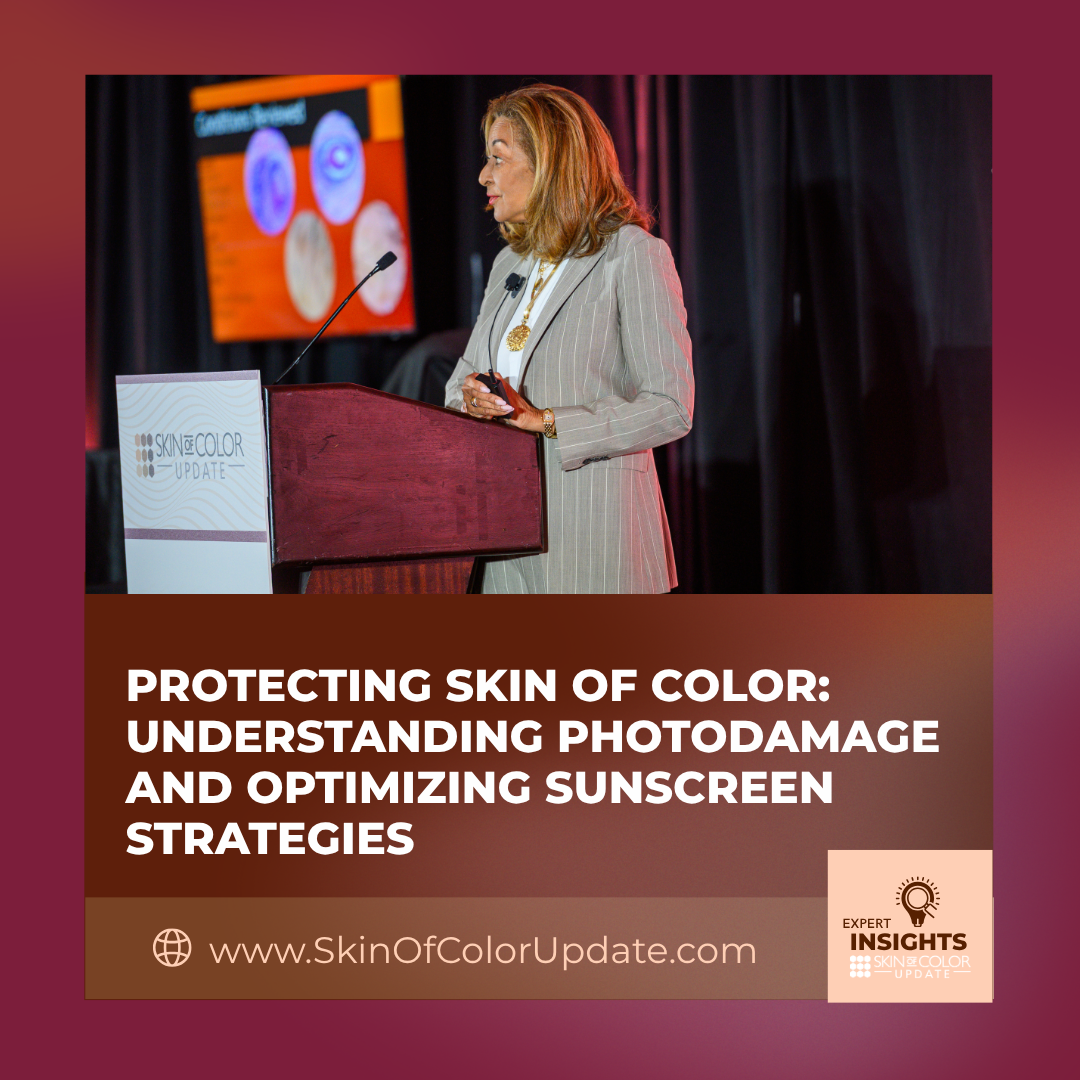 Recent advances in photodermatology have expanded our understanding of how multiple wavelengths across the electromagnetic spectrum contribute to skin damage, aging, pigmentary disorders, and skin cancer risk. While ultraviolet (UV) radiation has traditionally been the primary focus of sun protection, visible light (VL), high-energy visible (HEV) light, infrared (IR) radiation, and even heat have …
Recent advances in photodermatology have expanded our understanding of how multiple wavelengths across the electromagnetic spectrum contribute to skin damage, aging, pigmentary disorders, and skin cancer risk. While ultraviolet (UV) radiation has traditionally been the primary focus of sun protection, visible light (VL), high-energy visible (HEV) light, infrared (IR) radiation, and even heat have … 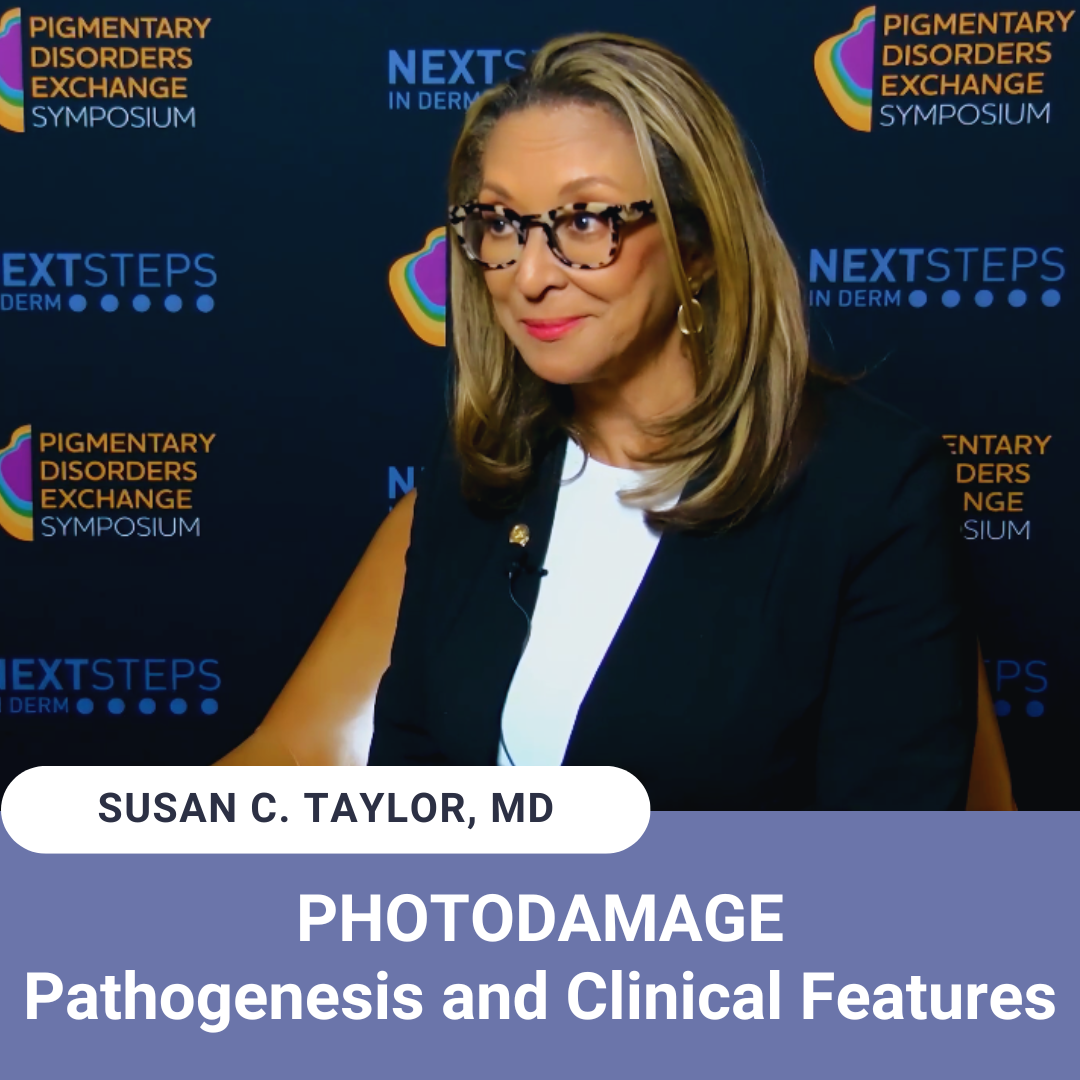 Next Steps in Derm, in partnership with Pigmentary Disorders Exchange Symposium interviewed Dr. Susan C. Taylor, Bernett L. Johnson Endowed Professor, director of the Skin of Color Research Fellowship and vice chair for diversity, equity and inclusion in the dermatology department at the Perelman School of Medicine at the University of Pennsylvania. Watch as Dr. Taylor shares the causes of photoda …
 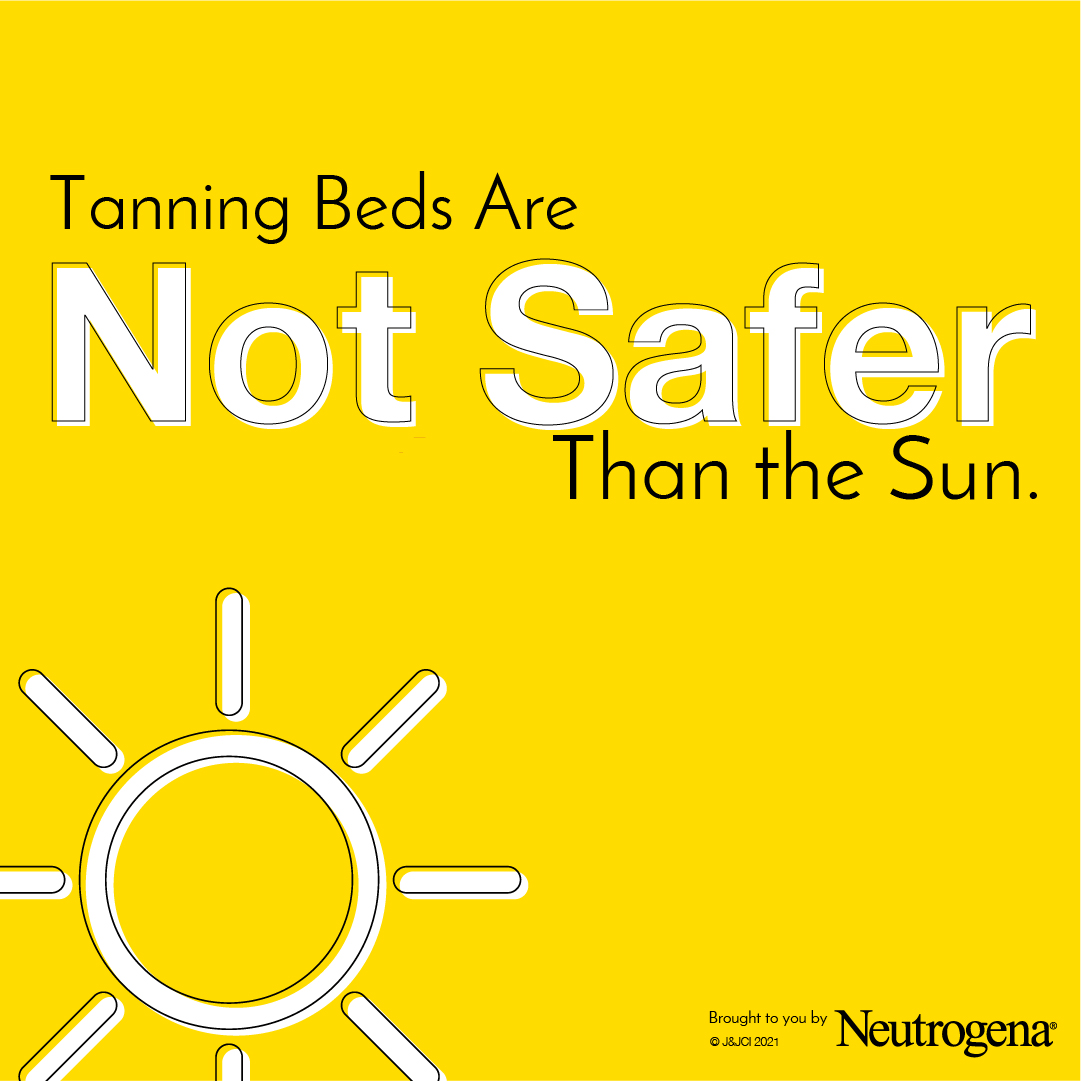 Tanning beds are NOT safer than the sun.1
More than 419,000 cases of skin cancer in the U.S. each year are linked to indoor tanning.2
Melanoma is the second most common cancer in females age 15-29.3
Tanning = DNA injury to your skin4
Skin exposed to UV radiation increases production of melanin to protect the skin from further damage. The increased melanin causing the tan color change is a si …
Tanning beds are NOT safer than the sun.1
More than 419,000 cases of skin cancer in the U.S. each year are linked to indoor tanning.2
Melanoma is the second most common cancer in females age 15-29.3
Tanning = DNA injury to your skin4
Skin exposed to UV radiation increases production of melanin to protect the skin from further damage. The increased melanin causing the tan color change is a si …