












From the ODAC Poster Hall | Skin Rejuvenation With Microtoxin
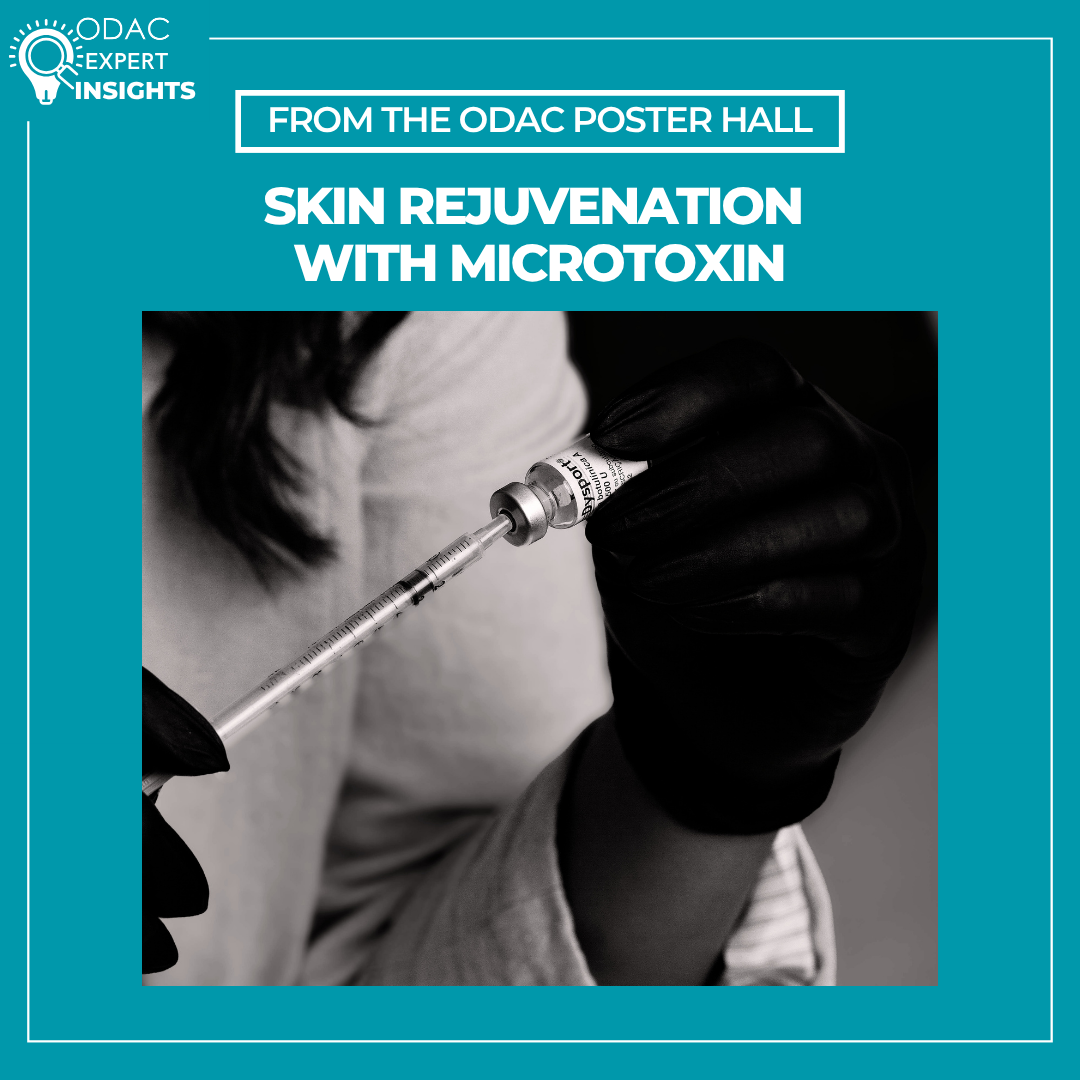 Microtoxin or microbotox is a novel approach in aesthetics where microdosed botulinum toxin is placed into the dermis. Unlike traditional neuromodulators that target skeletal muscle, microtoxin acts within the dermis, impacting sebaceous and eccrine glands, arrector pili contraction, fibroblast signaling, and neurovascular pathways. The result is enhanced skin quality without impaired facial muscl …
Microtoxin or microbotox is a novel approach in aesthetics where microdosed botulinum toxin is placed into the dermis. Unlike traditional neuromodulators that target skeletal muscle, microtoxin acts within the dermis, impacting sebaceous and eccrine glands, arrector pili contraction, fibroblast signaling, and neurovascular pathways. The result is enhanced skin quality without impaired facial muscl … Continue reading "From the ODAC Poster Hall | Skin Rejuvenation With Microtoxin"
 Pigmentary sequelae from acne flares can be more distressing to patients than acne itself, according to Brooklyn, N.Y., dermatologist Dr. Hilary Baldwin. Next Steps in Derm, in partnership with Skin of Color Update, interviewed Dr. Baldwin, who shares how her treatment approach has changed over the years. Find out if dermatology clinicians should take an acne-first approach or treat hyperpigmenta …
  Welcome to the April edition the JDD Highlights! Each month, we dive into the Journal of Drugs in Dermatology to bring you the most impactful research and clinical updates selected by the editor.
This month’s selection reflects the rapidly evolving landscape of modern dermatology. From the diagnostic precision of Artificial Intelligence in nail disorders to the "cosmetic elegance" of seborrhe …
Welcome to the April edition the JDD Highlights! Each month, we dive into the Journal of Drugs in Dermatology to bring you the most impactful research and clinical updates selected by the editor.
This month’s selection reflects the rapidly evolving landscape of modern dermatology. From the diagnostic precision of Artificial Intelligence in nail disorders to the "cosmetic elegance" of seborrhe … 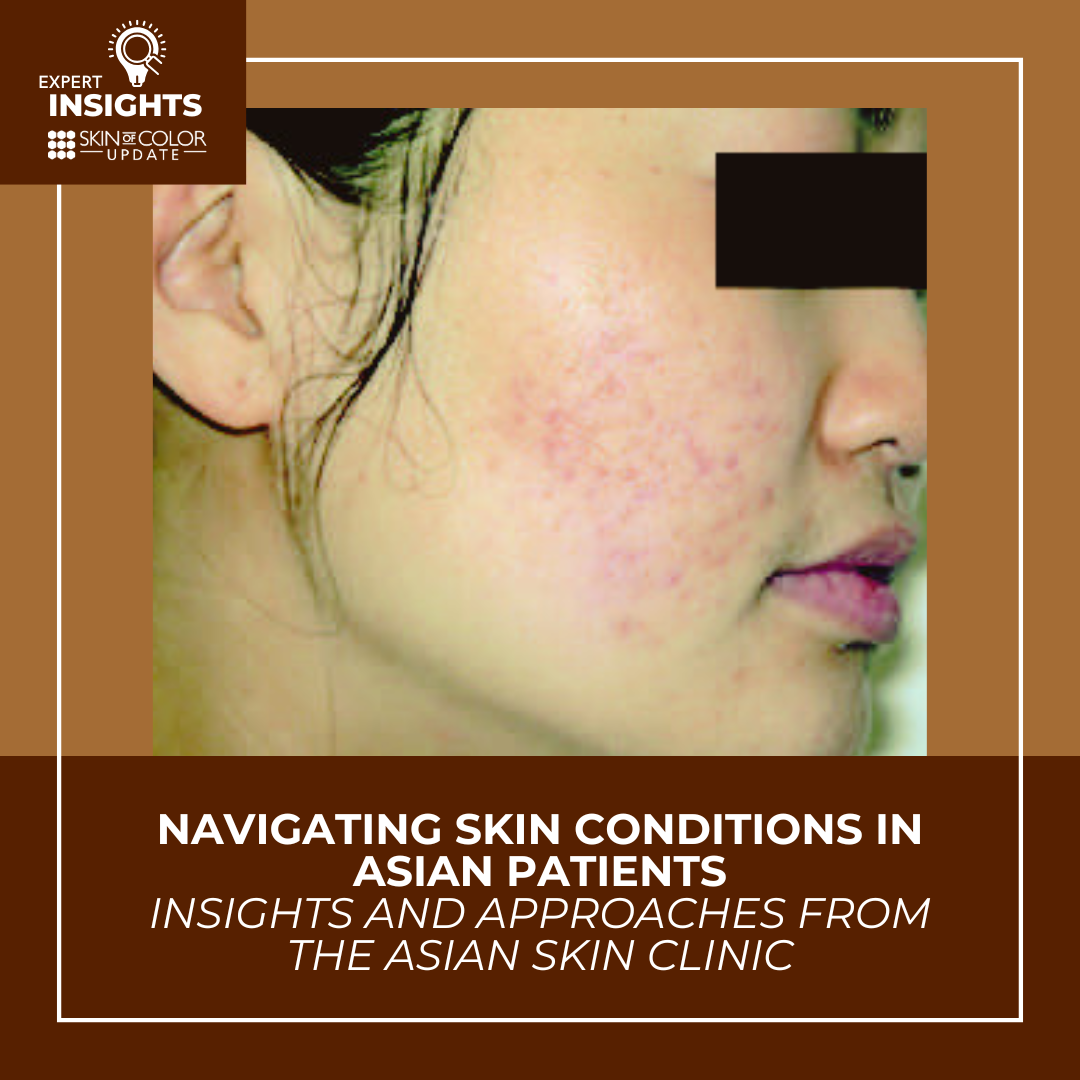 During a recent lecture at the Skin of Color Update conference, Hye Jin (Leah) Chung, MD, MMSc, FAAD, shared clinical pearls for managing dermatologic conditions in Asian patients. Dr. Chung emphasized that Asian skin possesses unique characteristics, such as a higher ceramide content than both White and Black skin, and a significantly higher propensity for reactivity. This sensitivity directly …
  Atopic dermatitis (AD) that’s not fully under control was the subject of two Everyday Health articles: one on treatment “red flags” and another on insufficient care that’s accepted by patients as “good enough.” With so many factors contributing to AD flares, discerning when a treatment isn’t working or has stopped working can be a challenge for both patients and clinicians. Additiona …