












Diagnosing and Managing Vulvar Dermatoses
 Emily Murphy, MD, FAAD, is committed to improving care for vulvar dermatoses, which is why she founded the Vulvar Health Program at the George Washington University School of Medicine & Health Sciences. In this Next Steps in Derm interview, in partnership with the ODAC Dermatology Conference, Dr. Murphy shares what her clinical experience has taught her about diagnosing and managing vulvar der …
Emily Murphy, MD, FAAD, is committed to improving care for vulvar dermatoses, which is why she founded the Vulvar Health Program at the George Washington University School of Medicine & Health Sciences. In this Next Steps in Derm interview, in partnership with the ODAC Dermatology Conference, Dr. Murphy shares what her clinical experience has taught her about diagnosing and managing vulvar der … Continue reading "Diagnosing and Managing Vulvar Dermatoses"
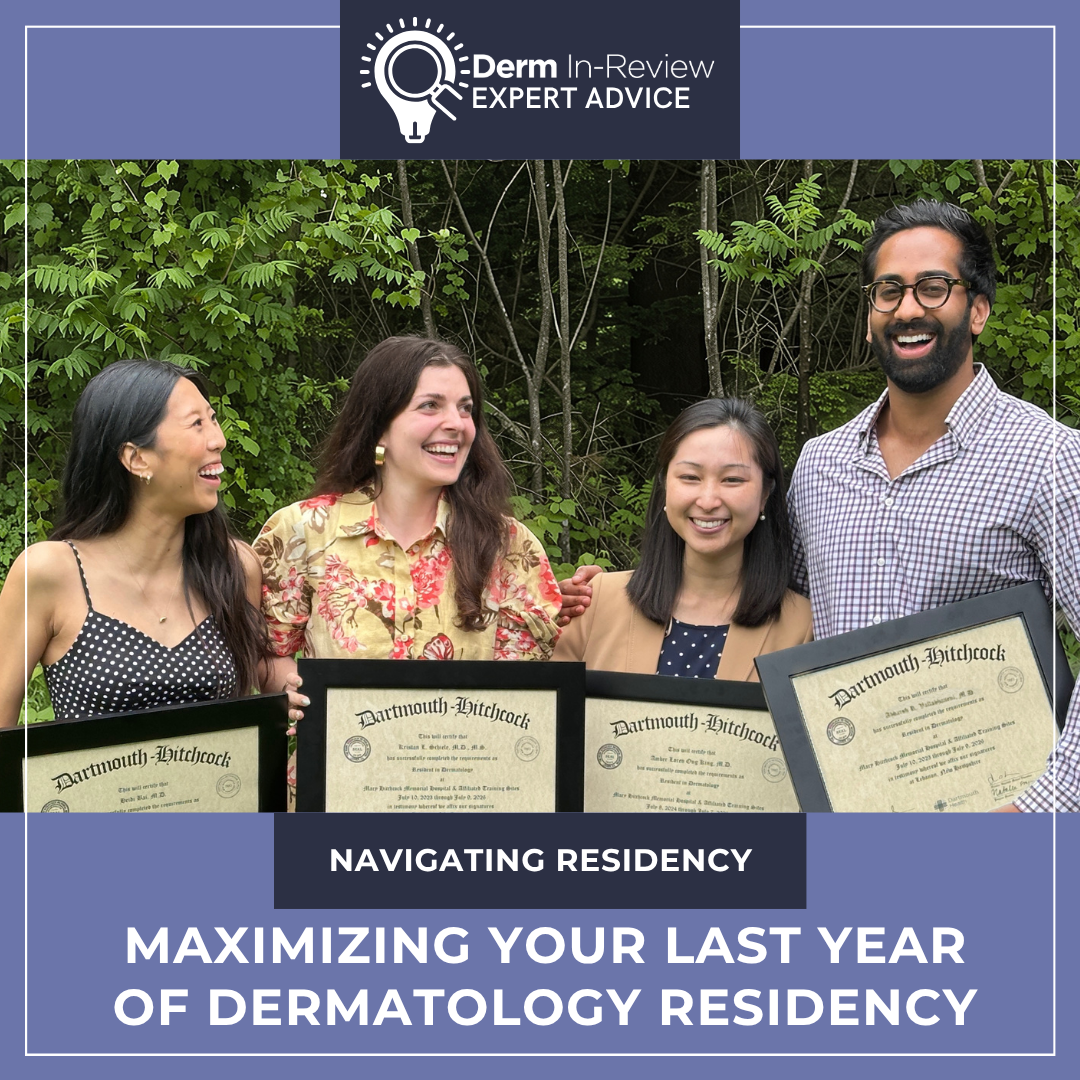 In my article, “The Dermatology Job Search Timeline: Reflections from a Resident Still in the Interview Process,” I focused on what I needed to do during my last year of residency to secure a job. The job search takes up a surprising amount of space on the calendar. There are interviews, contracts, licensing, credentialing, board prep, and decisions about where to live. It is easy for the enti …
 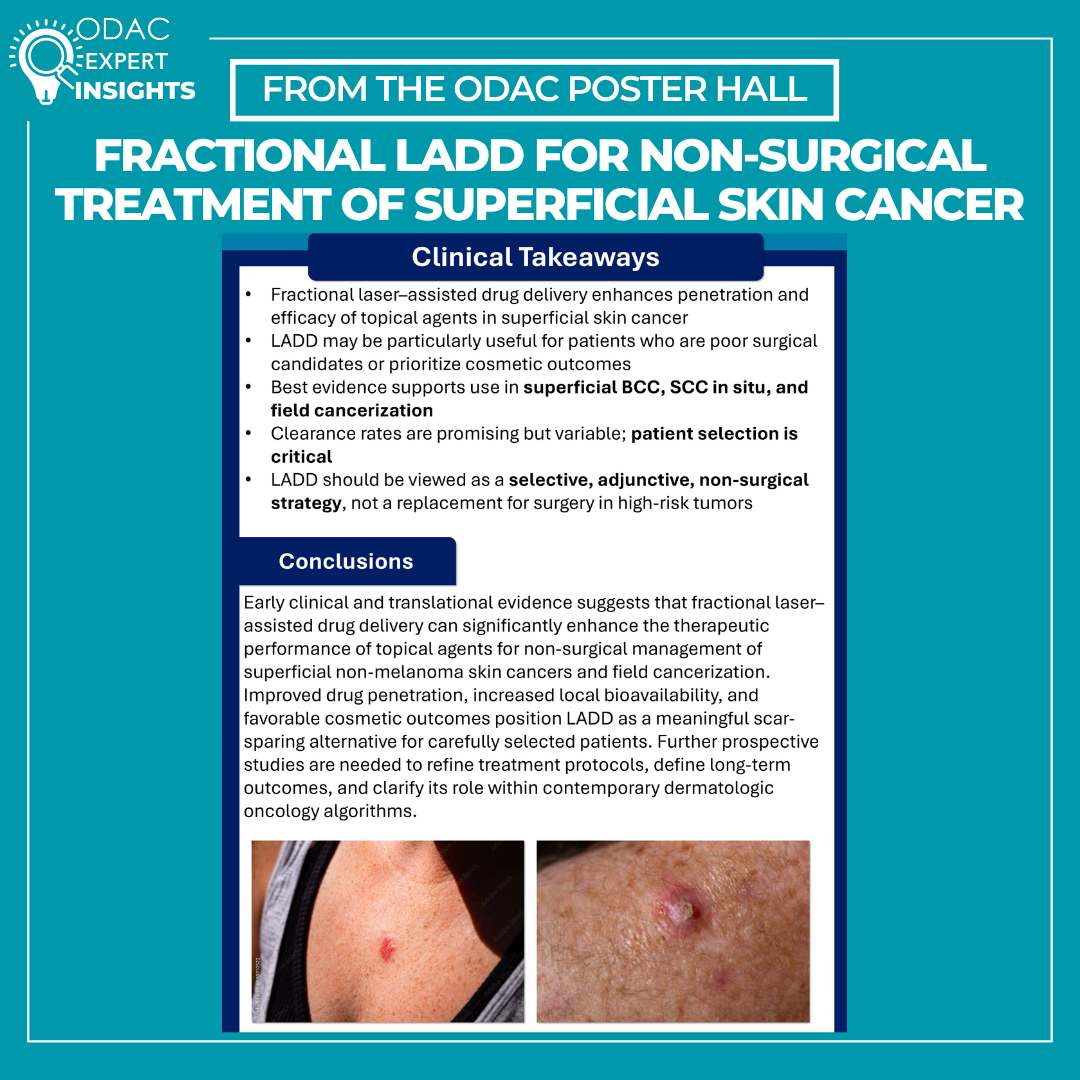 Surgery is the gold standard for skin cancer treatment, but sometimes surgery isn’t the best option. Perhaps the patient isn’t healthy enough or the patient simply refuses to go under the knife. Topical therapy is an alternative, but patient compliance is a concern. Enter fractional laser-assisted drug delivery (LADD): a non-surgical approach that enhances penetration of topical treatments, le …
  Ronda S. Farah, MD, FAAD, knows the impact of hair and scalp disorders on patients’ quality of life. Dr. Farah is an associate of professor of dermatology at the University of Minnesota and founder of Alluma Dermatology. For Dr. Farah, quality care begins with a thorough hair and scalp exam. In this Next Steps in Derm video interview, conducted in partnership with the ODAC Dermatology Conference …
  Dermatology clinicians have a plethora of treatment options to consider for their psoriasis patients, from topicals to phototherapy to systemics. Yet there’s a non-prescription, adjunctive strategy that clinicians may hesitate to broach in office visits for psoriasis. Research shows dietary strategies that reduce energy intake, such as a low-calorie diet or intermittent fasting, may reduce psori …