












Rosacea: Diagnosis, Phenotypes, and Practical Treatment Strategies
 Managing rosacea requires moving beyond quick, symptomatic fixes toward a comprehensive framework that addresses the entire scope of the disease. In a recent presentation, Adam Friedman, MD, FAAD—Professor and Chair of Dermatology at The George Washington University School of Medicine & Health Sciences—outlined an updated clinical approach to diagnosing and managing rosacea. From recognizi …
Managing rosacea requires moving beyond quick, symptomatic fixes toward a comprehensive framework that addresses the entire scope of the disease. In a recent presentation, Adam Friedman, MD, FAAD—Professor and Chair of Dermatology at The George Washington University School of Medicine & Health Sciences—outlined an updated clinical approach to diagnosing and managing rosacea. From recognizi … Continue reading "Rosacea: Diagnosis, Phenotypes, and Practical Treatment Strategies"
 The weight loss benefits of GLP-1 agonists have long been established, yet could these drugs have a secondary anti-inflammatory impact? Steven Daveluy, MD, FAAD, director of the Wayne State Dermatology Residency Program, gives the latest in GLP-1s in the treatment of hidradenitis suppurativa (HS) and psoriasis, in this Next Steps in Derm video interview, conducted in partnership with the ODAC Derm …
  While botulinum toxin is well-known as a treatment for acne scars, an article by Women’s Health profiles a lesser known approach: using botulinum toxin for preventing and treating acne. The article focuses on delivery of botulinum toxin via an Aquagold microinfusion treatment. Tiny channels are created in the skin’s superficial layers to deliver botulinum toxin and other beneficial ingredients …
  At Next Steps in Derm, our primary goal is to deliver the latest dermatology news, expert clinical insights, and actionable practical pearls that matter most to your practice and career. To make sure we keep delivering the content you care about, we need your input!
We are launching our annual reader survey to better understand your reading preferences, favorite topics, and how we can improve …
At Next Steps in Derm, our primary goal is to deliver the latest dermatology news, expert clinical insights, and actionable practical pearls that matter most to your practice and career. To make sure we keep delivering the content you care about, we need your input!
We are launching our annual reader survey to better understand your reading preferences, favorite topics, and how we can improve … 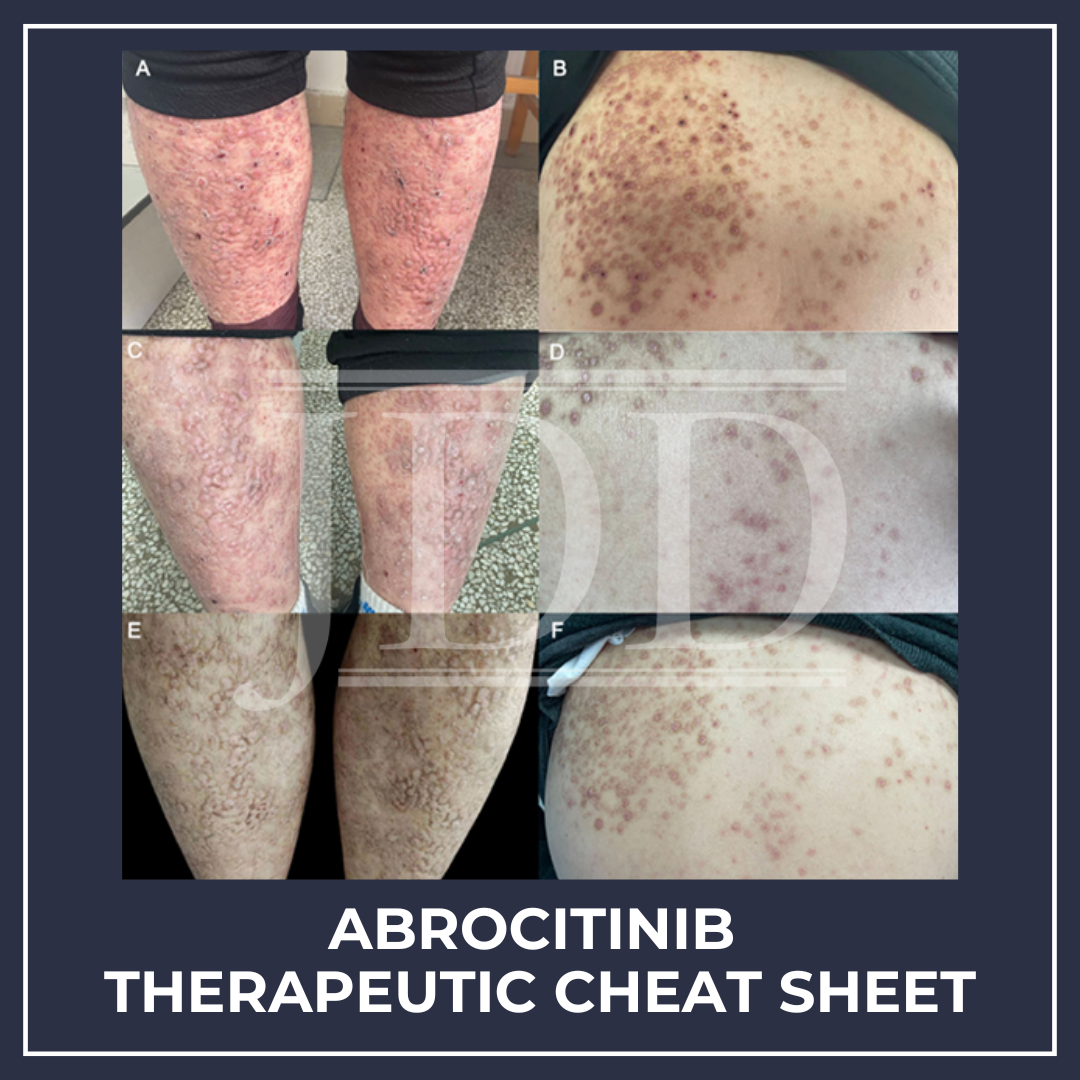 Abrocitinib is an oral, once-daily selective Janus kinase 1 (JAK1) inhibitor approved for moderate-to-severe atopic dermatitis. It can provide rapid improvement in pruritus and skin disease and is a useful treatment option for many patients. As an oral medication, it may also be preferred by patients who want to avoid injections. When prescribing abrocitinib, it is important to discuss laboratory …