












No Brainer Approaches to Neutrophilic Dermatoses
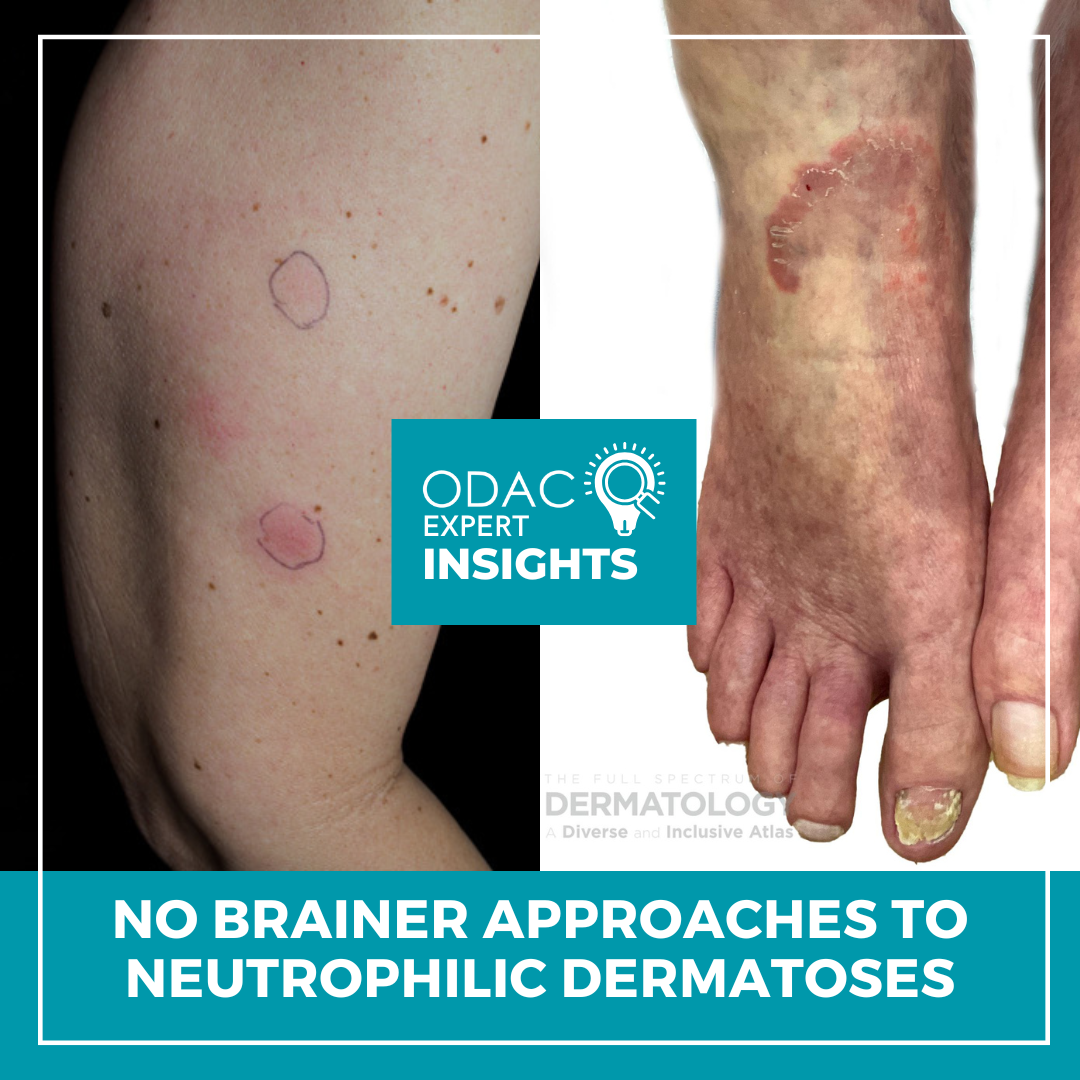 At the 2025 ODAC Dermatology conference, Dr. Anthony Fernandez, MD, PhD gave an informative presentation titled, No-Brainer Approaches to Neutrophilic Dermatoses. His presentation focused on discussing the clinical presentation, differential diagnosis considerations, and treatment options of pyoderma gangrenosum and Sweet syndrome.
Pyoderma Gangrenosum (PG)
Pyoderma gangrenosum typically present …
At the 2025 ODAC Dermatology conference, Dr. Anthony Fernandez, MD, PhD gave an informative presentation titled, No-Brainer Approaches to Neutrophilic Dermatoses. His presentation focused on discussing the clinical presentation, differential diagnosis considerations, and treatment options of pyoderma gangrenosum and Sweet syndrome.
Pyoderma Gangrenosum (PG)
Pyoderma gangrenosum typically present …
At the 2025 ODAC Dermatology conference, Dr. Anthony Fernandez, MD, PhD gave an informative presentation titled, No-Brainer Approaches to Neutrophilic Dermatoses. His presentation focused on discussing the clinical presentation, differential diagnosis considerations, and treatment options of pyoderma gangrenosum and Sweet syndrome.
Pyoderma Gangrenosum (PG)
Pyoderma gangrenosum typically present … Continue reading "No Brainer Approaches to Neutrophilic Dermatoses"
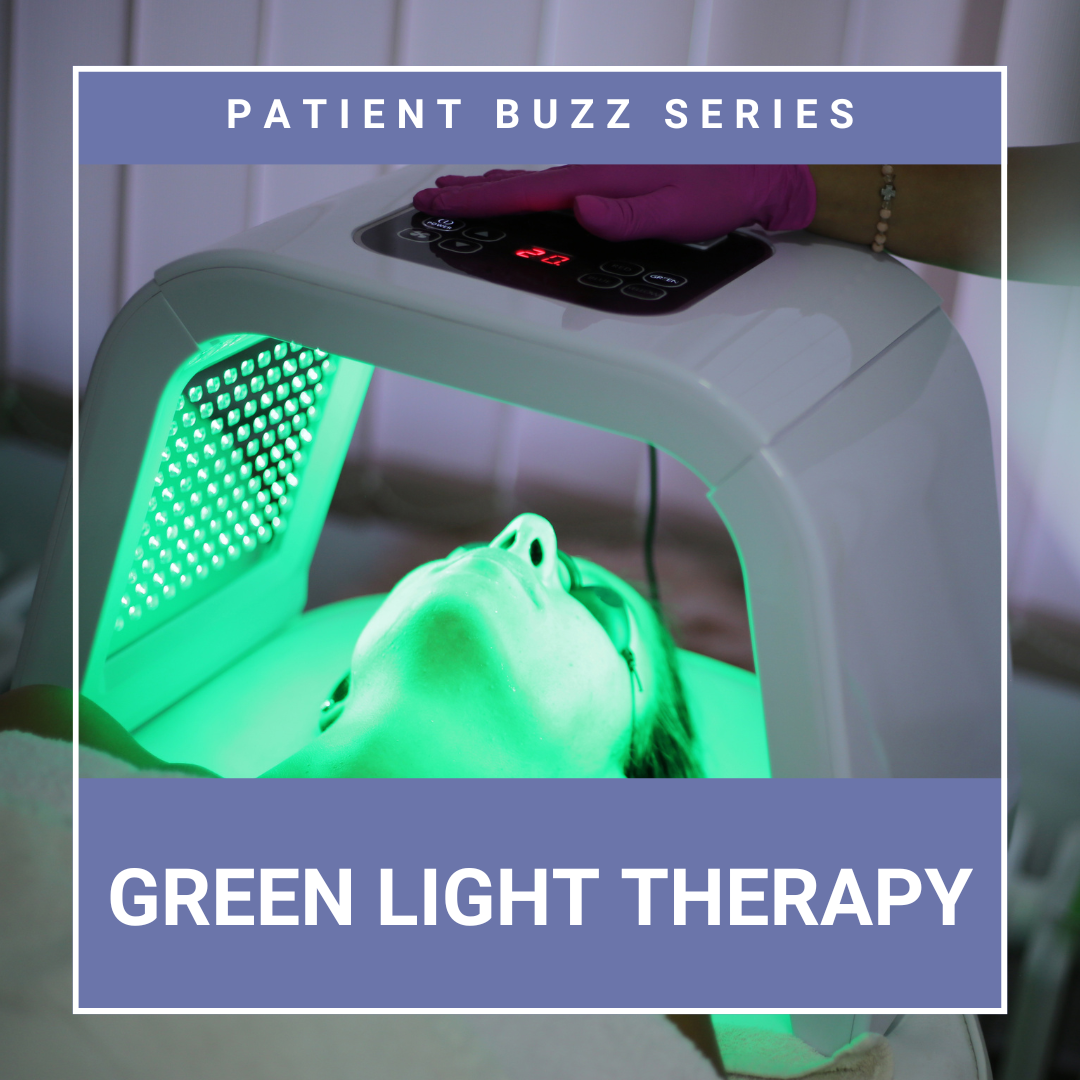 Light therapy has been making news in the consumer press for years, and there’s a new wavelength in the spotlight – green light. Women’s Health wrote about green light therapy, which emits at a range of 500-570nm, as a way to treat dark spots and inflammation. While this therapy is not commonly available in dermatologists’ offices and research is limited, some dermatologists are recommendi …
 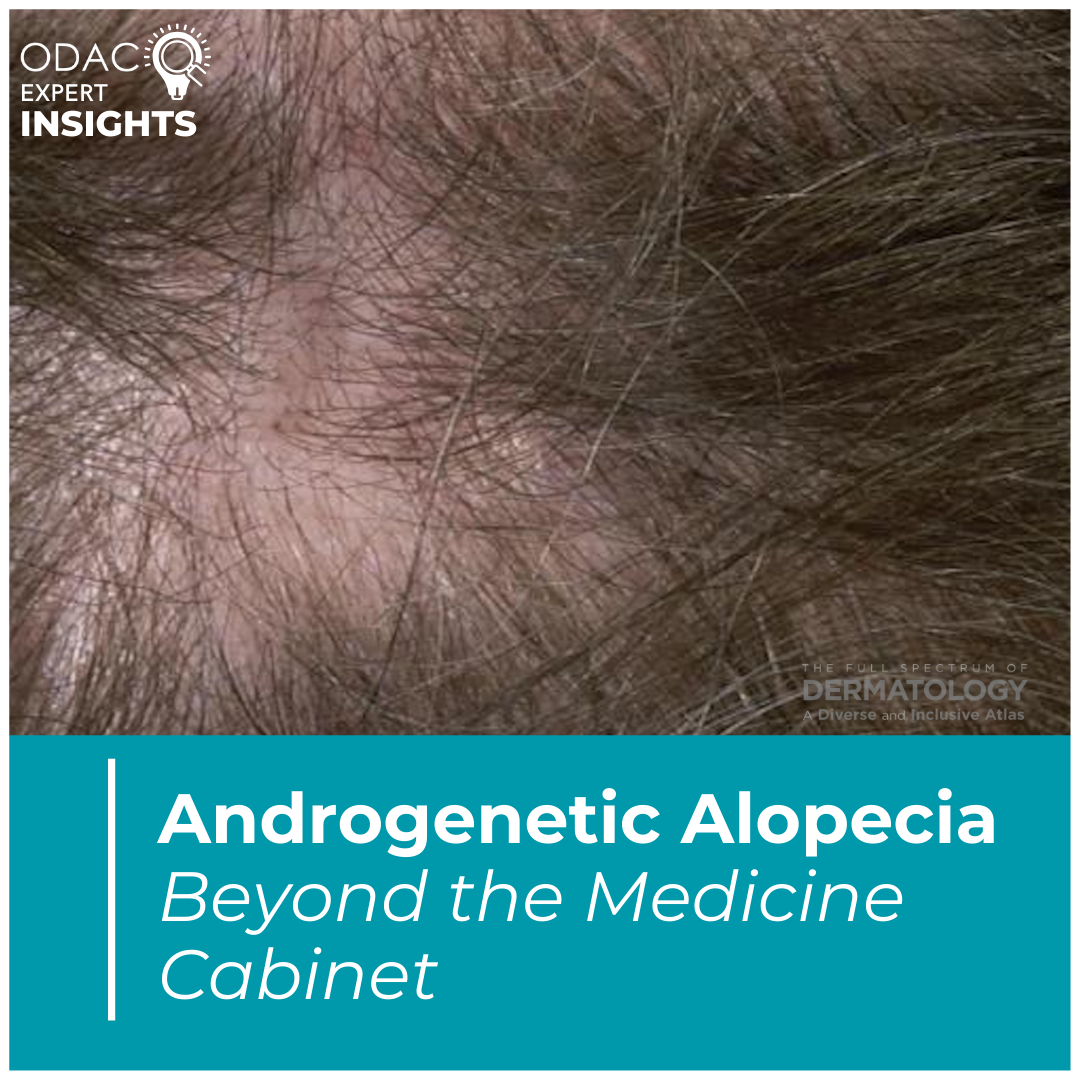 At the 2025 ODAC Dermatology Conference, we were delighted to learn about alternative treatments for androgenetic alopecia (AGA), presented by Dr. Terrence Keaney, Founder and Director of SkinDC and Clinical Associate Professor of Dermatology at The George Washington University School of Medicine and Health Sciences.
In recent times, there has been an exponential growth of interest from the pat …
At the 2025 ODAC Dermatology Conference, we were delighted to learn about alternative treatments for androgenetic alopecia (AGA), presented by Dr. Terrence Keaney, Founder and Director of SkinDC and Clinical Associate Professor of Dermatology at The George Washington University School of Medicine and Health Sciences.
In recent times, there has been an exponential growth of interest from the pat … 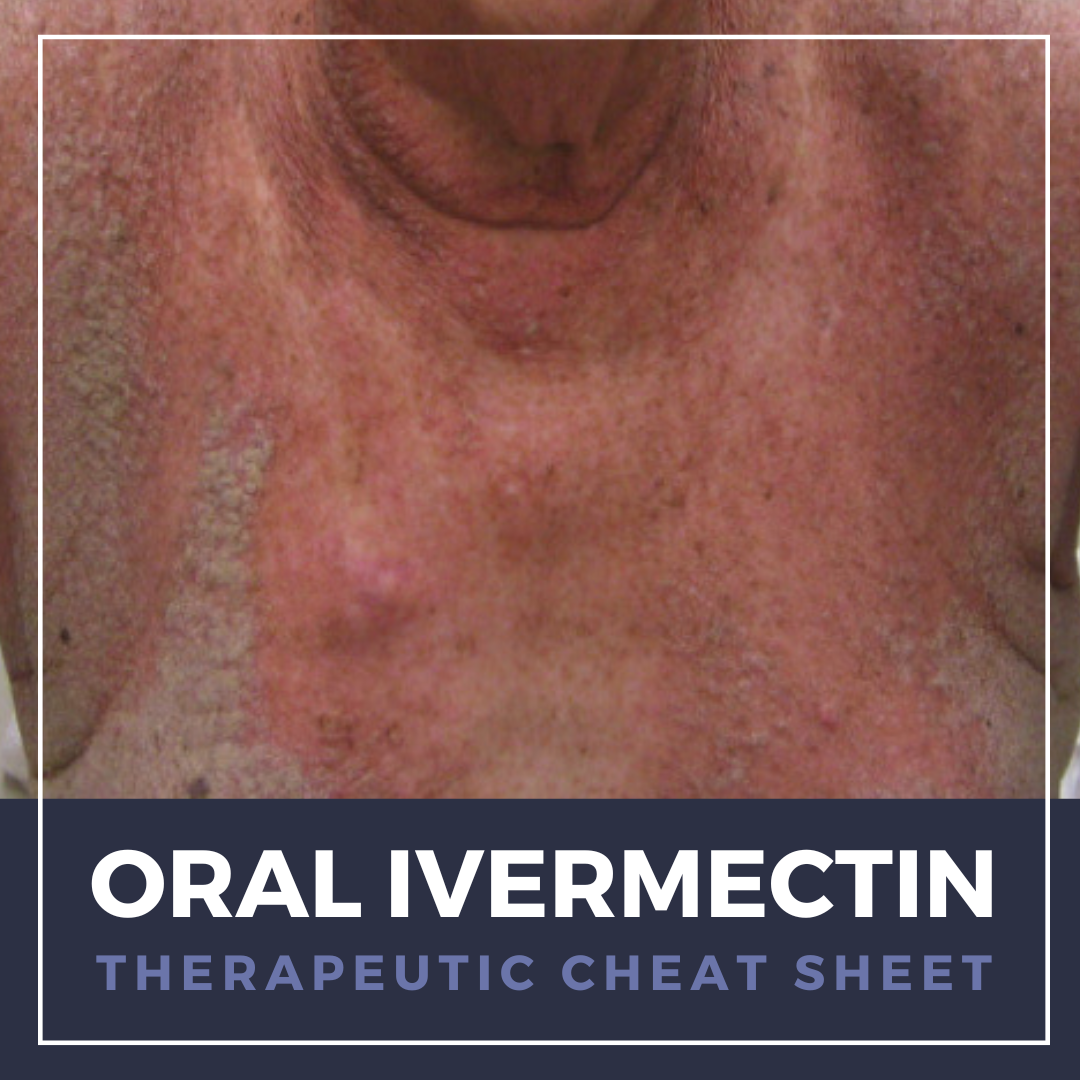 Ivermectin is a semi-synthetic derivative of avermectins, a class of macrocyclic lactones with broad-spectrum anti-parasitic effects. Its unique mechanism of action, favorable safety profile, and anti-inflammatory properties make ivermectin invaluable in the treatment of a wide range of cutaneous parasitic infestations, including scabies. We continue our series, Therapeutic Cheat Sheet, with a cl …
 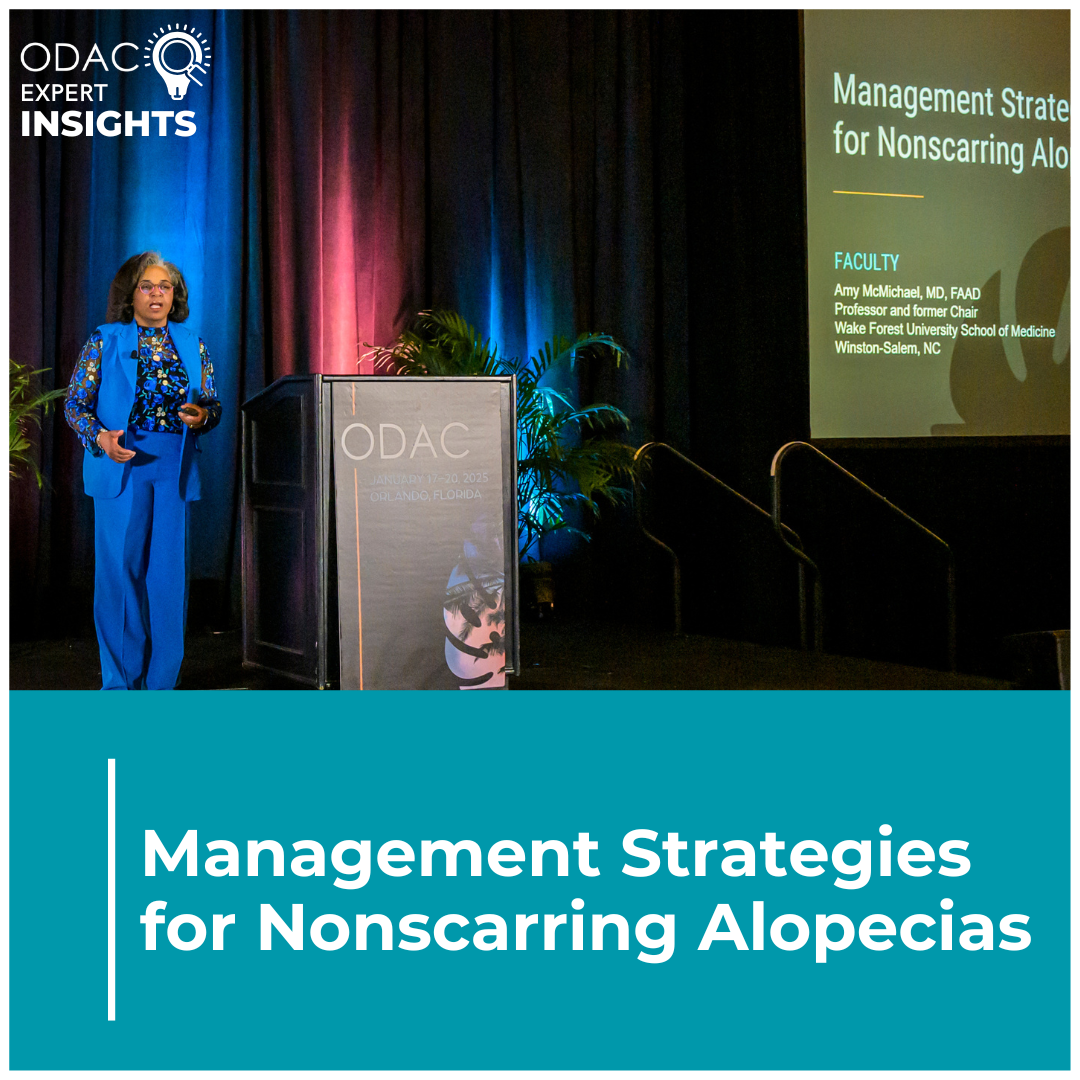 At the 2025 ODAC Dermatology Conference, Dr. Amy McMichael, distinguished professor of dermatology at Wake Forest University School of Medicine, shared her expertise on “Management Strategies for Nonscarring Alopecias.” She focused on pattern hair loss and alopecia areata, weaving in evidence and practical pearls.
Pattern Hair Loss
Dr. McMichael discussed important management considerations …
At the 2025 ODAC Dermatology Conference, Dr. Amy McMichael, distinguished professor of dermatology at Wake Forest University School of Medicine, shared her expertise on “Management Strategies for Nonscarring Alopecias.” She focused on pattern hair loss and alopecia areata, weaving in evidence and practical pearls.
Pattern Hair Loss
Dr. McMichael discussed important management considerations …