












Rethinking Prurigo Nodularis: From Neural Sensitization to Targeted Therapies
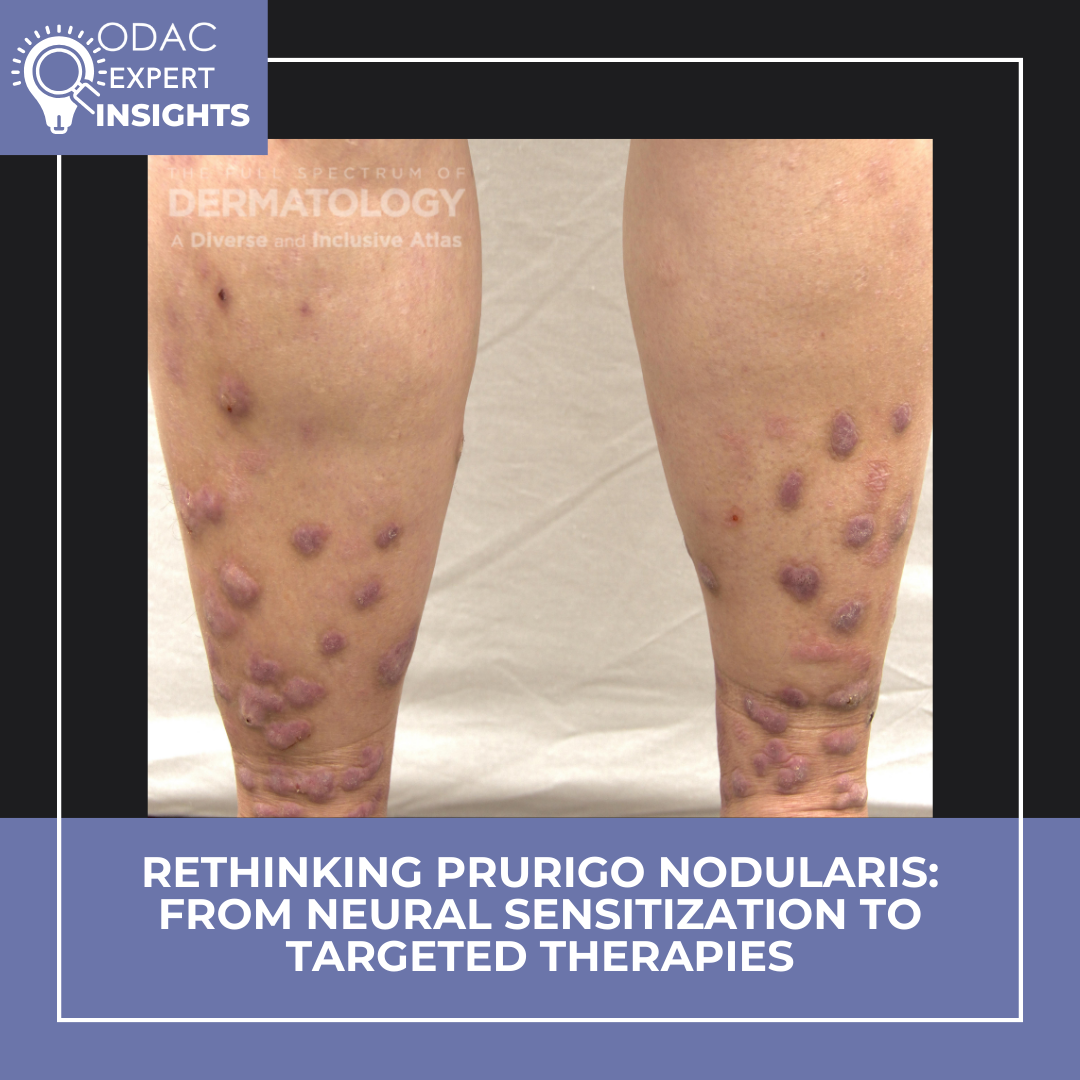 At the 2026 ODAC Dermatology conference, Dr. Adam Friedman opened his session on prurigo nodularis (PN) with a patient case that felt familiar to many of us. A patient with multiple nodules, relentless itch, and one central question. Why is this happening?
This patient case reminds us that prurigo nodularis is not simply the result of scratching or a sequela of another inflammatory disease. It …
At the 2026 ODAC Dermatology conference, Dr. Adam Friedman opened his session on prurigo nodularis (PN) with a patient case that felt familiar to many of us. A patient with multiple nodules, relentless itch, and one central question. Why is this happening?
This patient case reminds us that prurigo nodularis is not simply the result of scratching or a sequela of another inflammatory disease. It …
At the 2026 ODAC Dermatology conference, Dr. Adam Friedman opened his session on prurigo nodularis (PN) with a patient case that felt familiar to many of us. A patient with multiple nodules, relentless itch, and one central question. Why is this happening?
This patient case reminds us that prurigo nodularis is not simply the result of scratching or a sequela of another inflammatory disease. It … Continue reading "Rethinking Prurigo Nodularis: From Neural Sensitization to Targeted Therapies"
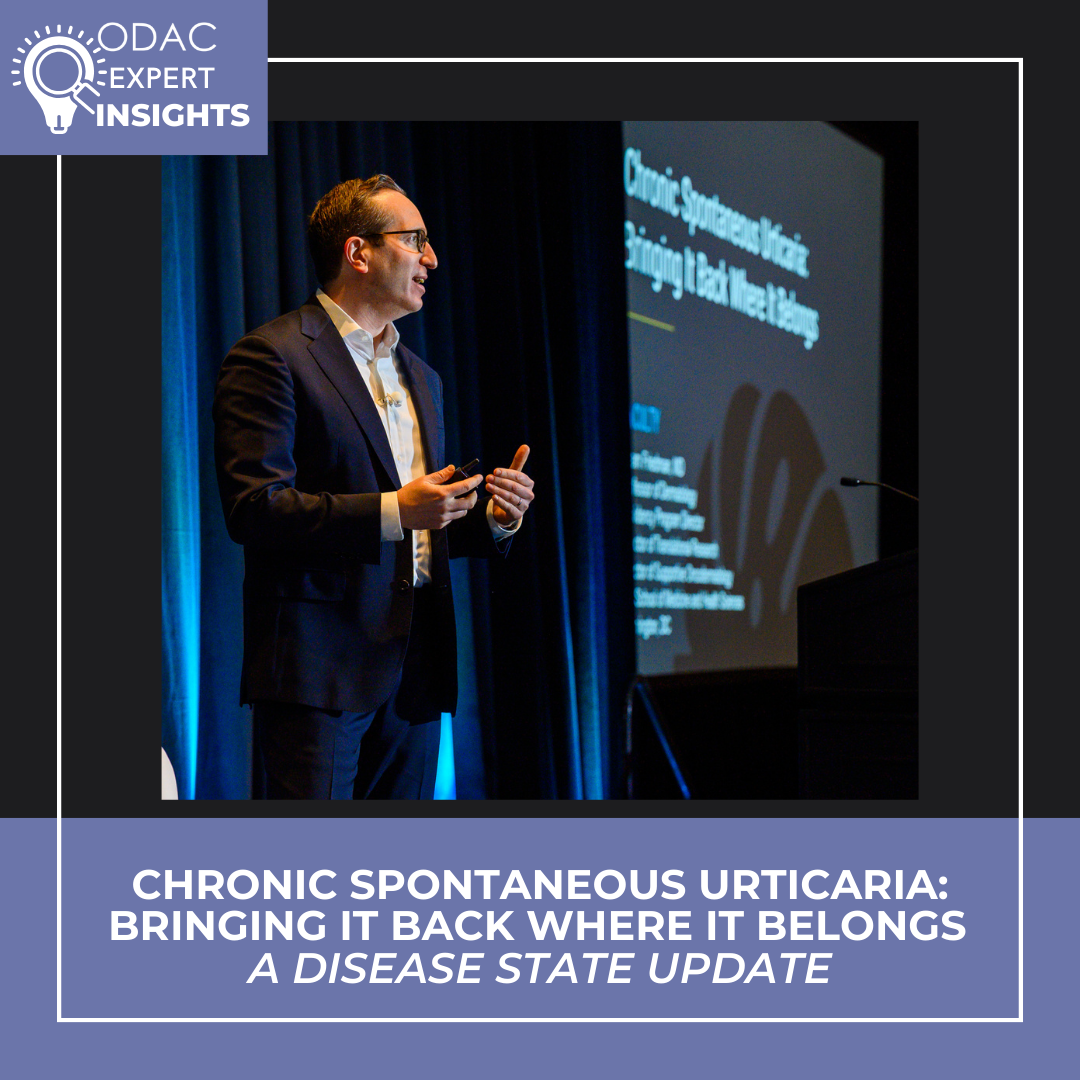 At the 2026 ODAC Dermatology Conference, we had the privilege of learning about chronic spontaneous urticaria (CSU) from Dr. Adam Friedman, MD, FAAD, Professor and Chair of Dermatology at The George Washington University School of Medicine. CSU can be a maddening, exhausting condition for patients, with a relapsing disease course and without identifiable triggers. Given that symptoms are often abs …
 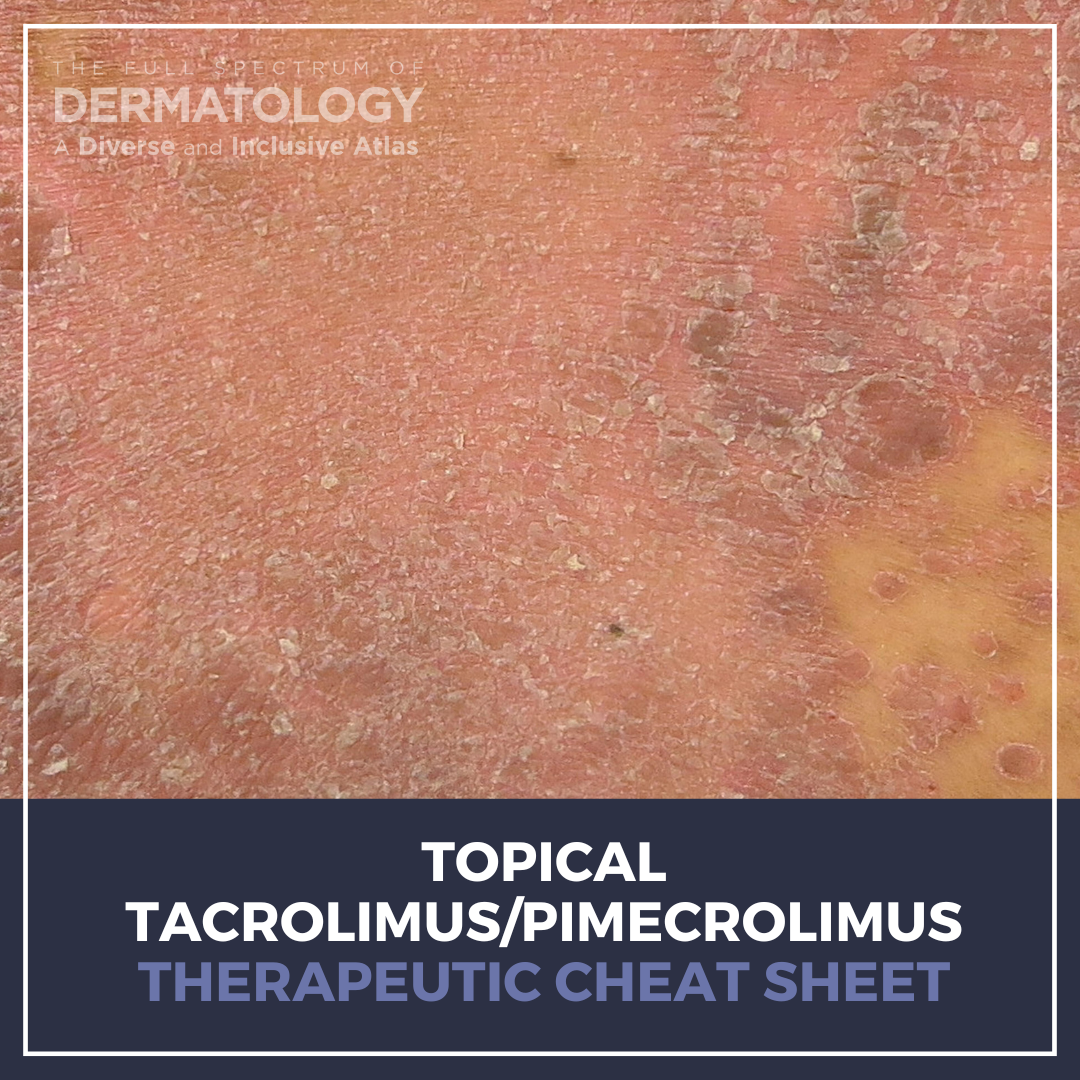 Tacrolimus and Pimecrolimus are both calcineurin inhibitors FDA-approved for atopic dermatitis. However, their topical use offers steroid-sparing benefits for a wide variety of other inflammatory dermatologic conditions. Tacrolimus was discovered in 1984 from the soil bacterium Streptomyces tsukubaensis and was originally FDA approved in 1994 as a systemic immunosuppressant for organ transplanta …
  Originally published May 26, 2021; updated February 23, 2026 by the Next Steps in Derm Editorial Team with refreshed links and expanded guidance on treating nail disorders.
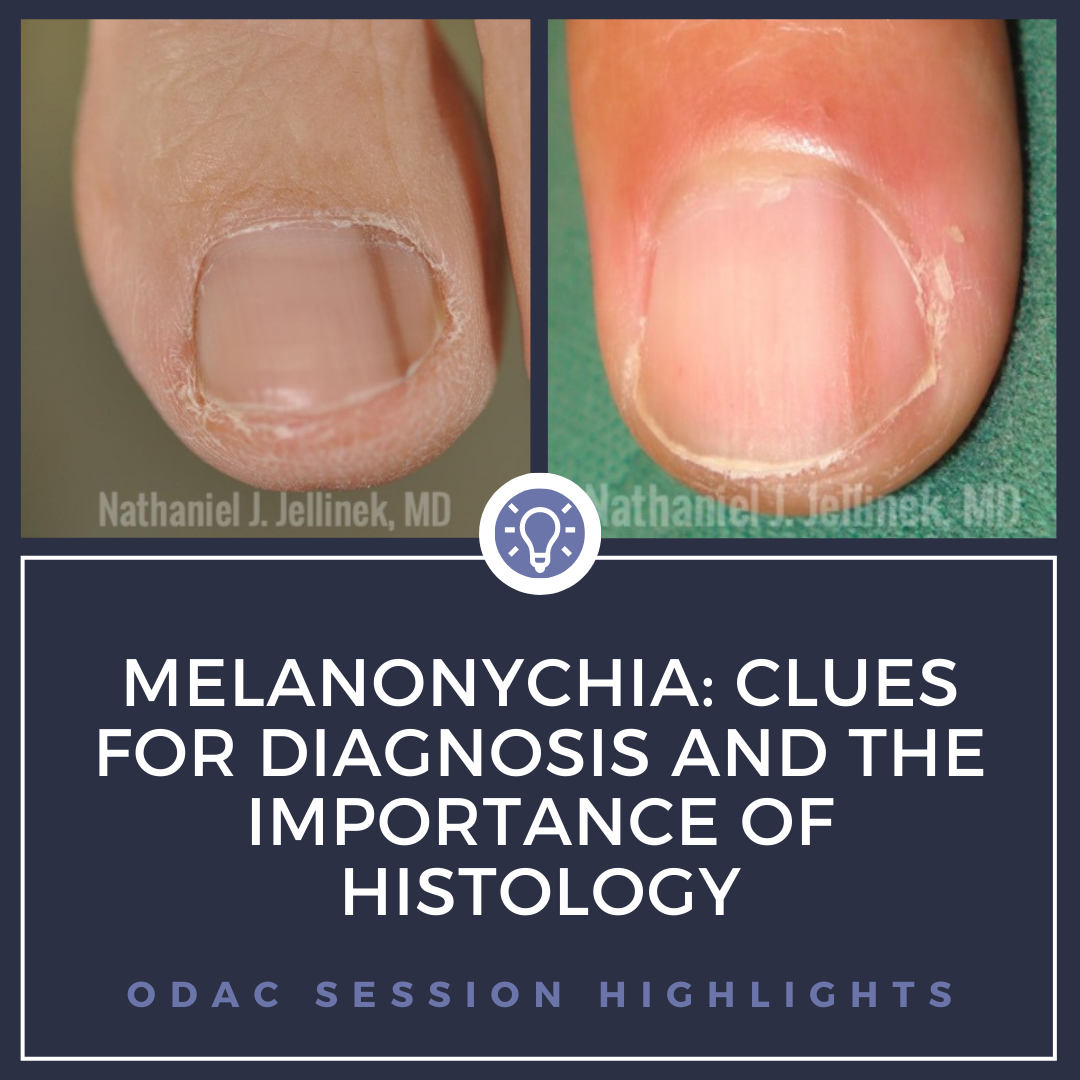
Just as pigmented lesions on the skin can vary widely from freckles to lentigines to nevi to melanoma, similar pigmented lesions can be seen in nails. Melanonychia, brown …
Originally published May 26, 2021; updated February 23, 2026 by the Next Steps in Derm Editorial Team with refreshed links and expanded guidance on treating nail disorders.
Just as pigmented lesions on the skin can vary widely from freckles to lentigines to nevi to melanoma, similar pigmented lesions can be seen in nails. Melanonychia, brown …  Cultural sensitivity is needed in order to provide practical advice to pediatric patients experiencing traction alopecia, according to Dr. Brandi Kenner-Bell, associate professor of dermatology and pediatrics at Northwestern University Feinberg School of Medicine. Next Steps in Derm, in partnership with Skin of Color Update, interviewed Dr. Kenner-Bell, who says it’s important for clinicians to …