












The Pediatric Dermatologist’s View of Pediatric Vitiligo
 “Try to do something” is Dr. Candrice R. Heath’s motto for clinicians when treating pediatric vitiligo. Next Steps in Derm, in partnership with Skin of Color Update, interviewed Dr. Heath, associate professor of dermatology at Howard University. Watch as Dr. Heath provides insight as a pediatric dermatologist into treating vitiligo in children. Learn why understanding the parent and patient …
“Try to do something” is Dr. Candrice R. Heath’s motto for clinicians when treating pediatric vitiligo. Next Steps in Derm, in partnership with Skin of Color Update, interviewed Dr. Heath, associate professor of dermatology at Howard University. Watch as Dr. Heath provides insight as a pediatric dermatologist into treating vitiligo in children. Learn why understanding the parent and patient … Continue reading "The Pediatric Dermatologist’s View of Pediatric Vitiligo"
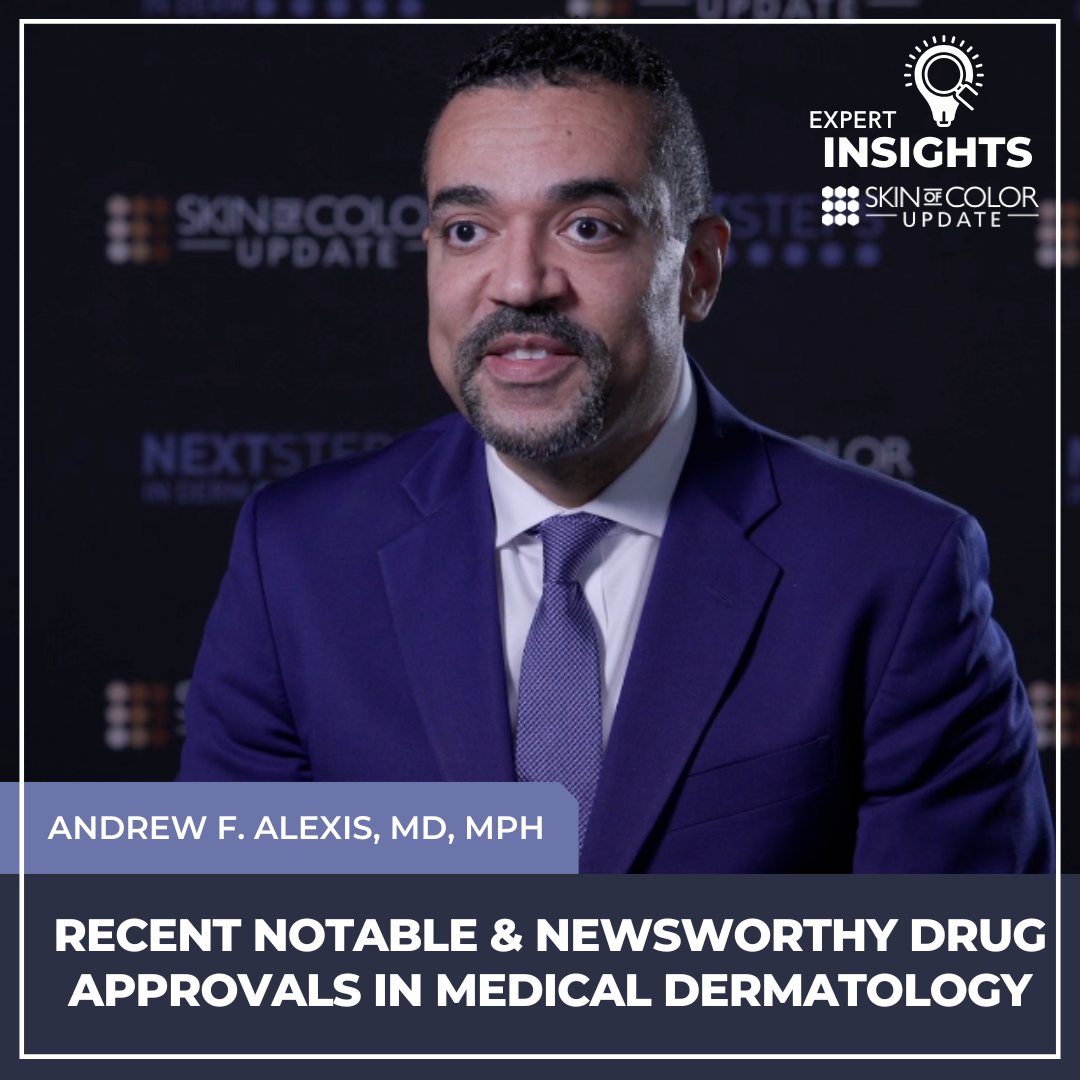 The past year has been an extraordinary time in drug approvals in medical dermatology, especially the approval of treatments that impact patients with skin of color, according to Dr. Andrew F. Alexis, co-chair of Skin of Color Update. Next Steps in Derm, in partnership with Skin of Color Update, interviewed Dr. Alexis, who is also vice-chair for diversity and inclusion for the Weill Cornell Medica …
  There are lots of tools in the tool box that dermatology clinicians can use in laser-assisted drug delivery (LADD), according to Dr. Jill Waibel, chief of dermatology at Baptist Hospital and clinical voluntary assistant professor at the University of Miami Miller School of Medicine. Watch as Dr. Waibel shares one of the heroes of LADD used to prevent and treat hyperpigmentation. Learn how a drug u …
 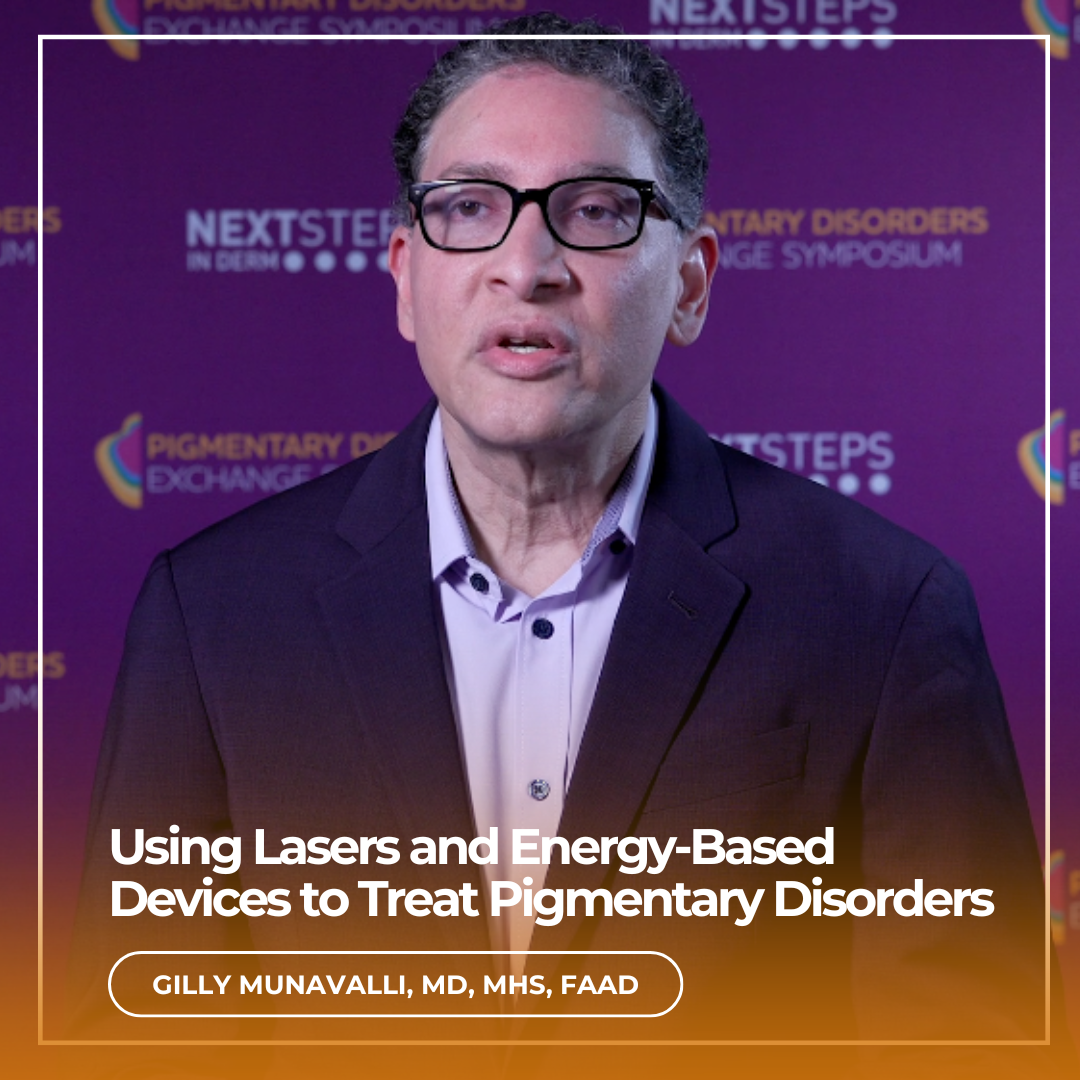 Pigmentary distress impacts people of all skin types, according to Dr. Gilly Munavalli, associate clinical professor of dermatology at Wake Forest University School of Medicine. In an interview with Next Steps in Derm, in partnership with Pigmentary Disorders Exchange Symposium, Dr. Munavalli shares how to use lasers and energy-based devices to treat pigmentary disorders. Find out what Dr. Munaval …
 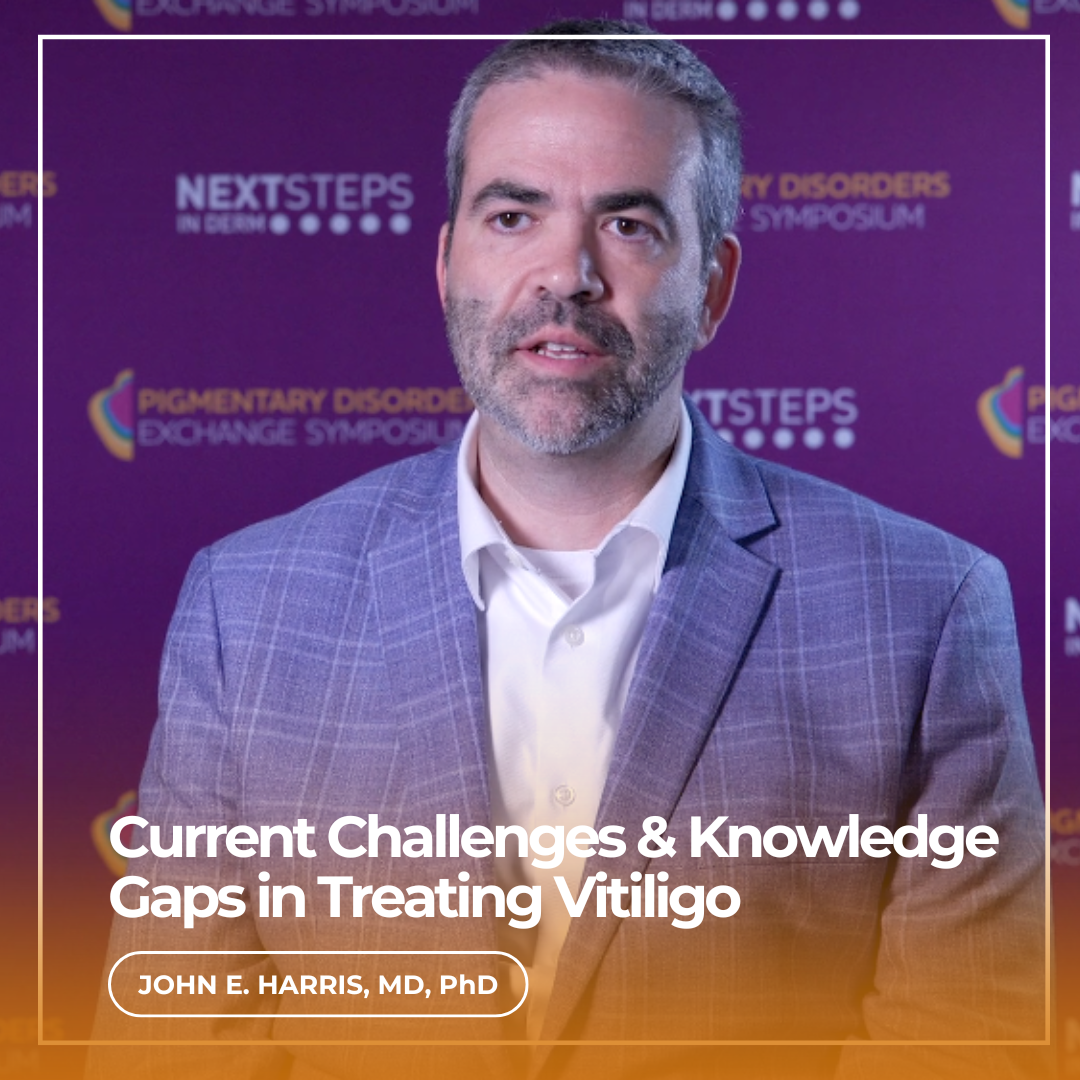 Dr. John Harris, professor and chair of the dermatology department at UMass Chan Medical School, shared current challenges and knowledge gaps in treating pigmentary disorders in an interview with Next Steps in Derm, in partnership with Pigmentary Disorders Exchange Symposium. Watch as Dr. Harris explains how these knowledge gaps impact the patient’s experience, including their expectations of vi …