












Pediatric Verrucous Psoriasis: A Case Report in a Pediatric Patient
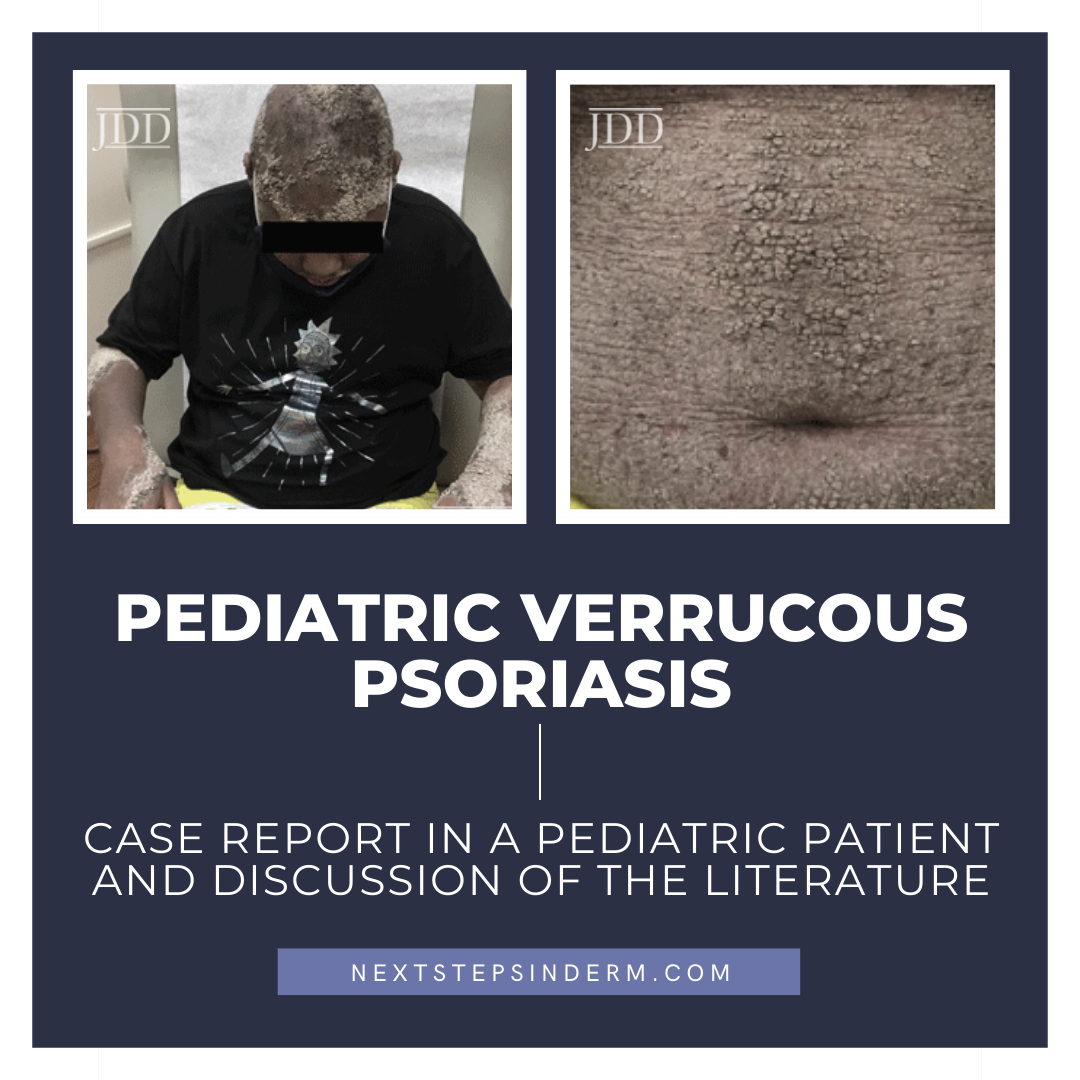 Verrucous psoriasis (VP) is a rare histologic variant of psoriasis. To date, fewer than 40 cases have been reported, with pediatric cases representing an exceedingly small fraction. Treatment options are limited, and the disease is often refractory to conventional methods. Herein, JDD authors Samantha Sherkin OMS-IV, Christian Summa OMS-IV, David Crasto DO, Zackary Whitney DO, Lazlo Karai MD PhD,� …
Verrucous psoriasis (VP) is a rare histologic variant of psoriasis. To date, fewer than 40 cases have been reported, with pediatric cases representing an exceedingly small fraction. Treatment options are limited, and the disease is often refractory to conventional methods. Herein, JDD authors Samantha Sherkin OMS-IV, Christian Summa OMS-IV, David Crasto DO, Zackary Whitney DO, Lazlo Karai MD PhD,� … Continue reading "Pediatric Verrucous Psoriasis: A Case Report in a Pediatric Patient"
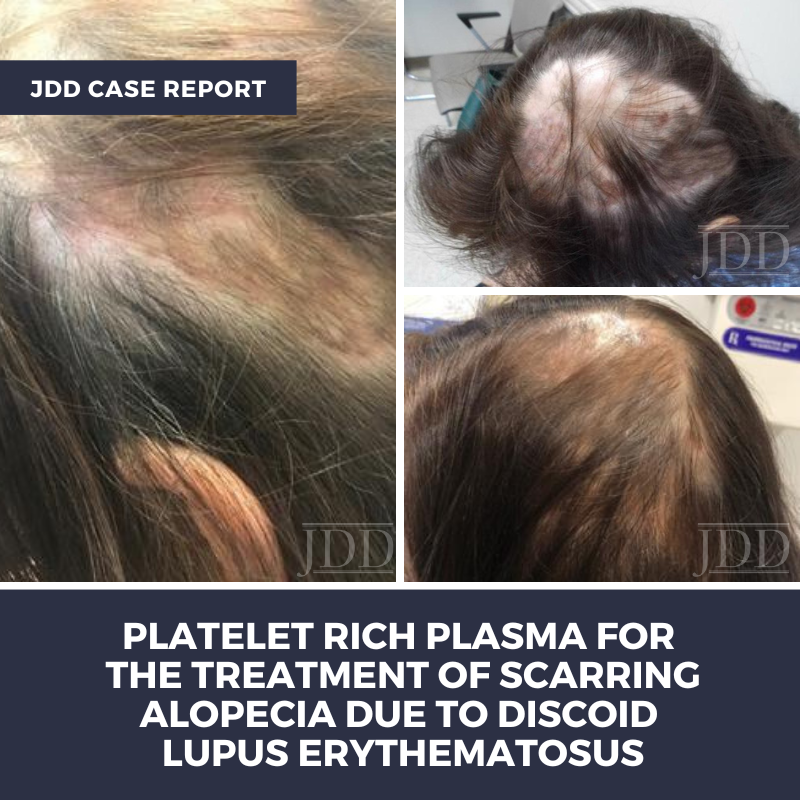 JDD authors Hannah Polster MD, Karen Kagha MD, and Janiene Luke MD report a case of platelet rich plasma for the treatment of scarring alopecia due to discoid lupus erythematosus.
Platelet-rich plasma (PRP) is an autologous concentration of plasma from a patient's blood containing platelets up to 7 times higher than normal plasma.1 Originally indicated to improve connective tissue regeneratio …
JDD authors Hannah Polster MD, Karen Kagha MD, and Janiene Luke MD report a case of platelet rich plasma for the treatment of scarring alopecia due to discoid lupus erythematosus.
Platelet-rich plasma (PRP) is an autologous concentration of plasma from a patient's blood containing platelets up to 7 times higher than normal plasma.1 Originally indicated to improve connective tissue regeneratio … 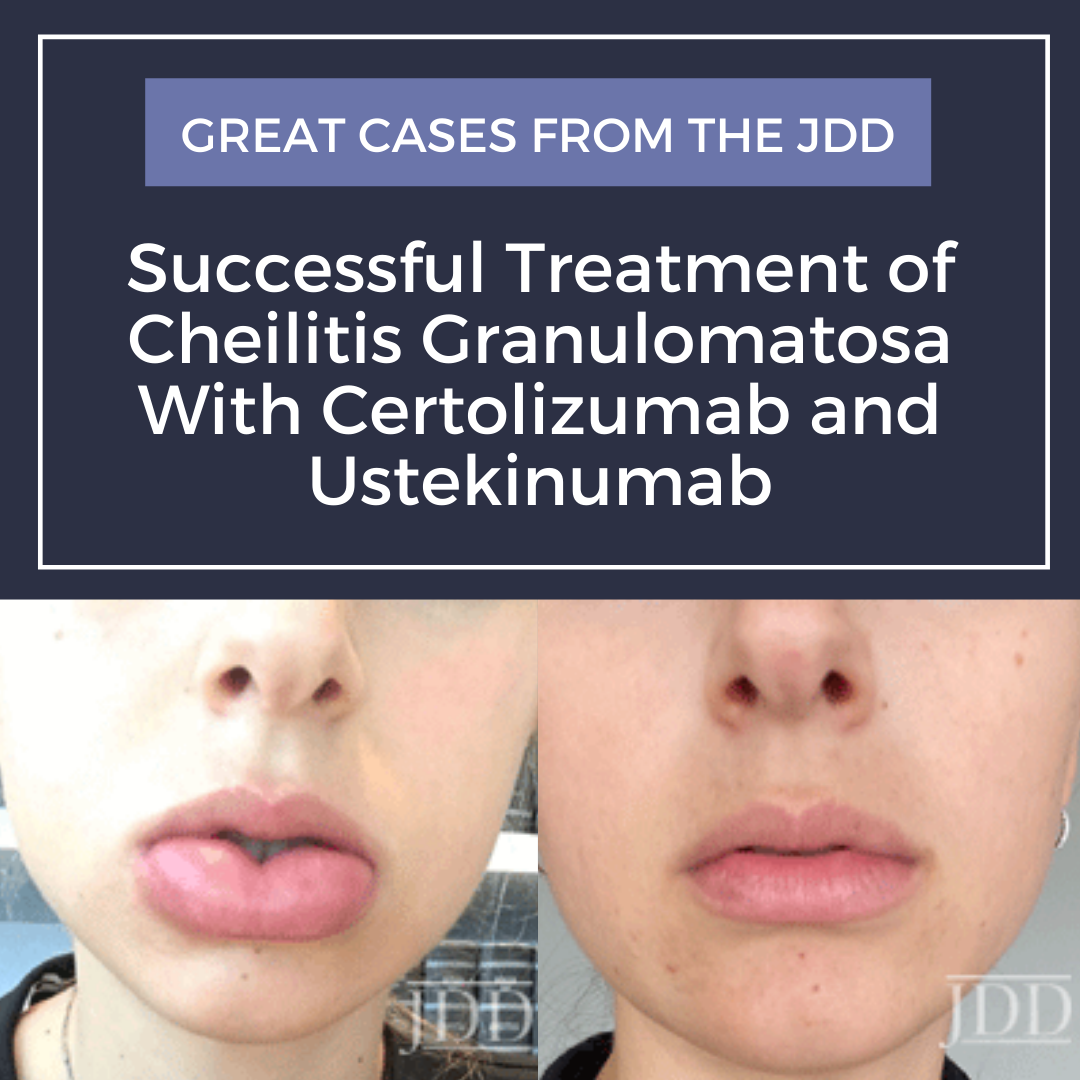 INTRODUCTION
Cheilitis granulomatosa (CG) is a subtype of orofacial granulomatosis that results in facial and oral swelling in the absence of non-caseating granulomatous systemic diseases such as Crohn’s and sarcoidosis.1 With concurrent facial palsy and a plicated tongue, the condition is referred to as Melkersson-Rosenthal syndrome.1,2 Both CG and Melkersson-Rosenthal syndrome are in the …
INTRODUCTION
Cheilitis granulomatosa (CG) is a subtype of orofacial granulomatosis that results in facial and oral swelling in the absence of non-caseating granulomatous systemic diseases such as Crohn’s and sarcoidosis.1 With concurrent facial palsy and a plicated tongue, the condition is referred to as Melkersson-Rosenthal syndrome.1,2 Both CG and Melkersson-Rosenthal syndrome are in the … 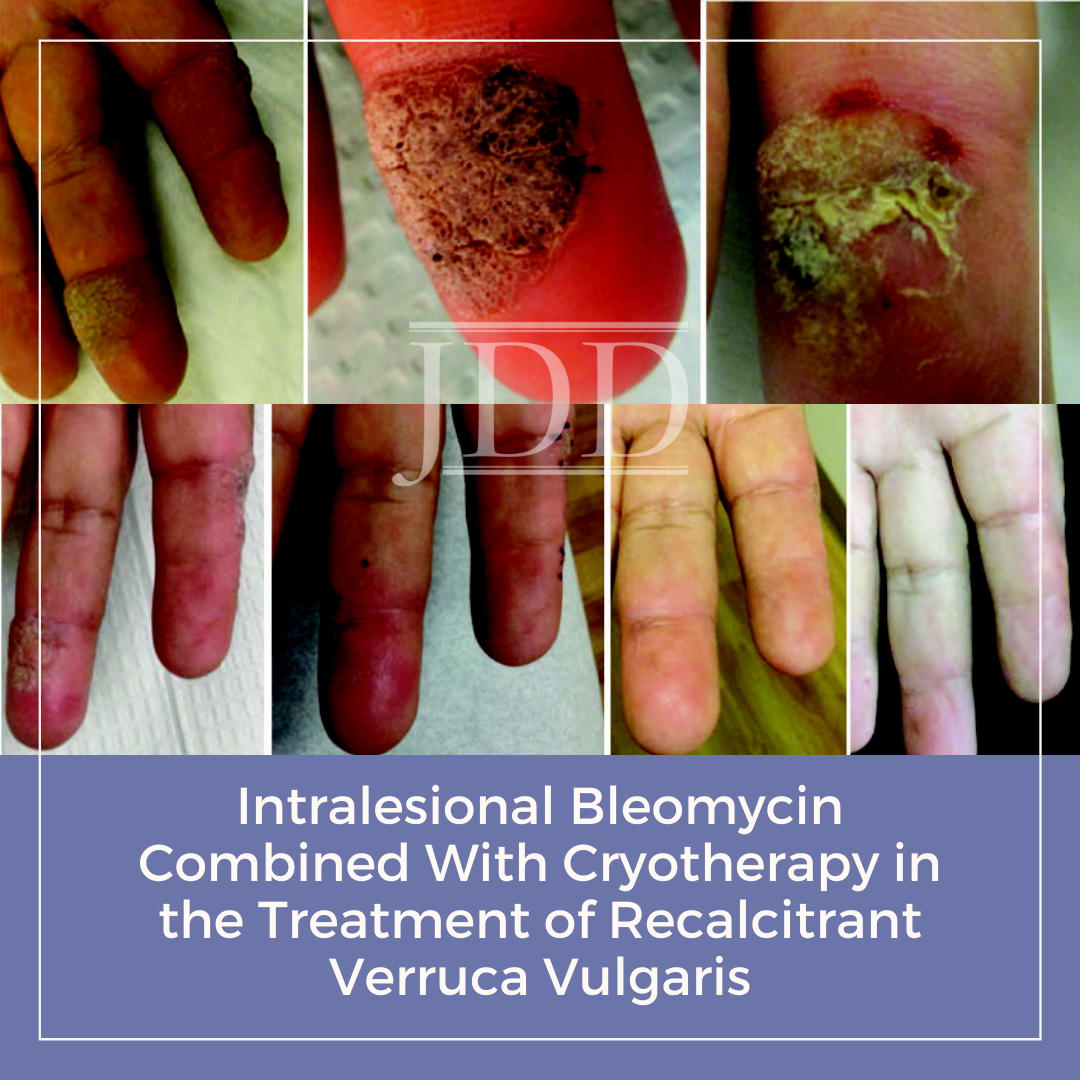 Verruca vulgaris is a common cutaneous manifestation of Human Papillomavirus (HPV) infection that presents as hyperkeratotic, cauliflower-like papules with central black petechiae. These lesions may be resistant to conventional therapies, posing a therapeutic challenge and prolong significant morbidity for the patient. This case report demonstrates an immediate and robust response of recalcitrant …
  Telogen effluvium (TE) – a common cause of non- scarring hair loss – is managed with varying clinical protocols given the paucity of evidence-based practices.
INTRODUCTION
Telogen effluvium (TE) – a common cause of non-scarring hair loss – is managed with varying clinical protocols given the paucity of evidence-based practices. While endocrine, vitamin, and mineral abnormalities …
Telogen effluvium (TE) – a common cause of non- scarring hair loss – is managed with varying clinical protocols given the paucity of evidence-based practices.
INTRODUCTION
Telogen effluvium (TE) – a common cause of non-scarring hair loss – is managed with varying clinical protocols given the paucity of evidence-based practices. While endocrine, vitamin, and mineral abnormalities …