



















Friday Pop Quiz 9/4/2026
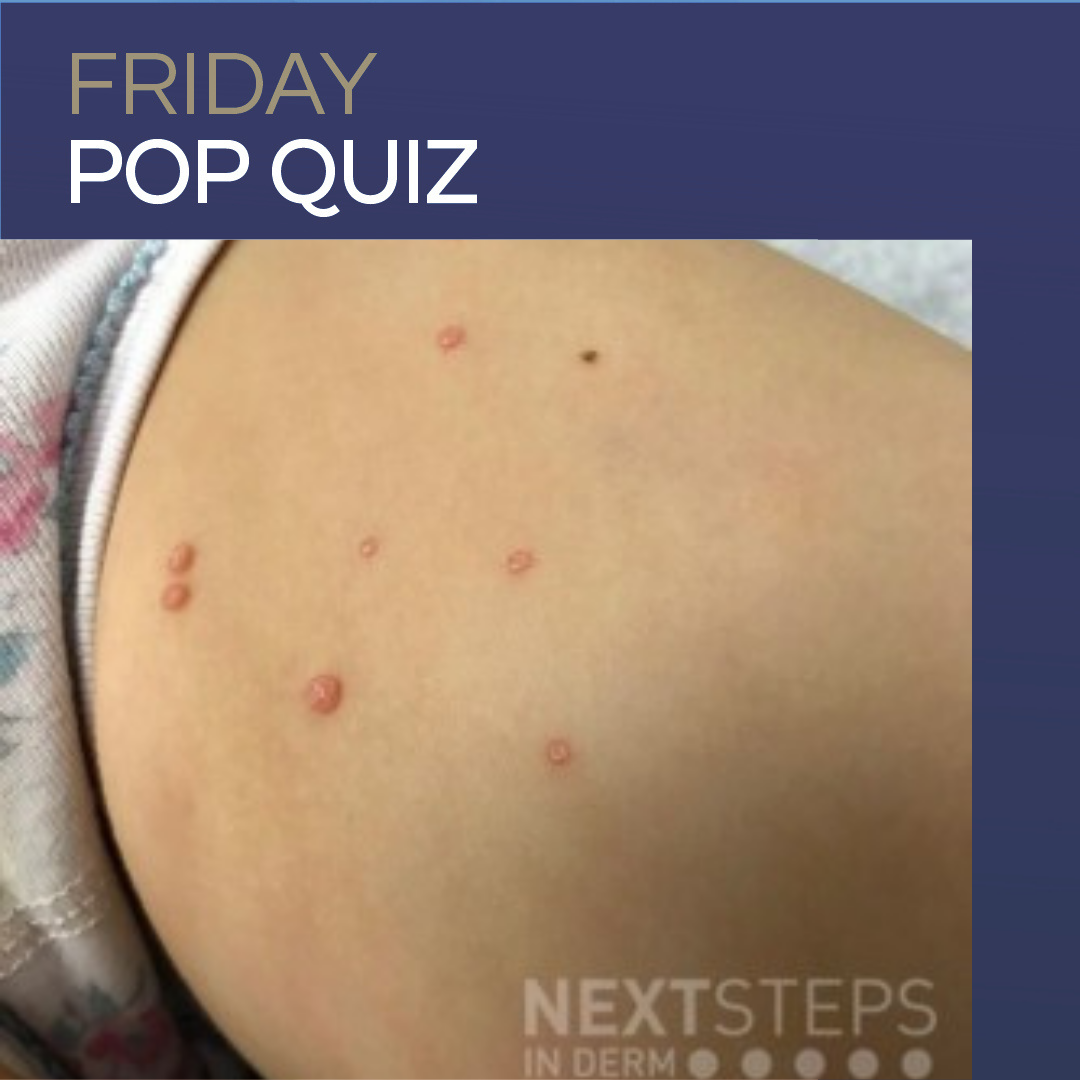 What is the causative agent of the condition depicted in the image?
A. Herpesvirus
B. Adenovirus
C. Papillomavirus
D. Parvovirus
E. Poxvirus
To find out the correct answer and read the explanation, click here. …
What is the causative agent of the condition depicted in the image?
A. Herpesvirus
B. Adenovirus
C. Papillomavirus
D. Parvovirus
E. Poxvirus
To find out the correct answer and read the explanation, click here. …
What is the causative agent of the condition depicted in the image?
A. Herpesvirus
B. Adenovirus
C. Papillomavirus
D. Parvovirus
E. Poxvirus
To find out the correct answer and read the explanation, click here. …  At Next Steps in Derm, our primary goal is to deliver the latest dermatology news, expert clinical insights, and actionable practical pearls that matter most to your practice and career. To make sure we keep delivering the content you care about, we need your input!
We are launching our annual reader survey to better understand your reading preferences, favorite topics, and how we can improve …
At Next Steps in Derm, our primary goal is to deliver the latest dermatology news, expert clinical insights, and actionable practical pearls that matter most to your practice and career. To make sure we keep delivering the content you care about, we need your input!
We are launching our annual reader survey to better understand your reading preferences, favorite topics, and how we can improve … 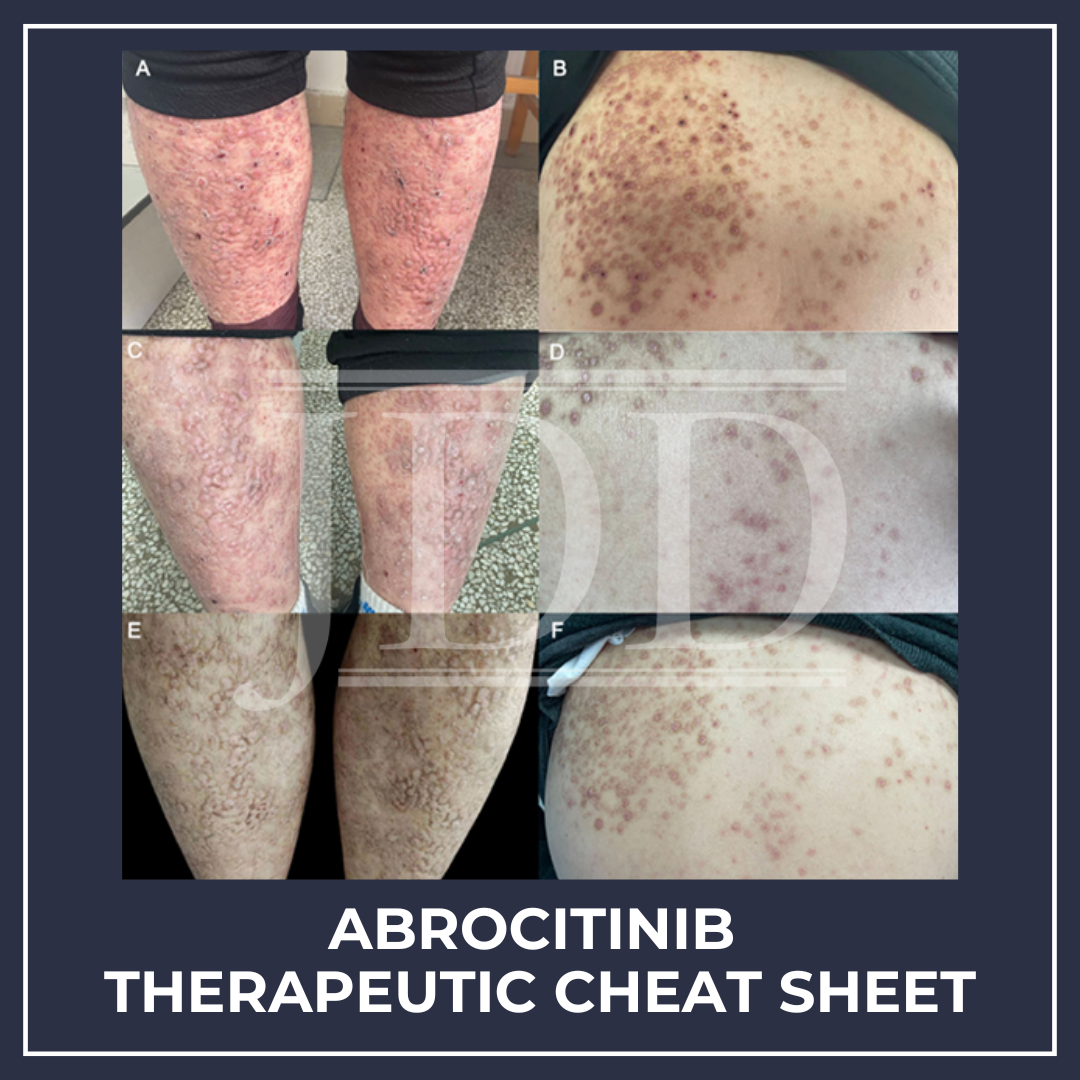 Abrocitinib is an oral, once-daily selective Janus kinase 1 (JAK1) inhibitor approved for moderate-to-severe atopic dermatitis. It can provide rapid improvement in pruritus and skin disease and is a useful treatment option for many patients. As an oral medication, it may also be preferred by patients who want to avoid injections. When prescribing abrocitinib, it is important to discuss laboratory …
 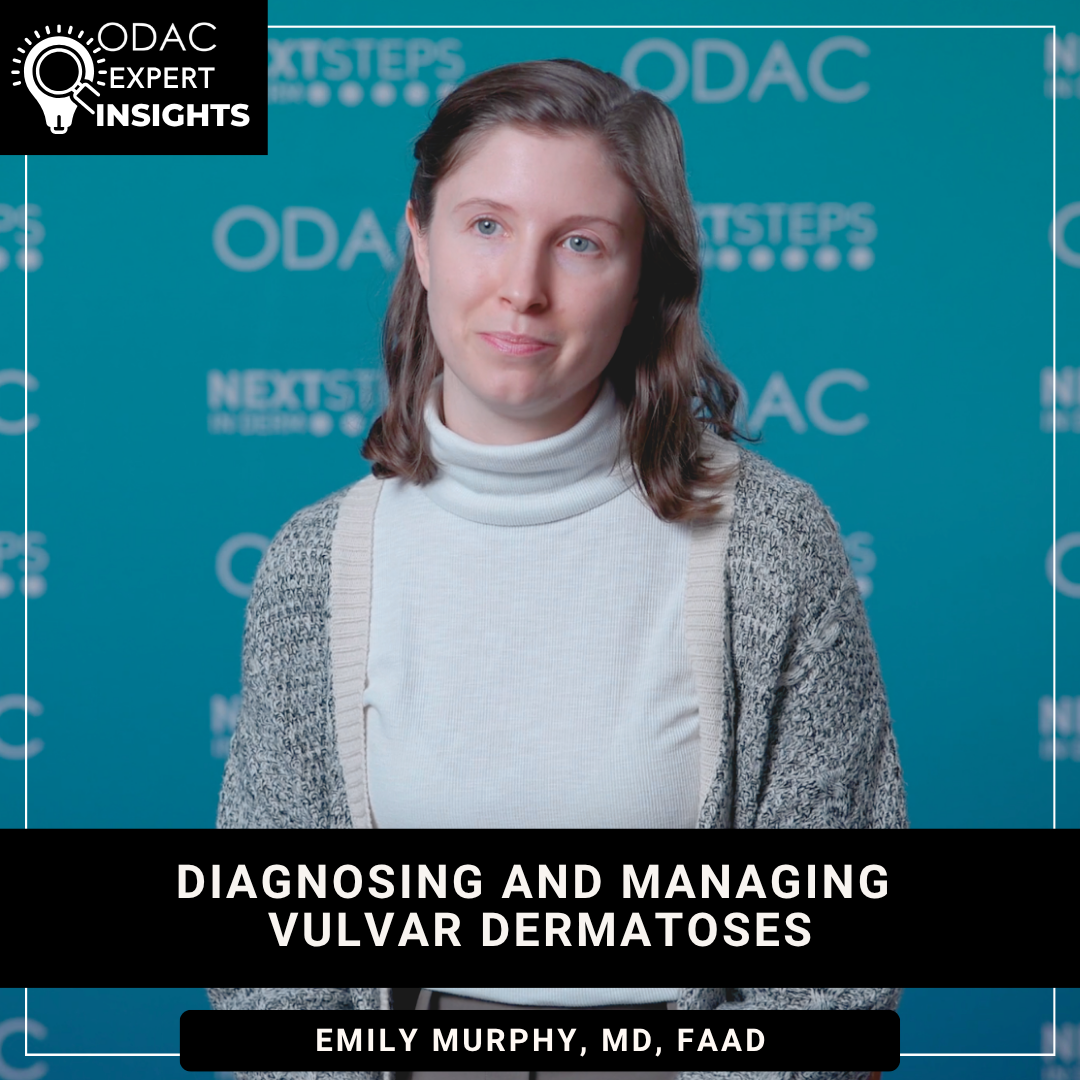 Emily Murphy, MD, FAAD, is committed to improving care for vulvar dermatoses, which is why she founded the Vulvar Health Program at the George Washington University School of Medicine & Health Sciences. In this Next Steps in Derm interview, in partnership with the ODAC Dermatology Conference, Dr. Murphy shares what her clinical experience has taught her about diagnosing and managing vulvar der …
 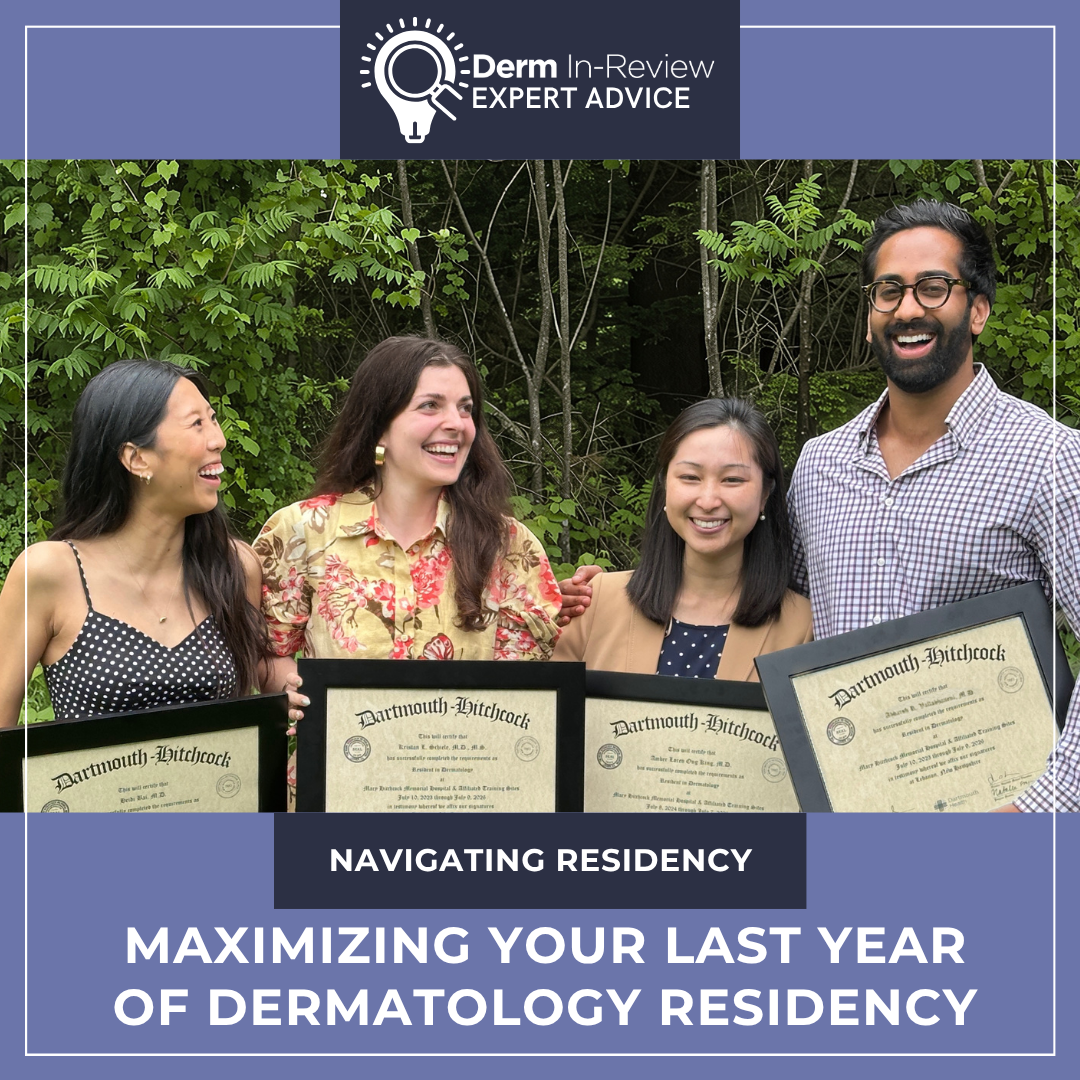 In my article, “The Dermatology Job Search Timeline: Reflections from a Resident Still in the Interview Process,” I focused on what I needed to do during my last year of residency to secure a job. The job search takes up a surprising amount of space on the calendar. There are interviews, contracts, licensing, credentialing, board prep, and decisions about where to live. It is easy for the enti …