



















Patient Buzz Series: Is Expensive Skin Care More Effective?
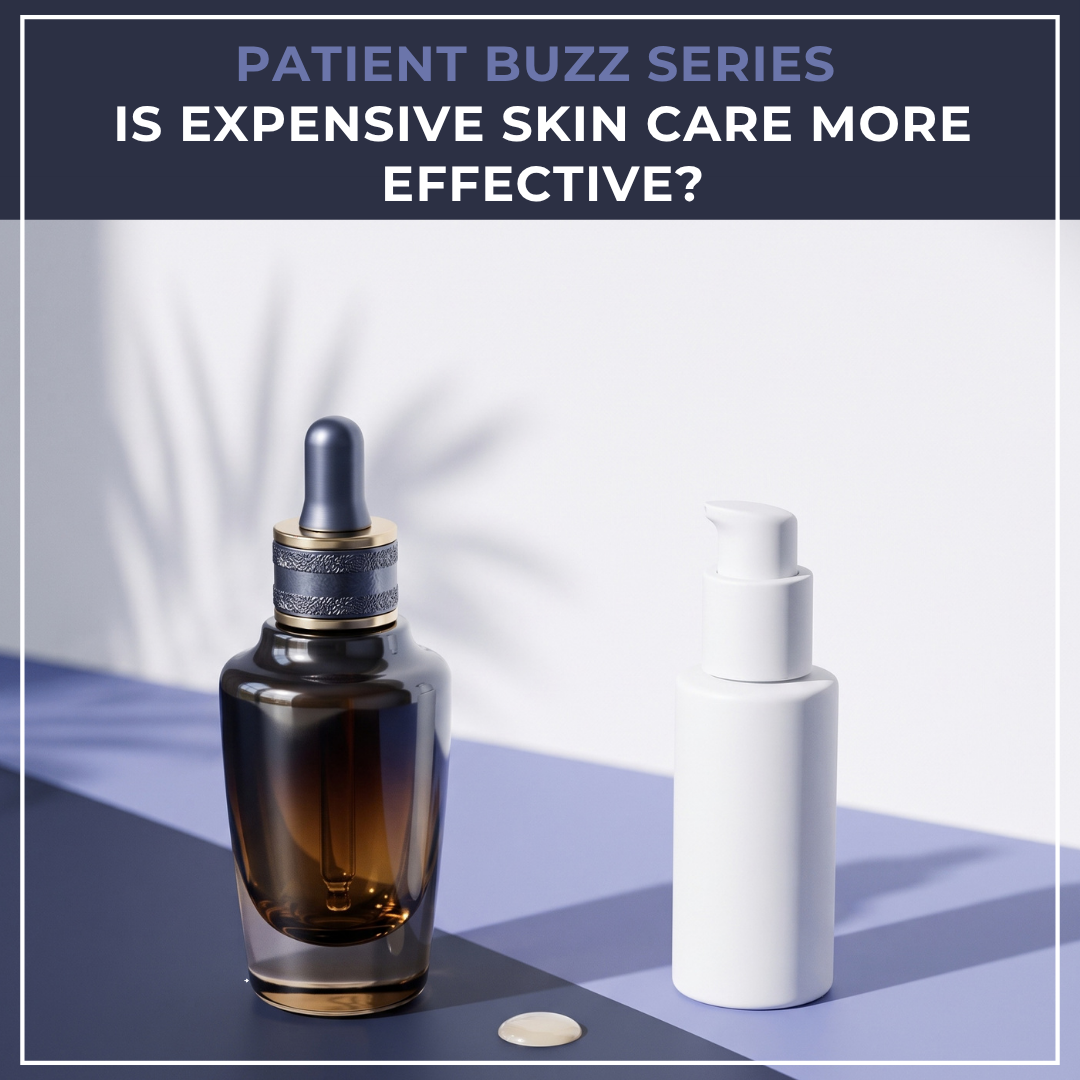 Parade asked the question consumers often ponder in the skincare aisle: Does expensive skin care work better? Dermatologists quoted in the article say no – formula matters more than price. They say a higher price can reflect high-quality ingredients, scientific research, and a more cosmetically elegant scent or texture. However, the increased costs can also reflect marketing expenditures, includ …
 Continue reading "Patient Buzz Series: Is Expensive Skin Care More Effective?"
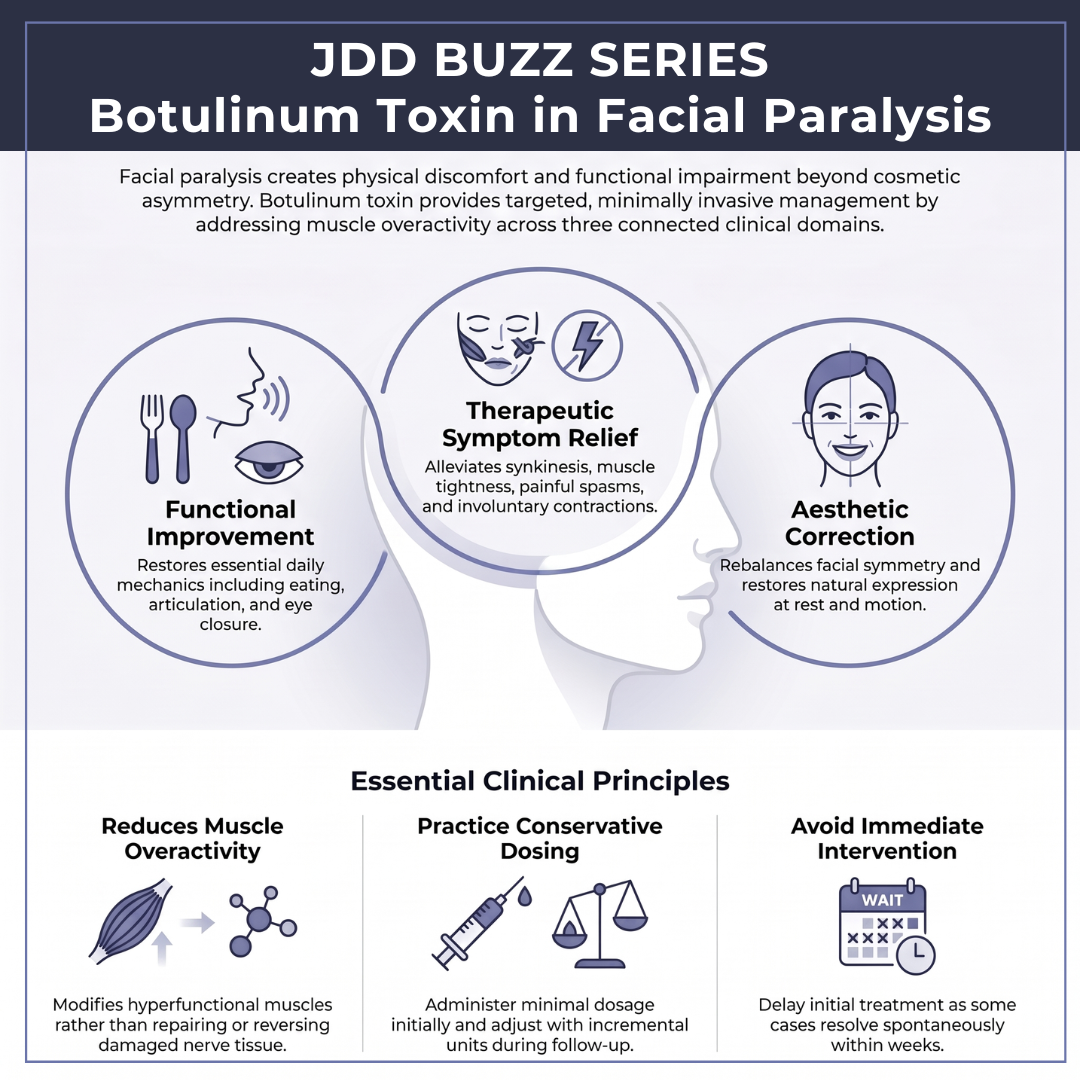 Botulinum toxin is a mainstay of cosmetic dermatology practices, and its therapeutic benefits are well known. Migraines and axillary hyperhidrosis are two of the medical conditions where botulinum toxin can be an effective treatment. An original article published in the September Journal of Drugs in Dermatology explores an application of botulinum toxin that’s underdiscussed in dermatology: trea …
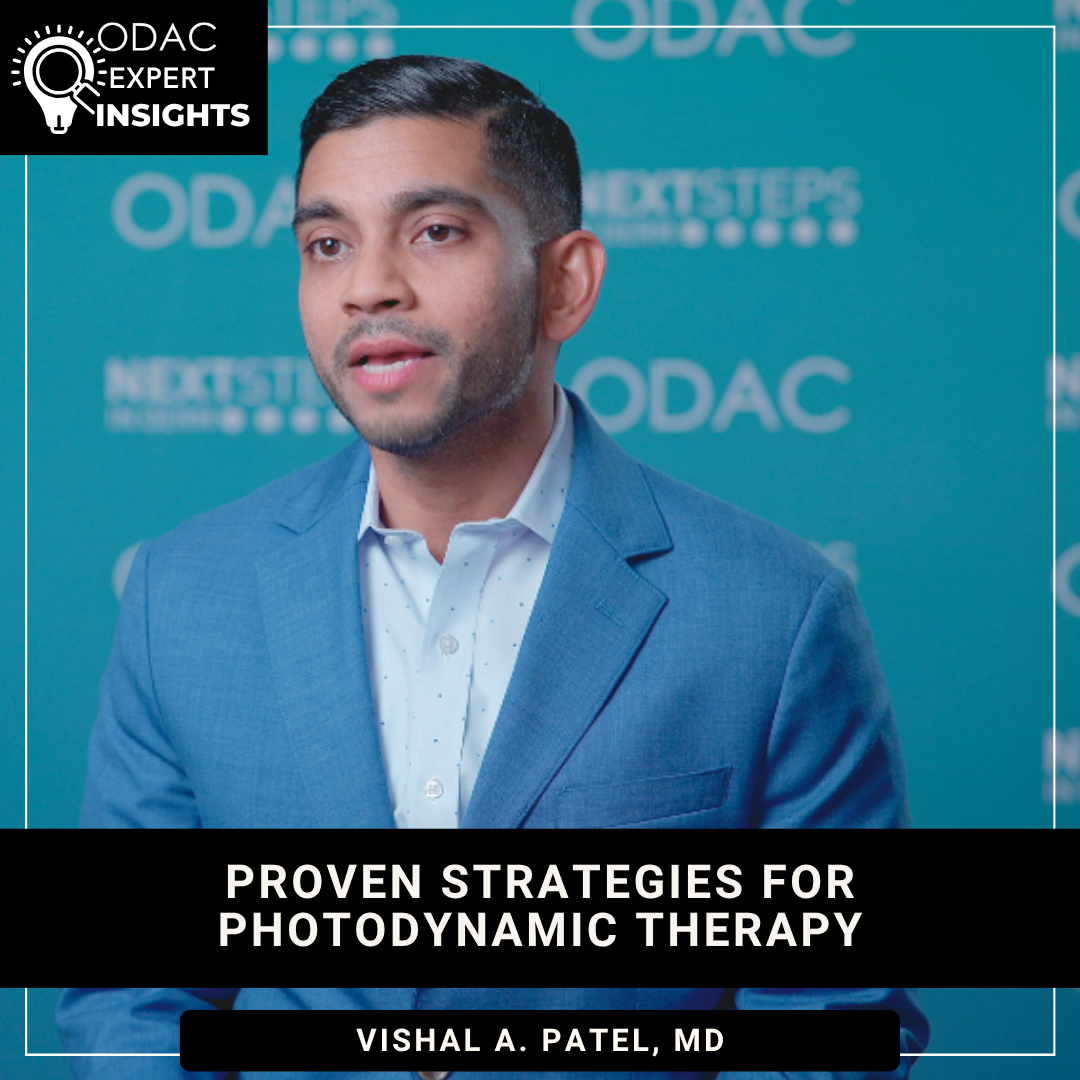 Photodynamic therapy (PDT) involves a lot of choices for a clinician, from deciding how to prepare the skin for a photosensitizer to selecting the light source. Next Steps in Derm, in partnership with the ODAC Dermatology Conference, addresses proven strategies for PDT in this interview with ODAC Conference Co-Chair Vishal A. Patel, MD, FACMS. Watch as Dr. Patel outlines varied options for enhanci …
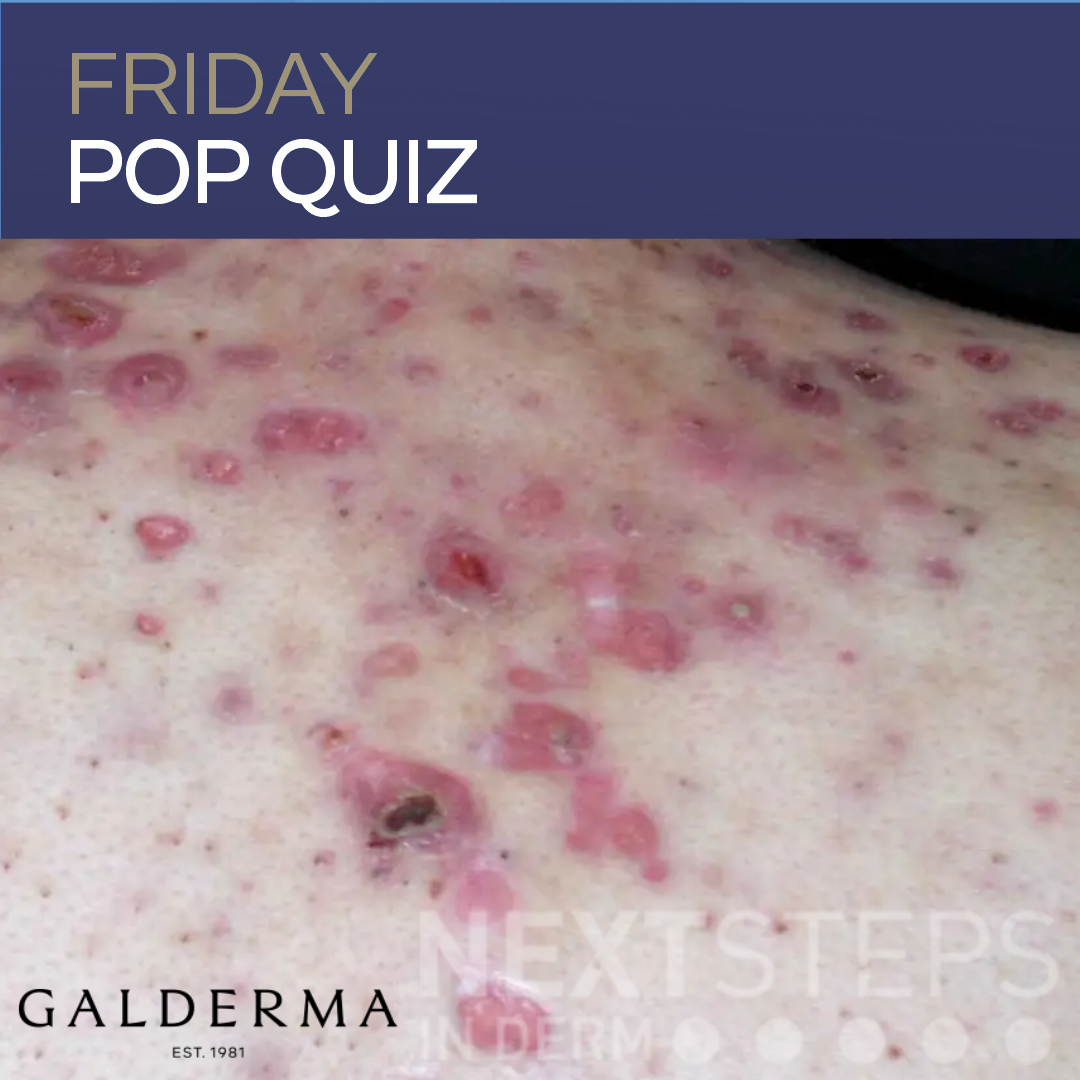 A 26-year-old man with a history of cystic fibrosis initiated a new cystic fibrosis medication two months ago. Approximately one week ago, the patient noticed the abrupt onset of papules on his upper back, as shown, for which he has tried using a benzoyl peroxide wash without improvement. Which of the following is the most appropriate next step?
A. Cessation of cystic fibrosis medication
…
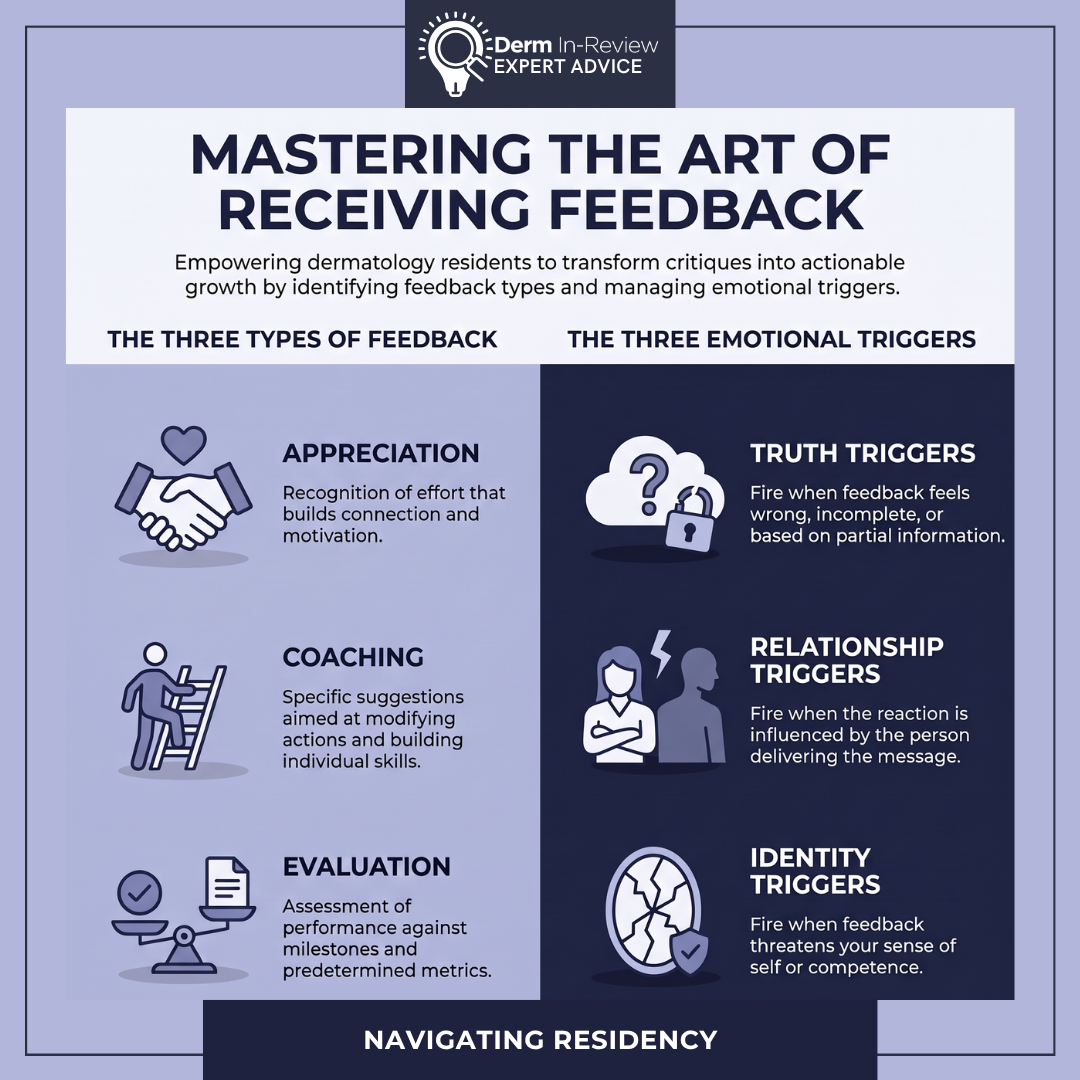 Most residency programs and hospital institutions teach how to provide feedback. Attendings and residents are asked to fill out structured rubrics, track ACGME milestones, and elicit patient surveys. Few programs, however, offer training about how to receive that feedback.
The skill of receiving feedback is carefully outlined in Douglas Stone and Sheila Heen's book Thanks for the Feedback. Th …