












JDD Buzz Series | Patient Perspectives on Scalp Biopsies for CCCA
 Scalp biopsies are an important tool in diagnosing central centrifugal cicatricial alopecia (CCCA), especially in atypical presentations where making an accurate diagnosis through other means is challenging. Even though a biopsy-confirmed diagnosis could lead to hair-saving treatment, hair loss patients sometimes balk at the recommendation to biopsy. The authors of a brief communication published …
 Continue reading "JDD Buzz Series | Patient Perspectives on Scalp Biopsies for CCCA"
 Welcome to "JDD February 2026 Issue Highlights," your quick tour of this month’s Editor’s Picks from the Journal of Drugs in Dermatology, curated by the Next Steps in Derm Team. This issue pairs practical algorithms, novel therapeutics, real‑world effectiveness data, equity analyses, and procedural reports, all with immediate clinical relevance.
Explore this month’s top picks below:
…
 GLP-1 receptor agonists are an increasingly popular treatment for type 2 diabetes and obesity. Additionally, some dermatologists are finding success with treating psoriasis and hidradenitis suppurativa with GLP-1s independent of an impact on weight loss. As GLP-1 use becomes even more common in medicine, it’s important to understand side effects, including skin effects that could lead GLP-1 pati …
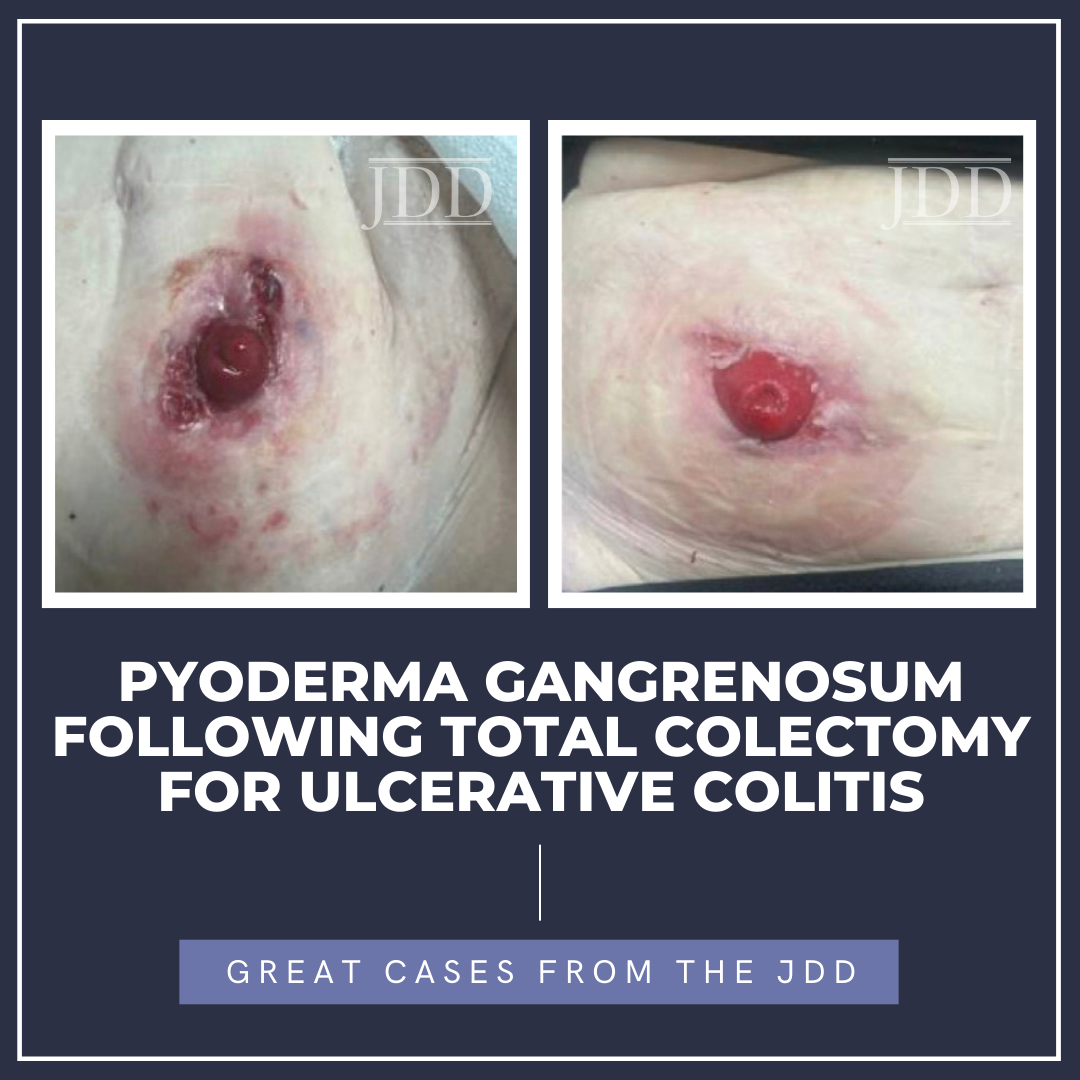 Introduction
Pyoderma gangrenosum (PG) is a rare, neutrophilic dermatosis characterized by rapidly enlarging, painful ulcers with violaceous and undermined borders. It is commonly associated with systemic disorders, including rheumatoid arthritis, hematologic malignancies, and inflammatory bowel disease (IBD).¹ While PG often correlates with IBD flares, its pathogenesis is not well understood. C …
 GLP-1 receptor agonists are revolutionizing the treatment of type 2 diabetes and obesity. With widespread consumer advertising campaigns, GLP-1 usage is becoming commonplace. National polls show up to one-fifth of American adults have tried GLP-1s for weight loss or to address health conditions, such as heart disease. As the understanding of GLP-1s deepens, so does their potential. Since recent re …