












Patient Buzz Series | St. Ives Apricot Scrub Debate
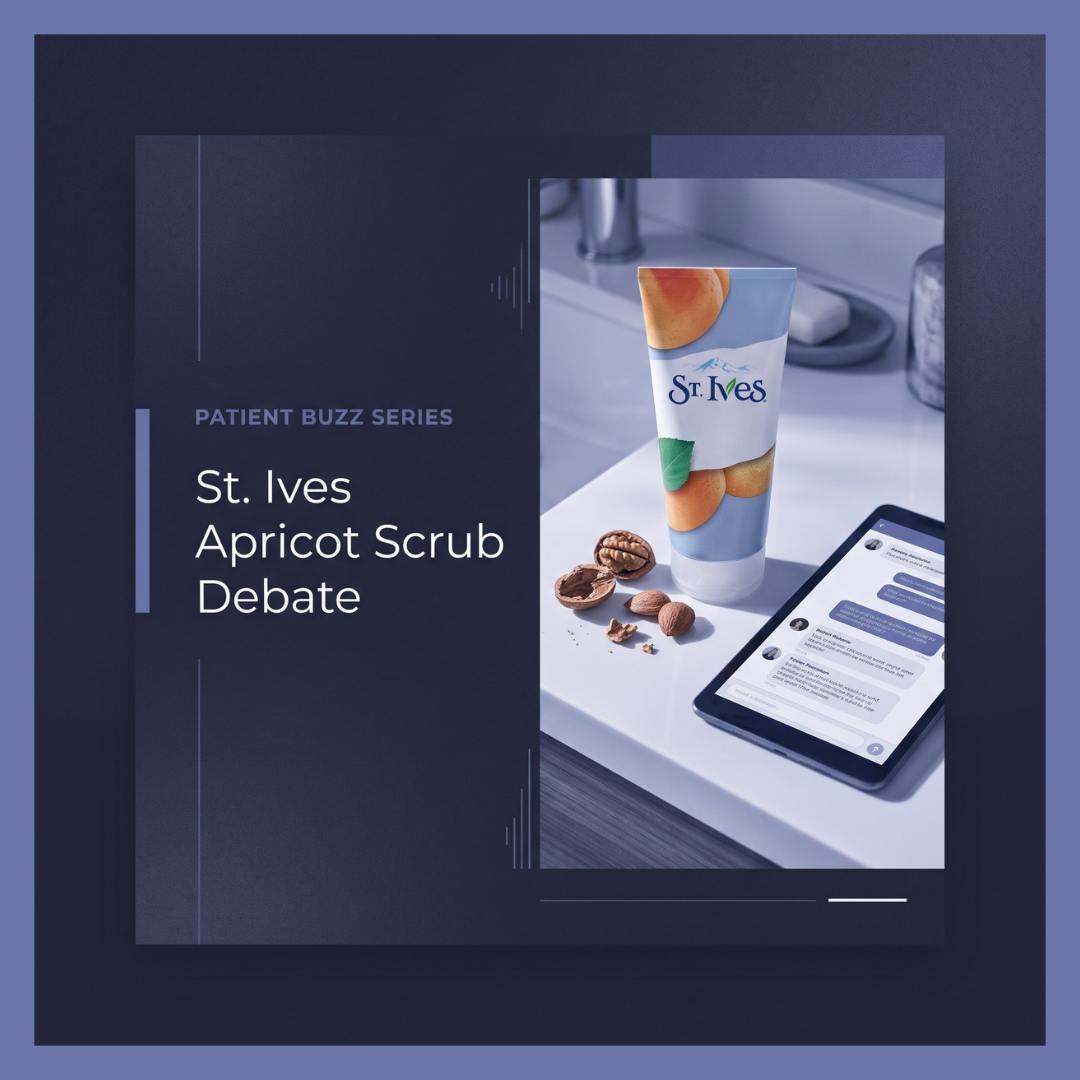 St. Ives Apricot Scrub was one of the most iconic skincare products of the 1990s, and the debate over its use continues 30 years later. Some swear by the walnut shell scrub, while others think it’s too abrasive, especially when used on the face. Parade interviewed three dermatologists who say the scrub may be appropriate for some skin types provided that it’s used occasionally and with minimal …
 Continue reading "Patient Buzz Series | St. Ives Apricot Scrub Debate"
 In addition to gentle washing of the face two times a day, what is the most appropriate treatment step for this patient who is prone to dry skin?
A. Start Adapalene 0.1 gel nightly to every other night after wash
B. Aggressive exfoliation daily
C. Start doxycycline 100 mg by mouth two times a day with food and water
D. Monotherapy with clindamycin lotion every morning after wash
…
 Back in 2017, Yahoo! Lifestyle published an article naming Differin Gel (adapalene 0.1%) the “best drugstore anti-aging product.” This recognition sparked an important discussion: Should dermatologists recommend an over-the-counter (OTC) acne product to help patients with fine lines and wrinkles?
For an expert opinion at the time of publication, Next Steps in Derm consulted board- …
 TikTok influencers are recommending a drawing salve as an acne spot treatment. Pain Relief & Instant Drawing Salve (PRID) purports to be a homeopathic way to draw out foreign bodies and relieve the effects of minor skin concerns.
Yet dermatologists in an Allure article about the trend say they do not tell patients to use PRID as an acne spot treatment due to risks of irritation, hyperpigmen …
 You may want to make an extra effort to encourage your young adult patients to protect their skin from the sun. Recent surveys, as noted in The New York Times, showed that adults born after 1997 – those considered in Gen Z – were more likely to believe sun safety myths, including that daily sunscreen usage is more harmful than sun exposure.
Experts say that misinformation in this age group …