












Daily Hot Takes from SOCU 2026: Day 1 Highlights
 Day 1 of the 17th Annual Skin of Color Update (SOCU 2026) opened with a historic sense of community, reflection, and relentless dedication to advancing dermatologic care for patients with skin of color.
Co-Chairs Andrew F. Alexis, MD, MPH, FAAD, and Eliot F. Battle, MD, welcomed attendees from across the globe—spanning Europe, the Caribbean, the UK, and across the United States—marking 17 y …
Day 1 of the 17th Annual Skin of Color Update (SOCU 2026) opened with a historic sense of community, reflection, and relentless dedication to advancing dermatologic care for patients with skin of color.
Co-Chairs Andrew F. Alexis, MD, MPH, FAAD, and Eliot F. Battle, MD, welcomed attendees from across the globe—spanning Europe, the Caribbean, the UK, and across the United States—marking 17 y … Continue reading "Daily Hot Takes from SOCU 2026: Day 1 Highlights"
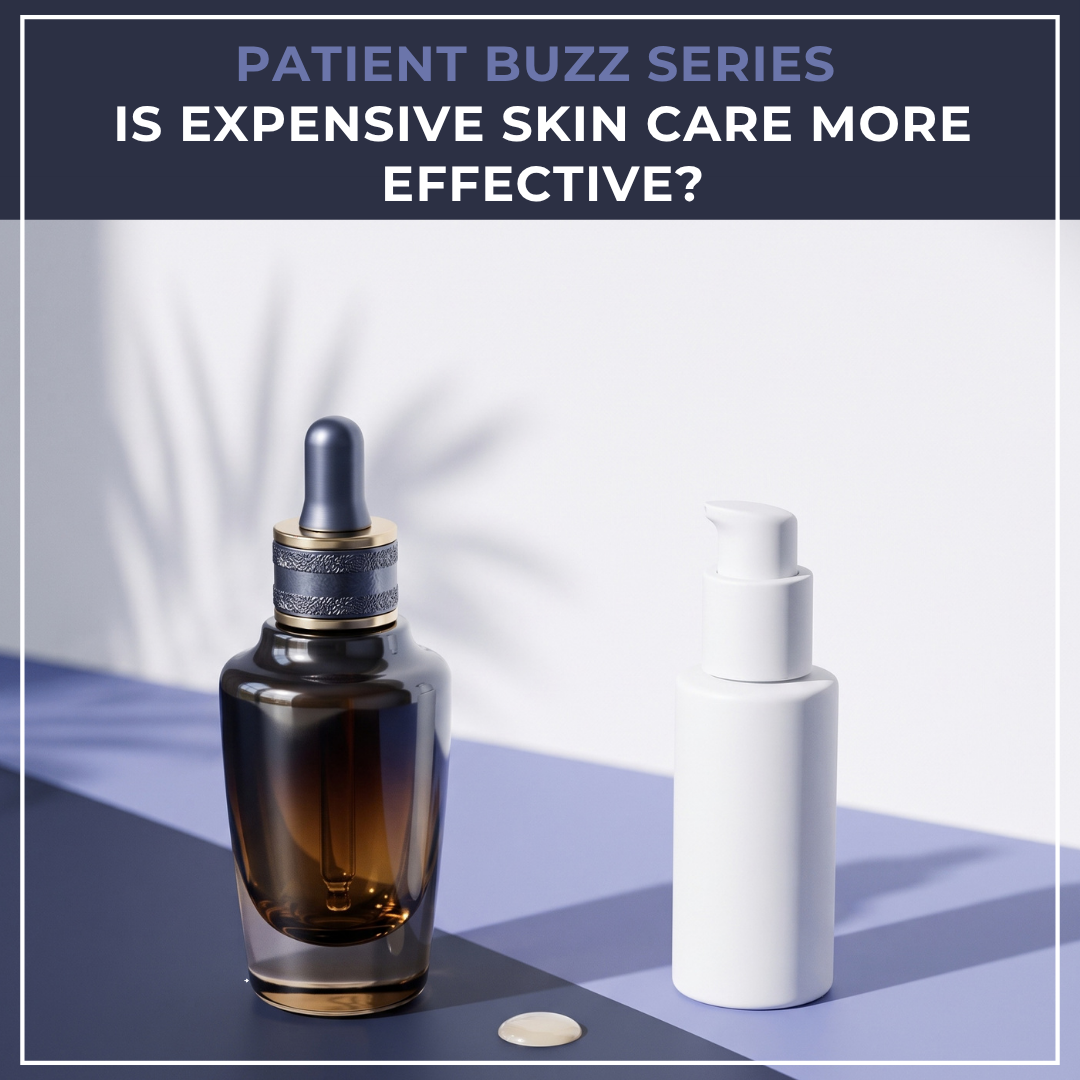 Parade asked the question consumers often ponder in the skincare aisle: Does expensive skin care work better? Dermatologists quoted in the article say no – formula matters more than price. They say a higher price can reflect high-quality ingredients, scientific research, and a more cosmetically elegant scent or texture. However, the increased costs can also reflect marketing expenditures, includ …
 Managing rosacea requires moving beyond quick, symptomatic fixes toward a comprehensive framework that addresses the entire scope of the disease. In a recent presentation, Adam Friedman, MD, FAAD—Professor and Chair of Dermatology at The George Washington University School of Medicine & Health Sciences—outlined an updated clinical approach to diagnosing and managing rosacea. From recognizi …
 Tranexamic acid (TXA) is a synthetic lysine derivative that reversibly blocks the lysine-binding site on plasminogen, preventing conversion to plasmin. While originally developed as an antifibrinolytic agent to reduce bleeding, TXA has several downstream effects that make it useful in dermatology, particularly for pigmentary disorders, with emerging evidence in inflammatory disorders as well. TX …
 A previously healthy 55-year-old patient presents with a four-month history of the pictured indurated papules and plaques. History does not reveal prior skin problems. The lesions started on the cheeks and are now affecting the forehead. The sun seems to exacerbate the condition, causing mild burning and pruritus. Patient complains of cheek swelling that worsens in the morning and improves as …