












Avoiding and Managing Complications: Hyperpigmentation and Scarring
 Next Steps in Derm, in partnership with Pigmentary Disorders Exchange Symposium interviewed Dr. Andrew Alexis, professor of clinical dermatology and vice-chair for diversity and inclusion for the Weill Cornell Medical College Department of Dermatology. Watch as Dr. Alexis outlines how to avoid hyperpigmentation and scarring when performing a cosmetic procedure. Learn simple questions you can ask t …
Next Steps in Derm, in partnership with Pigmentary Disorders Exchange Symposium interviewed Dr. Andrew Alexis, professor of clinical dermatology and vice-chair for diversity and inclusion for the Weill Cornell Medical College Department of Dermatology. Watch as Dr. Alexis outlines how to avoid hyperpigmentation and scarring when performing a cosmetic procedure. Learn simple questions you can ask t … Continue reading "Avoiding and Managing Complications: Hyperpigmentation and Scarring"
 During the 2023 Skin of Color Update in New York City, Dr. Omar Ibrahimi, a renowned laser and cosmetic dermatologist, as well as a Mohs surgeon in private practice in Stamford, Connecticut, imparted valuable insights into the use of lasers for pigmented lesions and tattoos. Dr. Ibrahimi placed significant emphasis on ensuring both safety and efficacy, particularly in individuals with diverse skin …
  Next Steps in Derm, in partnership with Skin of Color Update, interviewed dermatologist Dr. Noelani Gonzalez, clinical instructor at Mount Sinai. Hispanic patients can be of a variety of Fitzpatrick skin types with different and unique aesthetic features. Hear from Dr. Gonzalez as she shares about the aesthetic issues that are more common in Hispanic patients. Find out her tips for assessing and …
 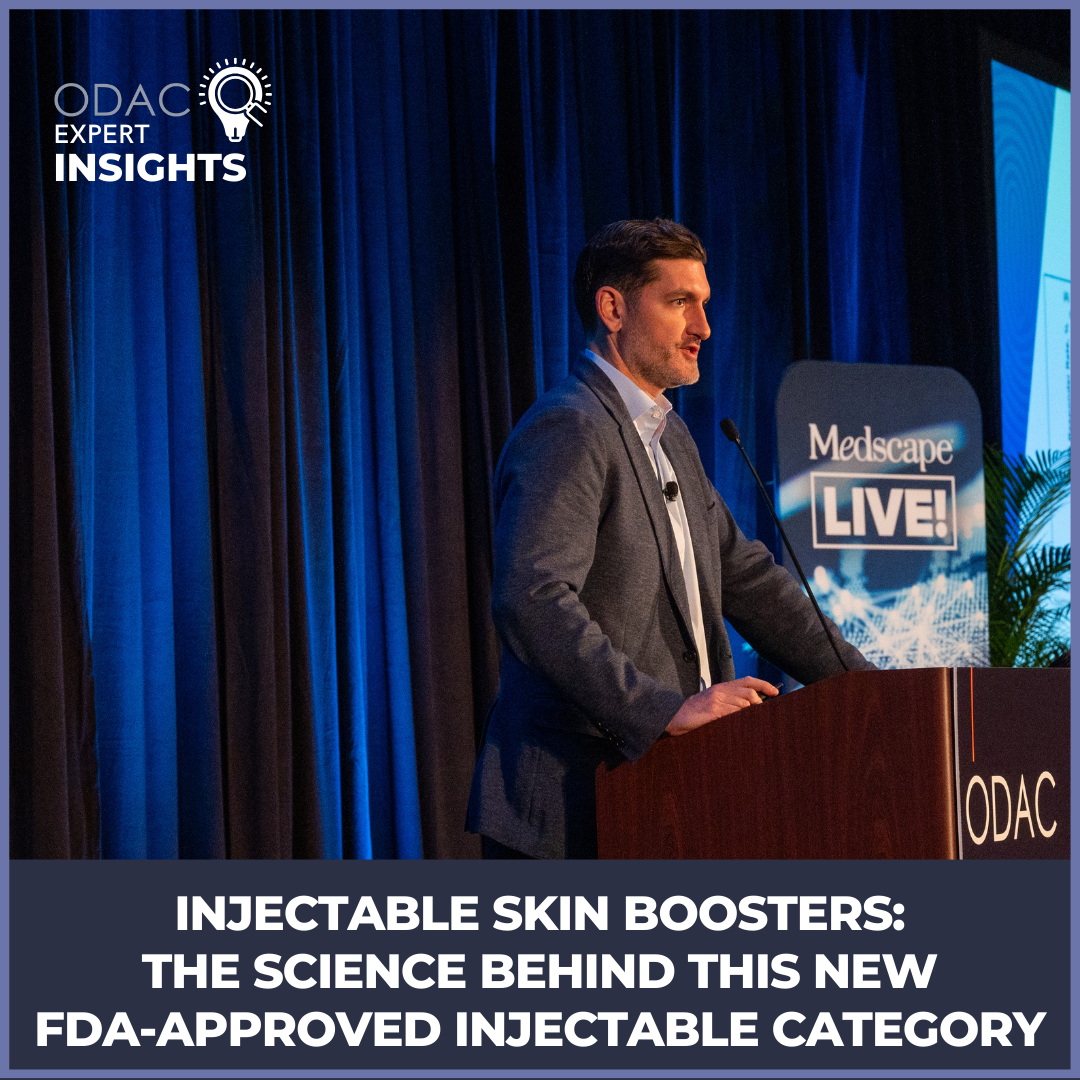 At the 2024 ODAC Dermatology, Aesthetic & Surgical Conference, we had the opportunity to learn about injectable skin boosters from Dr. Terrence Keaney, Founder and Director of SkinDC and Clinical Associate Professor of Dermatology at The George Washington University School of Medicine and Health Sciences. In the constantly evolving landscape of aesthetic dermatology, new products and devices a …
  Next Steps in Derm, in partnership with Pigmentary Disorders Exchange Symposium, interviewed Dr. Heather Woolery-Lloyd, director of the Skin of Color Division for the University of Miami Department of Dermatology. Watch as Dr. Woolery-Lloyd outlines the role of superficial chemical peels in treating pigmentary disorders. Learn how chemical peels impact other treatments. Find out her chemical peel …