












Tales From the Office: Florida Fishing Tackle
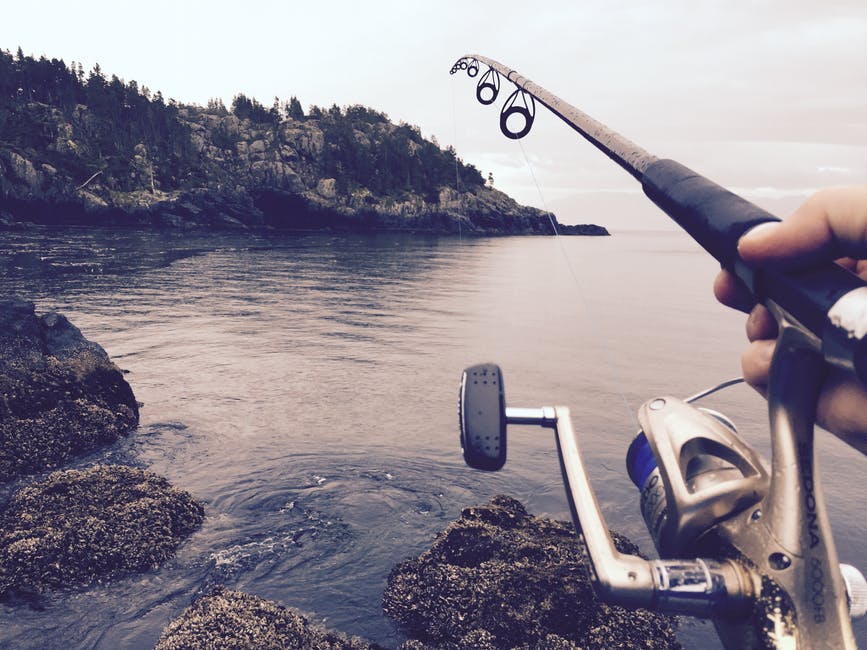 While just starting practice, I was very excited when I was called to the nursing homes to see patients.
Here in Florida I often had many patients to see and had to be prepared. I drove to one of my homes. Slowly curving around a small lake populated by ducks and a pair of shiny white swans. I always enjoyed a chance to catch even a part of nature after being inside most of the day. I enjoyed fis …
While just starting practice, I was very excited when I was called to the nursing homes to see patients.
Here in Florida I often had many patients to see and had to be prepared. I drove to one of my homes. Slowly curving around a small lake populated by ducks and a pair of shiny white swans. I always enjoyed a chance to catch even a part of nature after being inside most of the day. I enjoyed fis …
While just starting practice, I was very excited when I was called to the nursing homes to see patients.
Here in Florida I often had many patients to see and had to be prepared. I drove to one of my homes. Slowly curving around a small lake populated by ducks and a pair of shiny white swans. I always enjoyed a chance to catch even a part of nature after being inside most of the day. I enjoyed fis … Continue reading "Tales From the Office: Florida Fishing Tackle"
 As your virtual mentor, Next Steps in Derm is committed to supporting your career as a practicing dermatologist.
If you're thinking about going into academia, you may want support in feeling prepared to negotiate your contract. Questions are key. Read Part 1 of this two part series by Dr. Kirkorian of George Washington University and become primed for what to ask as you navigate a job in acad …
As your virtual mentor, Next Steps in Derm is committed to supporting your career as a practicing dermatologist.
If you're thinking about going into academia, you may want support in feeling prepared to negotiate your contract. Questions are key. Read Part 1 of this two part series by Dr. Kirkorian of George Washington University and become primed for what to ask as you navigate a job in acad …  We are excited to share an excerpt from the dermatology blog of Elyse Love, MD - NYC Dermatology Resident. Discover why residency is "way harder" than she expected.
First 3 Months of Dermatology Residency - Dermatology is Way Hard
First, let me start this by saying - I pinch myself every single day that I get to do a job I love for the rest of my life. I have somehow been blessed with, in my opi …
We are excited to share an excerpt from the dermatology blog of Elyse Love, MD - NYC Dermatology Resident. Discover why residency is "way harder" than she expected.
First 3 Months of Dermatology Residency - Dermatology is Way Hard
First, let me start this by saying - I pinch myself every single day that I get to do a job I love for the rest of my life. I have somehow been blessed with, in my opi …  The patient presented for a rash "down there". She was in her 60's and I asked her to lie on her back to examine her front side. After careful examination, I asked her to flip over on the table to exam the back side of her.
I had to pull apart her buttocks to get a better look at her anal mucosa as her chief complaint was pruritis.
As I approached her rear end the patient let out some gas. Some …
The patient presented for a rash "down there". She was in her 60's and I asked her to lie on her back to examine her front side. After careful examination, I asked her to flip over on the table to exam the back side of her.
I had to pull apart her buttocks to get a better look at her anal mucosa as her chief complaint was pruritis.
As I approached her rear end the patient let out some gas. Some …  Have you ever realized you weren’t getting paid because of an error in coding?
The good news is you don’t need to be an expert to know how to get paid.
Brush up on the basics of ICD-10 from a documentation standpoint and rest easy that you will be properly paid for all your bills submitted to insurance companies. This practical webinar recording with Dr. Adam Friedman will keep you informed: …
Have you ever realized you weren’t getting paid because of an error in coding?
The good news is you don’t need to be an expert to know how to get paid.
Brush up on the basics of ICD-10 from a documentation standpoint and rest easy that you will be properly paid for all your bills submitted to insurance companies. This practical webinar recording with Dr. Adam Friedman will keep you informed: …