












Tips and Tricks for Diagnosing & Managing Atopic Dermatitis (AD)
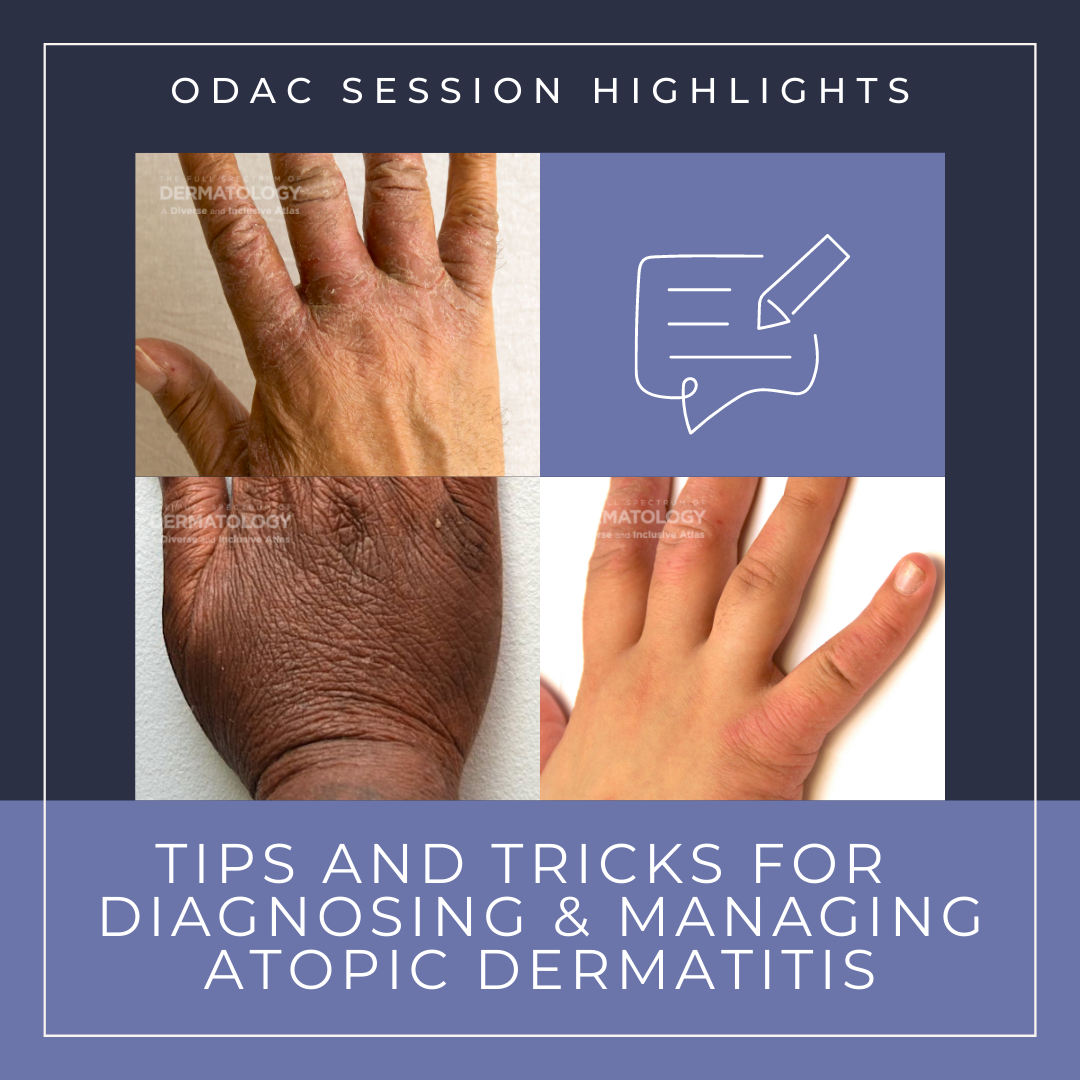 Atopic dermatitis is a heterogeneous, chronic inflammatory disease that affects upwards of 10% of children and 7% of adults in the United States. Despite being an incredibly common skin concern among patients, AD continues to pose diagnostic and treatment challenges to dermatologists.
What are some common misconceptions about AD?
AD always starts in childhood. FALSE. 25% of adults w …
Atopic dermatitis is a heterogeneous, chronic inflammatory disease that affects upwards of 10% of children and 7% of adults in the United States. Despite being an incredibly common skin concern among patients, AD continues to pose diagnostic and treatment challenges to dermatologists.
What are some common misconceptions about AD?
AD always starts in childhood. FALSE. 25% of adults w …
Atopic dermatitis is a heterogeneous, chronic inflammatory disease that affects upwards of 10% of children and 7% of adults in the United States. Despite being an incredibly common skin concern among patients, AD continues to pose diagnostic and treatment challenges to dermatologists.
What are some common misconceptions about AD?
AD always starts in childhood. FALSE. 25% of adults w … Continue reading "Tips and Tricks for Diagnosing & Managing Atopic Dermatitis (AD)"
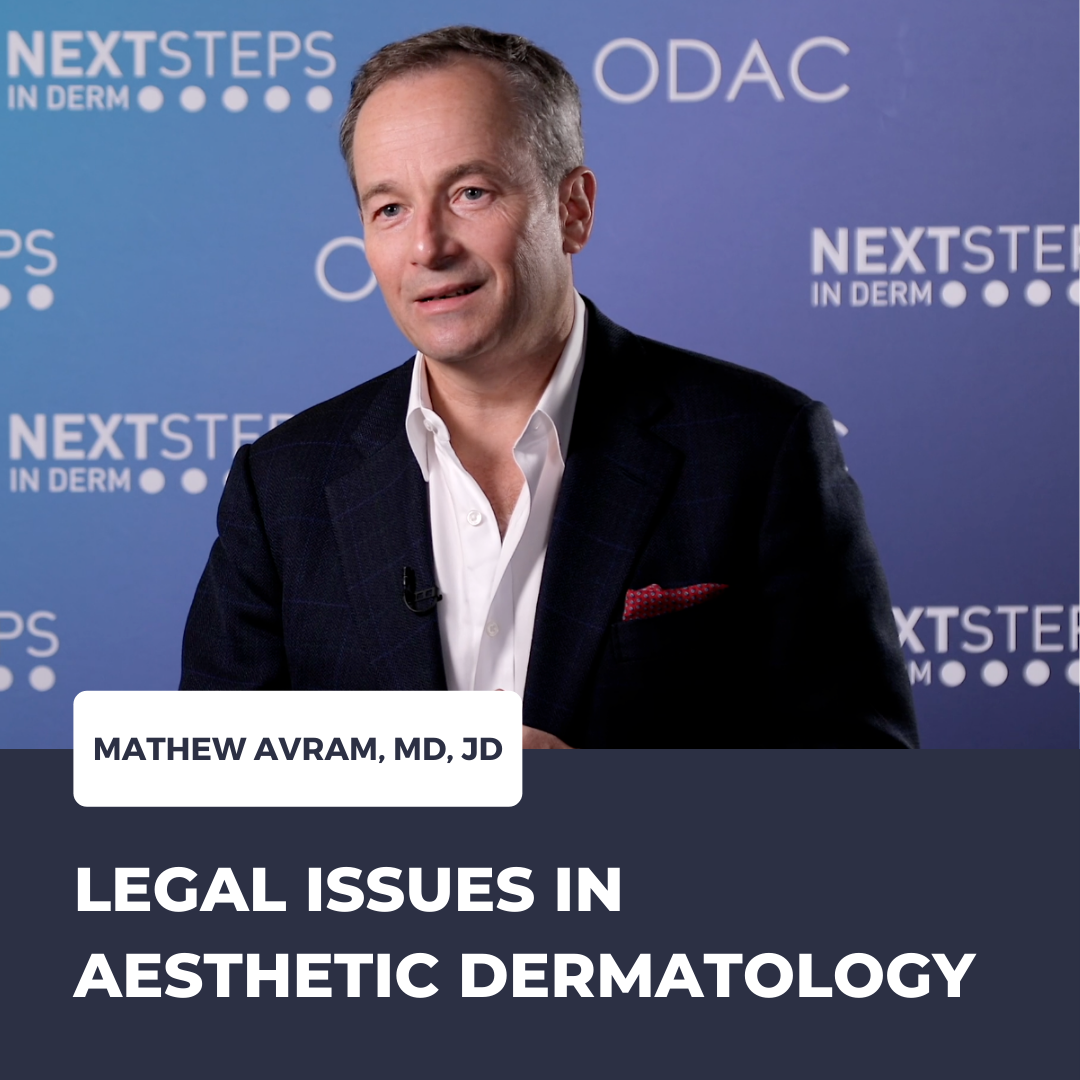 Next Steps in Derm, in partnership with ODAC Dermatology, Aesthetic and Surgical Conference, interviewed Dr. Mathew M. Avram (Director of the Mass General Dermatology Laser & Cosmetic Center and Director of Dermatologic Surgery at MGH, as well as Faculty Director for Procedural Training in Harvard Medical School's Dermatology Department), who discusses potential legal situations that may ari …
 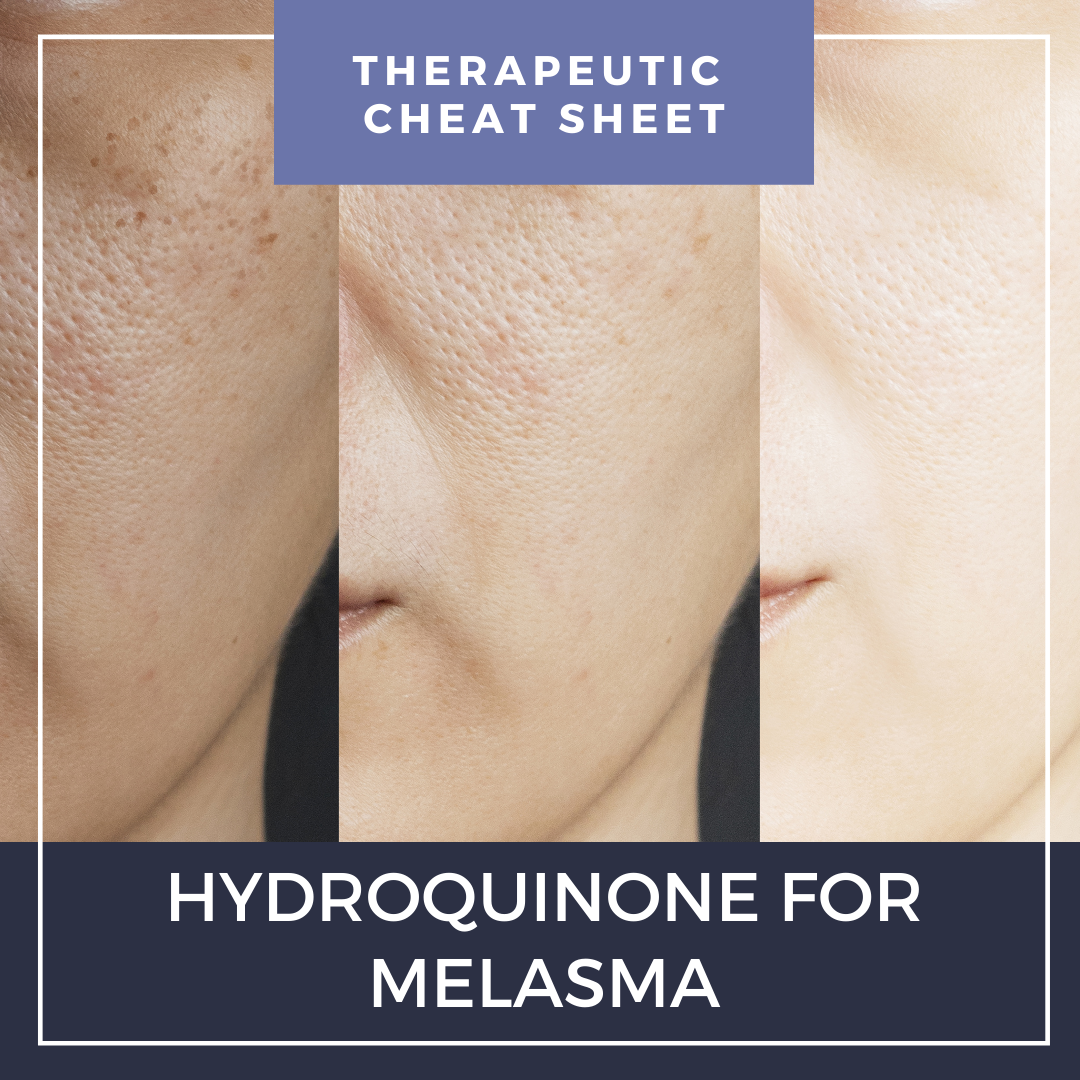 Hydroquinone is the most commonly used depigmentation agent and is a first-line treatment for melasma.1Hydroquinone was available previously in over-the-counter products and is currently available in prescription formulations with common concentration ranges of 0.4 to 5%. Prescription strengths available in the United States include hydroquinone 2% and 4% cream and hydroquinone 2% gel.2,3 In Septe …
 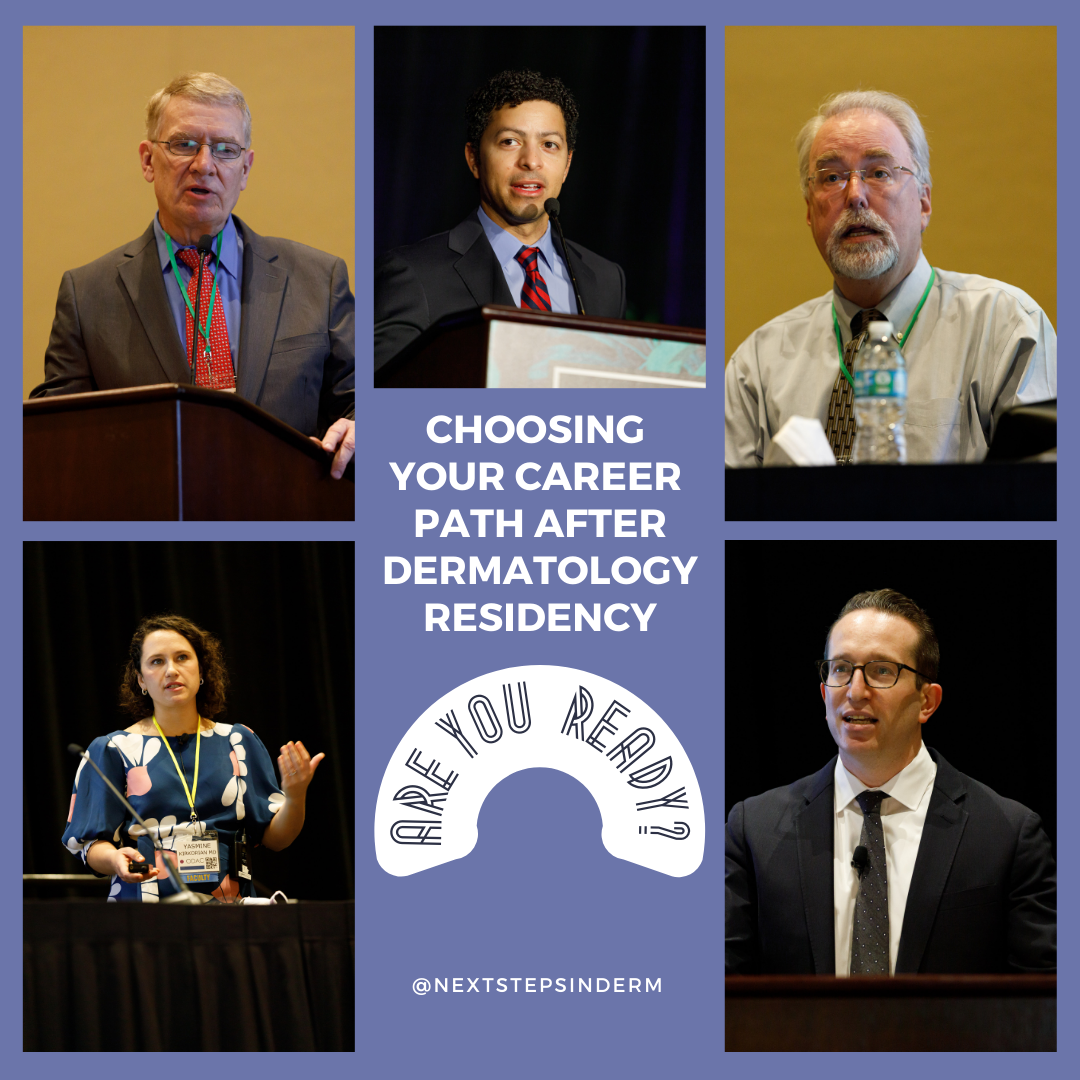 At the 2022 ODAC Dermatology, Aesthetic & Surgical Conference, a resident directed series included a panel on choosing your next steps after dermatology residency – Fellowship, Academics, or Private Practice, It’s Decision Time. The panel had an impressive group of dermatologists who answered a series of questions about paving our future paths in dermatology. Here are our panel members, in …
 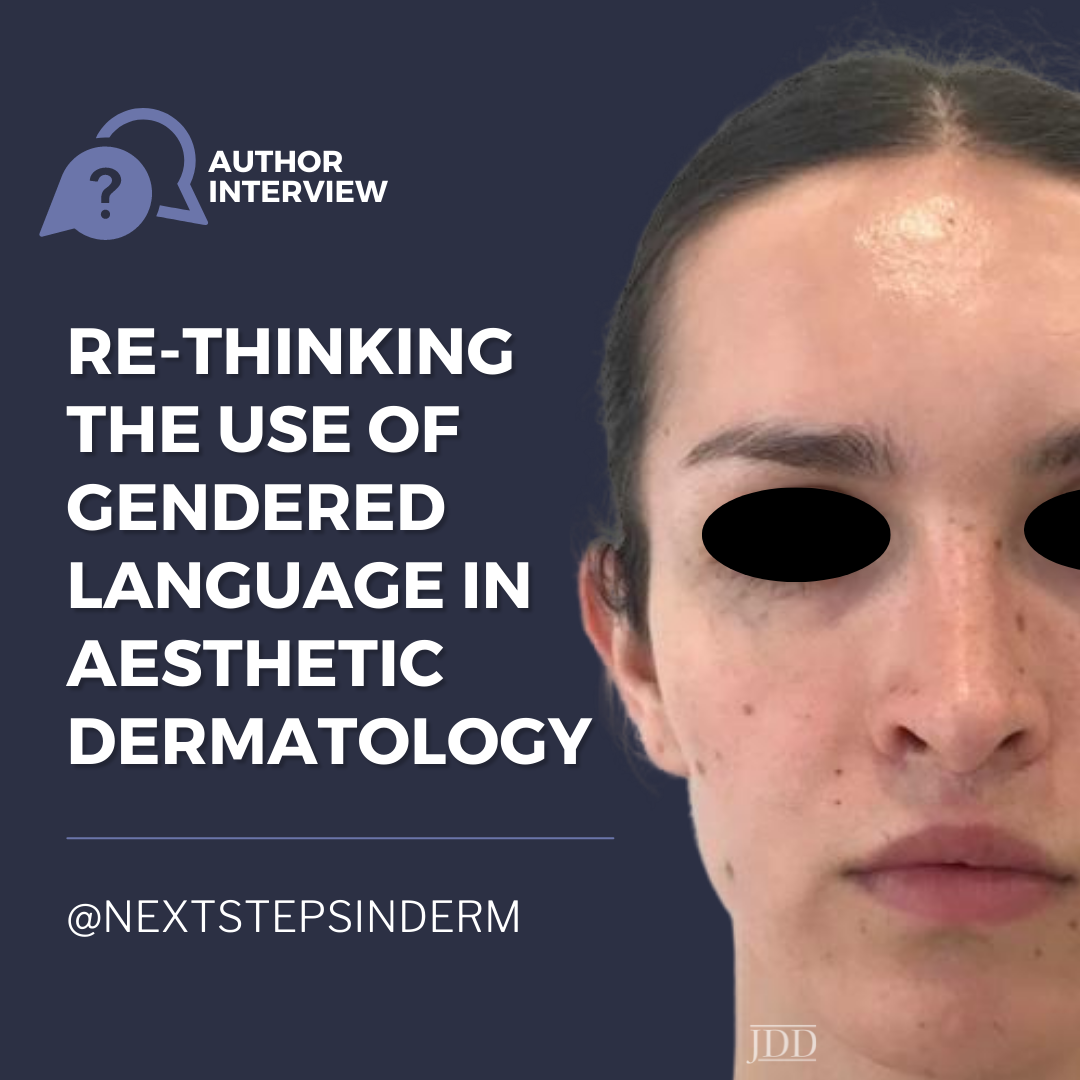 Dermatology needs to re-think the use of gendered language in aesthetics, according to a brief communication published in the January issue of the Journal of Drugs in Dermatology. The authors contend that gendered language can cause upset or offense in patients with nonbinary gender identity or gender dysphoria, and that gender-neutral language can help dermatologists provide better and more consi …