












Thinking Oat Loud: Colloidal Oat for Eczema and Beyond
 Atopic Dermatitis Pathogenesis
Atopic dermatitis (AD) is a chronic inflammatory skin disease for which common symptoms are rash, itch, dryness, and redness. AD is a perfect example of what happens when skin barrier homeostasis is not maintained. In AD, the lipids that comprise the skin barrier are reduced in chain length compared with healthy skin, resulting in poor barrier function and increased …
Atopic Dermatitis Pathogenesis
Atopic dermatitis (AD) is a chronic inflammatory skin disease for which common symptoms are rash, itch, dryness, and redness. AD is a perfect example of what happens when skin barrier homeostasis is not maintained. In AD, the lipids that comprise the skin barrier are reduced in chain length compared with healthy skin, resulting in poor barrier function and increased …
Atopic Dermatitis Pathogenesis
Atopic dermatitis (AD) is a chronic inflammatory skin disease for which common symptoms are rash, itch, dryness, and redness. AD is a perfect example of what happens when skin barrier homeostasis is not maintained. In AD, the lipids that comprise the skin barrier are reduced in chain length compared with healthy skin, resulting in poor barrier function and increased … Continue reading "Thinking Oat Loud: Colloidal Oat for Eczema and Beyond"
 Chromate causes persistent, difficult to treat irritant and allergic contact dermatitis in cement-handling occupational workers. When therapeutics such as topical corticosteroids, topical calcineurin inhibitors, phototherapy and immune-modulating treatments like methotrexate fail, many patients are advised that avoidance may be the only remaining option – an option that may be particularly chall …
 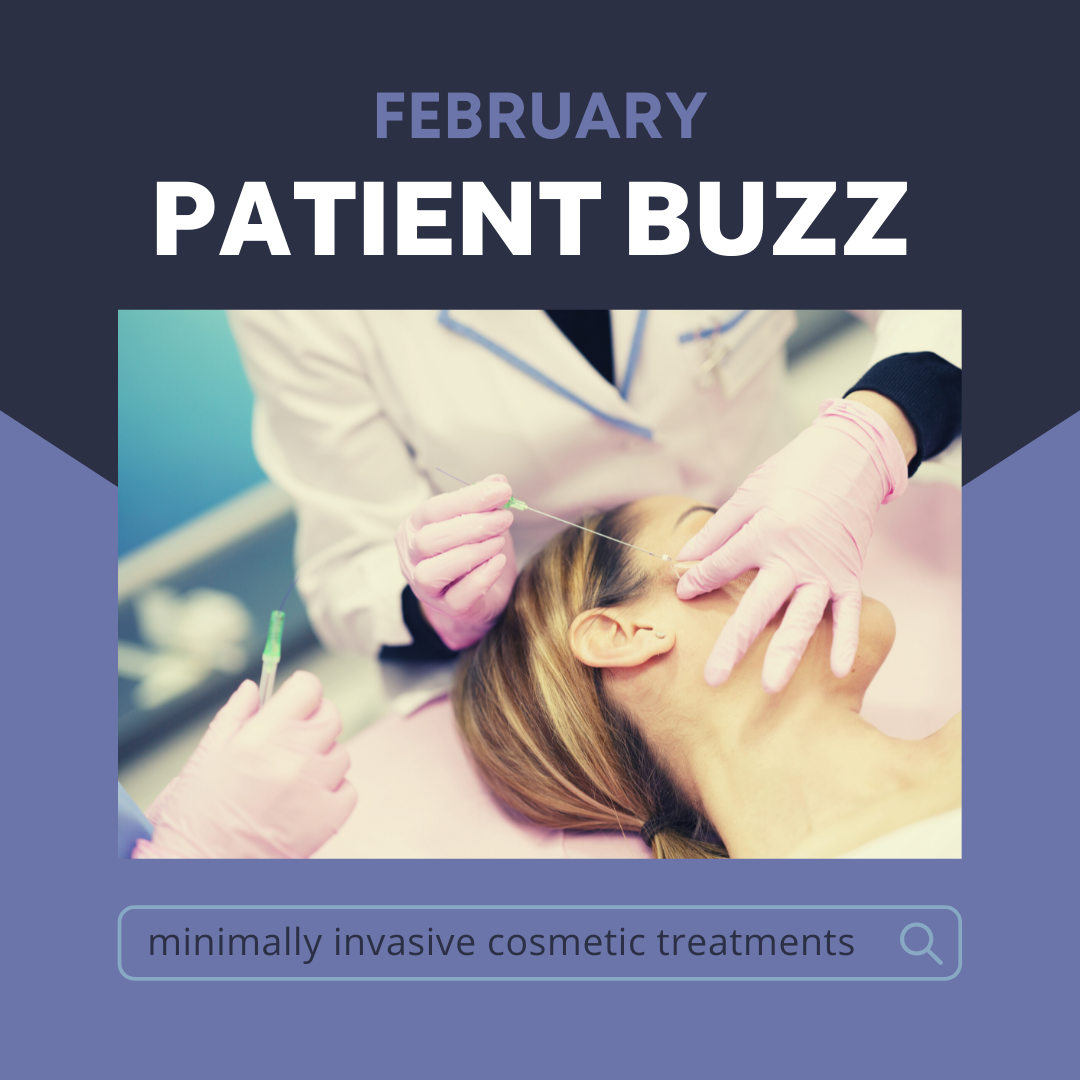 This month’s Patient Buzz includes articles about the latest minimally invasive cosmetic treatments, or as the Hollywood Reporter calls it, “The new ‘slow’ plastic surgery.” From diamond microdermabrasion to Aquagold for microinfusions to stem cell face lifts, your patients are reading about a lot of different cosmetic treatments in the consumer press.
Be prepared for your patients’ …
This month’s Patient Buzz includes articles about the latest minimally invasive cosmetic treatments, or as the Hollywood Reporter calls it, “The new ‘slow’ plastic surgery.” From diamond microdermabrasion to Aquagold for microinfusions to stem cell face lifts, your patients are reading about a lot of different cosmetic treatments in the consumer press.
Be prepared for your patients’ …  The February 2022 issue of the Journal of Drugs in Dermatology (JDD) includes the perfect blend of original articles, case reports, and editorials. With topics ranging from psoriasis and actinic keratoses to artificial intelligence in dermatology and disparities in telemedicine satisfaction, we share this month’s issue highlights straight from the JDD Editor’s desk:
Early Response is Associ …
The February 2022 issue of the Journal of Drugs in Dermatology (JDD) includes the perfect blend of original articles, case reports, and editorials. With topics ranging from psoriasis and actinic keratoses to artificial intelligence in dermatology and disparities in telemedicine satisfaction, we share this month’s issue highlights straight from the JDD Editor’s desk:
Early Response is Associ …  Hypopigmented mycosis fungoides (HMF) is a rare variant of cutaneous T-cell lymphoma (CTCL) that often manifests in younger patients with darker skin types in a centripetal distribution.¹ Average age of diagnosis is often 14 years.² The diagnosis is often missed due to its low incidence and lack of clinical suspicion. Misdiagnosis and failure to obtain biopsies lead to a long latency period fr …