












Lessons from the Vulvar Dermatology Clinic: Diagnosis & Management Pearls
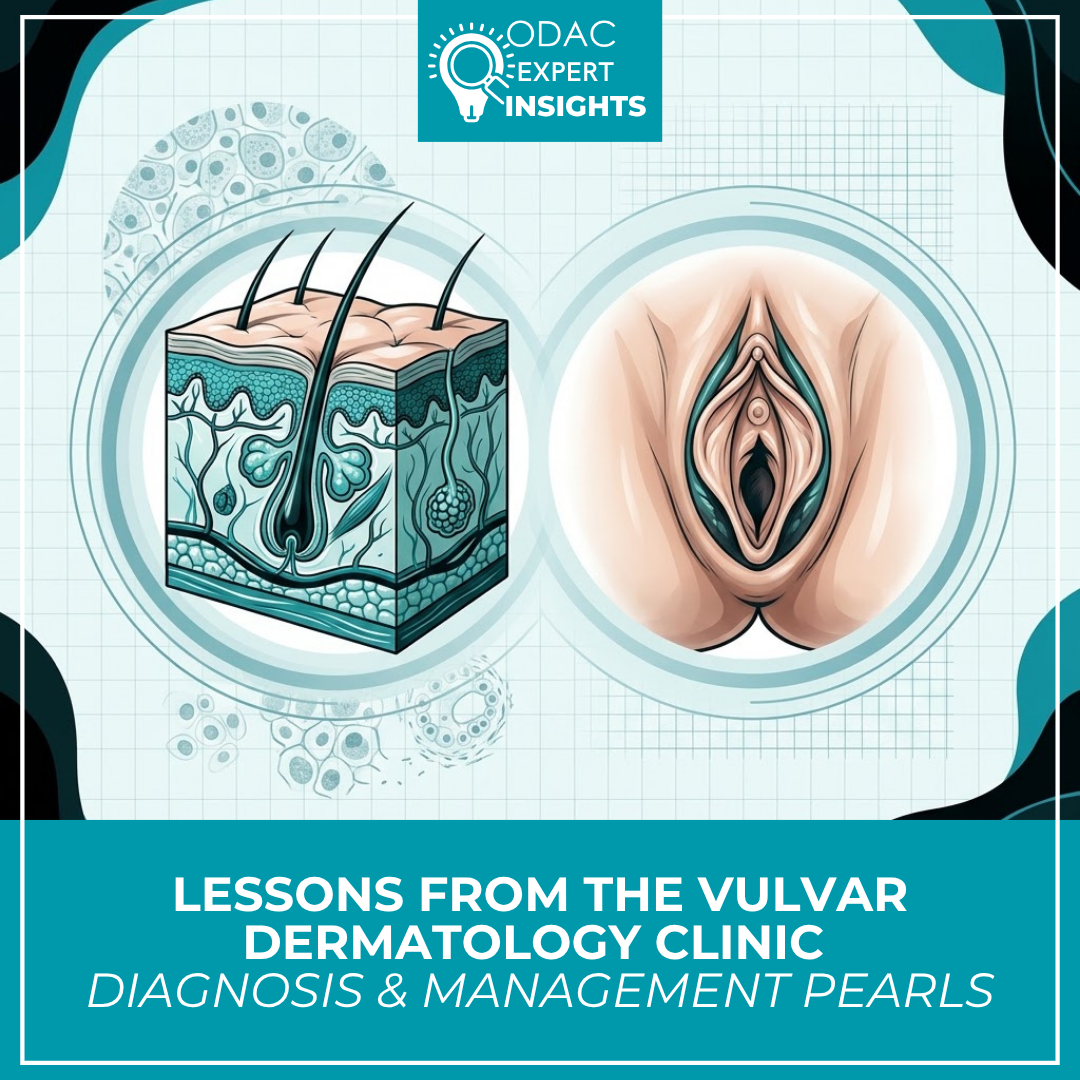 Vulvar dermatology is one of those areas where small misses can really add up. Symptoms can affect quality of life, and in some cases, result in scarring and permanent architecture changes. Dr Murphy—assistant professor of Dermatology and director of the Vulvar Health Program at George Washington University—walked through six key lessons she’s learned from caring for patients with vulvar dis …
 Continue reading "Lessons from the Vulvar Dermatology Clinic: Diagnosis & Management Pearls"
 What is the most likely diagnosis?
A. Psoriasis
B. Pityriasis rosea
C. Cutaneous T-cell lymphoma
D. Contact dermatitis
E. Lichen planus
To find out the correct answer and read the explanation, click here.
Brought to you by our brand partner
…
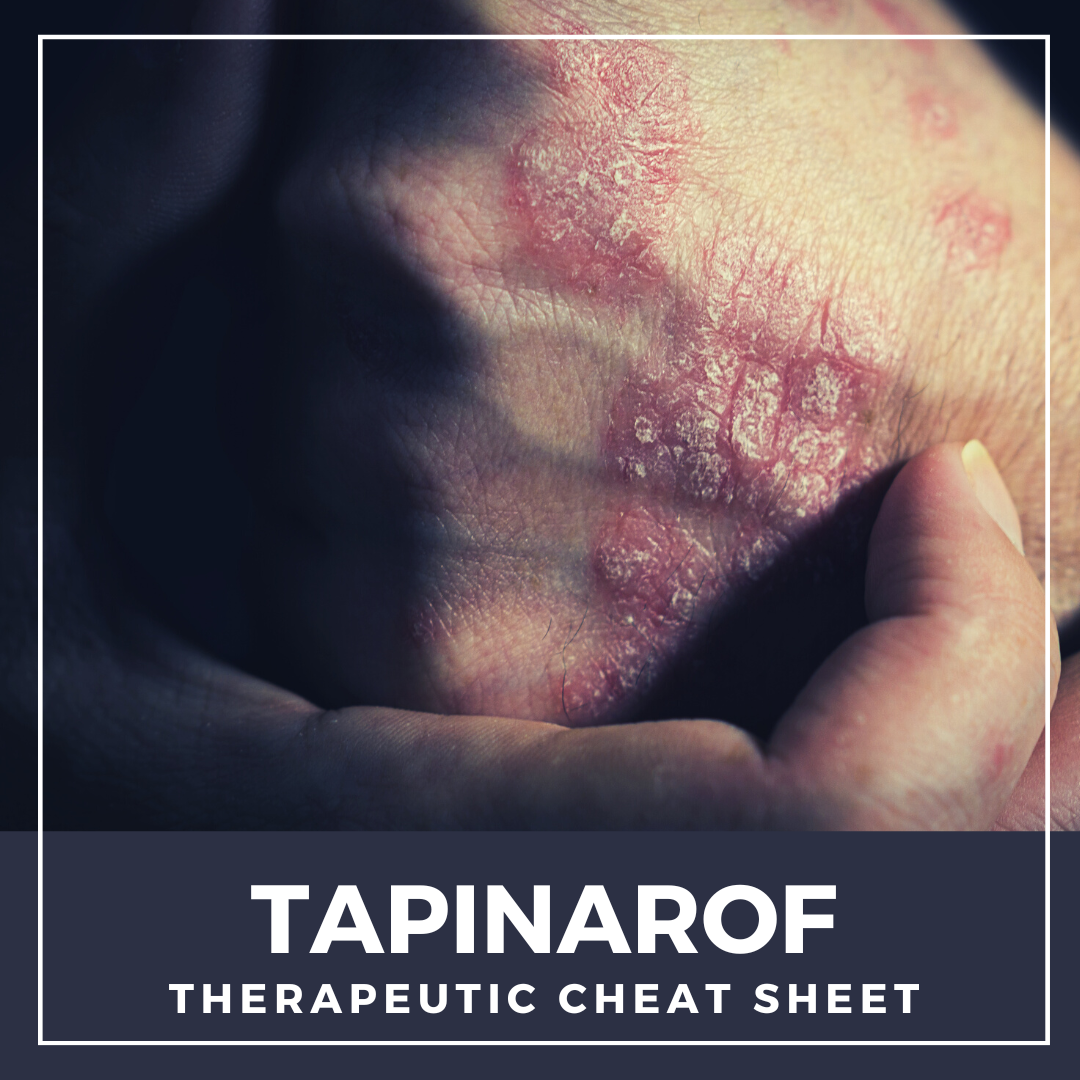 Tapinarof cream is a non-steroidal topical medication that was recently FDA approved in 2022 for the treatment of mild, moderate, or severe plaque psoriasis in adult patients. As biologic medications have continued to grow and become exceedingly present in the treatment of moderate to severe psoriasis, there has been very minimal, if any innovation in the space of topical treatments. Additionally, …
 Next Steps in Derm and the Journal of Drugs in Dermatology, in partnership with the Dermatology Education Foundation (DEF) and Physicians Resources, interviewed Dr. David E. Cohen (Charles C. and Dorothea E. Harris Professor of Dermatology, Ronald O. Perelman Department of Dermatology at NYU Grossman School of Medicine) on patch testing for allergic contact dermatitis in atopic dermatitis pati …
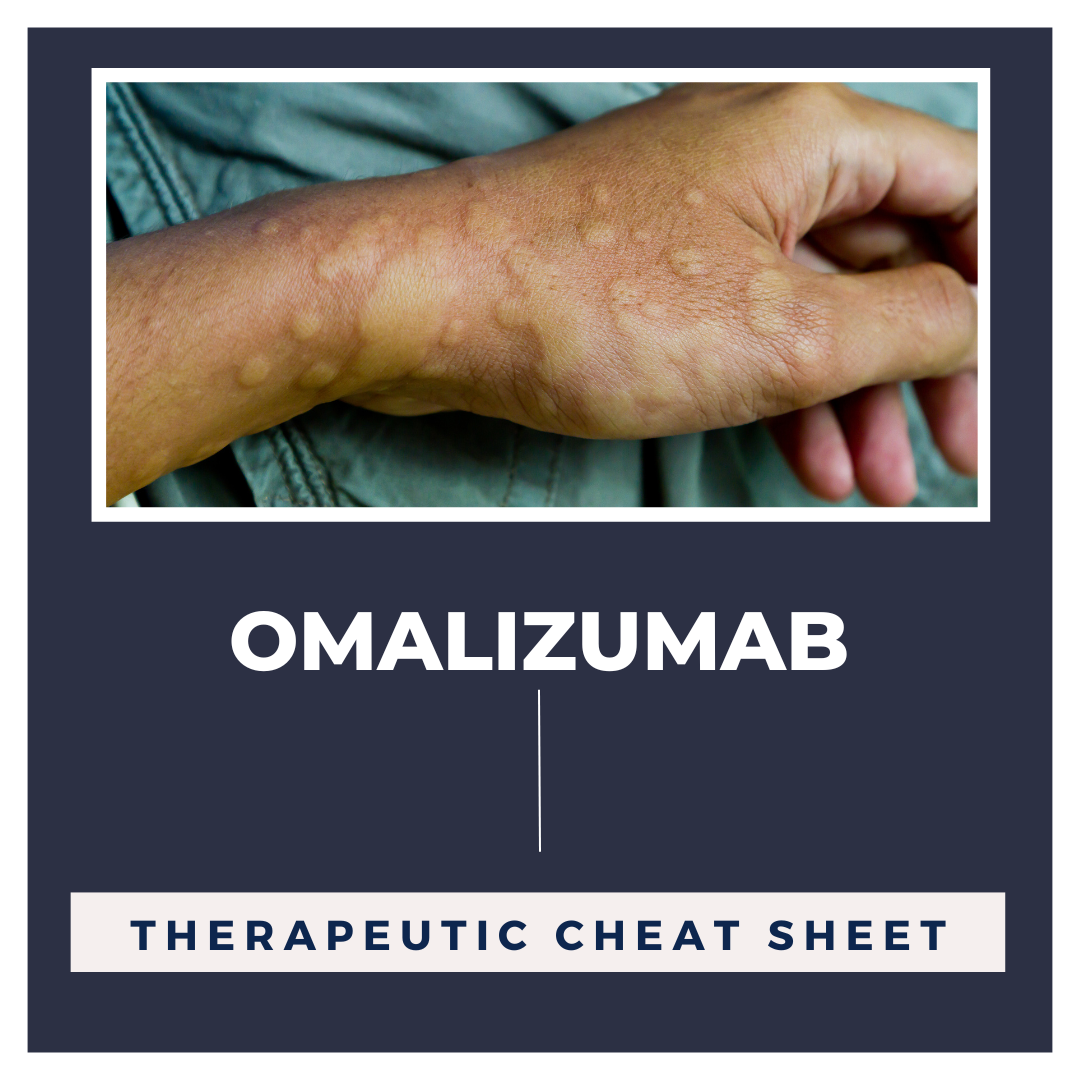 Chronic idiopathic urticaria is urticaria for greater than 6 weeks without an identifiable trigger. Cases relapse in 20% of patients for more than 5 years and be difficult to manage; however, omalizumab is a recently approved option for treatment of chronic idiopathic urticaria showing beneficial outcomes.1 Omalizumab is an injectable monoclonal antibody that has been FDA approved not just for chr …