












JDD October 2023 Issue Highlights | Special Topic: Atopic Dermatitis
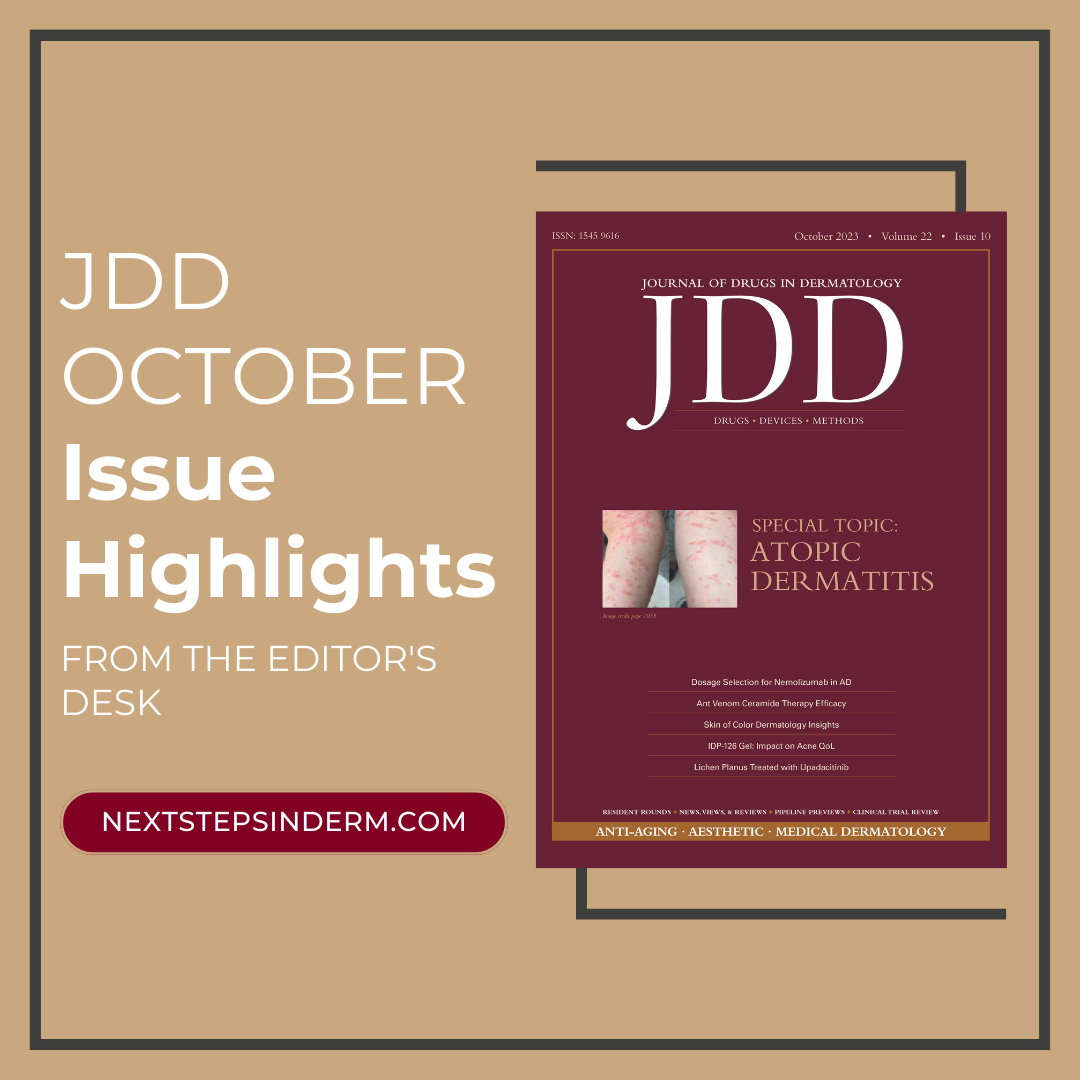 The October 2023 issue of the Journal of Drugs in Dermatology (JDD) focuses on atopic dermatitis and features mix of original articles, letters to the editor, and case reports. Among many of the topics explored in this issue are statins for treating actinic porokeratosis, ant venom-based ceramide therapy, the psychosocial burden of skin disease among skin of color consumers, treatment of lichen pl …
The October 2023 issue of the Journal of Drugs in Dermatology (JDD) focuses on atopic dermatitis and features mix of original articles, letters to the editor, and case reports. Among many of the topics explored in this issue are statins for treating actinic porokeratosis, ant venom-based ceramide therapy, the psychosocial burden of skin disease among skin of color consumers, treatment of lichen pl … Continue reading "JDD October 2023 Issue Highlights | Special Topic: Atopic Dermatitis"
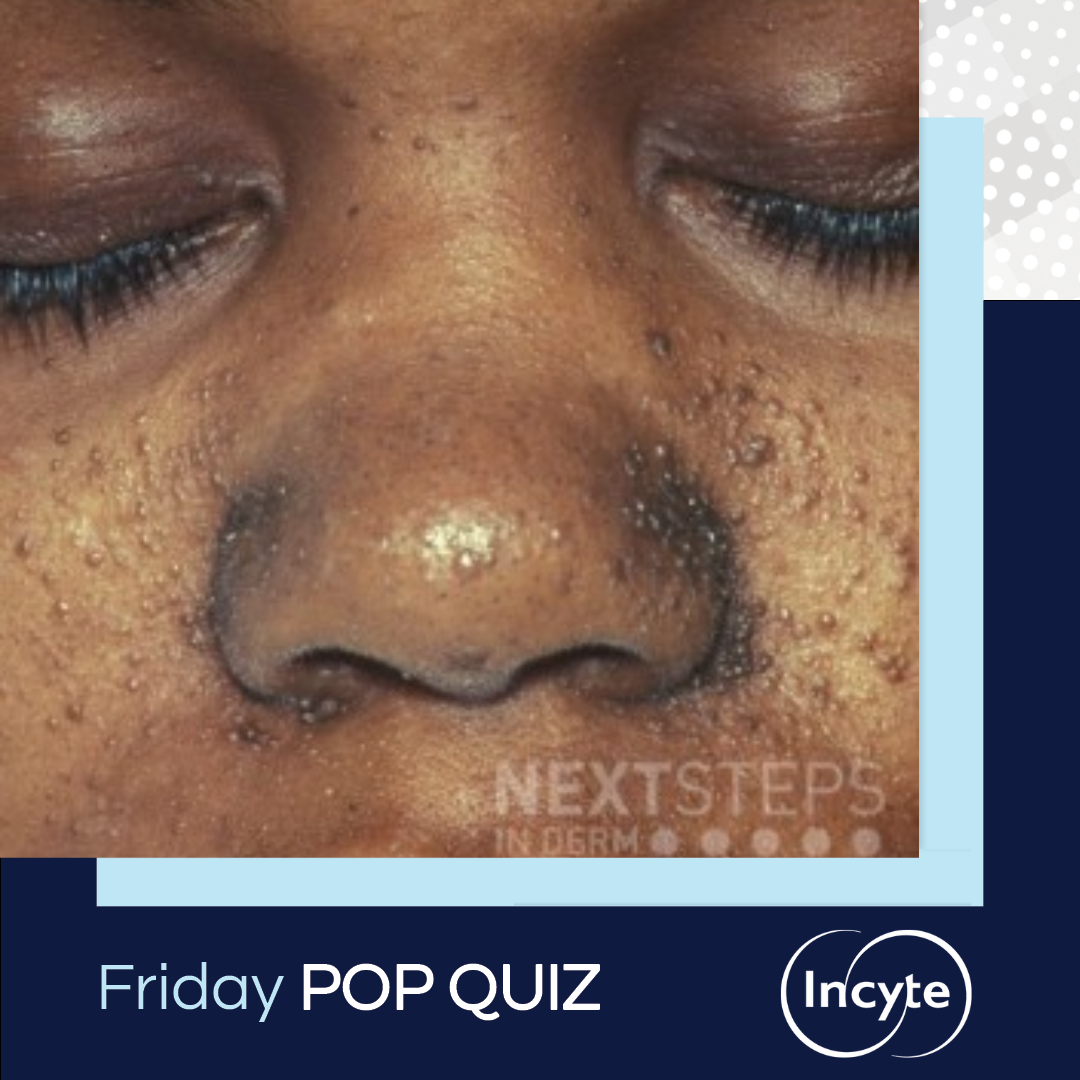 A 44-year-old man with a history of diabetes, hypertension, and major depressive disorder presents to the office with the eruption shown for several months. The lesions are also all across the patient's back and have not resolved with twice-daily clobetasol 0.05% ointment application for 2 months. Which of the following is the most appropriate treatment?
A. Intralesional triamcinolone
B. Nar …
A 44-year-old man with a history of diabetes, hypertension, and major depressive disorder presents to the office with the eruption shown for several months. The lesions are also all across the patient's back and have not resolved with twice-daily clobetasol 0.05% ointment application for 2 months. Which of the following is the most appropriate treatment?
A. Intralesional triamcinolone
B. Nar … 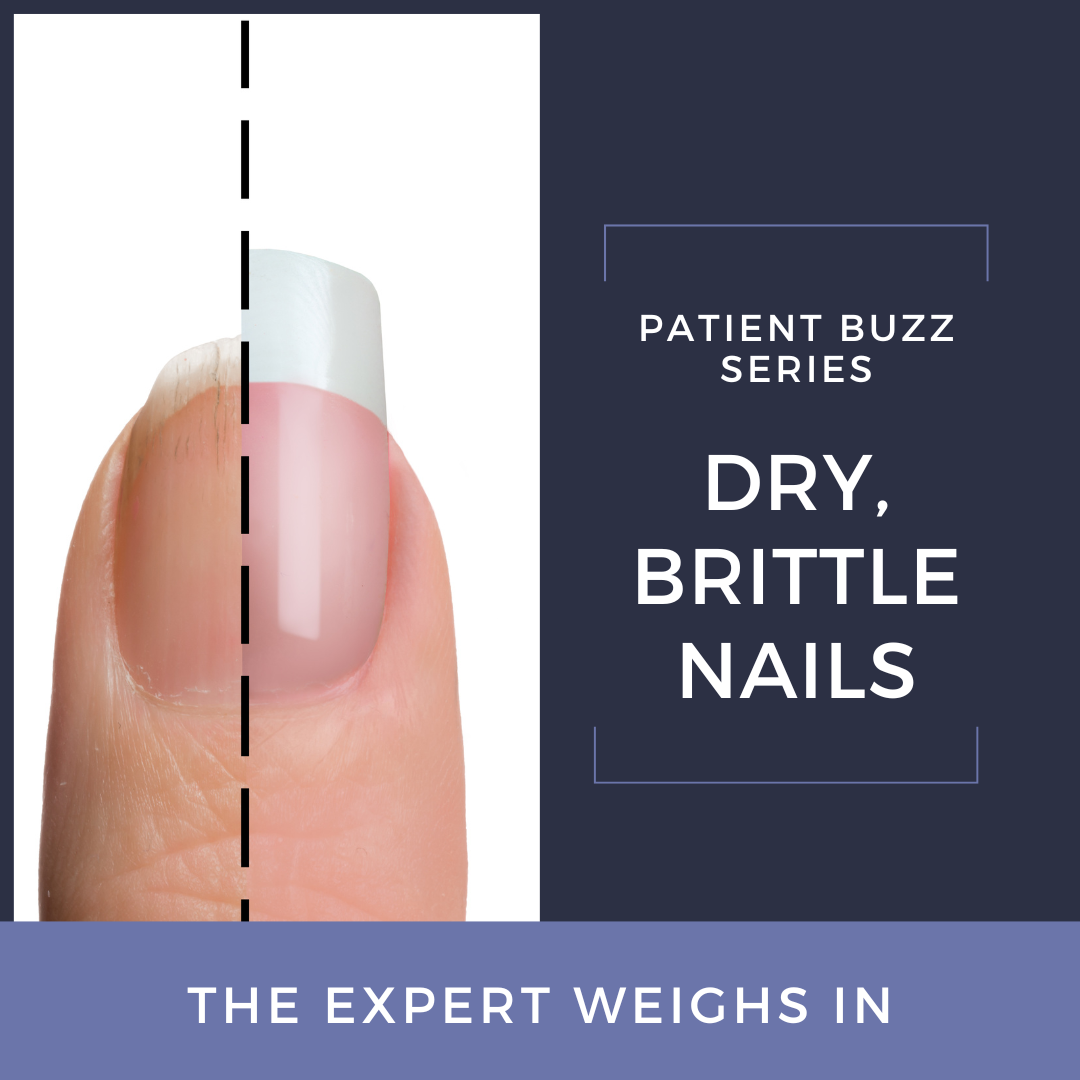 Bustle recently posted an article on tricks to strengthen dry and brittle nails. How should dermatology clinicians counsel their patients who have dry, brittle nails? What nail conditions are sometimes misdiagnosed as dry, brittle nails?
For expert advice, I reached out to Molly Hinshaw, MD, professor of dermatology, section chief of dermatopathology and director of the nail clinic at the U …
Bustle recently posted an article on tricks to strengthen dry and brittle nails. How should dermatology clinicians counsel their patients who have dry, brittle nails? What nail conditions are sometimes misdiagnosed as dry, brittle nails?
For expert advice, I reached out to Molly Hinshaw, MD, professor of dermatology, section chief of dermatopathology and director of the nail clinic at the U … 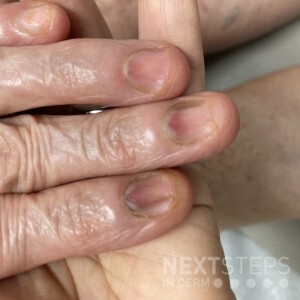 A 40-year-old female develops a wing of extra tissue in all of her fingernails which developed gradually through the years. You mention it is due to scarring in the nail matrix. What is the most common dermatologic association with this condition?
A. Lichen planus
B. Trauma
C. Stevens-Johnson syndrome
D. Alopecia areata
E. Renal failure
To find out the correct answer and read t …
A 40-year-old female develops a wing of extra tissue in all of her fingernails which developed gradually through the years. You mention it is due to scarring in the nail matrix. What is the most common dermatologic association with this condition?
A. Lichen planus
B. Trauma
C. Stevens-Johnson syndrome
D. Alopecia areata
E. Renal failure
To find out the correct answer and read t …  While we have an increasing armamentarium of biologic agents and targeted systemic medications for certain dermatologic conditions such as psoriasis or atopic dermatitis, treatment options are still limited for a litany of other inflammatory cutaneous disorders. Additionally, when discussing therapeutic options, patients often opt for medications that are established, safe, well-tolerated and mini …