












Suncare Sundays: Tanning Beds are Not Safer Than the Sun
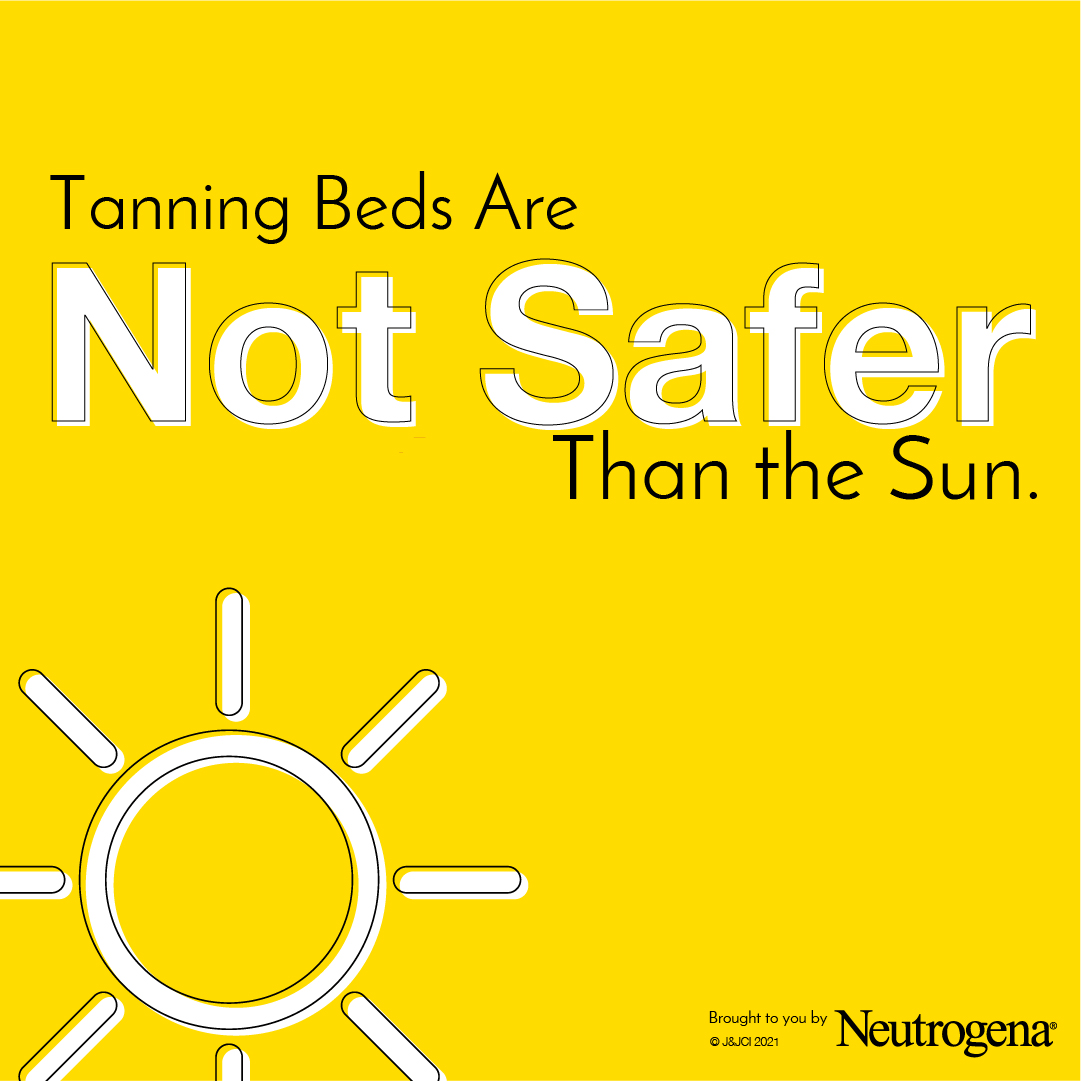 Tanning beds are NOT safer than the sun.1
More than 419,000 cases of skin cancer in the U.S. each year are linked to indoor tanning.2
Melanoma is the second most common cancer in females age 15-29.3
Tanning = DNA injury to your skin4
Skin exposed to UV radiation increases production of melanin to protect the skin from further damage. The increased melanin causing the tan color change is a si …
Tanning beds are NOT safer than the sun.1
More than 419,000 cases of skin cancer in the U.S. each year are linked to indoor tanning.2
Melanoma is the second most common cancer in females age 15-29.3
Tanning = DNA injury to your skin4
Skin exposed to UV radiation increases production of melanin to protect the skin from further damage. The increased melanin causing the tan color change is a si …
Tanning beds are NOT safer than the sun.1
More than 419,000 cases of skin cancer in the U.S. each year are linked to indoor tanning.2
Melanoma is the second most common cancer in females age 15-29.3
Tanning = DNA injury to your skin4
Skin exposed to UV radiation increases production of melanin to protect the skin from further damage. The increased melanin causing the tan color change is a si … Continue reading "Suncare Sundays: Tanning Beds are Not Safer Than the Sun"
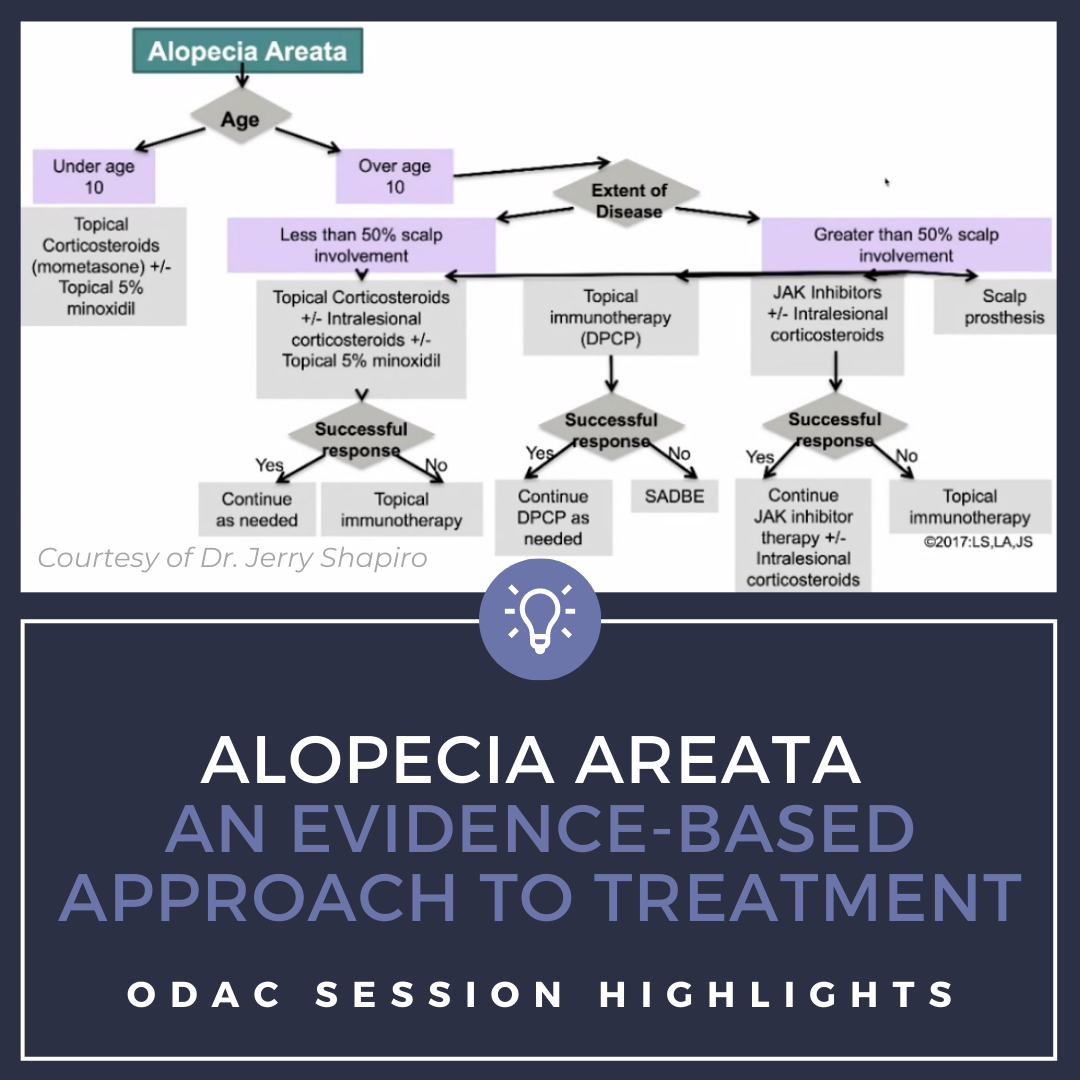 Alopecia areata is a form of non-scarring hair loss that affects both children and adults, causing significant quality of life impairment. Varying from localized to widespread hair loss, including alopecia totalis and universalis variants, alopecia areata can be self-resolving or chronic in its course. For years and in some cases centuries, treatment was limited to caustic substances that irritate …
  BACKGROUND
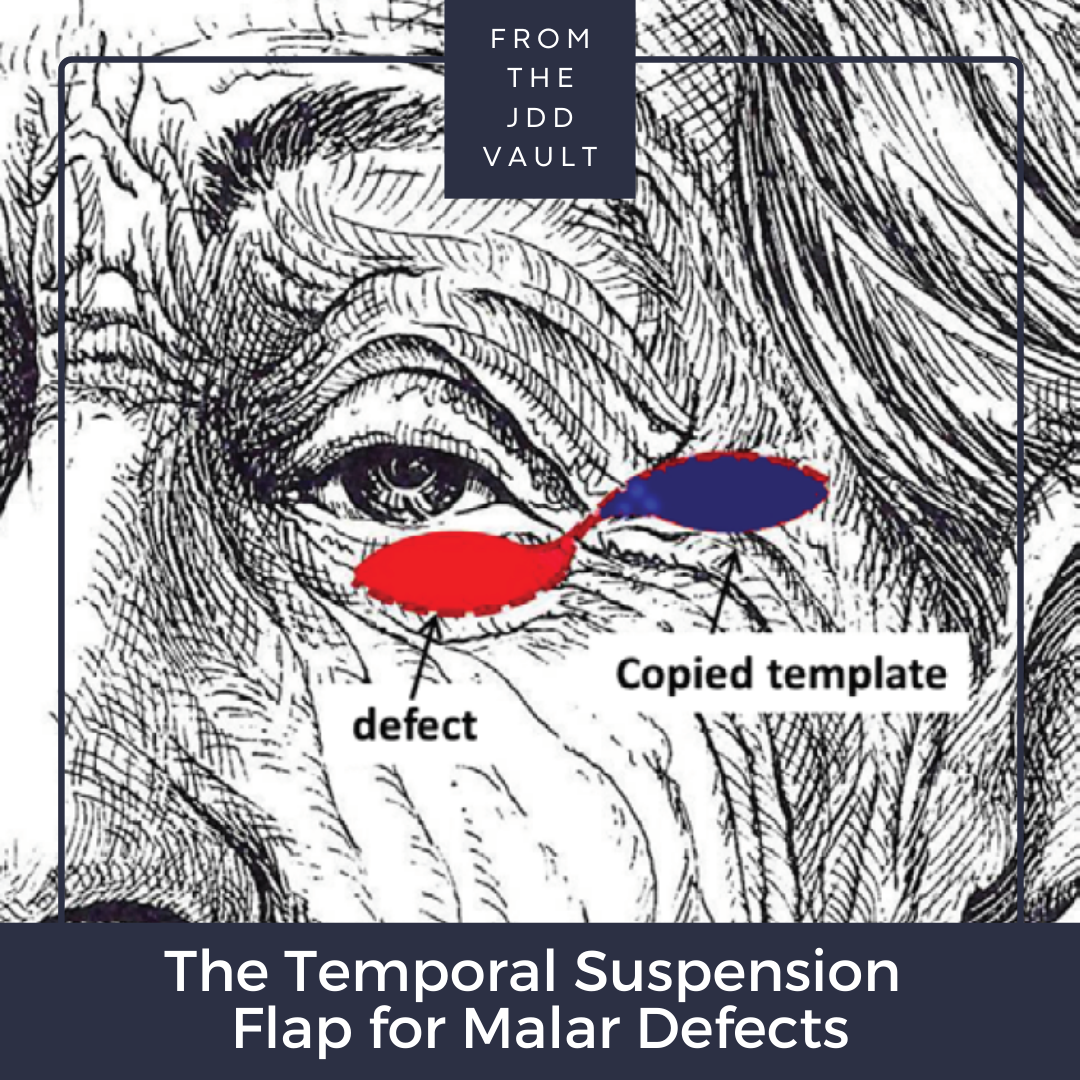
The upper lateral cheek bears unique and distinct local characteristics that are key features in facial aesthetics and functionality. Its main landmarks are the lower eyelid, the lateral canthus, and the temporal hairline. When contemplating treatment options for defects in this area, the surgeon should take into consideration the possible effects of the reconstructive method on the pr …
BACKGROUND
The upper lateral cheek bears unique and distinct local characteristics that are key features in facial aesthetics and functionality. Its main landmarks are the lower eyelid, the lateral canthus, and the temporal hairline. When contemplating treatment options for defects in this area, the surgeon should take into consideration the possible effects of the reconstructive method on the pr …  Pediatric lichen planopilaris (LPP) is a clinical variant of lichen planus (LP) that can lead to scarring hair loss without prompt intervention. While various therapies exist, intralesional and topical corticosteroids remain the mainstay of treatment in pediatric LPP. Refractory cases may require systemic therapies, selection of which may prove challenging due to the lack of data regarding pediatr …
 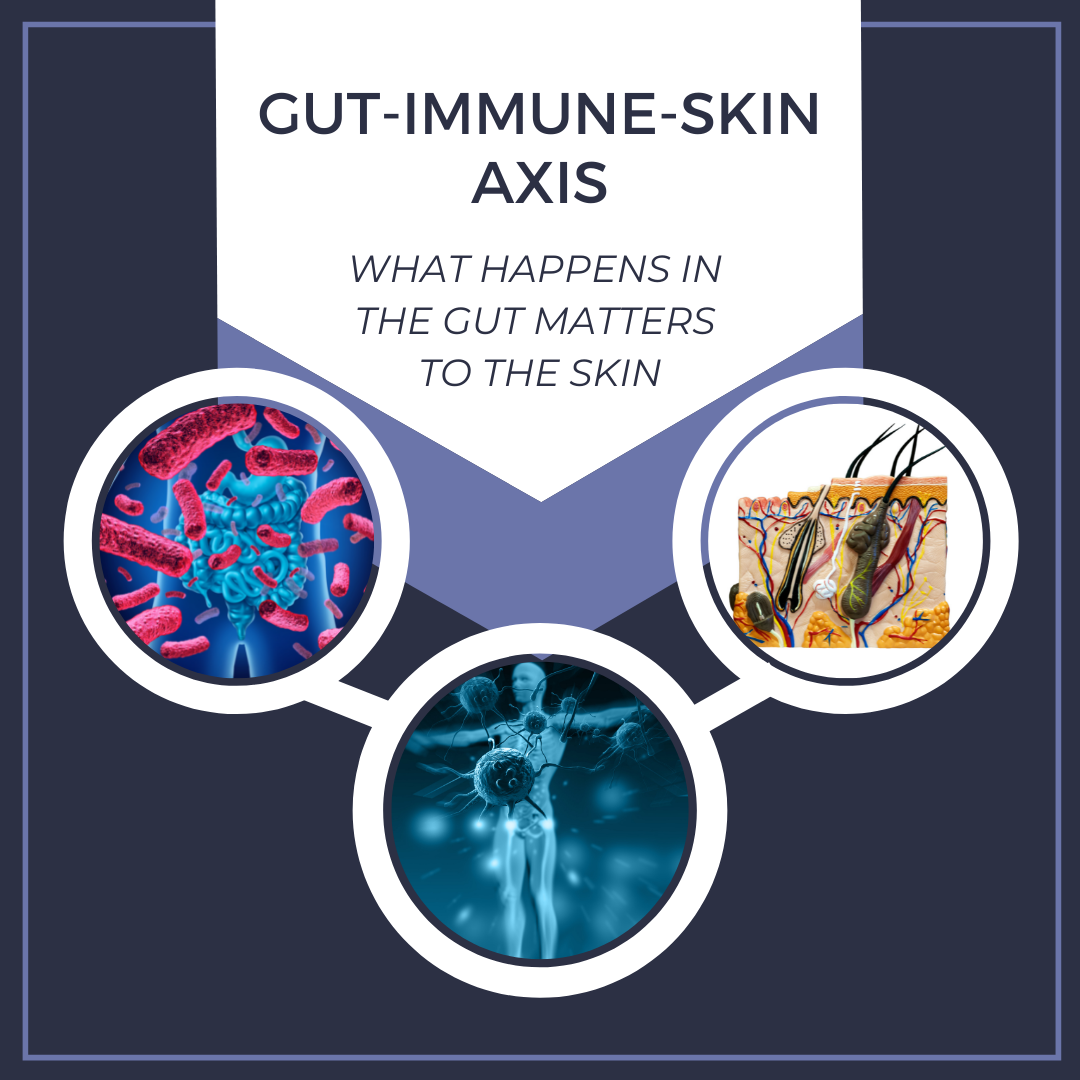 The gut-immune-skin axis describes how the gut microbiome communicates with the skin via complex interactions with the immune system to regulate local and systemic inflammation. Before attempting to delineate that relationship, we must first grasp a firm understanding of the gut ecosystem. The gut ecosystem is made up of the epithelial interface, which is characterized by
the epithelial …
The gut-immune-skin axis describes how the gut microbiome communicates with the skin via complex interactions with the immune system to regulate local and systemic inflammation. Before attempting to delineate that relationship, we must first grasp a firm understanding of the gut ecosystem. The gut ecosystem is made up of the epithelial interface, which is characterized by
the epithelial …