












JDD November 2022 Issue Highlights | Lasers, Light Sources, and Devices
 The November issue of the Journal of Drugs in Dermatology (JDD) focuses on lasers, lights sources, and devices featuring original articles and case reports exploring topics such as combination of platelet rich plasma and 1550 nm fractional laser for androgenetic alopecia, safety of combination laser procedures in single clinic visit, efficacy of a fractionated 1540 nm erbium glass laser in the tre …
 Continue reading "JDD November 2022 Issue Highlights | Lasers, Light Sources, and Devices"
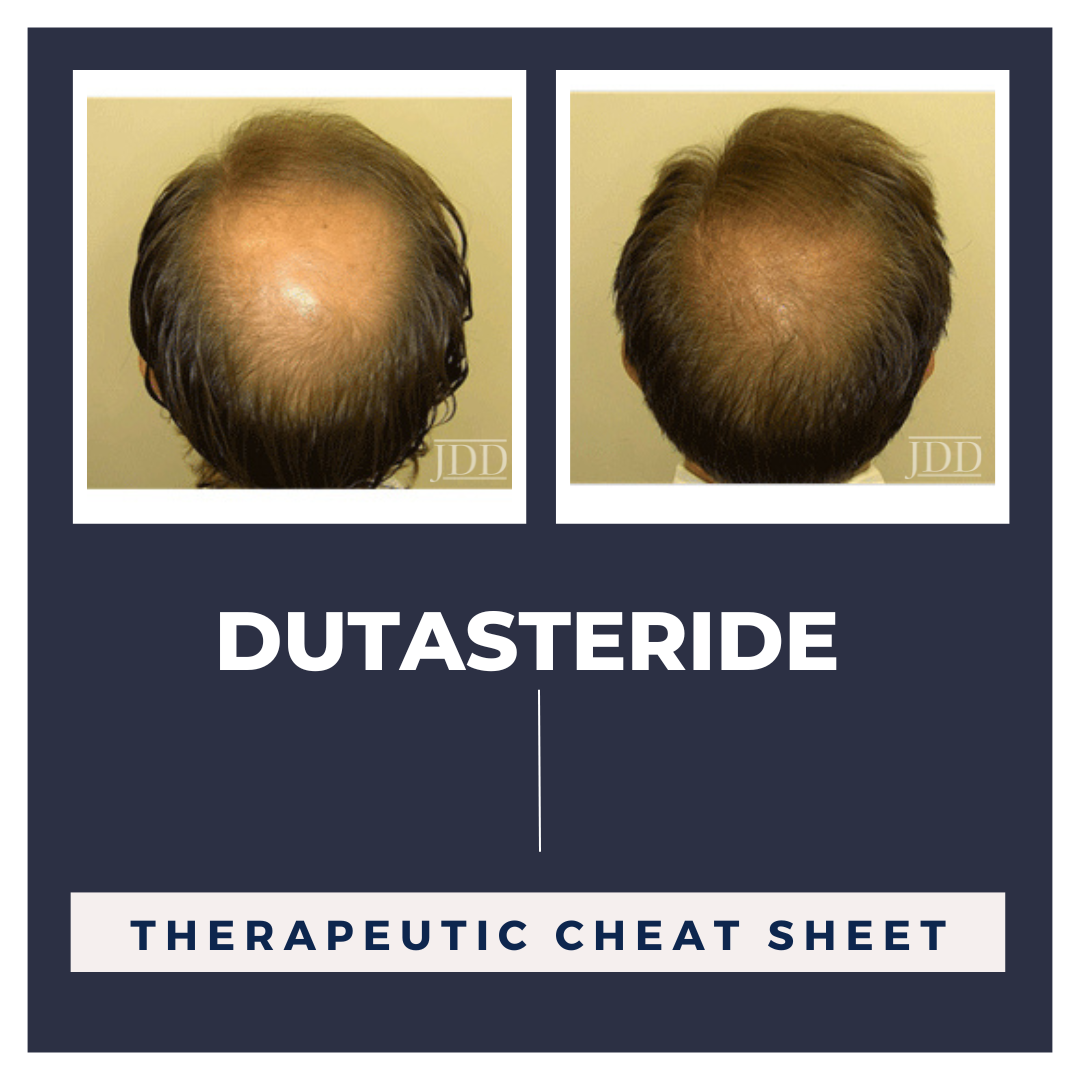 Androgenic alopecia (AGA) is one of the most common forms of hair loss and represents a frequently faced disabling concern in dermatology visits. Targeting the 5α-dihydrotestosterone (DHT) pathway has been shown to be an efficacious mechanism of action, with finasteride being the only systemic FDA-approved drug to treat male AGA. Recently, its sister drug, dutasteride, has been increasingly utili …
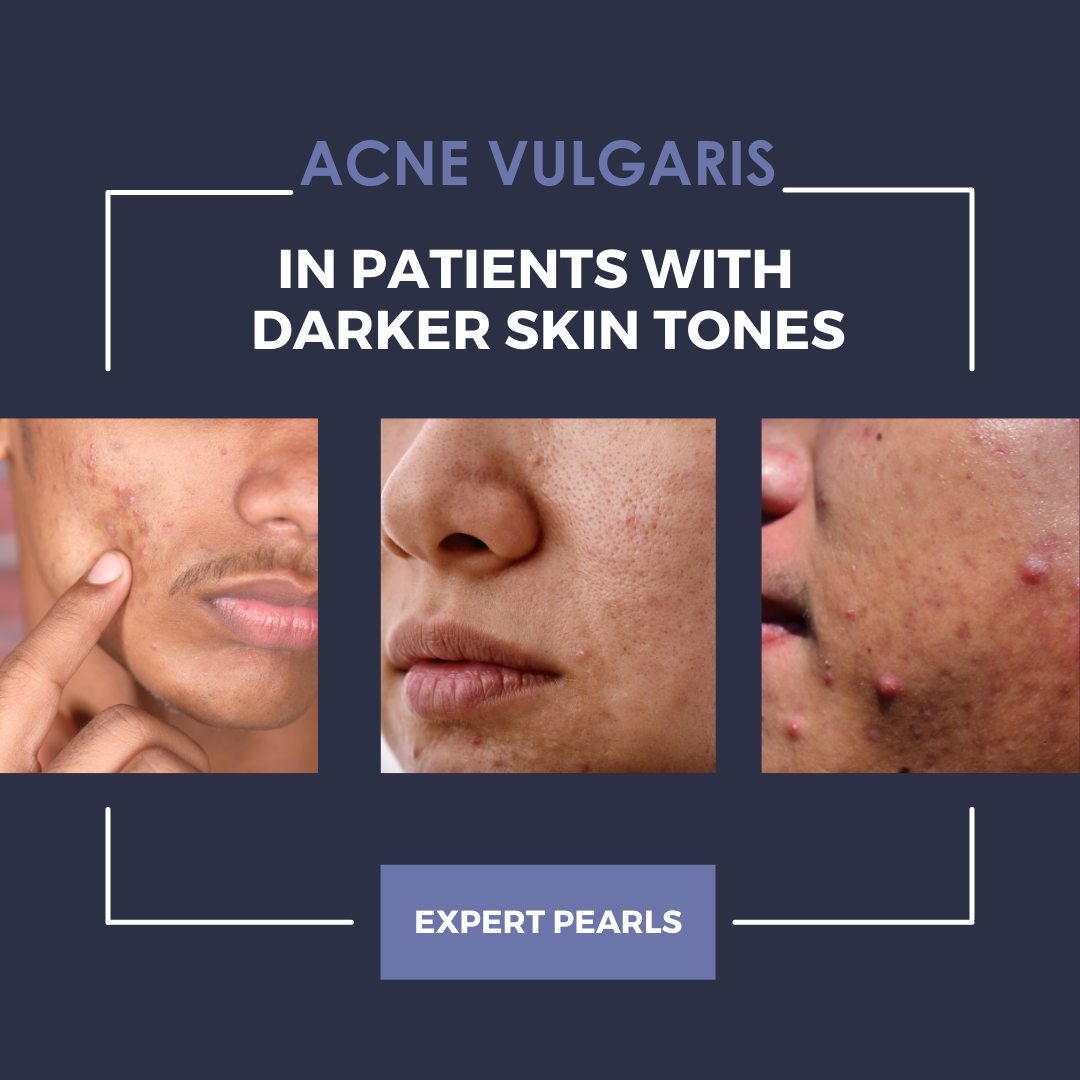 At the 2021 Skin of Color Update virtual conference, Dr. Alexis highlighted key considerations when treating acne in patients with darker skin phototypes in addition to current and emerging strategies to improve treatment outcomes.
When treating acne patients with skin of color, it is important to consider the concomitant issue of post inflammatory hyperpigmentation (PIH). This PIH may be the d …
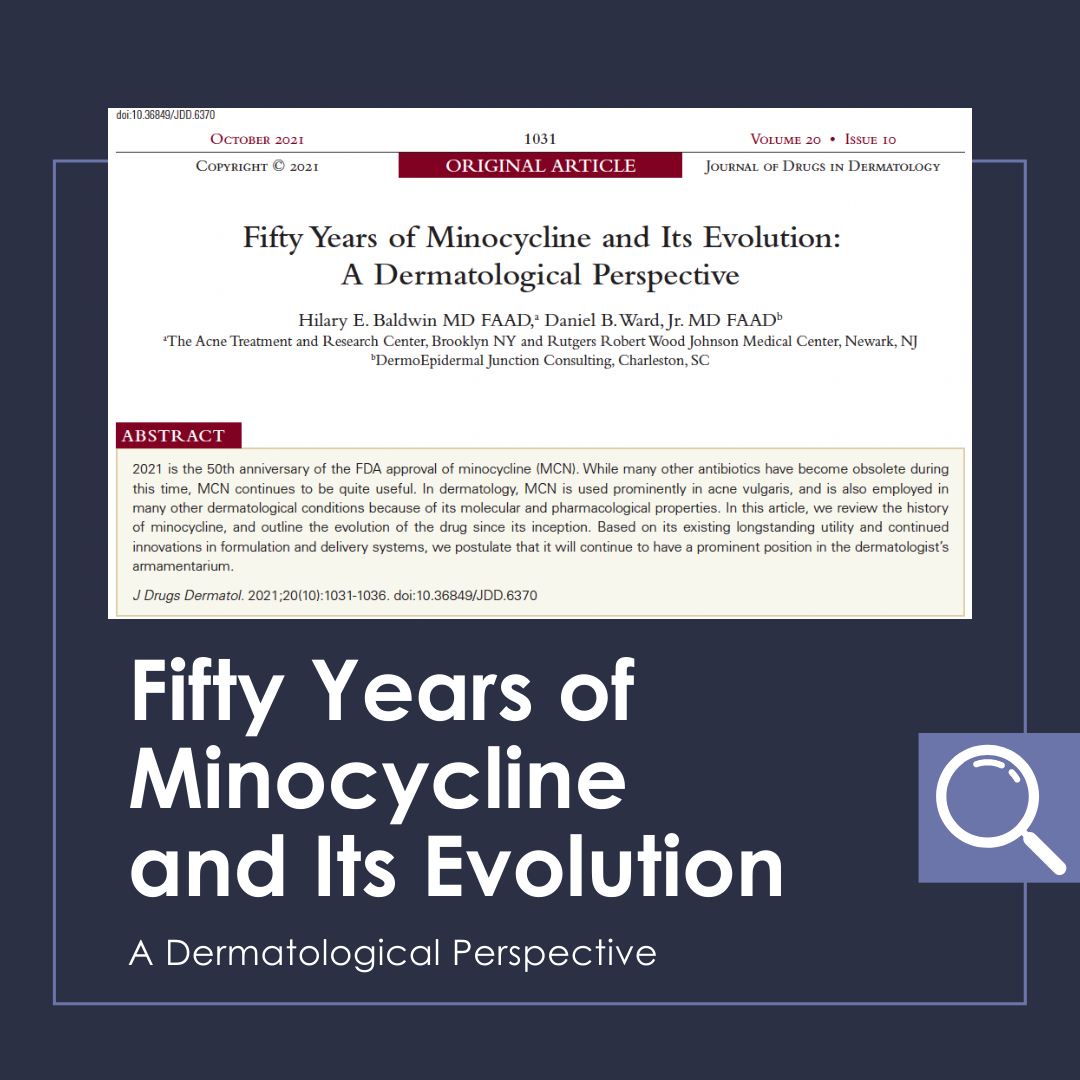 2021 is the 50th anniversary of the FDA approval of minocycline (MCN). While many other antibiotics have become obsolete during this time, MCN continues to be quite useful. In dermatology, MCN is used prominently in acne vulgaris, and is also employed in many other dermatological conditions because of its molecular and pharmacological properties. In this article, we review the history of minocycli …
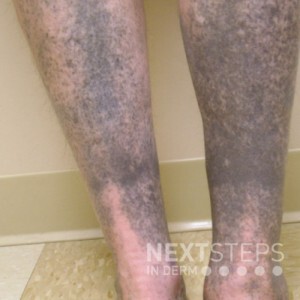 This patient also has a diagnosis of acne vulgaris (diagnosed 10 years ago). What is the most likely explanation for these cutaneous changes?
A. Peripheral vascular disease
B. Diabetes mellitus
C. Drugs hypersensitivity reaction to penicillin
D. Minocycline-induced hyperpigmentation
E. Leukocytoclastic vasculitis
To find out the correct answer and read the explanation, click he …