












Atopic Dermatitis (AD) Treatment Initiation and Monitoring
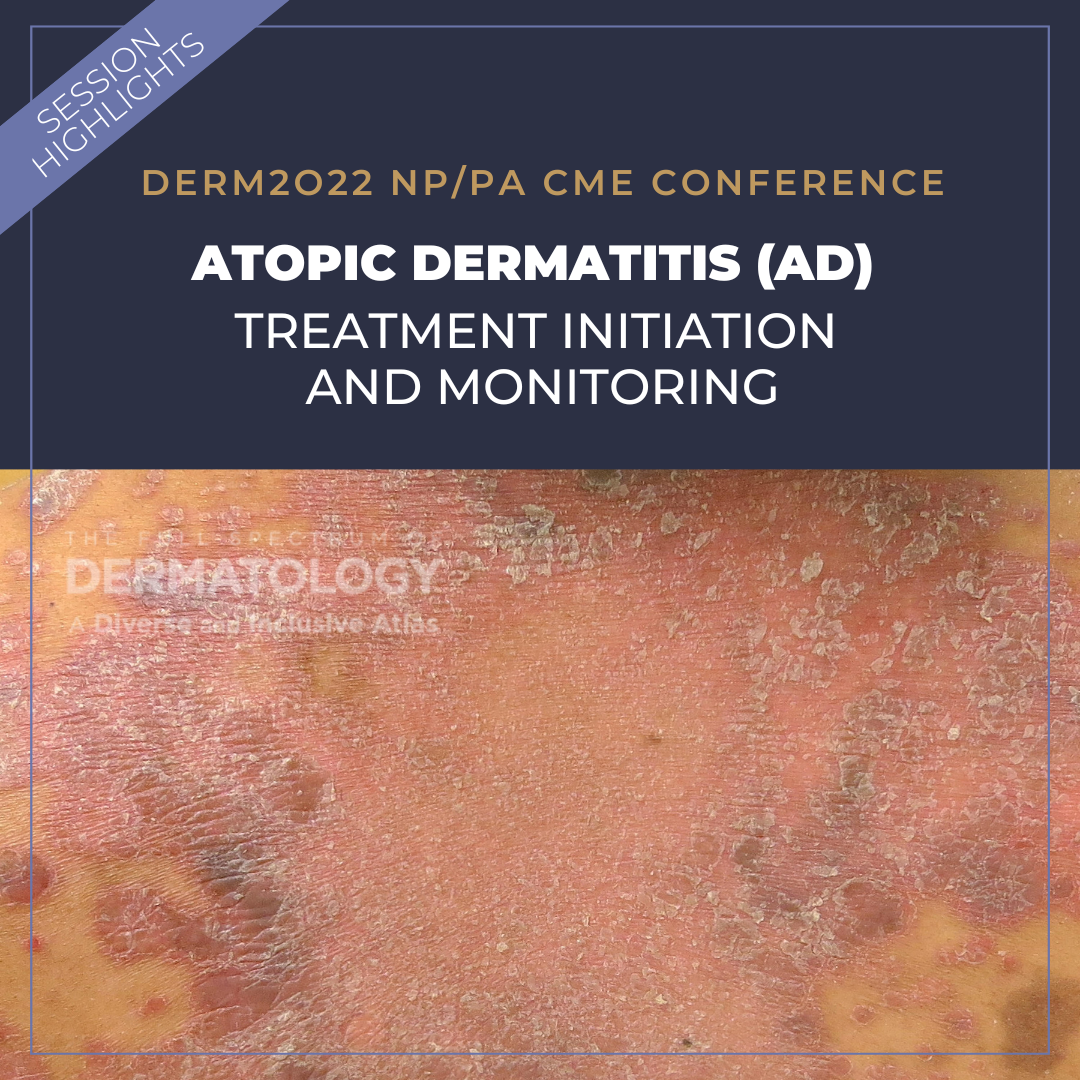 During the recent DERM2O22 NP/PA CME conference held July 28-31, 2022, Drs. David Cohen, Brad Glick, and Adam Friedman led a case-based panel discussion on atopic dermatitis (AD) treatment initiation and monitoring. This article provides a summary of their discussion and recommendations.
CASE 1
51-year-old male with a 20-year history of AD. The patient was first seen in September 2015 with BSA …
During the recent DERM2O22 NP/PA CME conference held July 28-31, 2022, Drs. David Cohen, Brad Glick, and Adam Friedman led a case-based panel discussion on atopic dermatitis (AD) treatment initiation and monitoring. This article provides a summary of their discussion and recommendations.
CASE 1
51-year-old male with a 20-year history of AD. The patient was first seen in September 2015 with BSA …
During the recent DERM2O22 NP/PA CME conference held July 28-31, 2022, Drs. David Cohen, Brad Glick, and Adam Friedman led a case-based panel discussion on atopic dermatitis (AD) treatment initiation and monitoring. This article provides a summary of their discussion and recommendations.
CASE 1
51-year-old male with a 20-year history of AD. The patient was first seen in September 2015 with BSA … Continue reading "Atopic Dermatitis (AD) Treatment Initiation and Monitoring"
 Colloidal oatmeal has a long history of use in the treatment of dermatologic disease. Oat is composed of various phytochemicals which contribute to its wide-ranging function and clinical use in atopic dermatitis and other skin conditions resulting from an impaired skin barrier and inflammation.
OAT COMPOSITION & BENEFITS
The main components of colloidal oatmeal are polysaccharides (including …
Colloidal oatmeal has a long history of use in the treatment of dermatologic disease. Oat is composed of various phytochemicals which contribute to its wide-ranging function and clinical use in atopic dermatitis and other skin conditions resulting from an impaired skin barrier and inflammation.
OAT COMPOSITION & BENEFITS
The main components of colloidal oatmeal are polysaccharides (including … 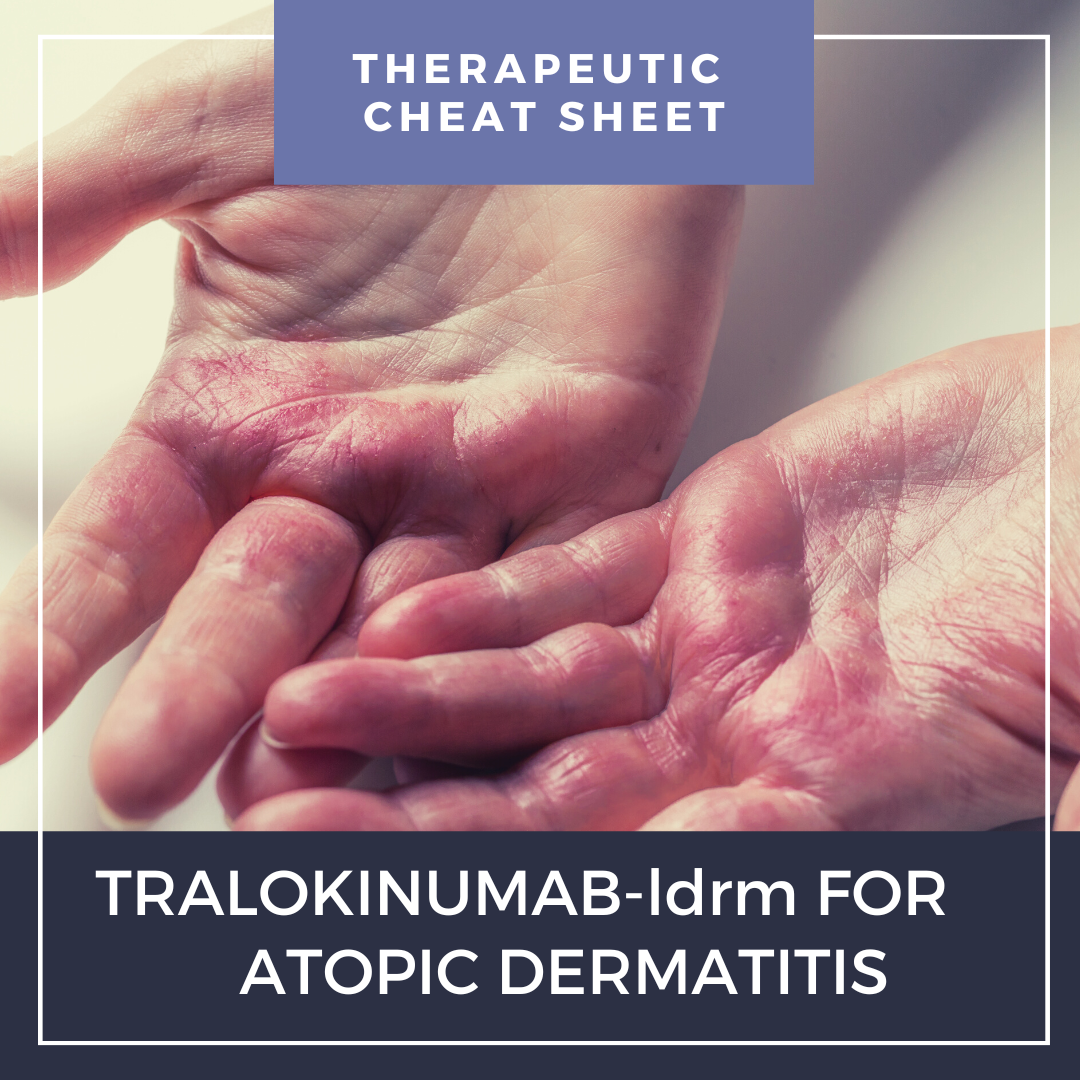 Atopic dermatitis is a common, chronic, life-altering disease. With its visibility and debilitating pruritus, atopic dermatitis significantly impacts our patients’ quality of life. For those with resistant and extensive disease, we are happy to have numerous new systemic agents at our disposal, one being tralokinumab, an IL-13 antagonist. We continue our series, Therapeutic Cheat Sheet, with a c …
 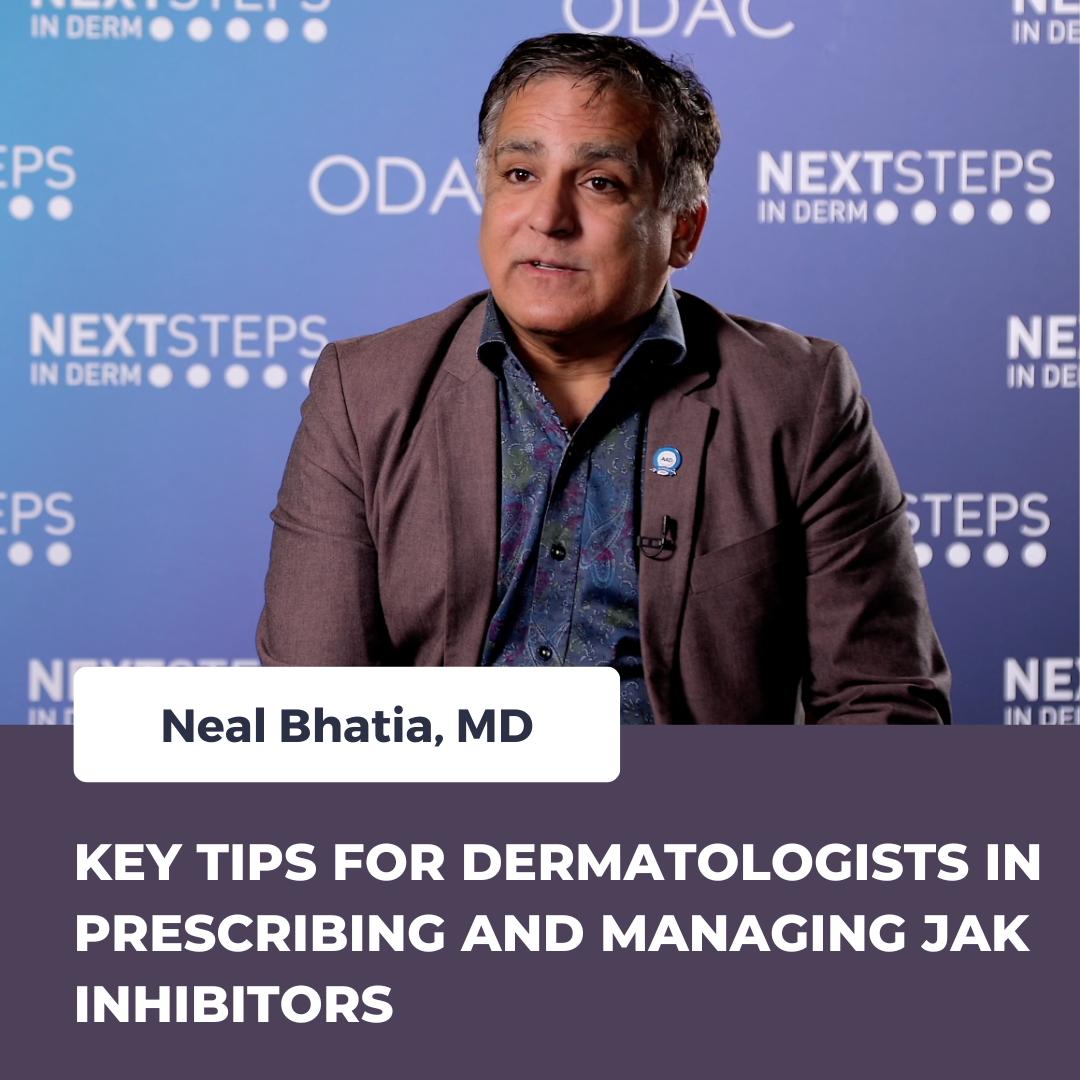 Next Steps in Derm, in partnership with ODAC Dermatology, Aesthetic and Surgical Conference, interviewed Dr. Neal Bhatia (a board-certified Dermatologist who serves as Director of Clinical Dermatology at Therapeutics Clinical Research ) about the latest with JAK inhibitors. Watch as he summarizes the most recent trials, approvals, and developments. Plus why doctors shouldn't be afraid to dive in w …
  Data-Driven Dermatology Improves Patient Outcomes
The use of real-world data and real-world evidence to inform health care decisions is increasing. While randomized controlled trials (RCTs) are still the gold standard for evidence-based medicine, the strict inclusion/exclusion criteria and tightly controlled conditions limit their generalizability to real-world clinical practice. Real worl …
Data-Driven Dermatology Improves Patient Outcomes
The use of real-world data and real-world evidence to inform health care decisions is increasing. While randomized controlled trials (RCTs) are still the gold standard for evidence-based medicine, the strict inclusion/exclusion criteria and tightly controlled conditions limit their generalizability to real-world clinical practice. Real worl …