












Keloids: Medical Treatment Strategies with Dr. Kerby
 Next Steps in Derm, in partnership with Skin of Color Update, interviewed Dr. Eva Kerby, assistant professor of clinical dermatology at Weill Cornell Medical College. Dr. Kerby shares her preferred medical treatment options for keloids, and why it’s important to set treatment expectations with patients. Watch as Dr. Kerby shares tips for good injection technique and how to treat larger, nodul …
Next Steps in Derm, in partnership with Skin of Color Update, interviewed Dr. Eva Kerby, assistant professor of clinical dermatology at Weill Cornell Medical College. Dr. Kerby shares her preferred medical treatment options for keloids, and why it’s important to set treatment expectations with patients. Watch as Dr. Kerby shares tips for good injection technique and how to treat larger, nodul … Continue reading "Keloids: Medical Treatment Strategies with Dr. Kerby"
 The February issue of the Journal of Drugs in Dermatology (JDD) includes the perfect blend of original articles, case reports, and brief communications exploring topics such as efficacy and safety of 1% clascoterone cream in patients aged ≥12 years with acne vulgaris, dupilumab’s impact on atopic dermatitis among adolescent and adult patients, development and validation of a photonumeric scale …
 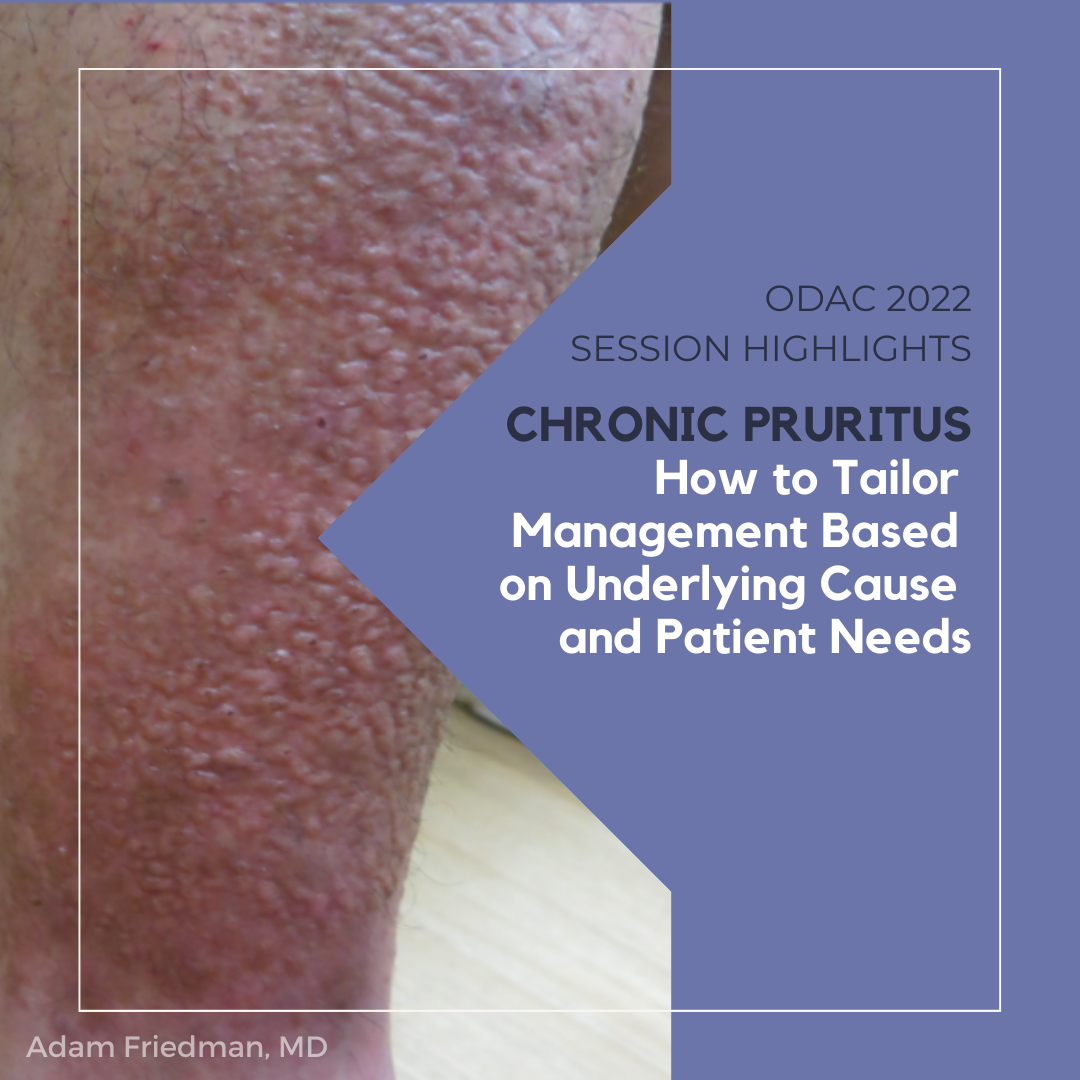 Wow! The ODAC Dermatology Conference in January 2022 highlighted the importance of conference attendance and the need for expert lectures on clinically relevant dermatologic topics. We are in an era when basic sciences and translational research has direct correlation and impact on our therapeutic measures for patients. While it is refreshing to have so many options for patients’ treatment, it …
 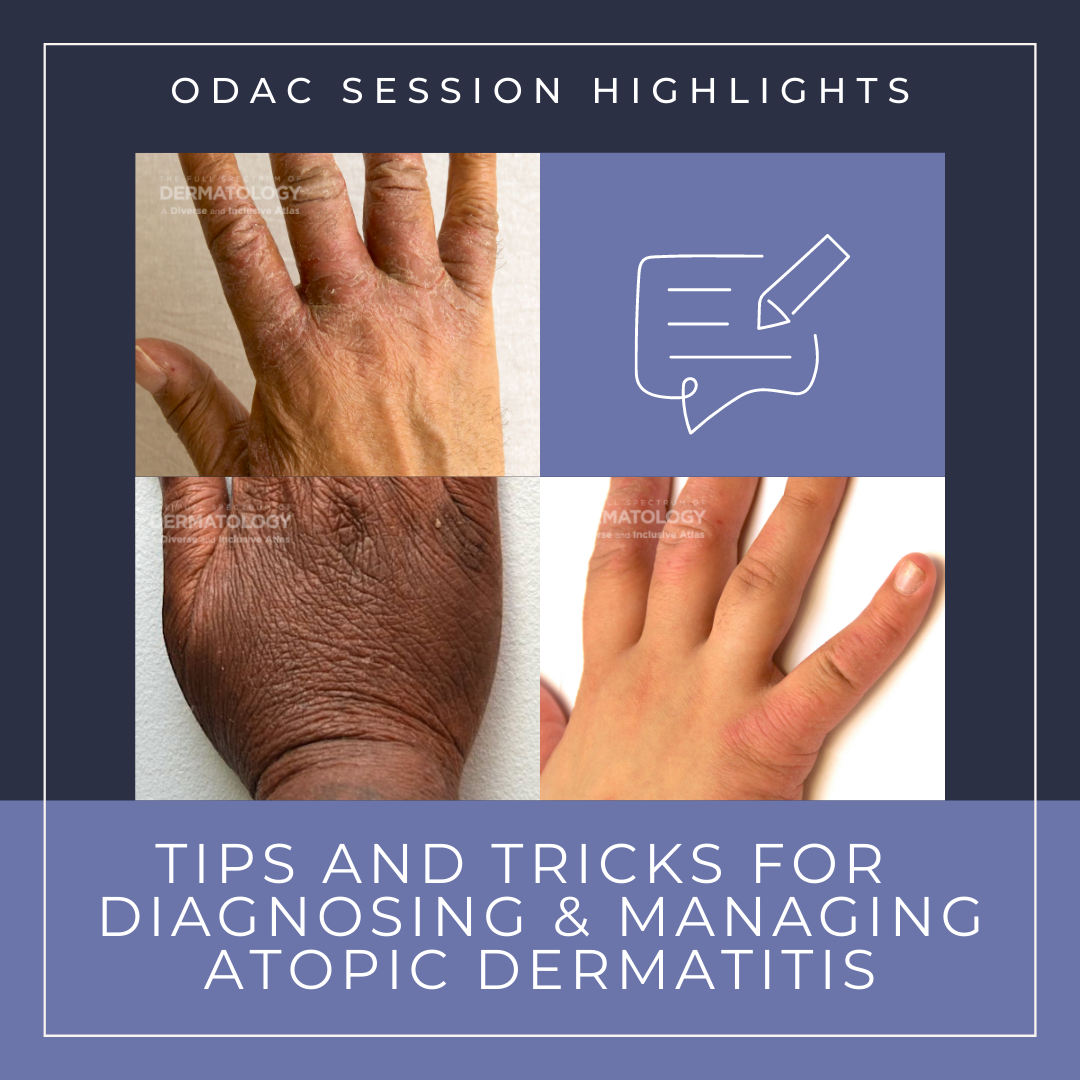 Atopic dermatitis is a heterogeneous, chronic inflammatory disease that affects upwards of 10% of children and 7% of adults in the United States. Despite being an incredibly common skin concern among patients, AD continues to pose diagnostic and treatment challenges to dermatologists.
What are some common misconceptions about AD?
AD always starts in childhood. FALSE. 25% of adults w …
Atopic dermatitis is a heterogeneous, chronic inflammatory disease that affects upwards of 10% of children and 7% of adults in the United States. Despite being an incredibly common skin concern among patients, AD continues to pose diagnostic and treatment challenges to dermatologists.
What are some common misconceptions about AD?
AD always starts in childhood. FALSE. 25% of adults w …  The March 2022 issue of the Journal of Drugs in Dermatology (JDD) includes the perfect blend of original articles, case reports, and editorials. With topics ranging from acne and psoriasis to Platelet Rich Plasma (PRP) for scarring alopecia and racial differences and their impact on treatment for hidradenitis suppurativa, we share this month’s issue highlights straight from the JDD Editor’s de …