












JDD December 2023 Issue Highlights
 Welcome to the December 2023 issue of the Journal of Drugs in Dermatology (JDD), where cutting-edge research and advancements in the field of dermatology take center stage. This issue brings together a diverse array of original articles, case reports, brief communications, and letters to the editor and delves into the latest developments, therapeutic breakthroughs, and cl …
 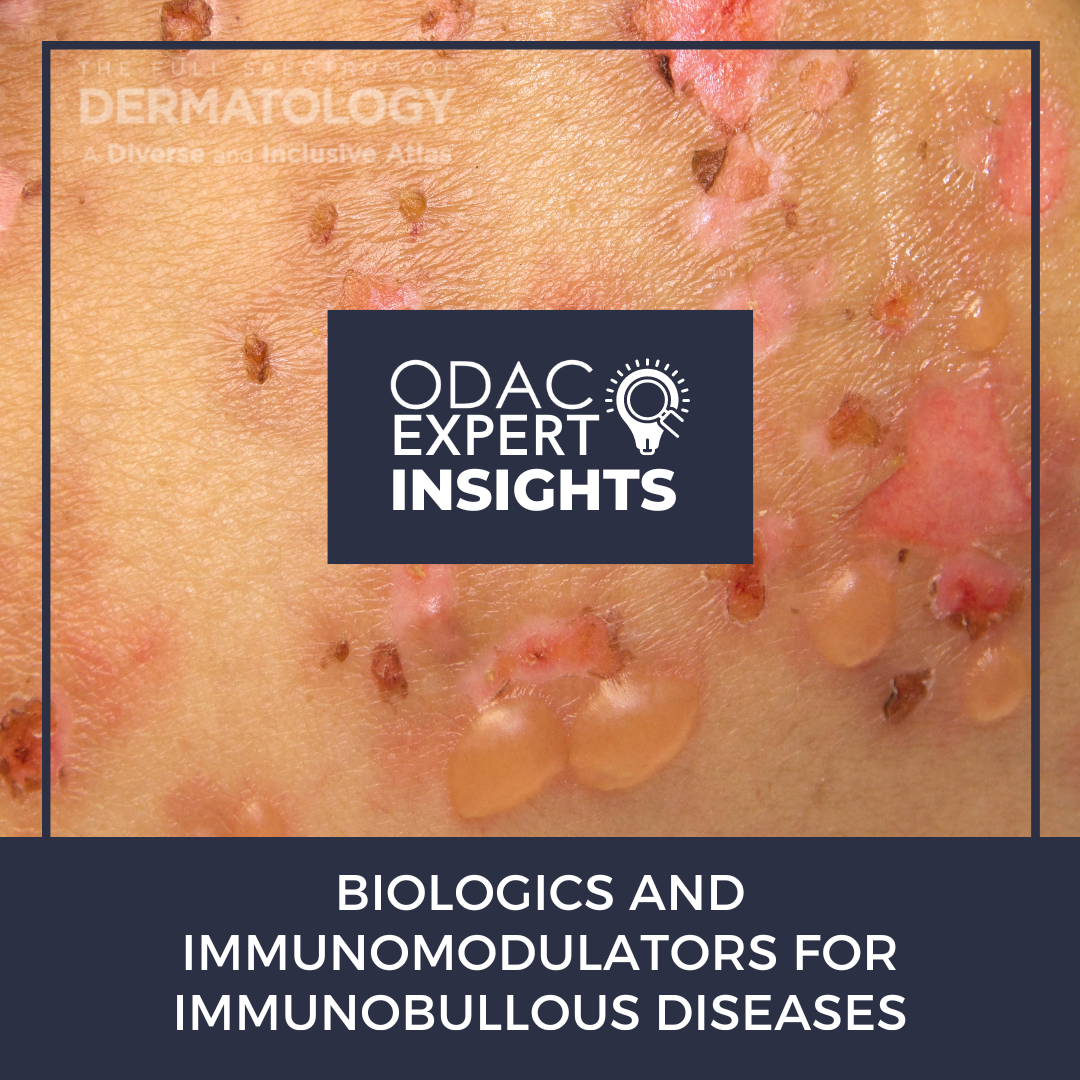 At ODAC 2023, we had the opportunity to learn about the latest in treatments for blistering diseases from Dr. Karl Saardi, Associate Professor and Director of Inpatient Dermatology at George Washington University. We focused on the pemphigus and pemphigoid group of diseases, which we will review and summarize here.
Pemphigus
The pemphigus group of diseases is characterized by intraepidermal auto …
 Next Steps in Derm, in partnership with ODAC Dermatology, Aesthetic & Surgical Conference, interviewed Dr. Shawn Kwatra, associate professor of dermatology at Johns Hopkins University School of Medicine. Watch and learn Dr. Kwatra’s tips for a workup in an itchy patient. Itch falls on the neuroimmune spectrum, so learn why it’s important to determine if a dermatological condition is to bl …
 Next Steps in Derm, in partnership with ODAC Dermatology, Aesthetic & Surgical Conference, interviewed Dr. Shawn Kwatra, associate professor of dermatology at Johns Hopkins University School of Medicine. Dr. Kwatra shares what dermatology clinicians need to know about racial disparities in itch. Find out how disease prevalence and presentation play a role in these disparities. Watch as Dr. Kw …
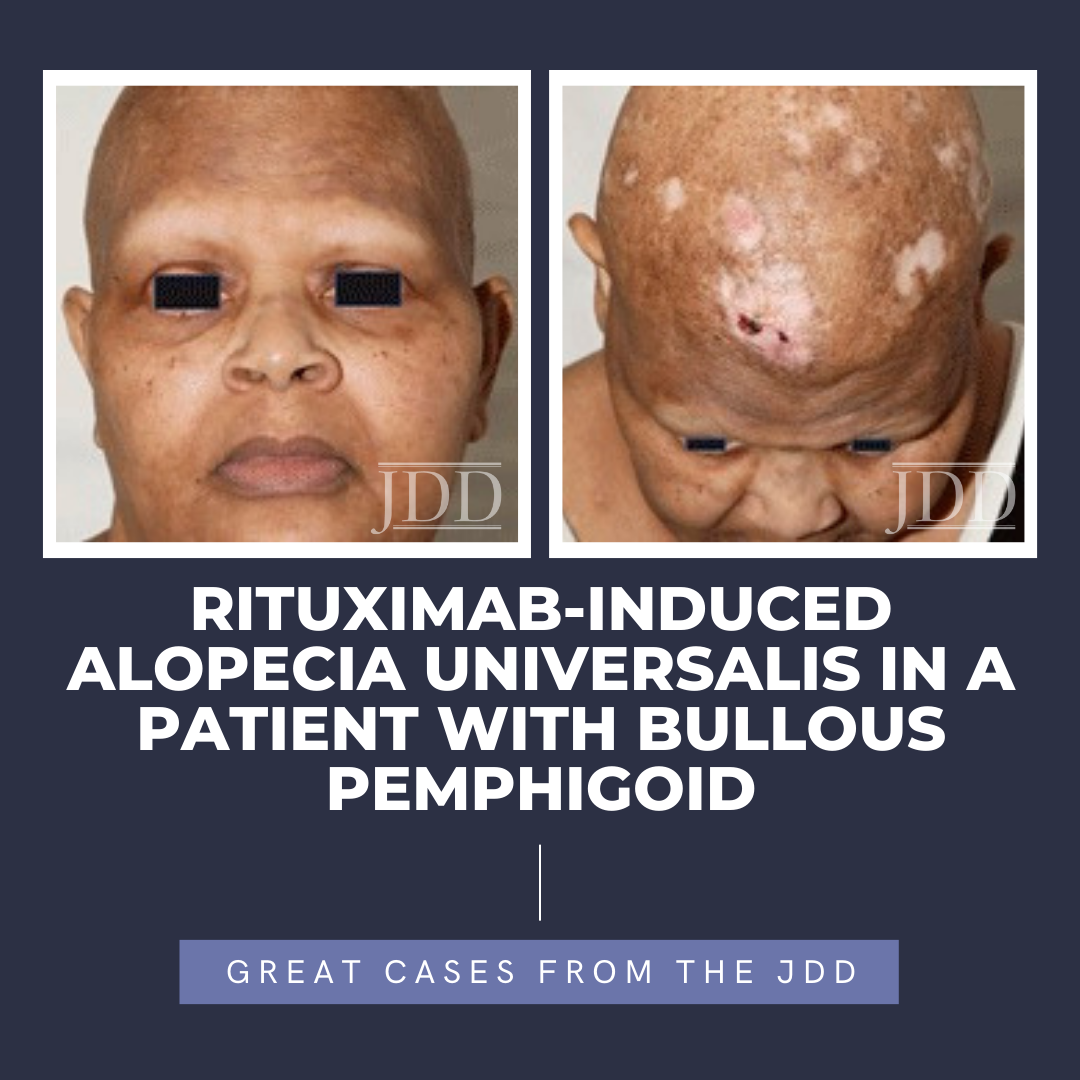 Alopecia areata is a CD8+ T-lymphocyte driven autoimmune disorder leading to reversible hair loss. While most commonly presenting as isolated well-demarcated non-cicatricial alopecic patches on the scalp, subtypes of alopecia areata include alopecia totalis with loss of all scalp hair and alopecia universalis with complete loss of all body hair. Although primarily an idiopathic condition, several …