












The Many Faces of Rosacea | Part 1
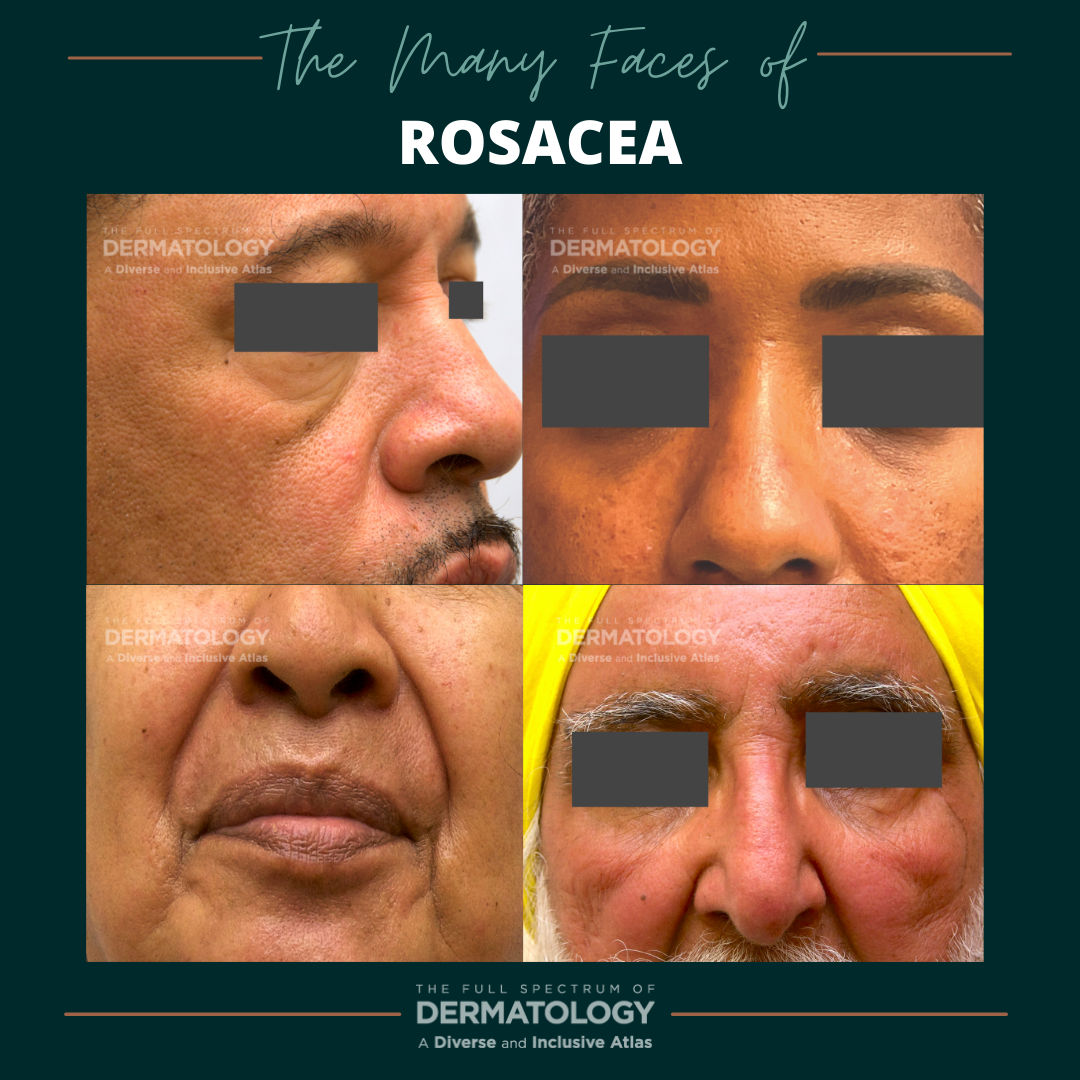 Our new series, "The Many Faces of", will showcase side-by-side images of some of the most commonly seen dermatology conditions in an array of skin tones and briefly highlight nuances in clinical presentation. All images featured in the series are part of The Full Spectrum of Dermatology: A Diverse and Inclusive Atlas, a resource developed by co-editors Misty Eleryan, MD, MS, and Adam Friedman, …
Our new series, "The Many Faces of", will showcase side-by-side images of some of the most commonly seen dermatology conditions in an array of skin tones and briefly highlight nuances in clinical presentation. All images featured in the series are part of The Full Spectrum of Dermatology: A Diverse and Inclusive Atlas, a resource developed by co-editors Misty Eleryan, MD, MS, and Adam Friedman, …  Hypopigmented mycosis fungoides (HMF) is a rare variant of cutaneous T-cell lymphoma (CTCL) that often manifests in younger patients with darker skin types in a centripetal distribution.¹ Average age of diagnosis is often 14 years.² The diagnosis is often missed due to its low incidence and lack of clinical suspicion. Misdiagnosis and failure to obtain biopsies lead to a long latency period fr …
 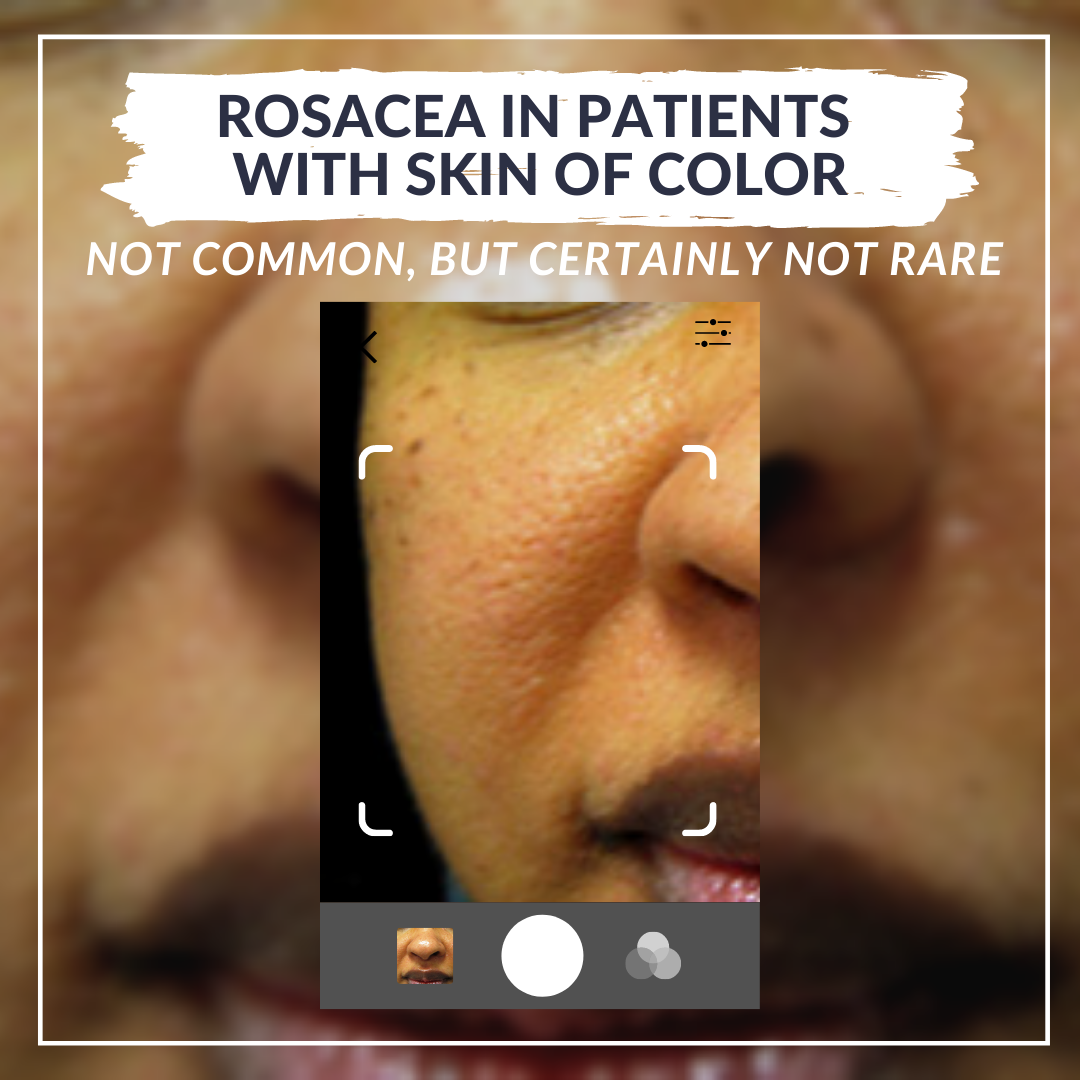 Rosacea is defined by facial erythema and telangiectasias, two features that are more difficult to appreciate in patients with skin of color. To refine our ability to diagnose rosacea in all skin types, on day two of the 2021 Skin of Color Update virtual conference, we had an informative, evidence-based lecture, “Recognizing, Diagnosing, and Treating Rosacea in Patients with Skin of Color,” by …
  Pediatric lichen planopilaris (LPP) is a clinical variant of lichen planus (LP) that can lead to scarring hair loss without prompt intervention. While various therapies exist, intralesional and topical corticosteroids remain the mainstay of treatment in pediatric LPP. Refractory cases may require systemic therapies, selection of which may prove challenging due to the lack of data regarding pediatr …
  INTRODUCTION
Palbociclib is one of three new small-molecule inhibitors of cyclin-dependent kinase 4 and 6 (CDK4/6) approved for use in the treatment of hormone receptor positive (HR+) and human epidermal growth factor receptor 2 negative (Her2-) advanced or metastatic breast cancer. CDK4/6 inhibitors have a good overall safety profile but reported side effects include cytopenias, diarrhea, QTc pr …
INTRODUCTION
Palbociclib is one of three new small-molecule inhibitors of cyclin-dependent kinase 4 and 6 (CDK4/6) approved for use in the treatment of hormone receptor positive (HR+) and human epidermal growth factor receptor 2 negative (Her2-) advanced or metastatic breast cancer. CDK4/6 inhibitors have a good overall safety profile but reported side effects include cytopenias, diarrhea, QTc pr …