












How to Diagnose and Treat Hypopigmentation with Dr. Hamzavi
 Next Steps in Derm, in partnership with ODAC Dermatology, Aesthetic & Surgical Conference, interviewed Dr. Iltefat Hamzavi, dermatologist with Henry Ford Health and associate professor of dermatology at Wayne State University School of Medicine. Dr. Hamzavi addresses how to diagnose and treat hypopigmentation, a catch-all for pigmentary conditions where the pigment is not too dark or complete …
Next Steps in Derm, in partnership with ODAC Dermatology, Aesthetic & Surgical Conference, interviewed Dr. Iltefat Hamzavi, dermatologist with Henry Ford Health and associate professor of dermatology at Wayne State University School of Medicine. Dr. Hamzavi addresses how to diagnose and treat hypopigmentation, a catch-all for pigmentary conditions where the pigment is not too dark or complete … Continue reading "How to Diagnose and Treat Hypopigmentation with Dr. Hamzavi"
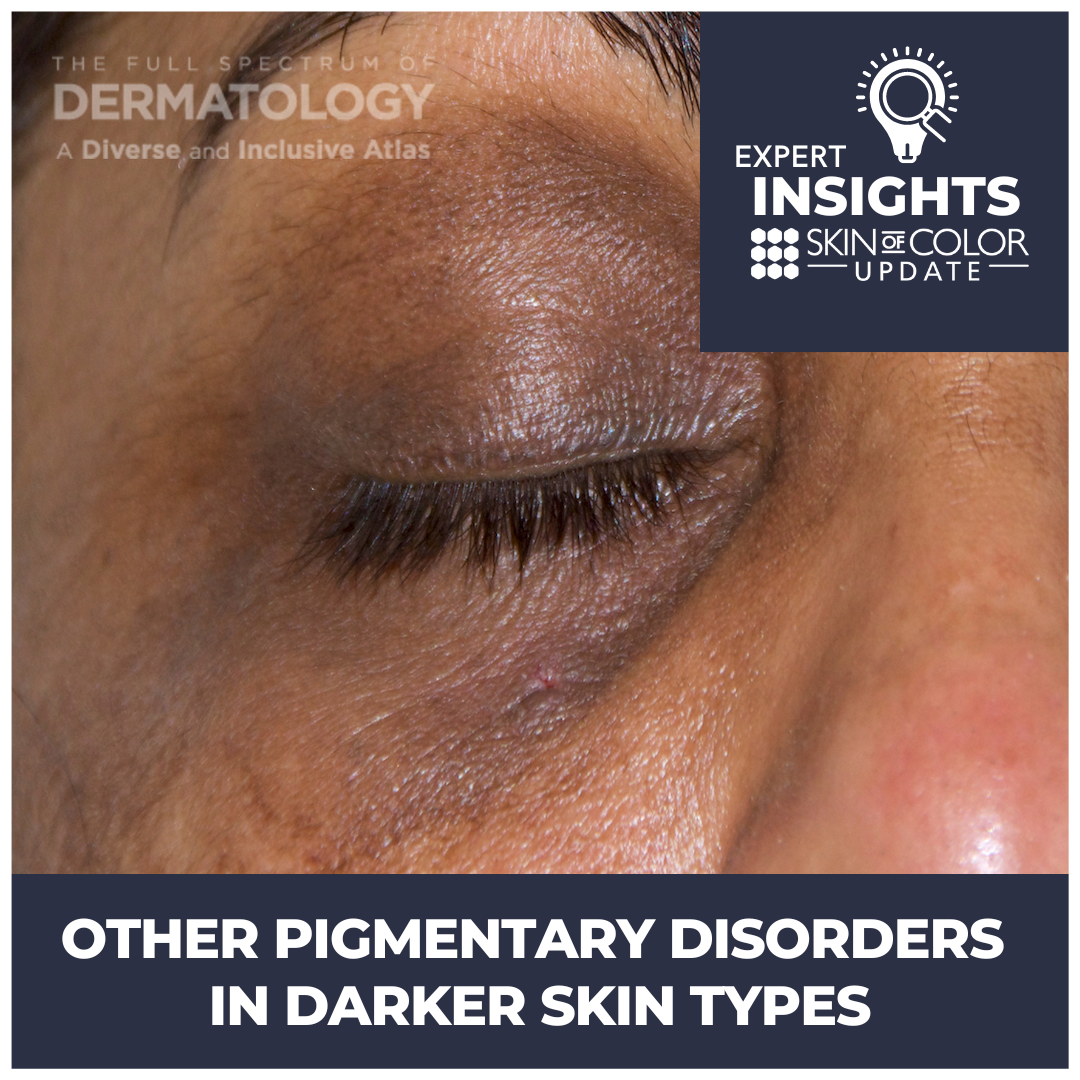 Patients with darker skin types are susceptible to developing other pigmentary disorders besides melasma. At SOCU 2022, Dr. Heather Woolery-Lloyd, Director of the Skin of Color Division at the University of Miami Miller School of Medicine, gave a fascinating overview of various pigmentary disorders that can affect patients with skin of color and provided clinical pearls immediately useful in our p …
  INTRODUCTION
Tofacitinib is a Janus kinase (JAK) 1-3 inhibitor first U.S. Food and Drug Administration (FDA) approved in 2012 for rheumatoid arthritis, with subsequent approval for psoriatic arthritis, ulcerative colitis, polyarticular course juvenile idiopathic arthritis, and ankylosing spondylitis in 2017, 2018, 2020, and 2021, respectively.1,2 In the last several years, oral tofacitinib …
INTRODUCTION
Tofacitinib is a Janus kinase (JAK) 1-3 inhibitor first U.S. Food and Drug Administration (FDA) approved in 2012 for rheumatoid arthritis, with subsequent approval for psoriatic arthritis, ulcerative colitis, polyarticular course juvenile idiopathic arthritis, and ankylosing spondylitis in 2017, 2018, 2020, and 2021, respectively.1,2 In the last several years, oral tofacitinib … 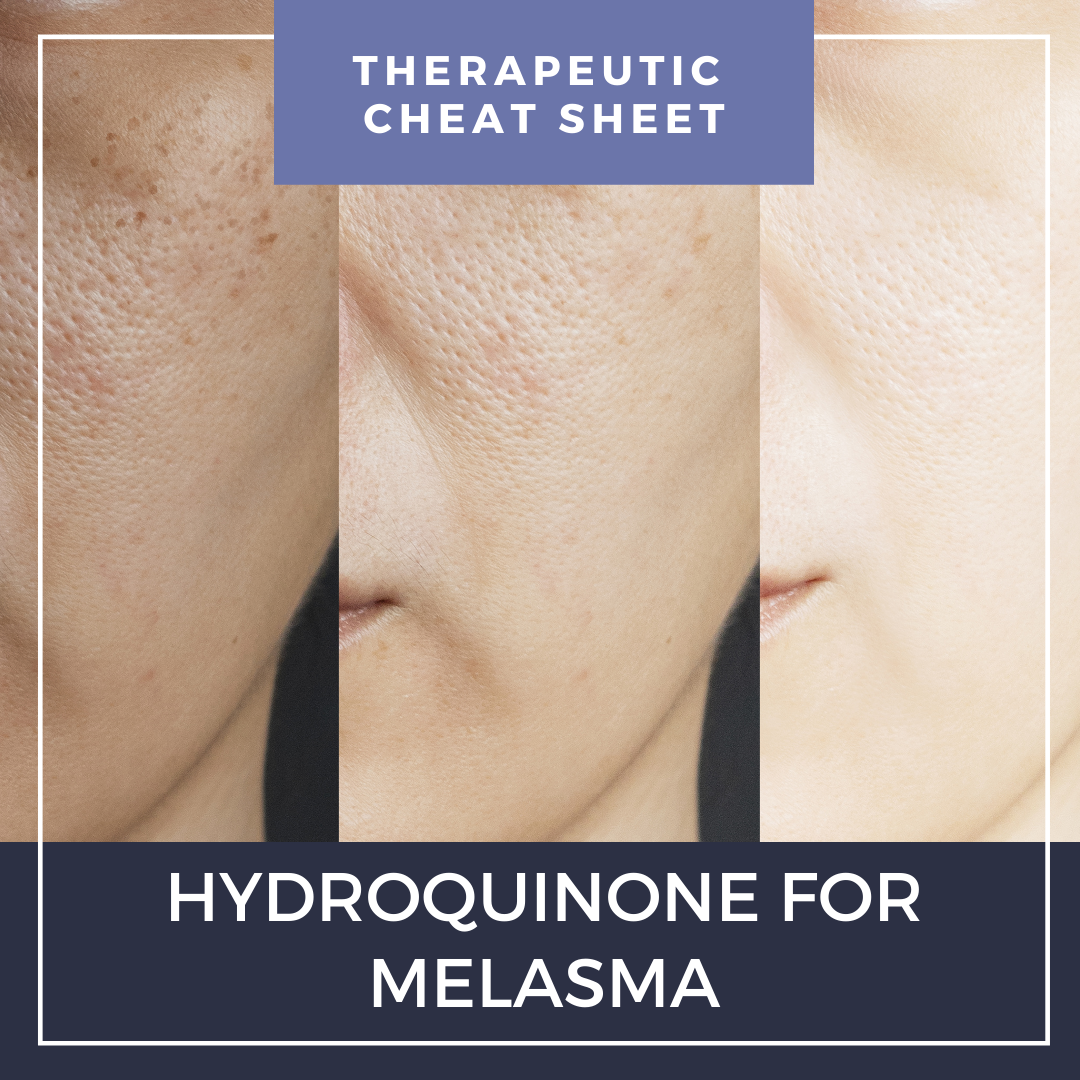 Hydroquinone is the most commonly used depigmentation agent and is a first-line treatment for melasma.1Hydroquinone was available previously in over-the-counter products and is currently available in prescription formulations with common concentration ranges of 0.4 to 5%. Prescription strengths available in the United States include hydroquinone 2% and 4% cream and hydroquinone 2% gel.2,3 In Septe …
 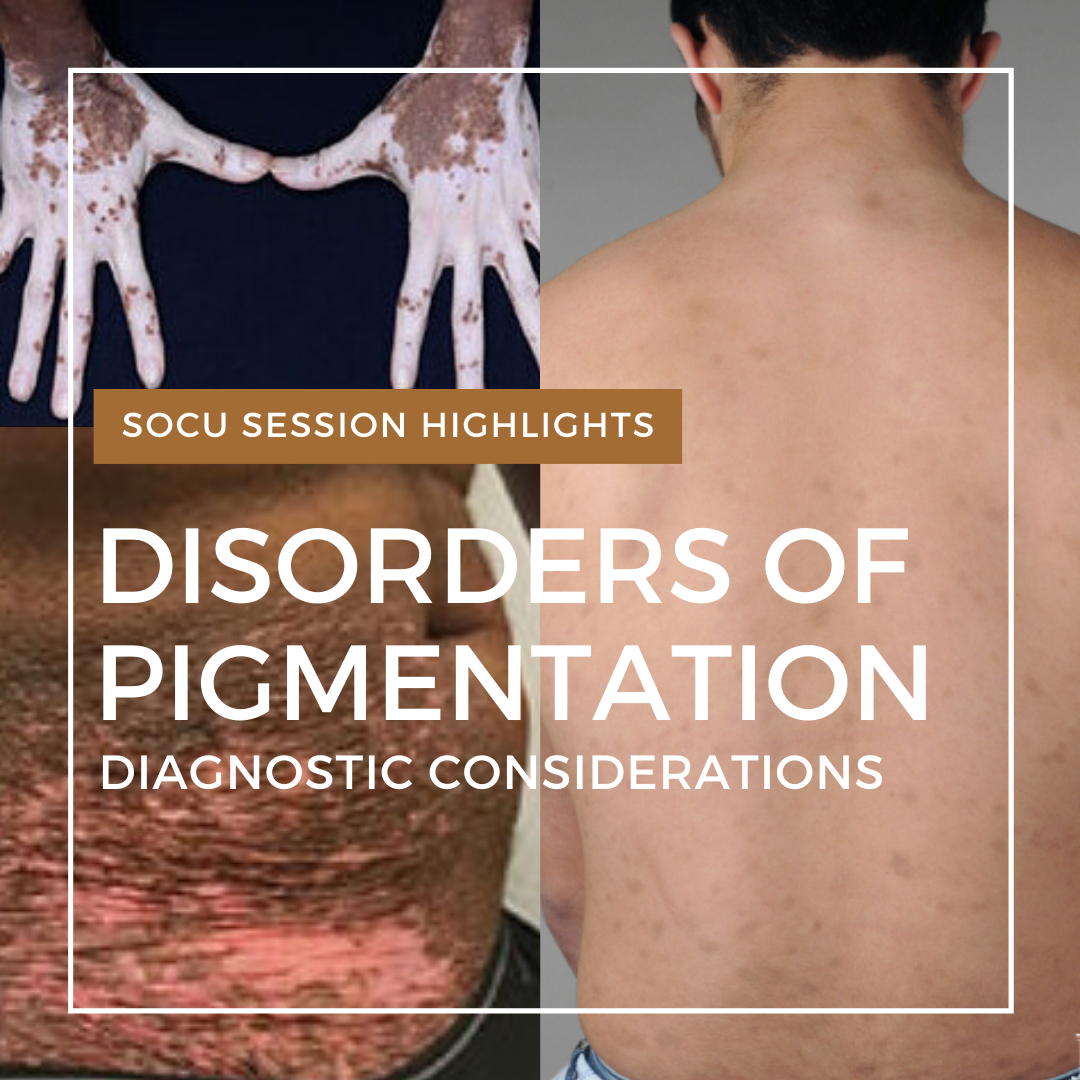 Pigmentation is key to photoprotection of the skin, eye color, and enhanced barrier function. With increased pigmentation, photoaging is minimized with a concurrent decrease in frequency of skin cancer. In skin of color, these pigmentary advantages come at a cost. These include an increased risk of hyperpigmentation and/or hypopigmentation, hypertrophic scars, keloids, scarring alopecia, and vitam …