












Understanding and Changing Patient Behavior and Minimizing Risk of UV Damage – A JDD Dermatology Podcast Recap
 We all discuss sun protection with our patients. At this point, our recommendations are predictable – “avoidance, protective clothing, SPF 30+, broad-spectrum, water-resistant, and reapplication.” But how can we effectively change patient behavior?
Important note – this discussion has wide arching correlations to all areas of human behavior, medicine, and dermatology that spans more th …
We all discuss sun protection with our patients. At this point, our recommendations are predictable – “avoidance, protective clothing, SPF 30+, broad-spectrum, water-resistant, and reapplication.” But how can we effectively change patient behavior?
Important note – this discussion has wide arching correlations to all areas of human behavior, medicine, and dermatology that spans more th …
We all discuss sun protection with our patients. At this point, our recommendations are predictable – “avoidance, protective clothing, SPF 30+, broad-spectrum, water-resistant, and reapplication.” But how can we effectively change patient behavior?
Important note – this discussion has wide arching correlations to all areas of human behavior, medicine, and dermatology that spans more th …  A patient in my clinic was recently prescribed 5-fluorouracil for severe photodamage, diffuse actinic keratoses. He is 24 years old and, unfortunately, lacked knowledge about photoprotection. It was sobering to think about how much longer he has to live and the damage already done. Strides have been made over the years in educating our patients about photoprotection, but recently, patients have …
 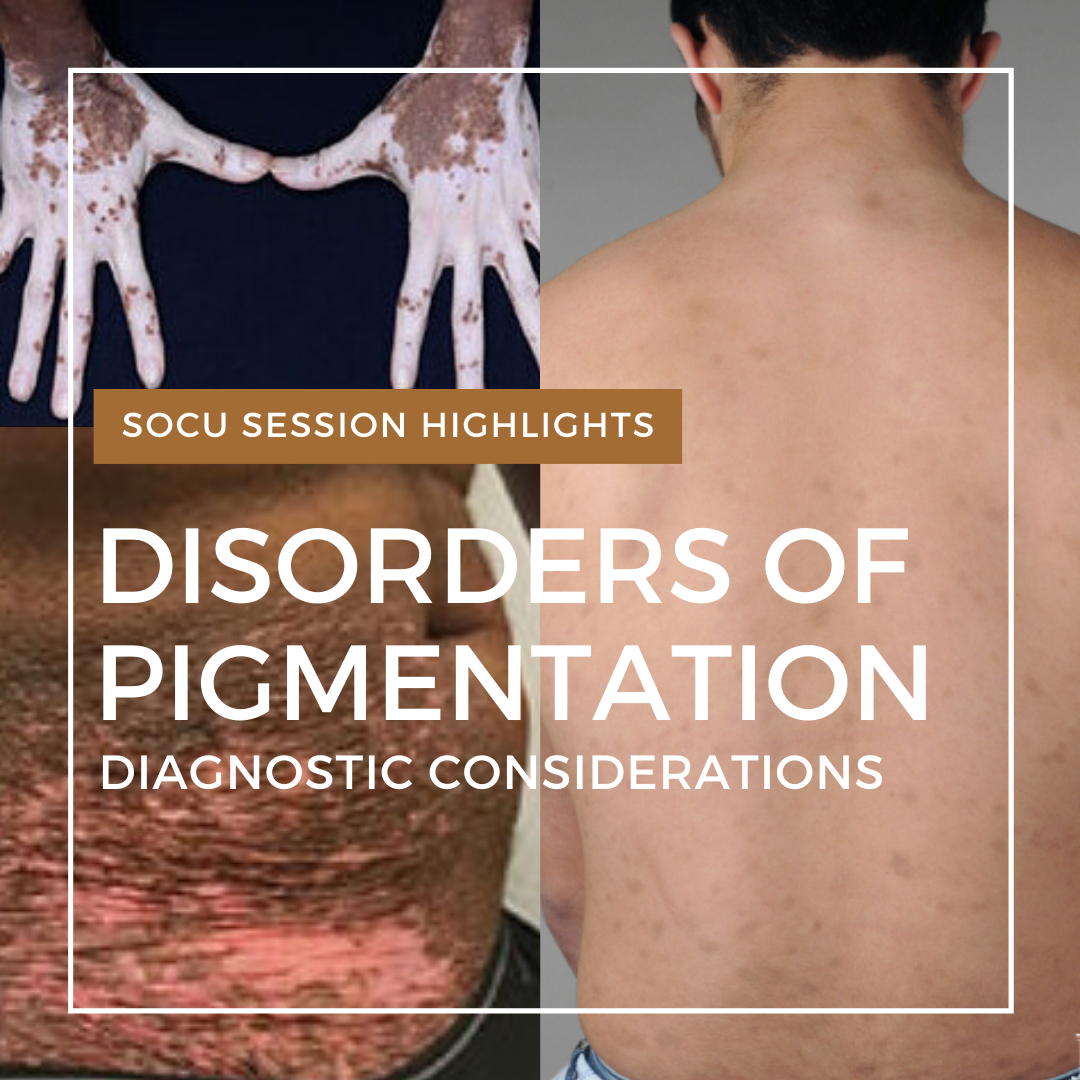 Pigmentation is key to photoprotection of the skin, eye color, and enhanced barrier function. With increased pigmentation, photoaging is minimized with a concurrent decrease in frequency of skin cancer. In skin of color, these pigmentary advantages come at a cost. These include an increased risk of hyperpigmentation and/or hypopigmentation, hypertrophic scars, keloids, scarring alopecia, and vitam …
 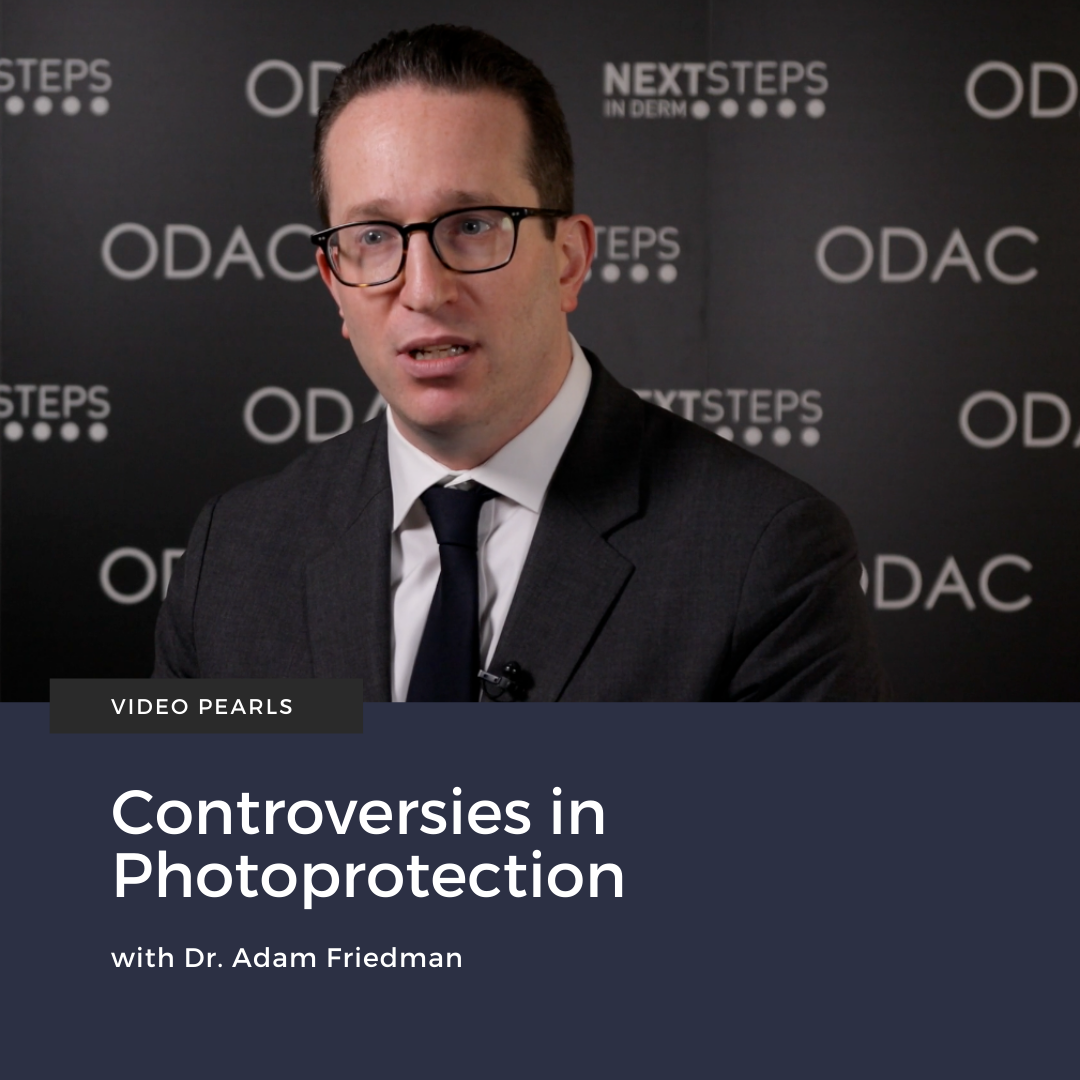 Next Steps in Derm, in partnership with ODAC Dermatology, Aesthetic and Surgical Conference interviewed Dr. Adam Friedman, Professor, Interim Chair of Dermatology, and Residency Program Director at George Washington University, on some of the common misconceptions and controversies surrounding photoprotection.
With ample evidence today that shows that sunscreen both reduces the incidence of me …
Next Steps in Derm, in partnership with ODAC Dermatology, Aesthetic and Surgical Conference interviewed Dr. Adam Friedman, Professor, Interim Chair of Dermatology, and Residency Program Director at George Washington University, on some of the common misconceptions and controversies surrounding photoprotection.
With ample evidence today that shows that sunscreen both reduces the incidence of me … 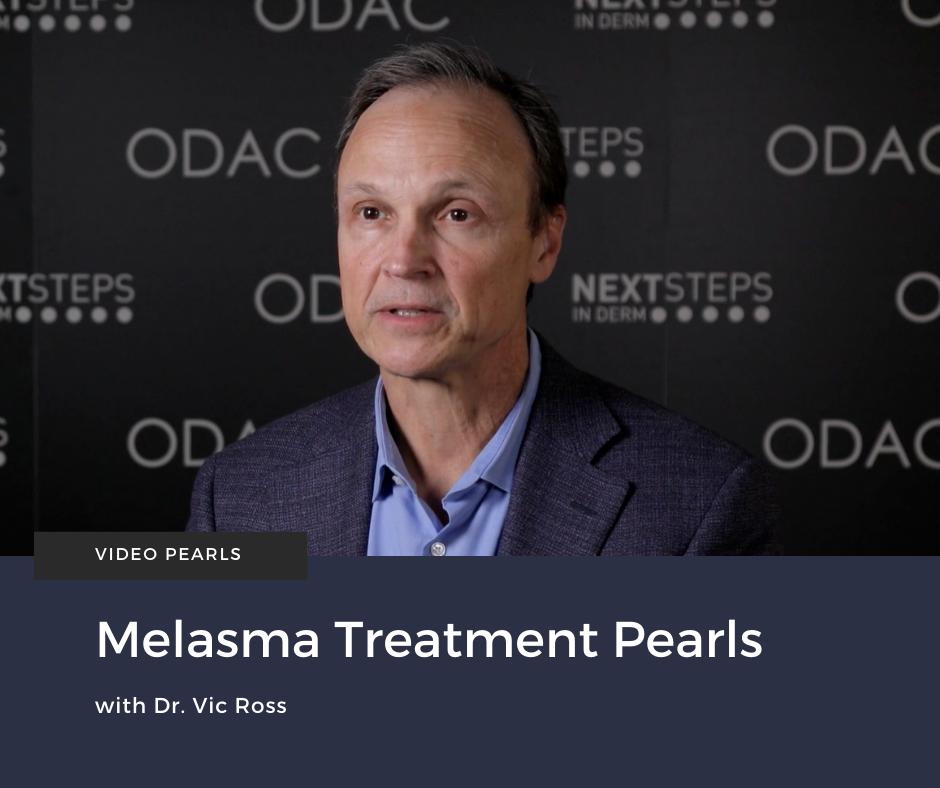 Next Steps in Derm, in partnership with ODAC Dermatology, Aesthetic and Surgical Conference, interviewed Dr. Vic Ross, Director of the Scripps Clinic Laser and Cosmetic Dermatology Center in San Diego, CA, on his approach and the various interventions he uses for the treatment of Melasma. Watch as he shares fresh practical pearls immediately useful in your practice.
Further Reading
If you w …
Next Steps in Derm, in partnership with ODAC Dermatology, Aesthetic and Surgical Conference, interviewed Dr. Vic Ross, Director of the Scripps Clinic Laser and Cosmetic Dermatology Center in San Diego, CA, on his approach and the various interventions he uses for the treatment of Melasma. Watch as he shares fresh practical pearls immediately useful in your practice.
Further Reading
If you w …