



















Friday Pop Quiz 8/21/2026
 What is the most common malignancy associated with this condition in this female?
A. Brain cancer
B. Thyroid cancer
C. Rectal cancer
D. Ovarian cancer
E. Liver cancer
To find out the correct answer and read the explanation, click here. …
What is the most common malignancy associated with this condition in this female?
A. Brain cancer
B. Thyroid cancer
C. Rectal cancer
D. Ovarian cancer
E. Liver cancer
To find out the correct answer and read the explanation, click here. …
What is the most common malignancy associated with this condition in this female?
A. Brain cancer
B. Thyroid cancer
C. Rectal cancer
D. Ovarian cancer
E. Liver cancer
To find out the correct answer and read the explanation, click here. … 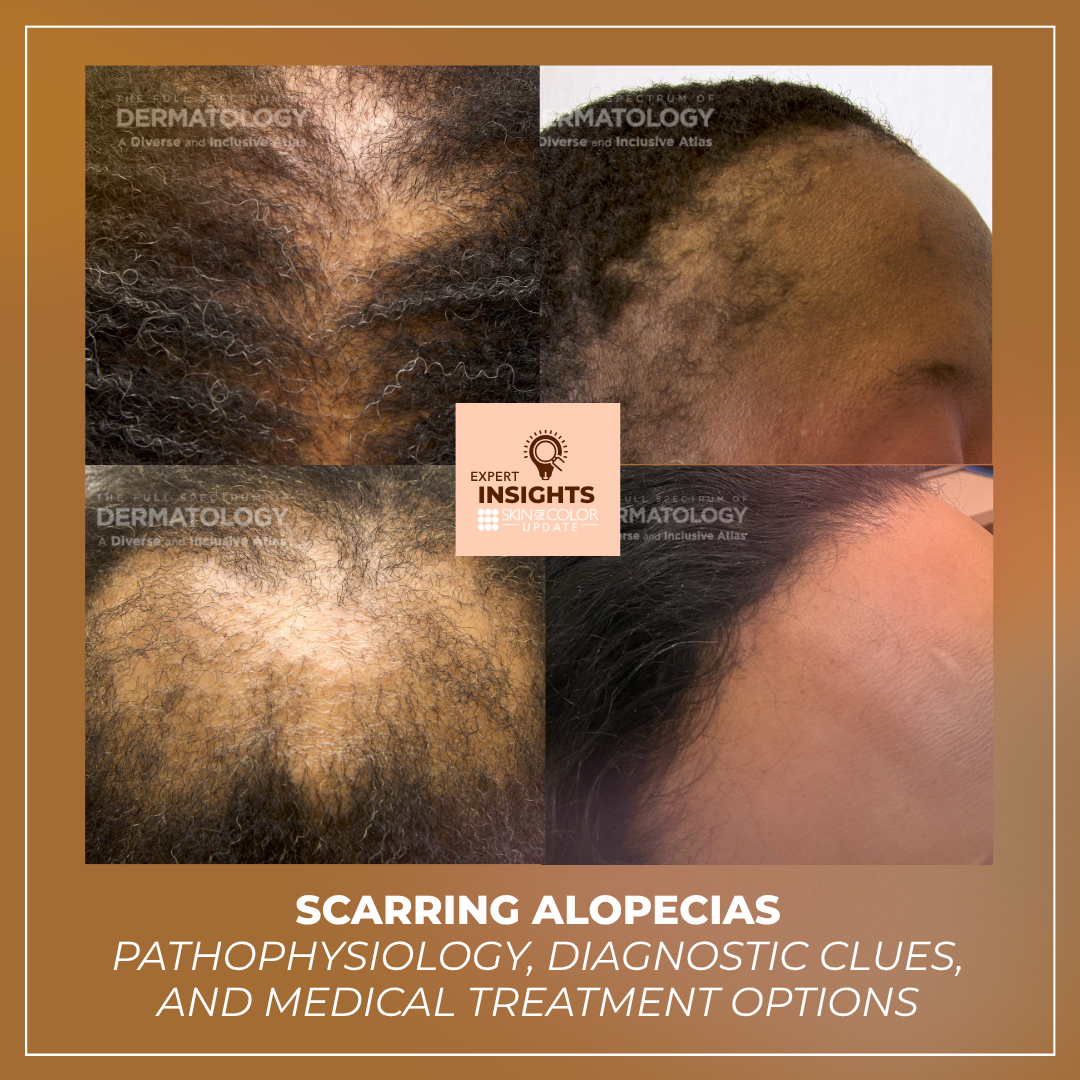 Scarring alopecias in skin of color are increasingly recognized and remain a major cause of irreversible hair loss. During the 2025 Skin of Color Update in New York City, Susan C. Taylor, MD, presented an updated clinical approach to identifying and managing lichen planopilaris (LPP), frontal fibrosing alopecia (FFA), and central centrifugal cicatricial alopecia (CCCA) with a focus on early detect …
 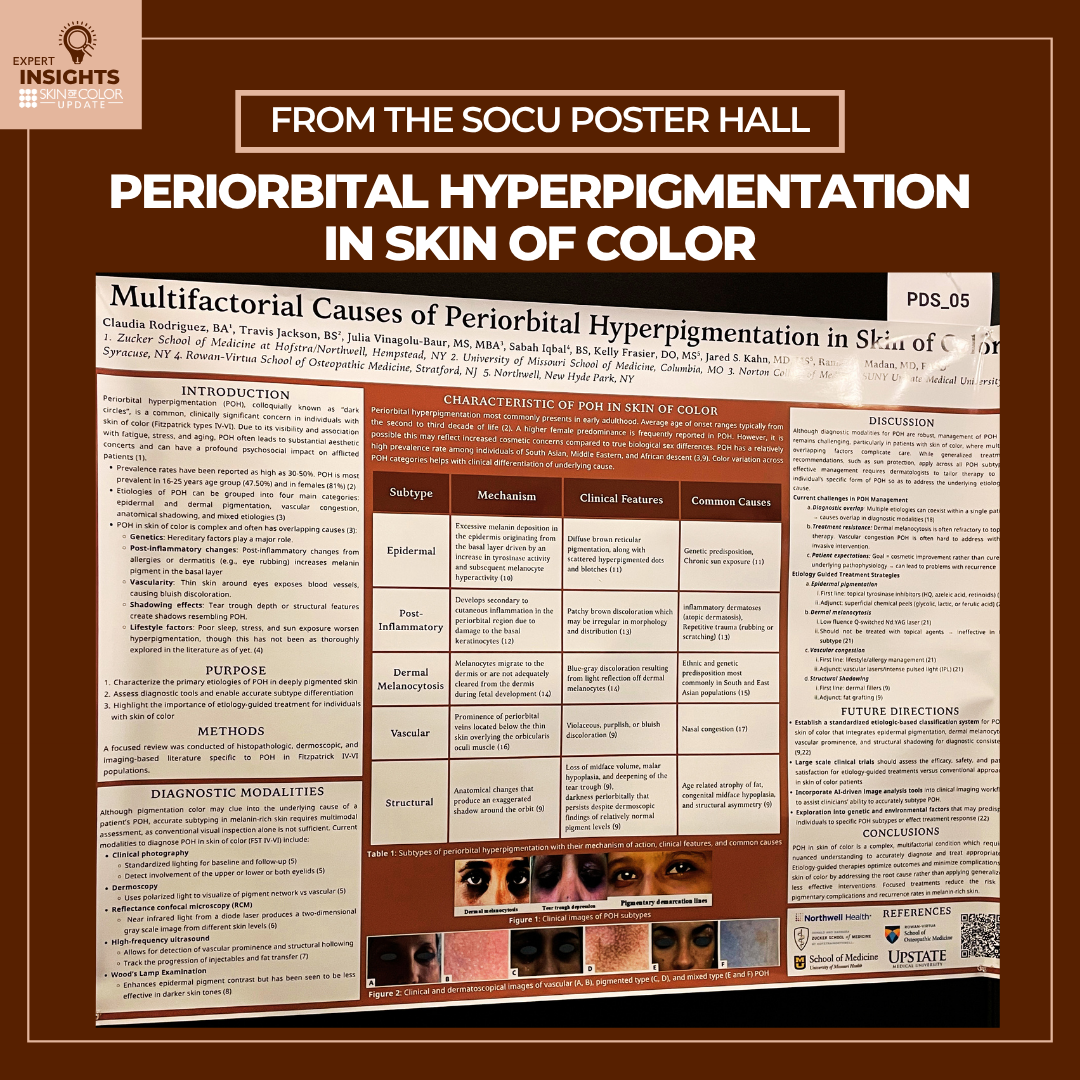 Periorbital hyperpigmentation is common in patients with skin of color, though understanding the condition – and selecting an effective treatment – can be a challenge. Darkening around the eyes can appear as brown, blue-grey, blue, violet, or purple -- all signs of the root causes -- which include extra deposits of melanin, inflammation, prominent veins, and structural changes. Periorbital hyp …
 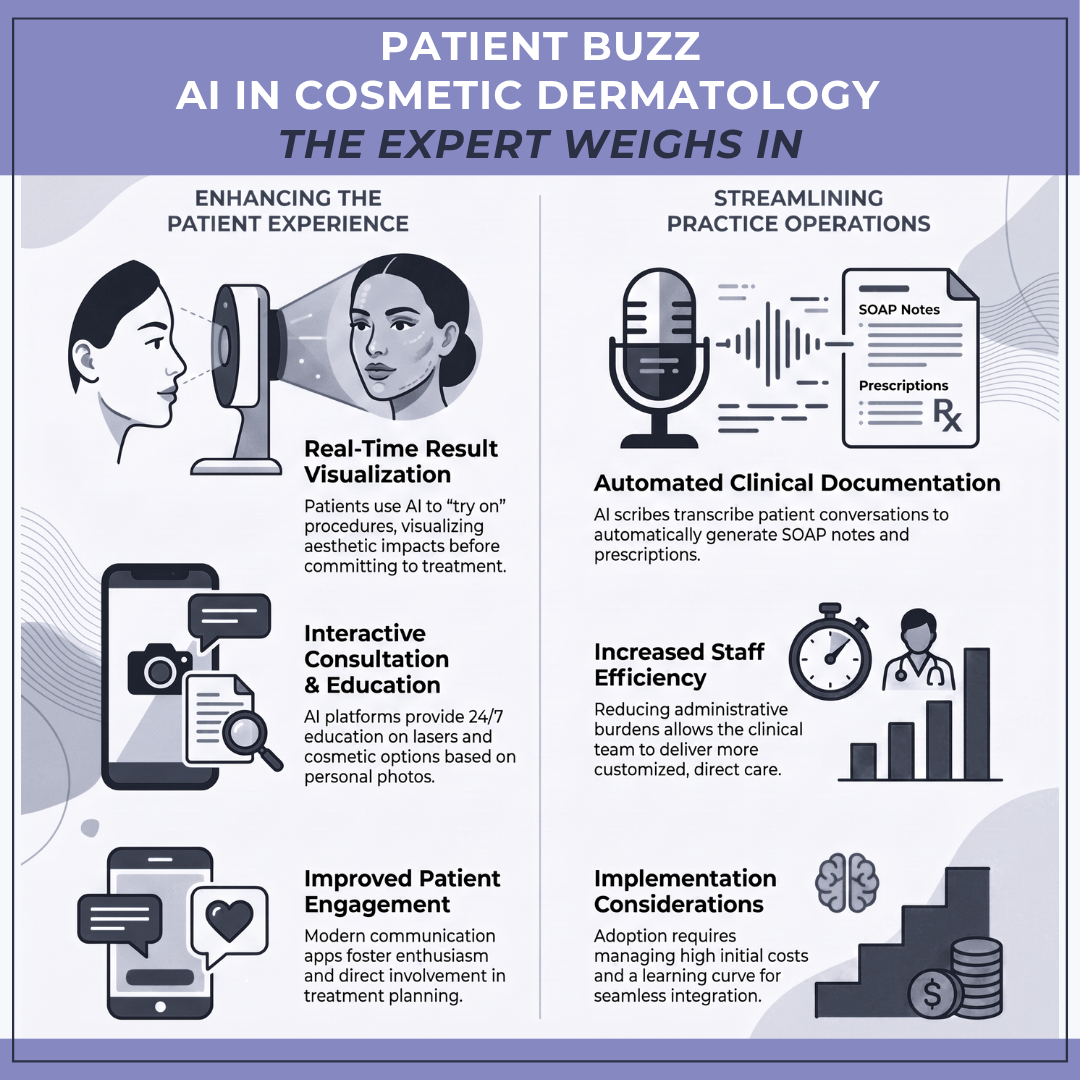 Artificial Intelligence (AI) is rapidly changing how we do our work, including the practice of dermatology. From AI-generated notes to AI-drafted appeal letters for insurance denials, AI promises to reduce administrative burden and help dermatology clinicians focus more on direct patient care. In addition, cosmetic dermatologists, according to an article in Women’s Health, are implementing AI ap …
 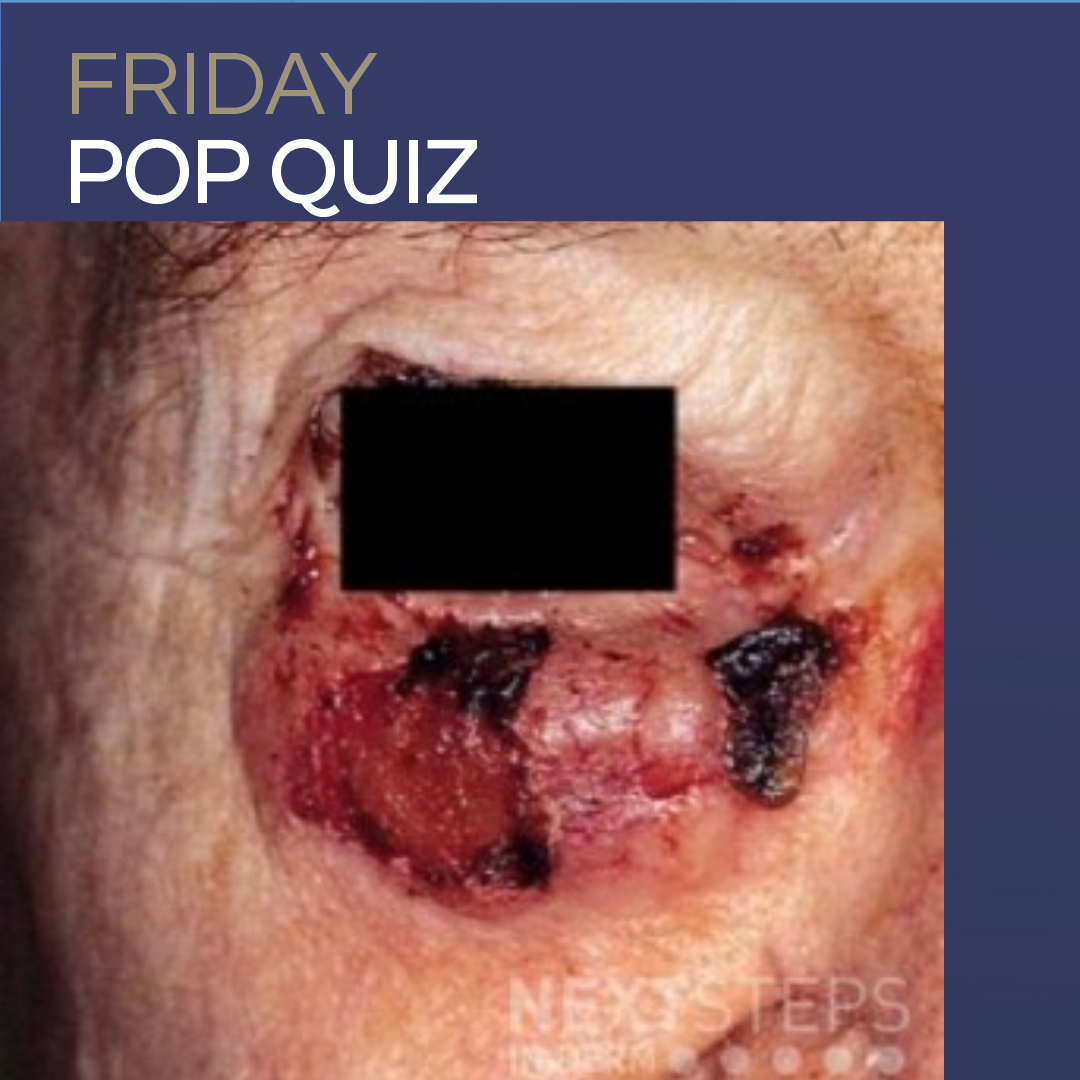 A 70-year-old female presents for treatment of a large tumor shown on her face. It has been increasing in size for over 10 years. Which of the following medication is FDA approved for locally advanced basal cell carcinoma that is not amenable to surgical therapy?
A. Ipilimumab
B. Sonidegib
C. Erolitinib
D. Interferon alpha
E. 5-fluorouracil
To find out the correct answer and re …
A 70-year-old female presents for treatment of a large tumor shown on her face. It has been increasing in size for over 10 years. Which of the following medication is FDA approved for locally advanced basal cell carcinoma that is not amenable to surgical therapy?
A. Ipilimumab
B. Sonidegib
C. Erolitinib
D. Interferon alpha
E. 5-fluorouracil
To find out the correct answer and re …