












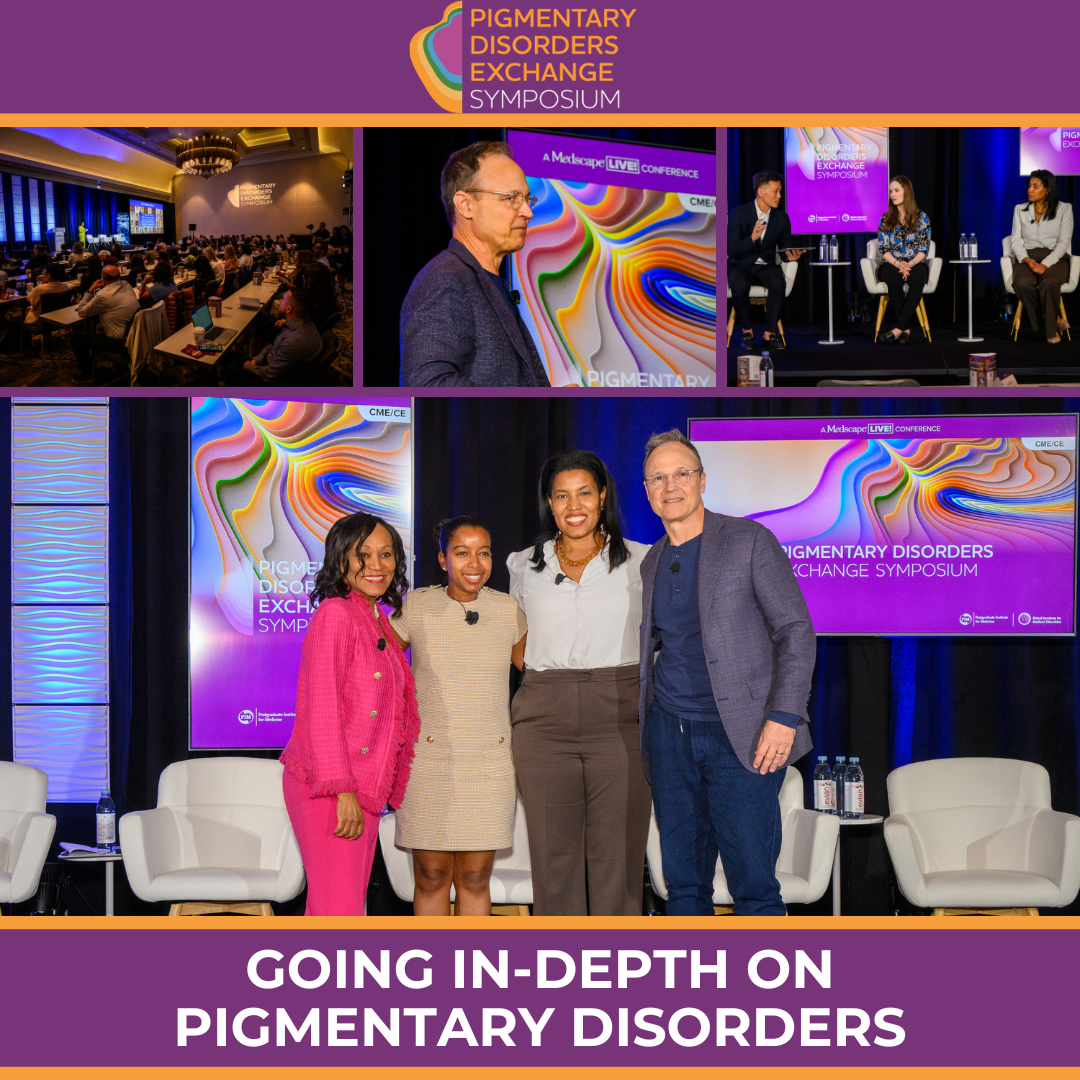
For dermatology clinicians, staying at the forefront of therapeutic advances is essential, especially when it comes to conditions that carry profound psychosocial burdens for patients. Few areas in dermatology are evolving as rapidly, or demand as much clinical nuance, as the study and treatment of pigmentary disorders.
To dive deeper into these complexities, our friends at Practical Dermatology caught up with world-renowned expert Pearl E. Grimes, MD, FAAD, clinical professor of dermatology at UCLA and director of The Vitiligo and Pigmentation Institute of Southern California, for their Skin Minute series. As the Symposium Chair for the upcoming Pigmentary Disorders Exchange (PDE) Symposium (June 6-7, 2026), Dr. Grimes shared critical insights with them regarding the shifting therapeutic landscape and highlighted why the PDE conference has become a foundational cornerstone for the dermatology community.
A Paradigm Shift in Pigmentation Care
Historically, pigmentary issues like melasma, vitiligo, and post-inflammatory hyperpigmentation (PIH) were sometimes generalized as aesthetic concerns. However, as Dr. Grimes and her colleagues emphasize, these are complex, multifaceted medical conditions that require precise diagnosis and targeted treatment plans.
“We are indeed in dire need of paradigm shifts for the treatment of a spectrum of pigmentary diseases across all skin types,” Dr. Grimes points out.
Thanks to an exploding understanding of the pathogenesis behind pigmentary alterations, the therapeutic toolkit has vastly expanded. We are no longer limited to standard, aggressive depigmenting agents or unpredictable laser treatments. Instead, the field is moving toward multi-modality, tailored approaches—ranging from novel non-hydroquinone topicals to breakthrough targeted systemics like JAK inhibitors for vitiligo.
Navigating Treatment Safely Across All Skin Types
While new innovations offer unprecedented hope, they also require a deeper level of clinician education. Treating pigmentary disorders—especially when utilizing procedural interventions like chemical peels, microneedling, PRP, or lasers—demands absolute caution. What works seamlessly for a lower Fitzpatrick skin phototype could trigger severe rebound hyperpigmentation or permanent hypopigmentation in a patient with skin of color.
“It is critical to educate physicians regarding the dos and don’ts for treatment in different skin types,” Dr. Grimes notes. Understanding the delicate cross-talk between the epidermis and dermis is what separates a highly successful treatment outcome from a devastating complication.
Why You Can’t Miss the PDE Symposium
This is exactly why the Pigmentary Disorders Exchange (PDE) Symposium was created. Now moving into its 4th year, this unique, immersive CME/CE event goes far beyond a surface-level academic review. It equips everyday clinicians—from residents and fellows to seasoned dermatologists and advanced practice providers—with highly practical, evidence-based tools they can take straight back to their clinics.
Attendees can expect:
-
-
Deep Dives into Pathogenesis: Unlocking the foundational biology (including the role of visible light and rogue melanocytes) to better select customized treatments.
-
Procedural Mastery: Live demonstrations and evidence-based breakdowns of chemical peels, lasers, and light sources specifically optimized for diverse skin tones.
-
Management of Pigmentary Sequelae: Real-world strategies to address the stubborn hyperpigmentation left behind by common inflammatory conditions like acne, eczema, and psoriasis.
-
Interactive Learning: High-yield “Ask Me Anything” panels, case-based roundtables, and extended Q&A sessions with the elite pioneer faculty in pigmentary medicine.
-
Putting Patients First
Ultimately, pigmentary disorders have a disproportionately high impact on a patient’s emotional well-being and overall quality of life. By attending conferences like PDE, clinicians aren’t just learning how to clear skin; they are learning how to restore their patients’ confidence, sense of self, and mental health.
As the therapeutic landscape continues its extraordinary evolution, making PDE a priority on your educational calendar is one of the best steps you can take for your diverse patient population.
To view the full clinical discussion with Dr. Pearl Grimes, head over to the Practical Dermatology Skin Minute Series. Interested in joining Dr. Grimes and other elite dermatology thought leaders? Be sure to register for the upcoming 4th Annual Pigmentary Disorders Exchange (PDE) Symposium June 6-7 at the Loews Chicago hotel.
Credit: Originally featured on Practical Dermatology’s “Skin Minute” series. Watch the original video interview here.