












COLLOIDAL OATMEAL CHEAT SHEET
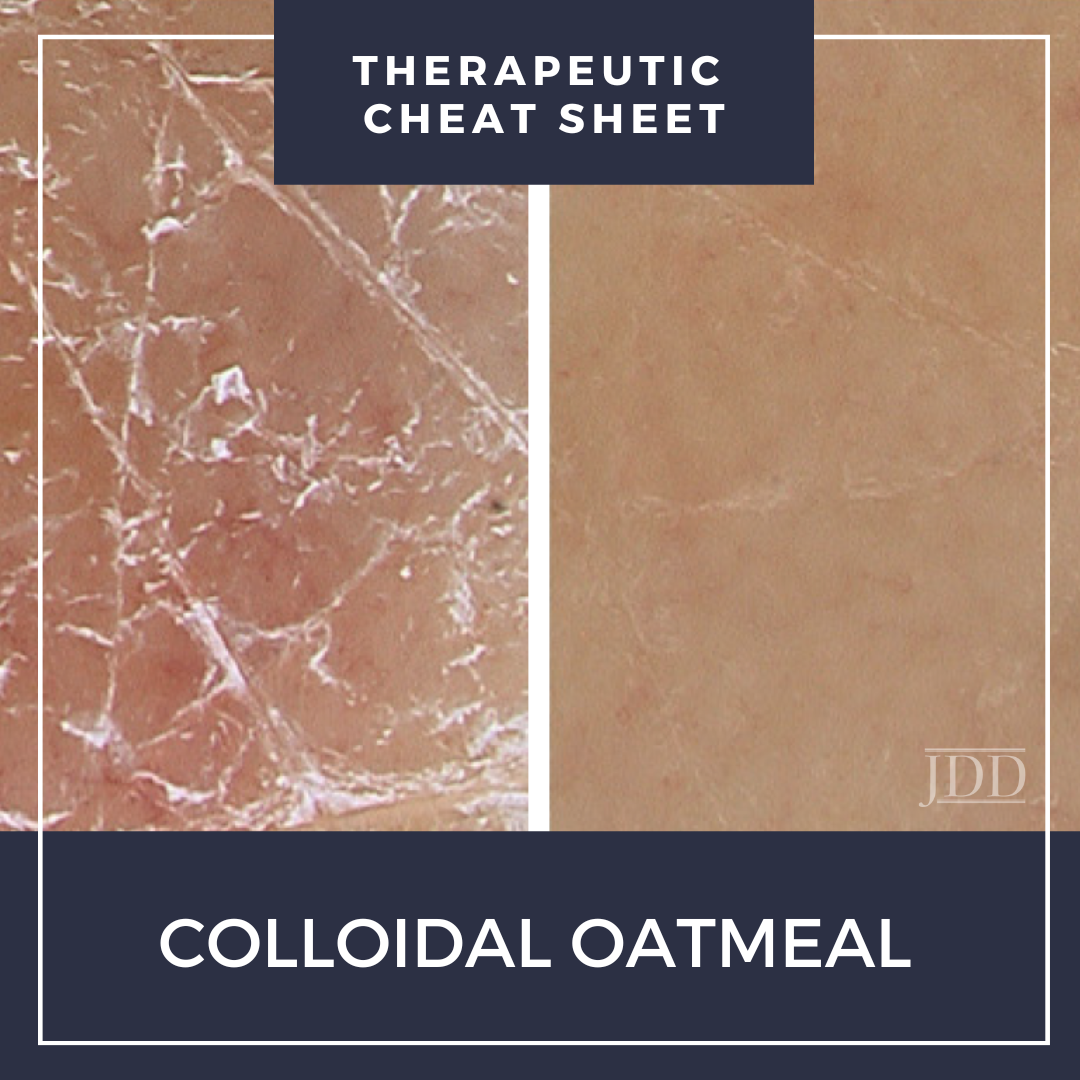 Oatmeal has been used as a skin care ingredient since 2000 BC in ancient Egypt, where whole oats were used in soothing baths. Colloidal oat has been the subject of dedicated skin care research starting in the 1950s. After > 30 clinical studies comprised of over 3000 patients including conditions associated with a compromised skin barrier, colloidal oat is now recognized as a skin protectant by …
Oatmeal has been used as a skin care ingredient since 2000 BC in ancient Egypt, where whole oats were used in soothing baths. Colloidal oat has been the subject of dedicated skin care research starting in the 1950s. After > 30 clinical studies comprised of over 3000 patients including conditions associated with a compromised skin barrier, colloidal oat is now recognized as a skin protectant by …  Colloidal oatmeal has a long history of use in the treatment of dermatologic disease. Oat is composed of various phytochemicals which contribute to its wide-ranging function and clinical use in atopic dermatitis and other skin conditions resulting from an impaired skin barrier and inflammation.
OAT COMPOSITION & BENEFITS
The main components of colloidal oatmeal are polysaccharides (including …
Colloidal oatmeal has a long history of use in the treatment of dermatologic disease. Oat is composed of various phytochemicals which contribute to its wide-ranging function and clinical use in atopic dermatitis and other skin conditions resulting from an impaired skin barrier and inflammation.
OAT COMPOSITION & BENEFITS
The main components of colloidal oatmeal are polysaccharides (including …  The September issue of the Journal of Drugs in Dermatology (JDD) focuses on aesthetic treatments and features original articles exploring topics such as reconstruction of the glabella and nasal root, perioral rejuvenation with high molecular weight HA and amino acid treatment, blue light and skin health, and many more. Check out this month’s issue highlights straight from the JDD Editor’s d …
  Data-Driven Dermatology Improves Patient Outcomes
The use of real-world data and real-world evidence to inform health care decisions is increasing. While randomized controlled trials (RCTs) are still the gold standard for evidence-based medicine, the strict inclusion/exclusion criteria and tightly controlled conditions limit their generalizability to real-world clinical practice. Real worl …
Data-Driven Dermatology Improves Patient Outcomes
The use of real-world data and real-world evidence to inform health care decisions is increasing. While randomized controlled trials (RCTs) are still the gold standard for evidence-based medicine, the strict inclusion/exclusion criteria and tightly controlled conditions limit their generalizability to real-world clinical practice. Real worl … 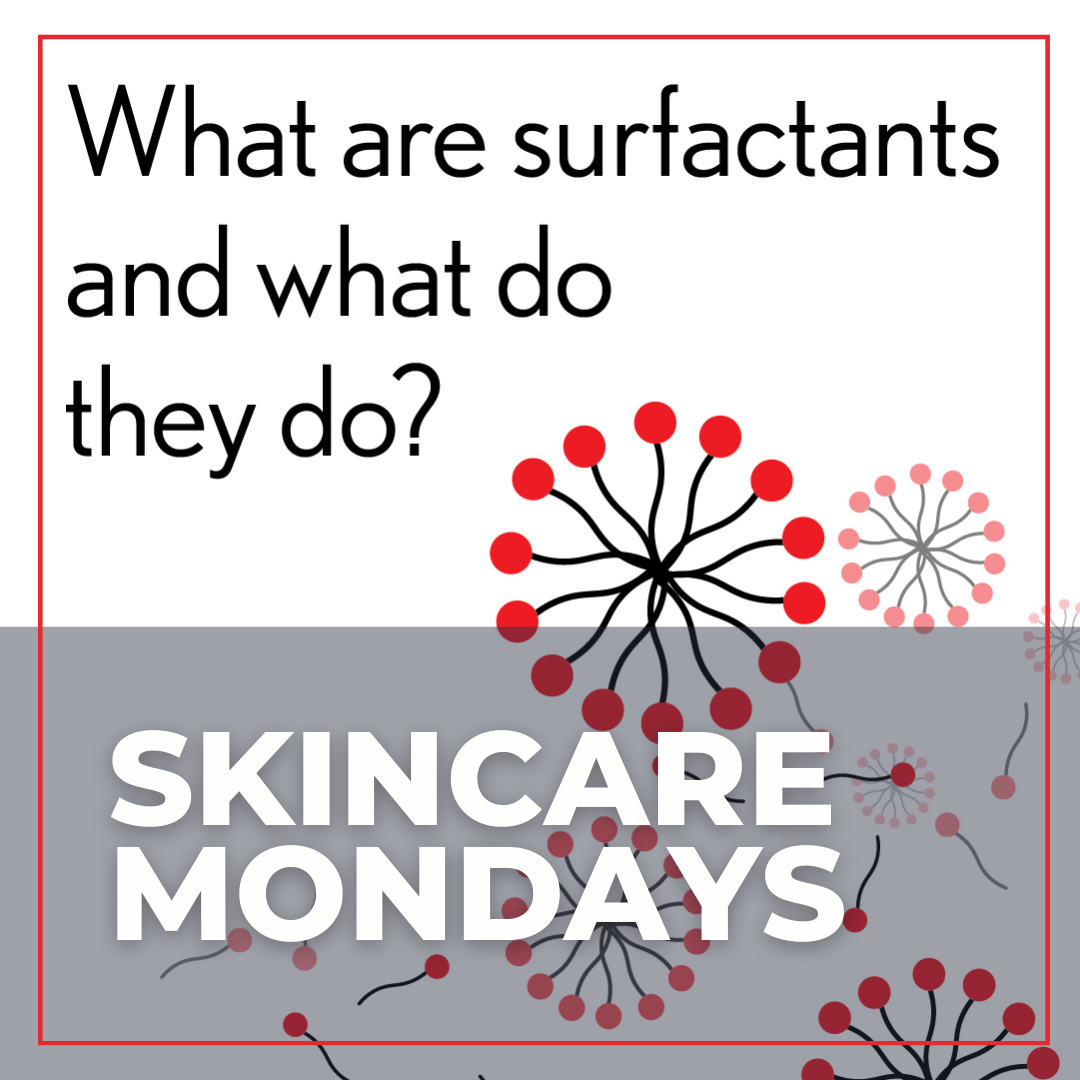 For most consumers, a skincare routine is a positive part of their daily routine. Thirty-eight percent (38%) see it as ‘me’ time. Sixty-three percent (63%) wash their face at least two times per day,1 yet roughly half of consumers (men and women) report using bath wash or hand soap to cleanse their face.2
So it's no surprise that over half of consumers surveyed have no idea what ingredients …
For most consumers, a skincare routine is a positive part of their daily routine. Thirty-eight percent (38%) see it as ‘me’ time. Sixty-three percent (63%) wash their face at least two times per day,1 yet roughly half of consumers (men and women) report using bath wash or hand soap to cleanse their face.2
So it's no surprise that over half of consumers surveyed have no idea what ingredients …