












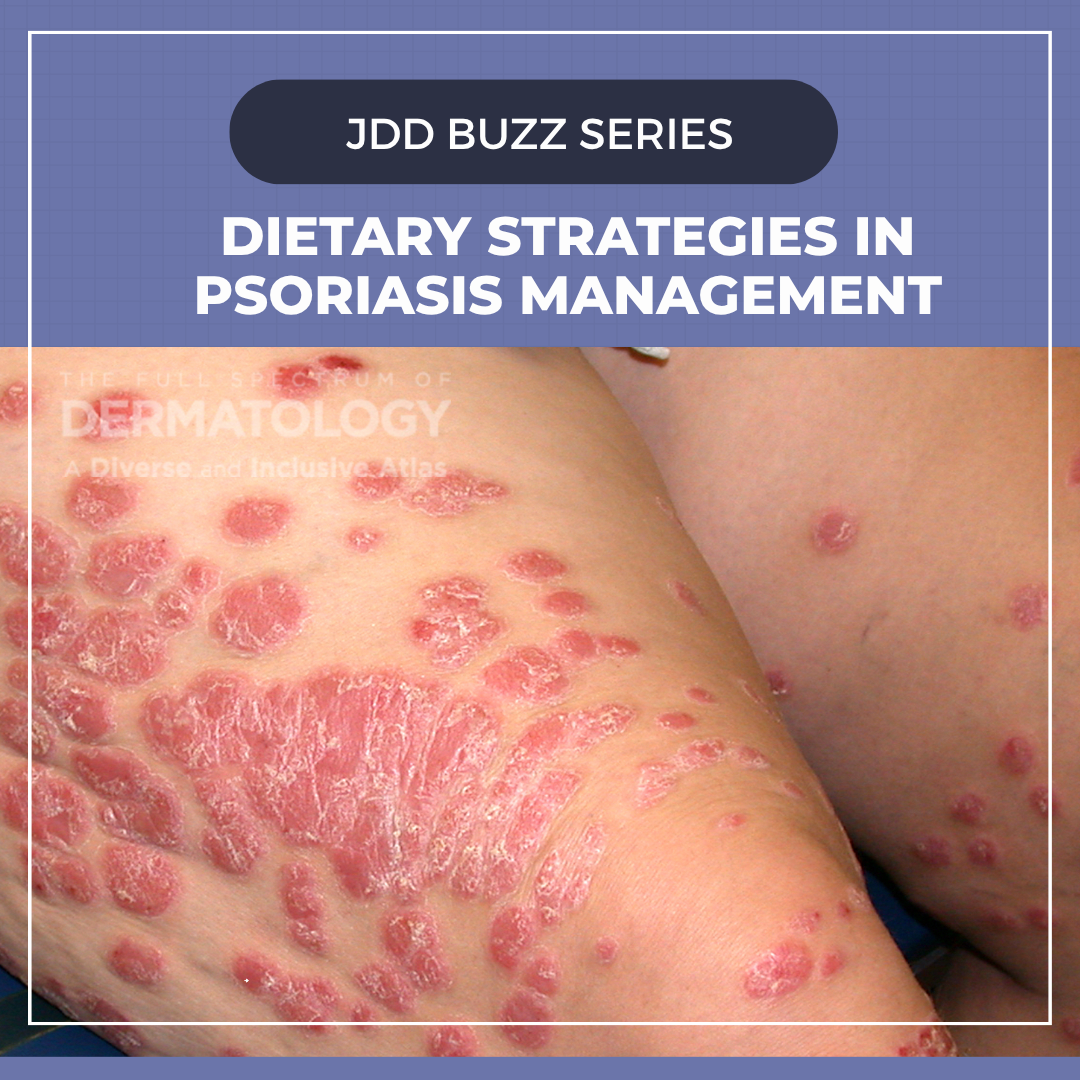
Dermatology clinicians have a plethora of treatment options to consider for their psoriasis patients, from topicals to phototherapy to systemics. Yet there’s a non-prescription, adjunctive strategy that clinicians may hesitate to broach in office visits for psoriasis. Research shows dietary strategies that reduce energy intake, such as a low-calorie diet or intermittent fasting, may reduce psoriasis severity. The benefits aren’t simply tied to pounds lost. These dietary strategies may also help a patient’s psoriasis through improving metabolism and altering gut microbiota, among other effects.
To better understand the effects of dietary strategies in managing psoriasis, an original article published in the August Journal of Drugs in Dermatology compared the efficacy of intermittent fasting, keto, and continuous daily caloric restriction (CCR) in reducing psoriasis severity. I interviewed the study’s lead author, Ahmed N. Alqefari, MBBS, of the College of Medicine and Surgery, Qassim University, Buraydah, Qassim, Saudi Arabia.
What motivated your comparison of intermittent fasting, keto, and CCR in reducing the severity of psoriasis?
Psoriasis is strongly linked to metabolic dysfunction and obesity, both of which drive systemic inflammation. We aimed to determine whether different dietary strategies, not just weight loss itself differentially affect psoriasis severity.
You conducted a systematic review and meta-analysis, looking at PASI scores, DLQI scores, and metabolic scores. What was your hypothesis, and what did you discover?
We hypothesized that dietary interventions improving metabolic health and inducing weight loss would reduce psoriasis severity and improve quality of life.
Across 30 studies (2,073 participants), ketogenic diets and CCR showed greater PASI reductions (~64% and ~50%, respectively) and more consistent weight loss than intermittent fasting, which often produced minimal weight change. DLQI and metabolic markers improved most with keto and CCR. However, heterogeneity and lack of head-to-head trials limit firm conclusions.
In your discussion, you mention the immunometabolic hypothesis. How might it explain your results?
Psoriasis is driven in part by adipose-related inflammation and Th17/IL-17 activation. Diets that reduce adiposity and improve metabolic function may therefore reduce inflammatory signaling. Keto and CCR likely had stronger effects due to greater metabolic change, while intermittent fasting may act more through circadian and autophagy pathways.
Intermittent fasting was shown to be less effective in reducing psoriasis severity. Why do you suppose that was the case?
Intermittent fasting often did not produce sustained caloric deficit or weight loss, which may explain its weaker impact on psoriasis severity compared with keto and CCR.
While direct comparisons of these approaches are needed, what are some takeaways from your research that can inform clinical practice?
Dietary interventions can be useful adjuncts in psoriasis care, especially for patients with metabolic comorbidities. Approaches that achieve sustained weight loss and metabolic improvement appear most beneficial, but recommendations should be individualized and used alongside standard pharmacologic therapy.
What else should dermatology clinicians know about dietary strategies in psoriasis management?
Evidence supports a link between diet, metabolism, and psoriasis, but optimal dietary strategy remains unclear. Focus should be on sustainable dietary improvement rather than a single prescribed diet. More head-to-head trials with standardized outcomes are needed.
Further Reading
Want to learn more about dietary strategies in psoriasis? Check out these additional Next Steps in Derm resources:
This JDD article discusses the association of GLP-1s with a reduced risk of psoriasis treatment escalation compared with common antihyperglycemic medications.
GLP-1 Agonists and Other Approaches to Address Comorbidities in Psoriasis
In this Skin of Color Update video interview, Jennifer Soung, MD, FAAD, shares why it’s time for dermatology clinicians to rethink their understanding of obesity and its profound intersection with psoriatic disease.
Patient Buzz: Ultraprocessed Foods and Psoriasis | The Expert Weighs In
Olabola Awosika, MD, MS, FAAD, addresses the overall link between diet and psoriasis – including the impact of ultraprocessed foods — in this Patient Buzz Commentary.
Did you enjoy this JDD Buzz expert commentary? You can find more here.