












Friday Pop Quiz 10/9/2026
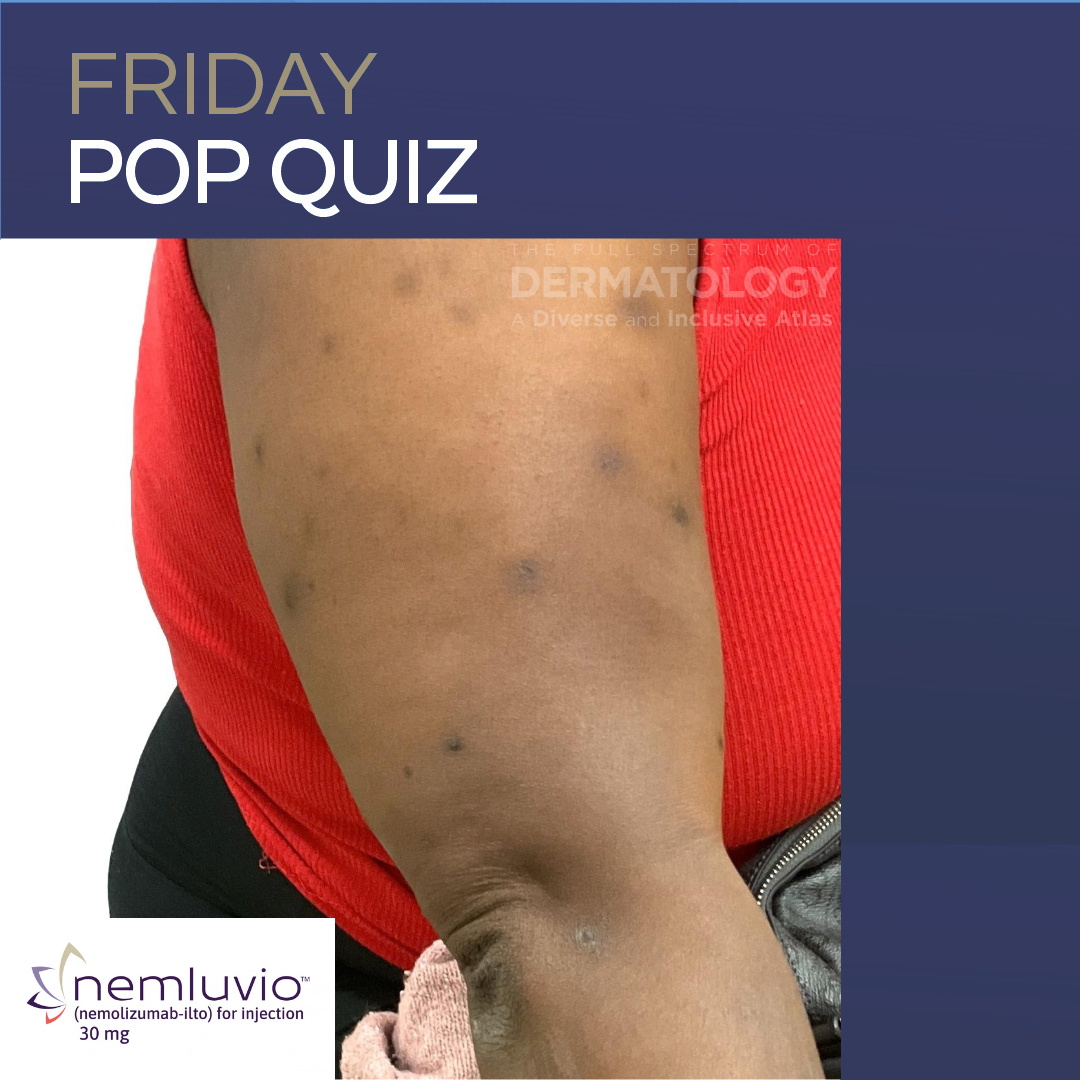 A 55 year old female presents to the dermatology clinic for follow-up for treatment of prurigo nodularis. There are more than 20 lesions on her arms, legs, and back and the patient reports they continue to be severely itchy, and affects her quality of life and ability to sleep at night. Lab work, including CBC, CMP, HA1c, HIV, hepatitis panel and TSH/free T4 have been normal. She has not respo …
 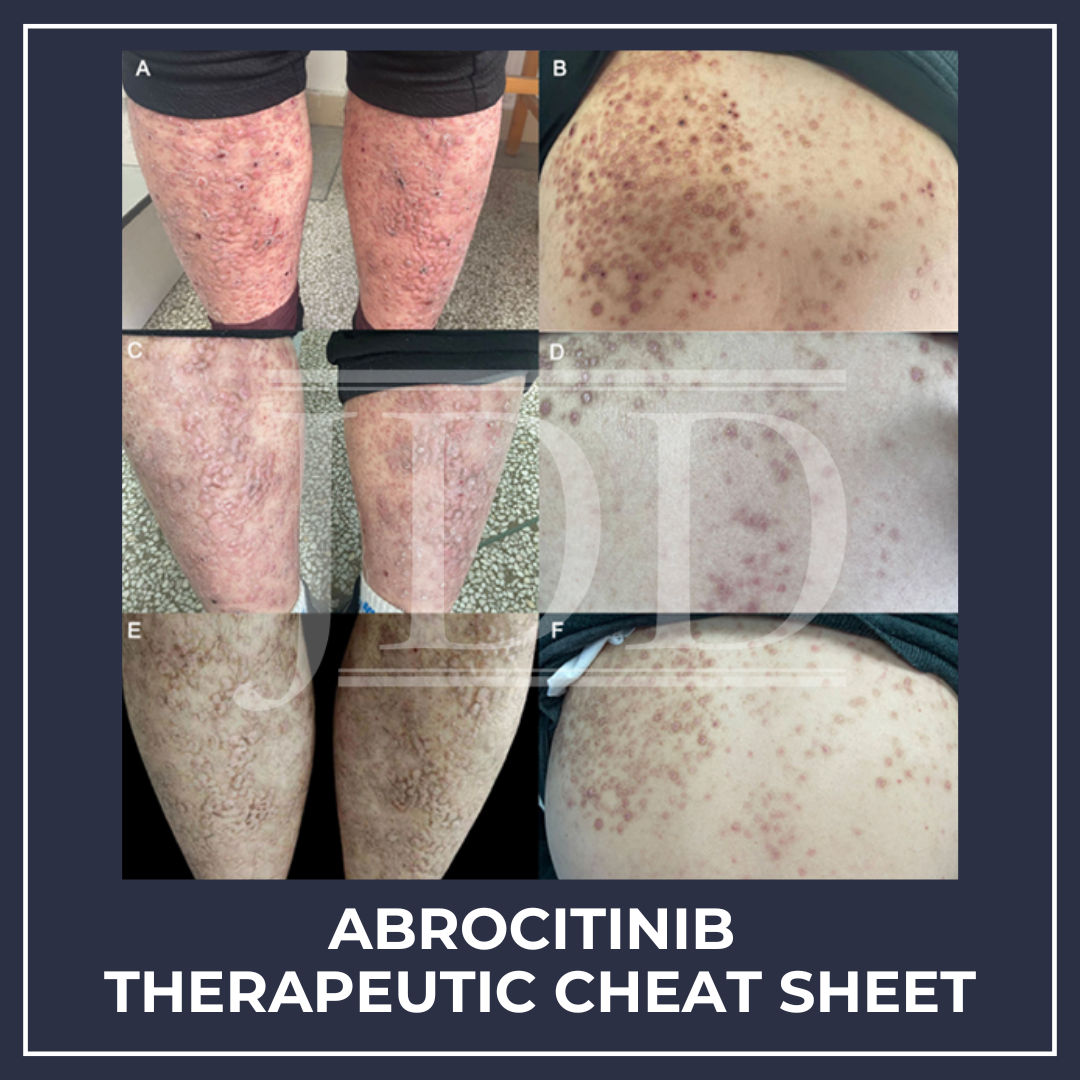 Abrocitinib is an oral, once-daily selective Janus kinase 1 (JAK1) inhibitor approved for moderate-to-severe atopic dermatitis. It can provide rapid improvement in pruritus and skin disease and is a useful treatment option for many patients. As an oral medication, it may also be preferred by patients who want to avoid injections. When prescribing abrocitinib, it is important to discuss laboratory …
 Intense itch is a common feature of prurigo nodularis. Why is this the case? Next Steps in Derm, in partnership with Skin of Color Update, interviewed Dr. Raj J. Chovatiya, associate professor at Rosalind Franklin University of Medicine and Science Chicago Medical School. Dr. Chovatiya, who has a PhD in immunology, outlines the science behind the “unbreakable loop” of chronic itch in prurigo …
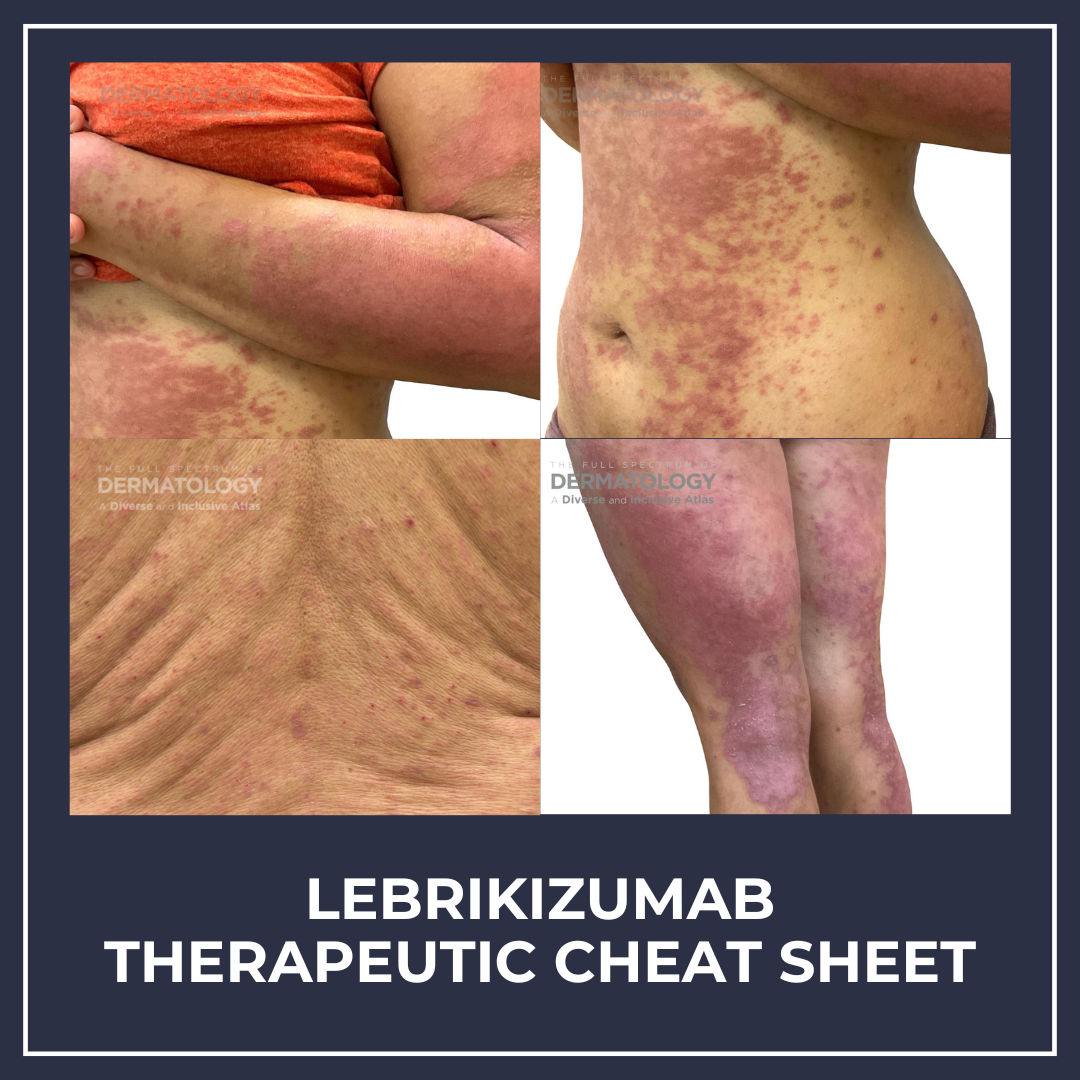 Lebrikizumab is a humanized immunoglobulin G4 (IgG4) monoclonal antibody that selectively targets IL-13, a key cytokine implicated in the pathogenesis of type 2 inflammatory diseases.1 Lebrikizumab binds IL-13 with high affinity and a slow dissociation rate, which prevents heterodimerization of the IL-13 receptor alpha-1 subunit (IL-13Rα1) with the IL-4 receptor alpha (IL-4Rα) signaling complex. …
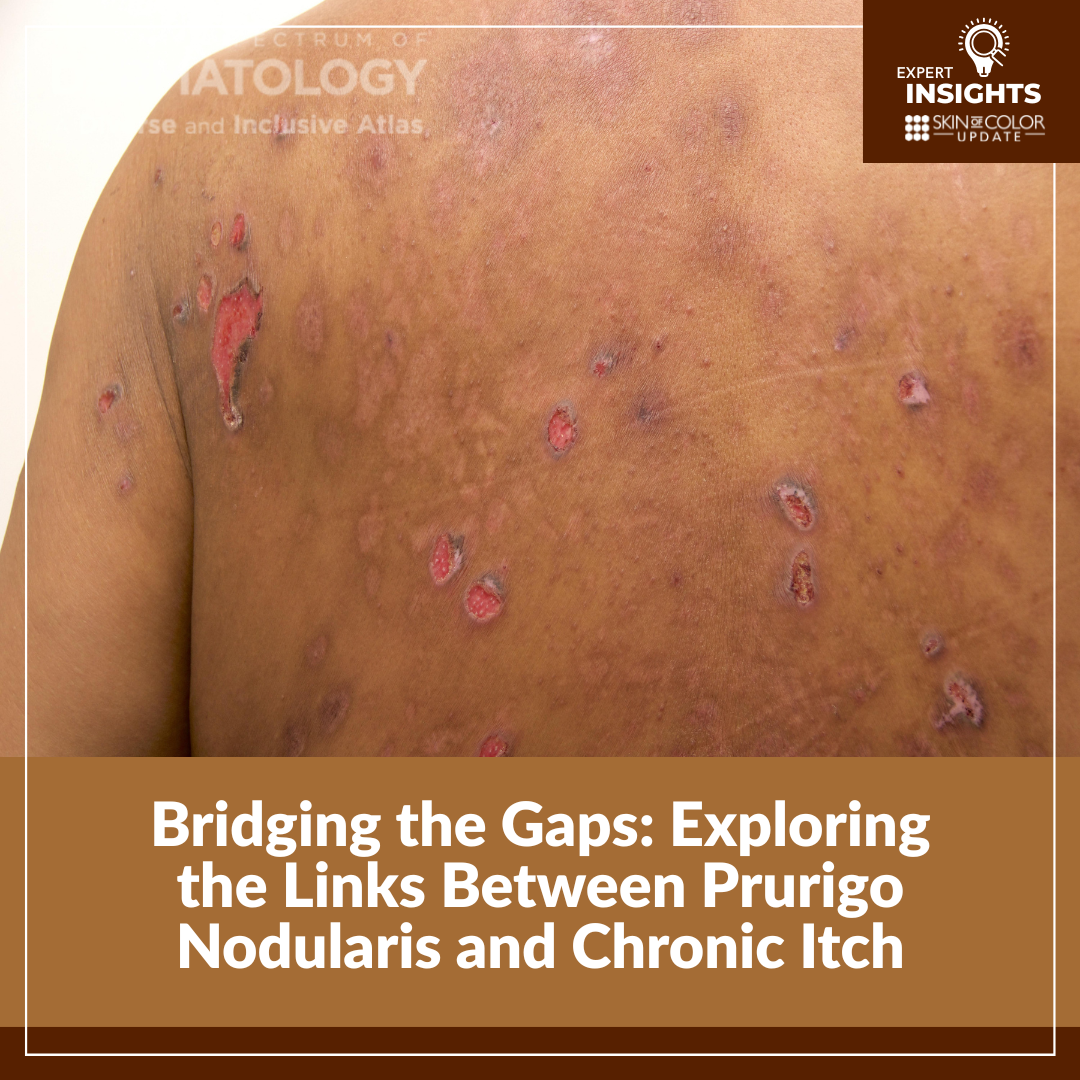 Prurigo nodularis (PN) is far more than just a persistent itch—it is a distinct, neuroimmune-driven disease entity that demands its own targeted diagnostic and therapeutic roadmap. During a standout session at this year's Skin of Color Update in New York City, Dr. Raj Chovatiya challenged the long-held notion that PN is merely a variant of atopic dermatitis. For patients with skin of color, wher …