












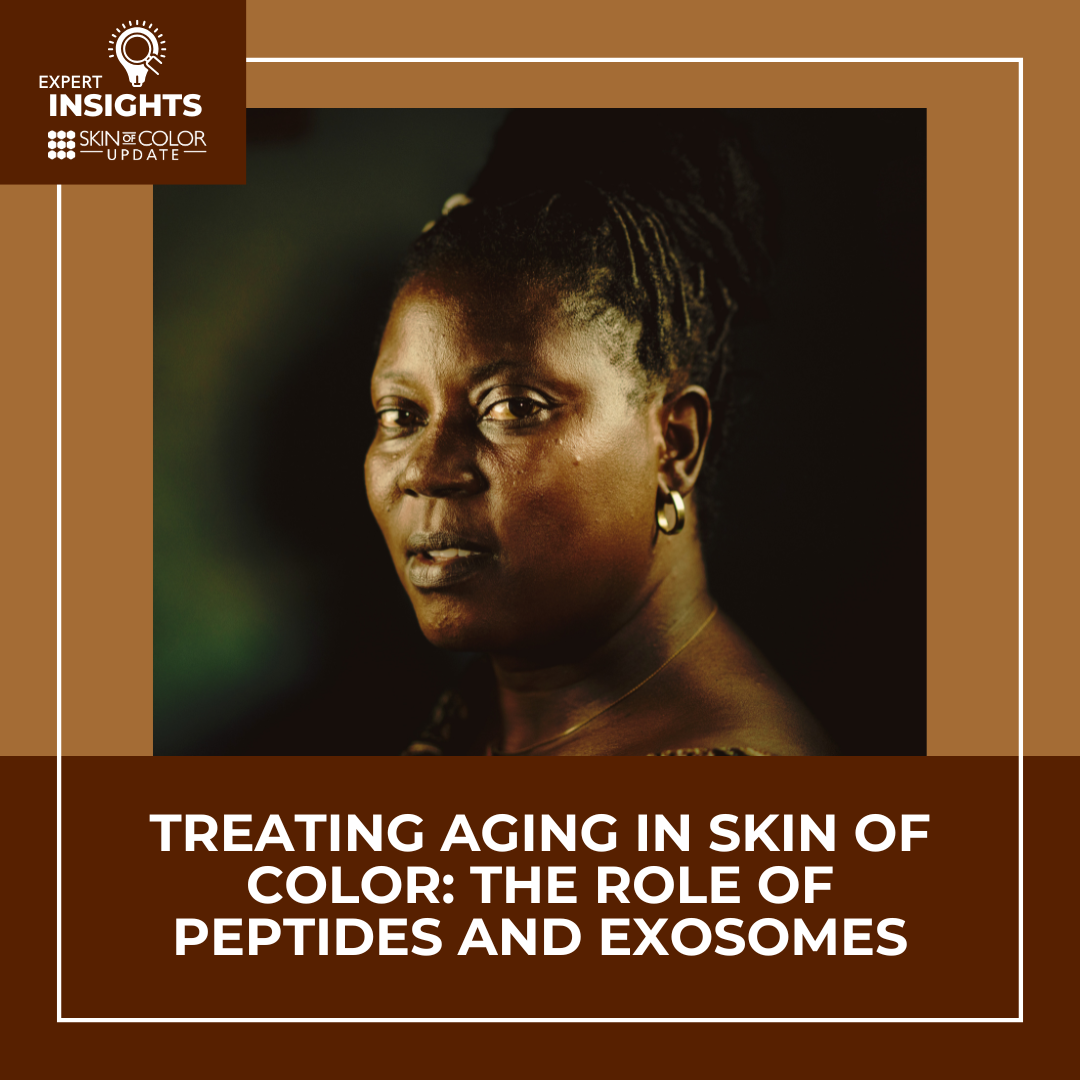
Dr. Cheri Frey recently delivered an insightful lecture on the evolving landscapes of cosmeceuticals and regenerative medicine. Her presentation addressed the complexities of a crowded market, emerging trends like “prejuvenation,” and the unique biological considerations for treating aging in patients with skin of color.
Navigating the Cosmeceutical Landscape
Dr. Frey acknowledged that the sheer volume of cosmeceutical products available can be intimidating for clinicians and confusing for patients. She highlighted several critical regulatory and clinical realities:
-
-
Lack of Regulation: There is no official FDA definition for terms such as “cosmeceuticals” or “medical-grade skincare”. These products are classified as cosmetics and are largely unregulated.
-
Variable Evidence: While some companies publish robust clinical trials in reputable journals, the overall evidence base across the industry remains inconsistent.
-
Understanding Aging in Skin of Color
Patient concerns regarding visible signs of aging are common. Dr. Frey distinguished between intrinsic aging (the natural, time-dependent process) and extrinsic aging (driven by environmental factors like UV radiation).
Key biological differences include:
-
-
Delayed Aging: Individuals with more skin pigment generally age more slowly. Patients with Fitzpatrick skin types V and VI often maintain skin elasticity longer and experience the onset of aging later than those with lighter skin types.
-
“Prejuvenation”: This emerging trend involves optimizing skin health and “storing up the bank” before overt signs of aging appear. Patients may notice subtle signs, such as decreased elasticity, before they are visible to others.
-
Emerging Ingredients and Targeted Therapies
Dr. Frey highlighted several specific ingredients and categories currently shaping treatment plans:
Novel Peptides and Classic Topicals
-
-
Acetylene Dipeptide 31 Amide (AP31): A low molecular weight peptide that may offer enhanced skin penetration. It has demonstrated anti-inflammatory and anti-aging properties, including the inhibition of cytokines (IL-8, TNF-α) and the stimulation of pro-collagen and hyaluronic acid.
-
AHAs and Retinoids: Dr. Frey advocates for alpha-hydroxy acids (specifically glycolic acid) and retinoids for patients with skin of color. All forms, including milder options like retinol, offer benefits.
-
Addressing Hormonal Aging
With menopause occurring at an average age of 51, estrogen’s role in wound healing and pigmentation is a significant factor in skin health.
-
-
Estriol vs. Estradiol: Estriol may be a safer topical option due to its affinity for beta estrogen receptors, which are predominant in the skin and less associated with carcinogenic risk. However, topical estrogen studies remain limited.
-
Phytoestrogens: As a safer alternative, Dr. Frey recommends phytoestrogens like resveratrol and soy derivatives, which offer antioxidant benefits and can stimulate fibroblast activity, increase collagen production, and modulate melanogenesis.
-
Genistein: Supports skin cell regeneration.
-
Diazin and Soyasaponin: Inhibit melanogenesis, making them highly effective for pigmentary concerns in skin of color.
-
Regenerative Medicine: The Role of Exosomes
Exosomes are extracellular vesicles that facilitate cell-to-cell communication by transporting proteins, lipids, and signaling molecules.
-
-
Applications: In dermatology, they have potential applications in hair restoration, hyperpigmentation, wound healing, and scar remodeling.
-
Sources: While they can be derived from stem cells or plants, the clinical relevance of plant-derived exosomes in human skin remains unclear.
-
The Need for Oversight: Dr. Frey stressed that the field lacks FDA oversight, necessitating greater regulation and standardization regarding sourcing and manufacturing.
-
Dr. Frey concluded by emphasizing that while the field is advancing rapidly, clinicians must remain committed to evidence-based recommendations. Understanding the unique biological characteristics of darker skin types is essential for providing safe, effective care in both cosmeceutical and regenerative therapies.
This information was presented at the 2025 Skin of Color Update conference by Cheri Frey, MD. The above highlights from her lecture were written and compiled by Jay Nguyen, DO.