












Key Steps for Conducting a Hair & Scalp Exam
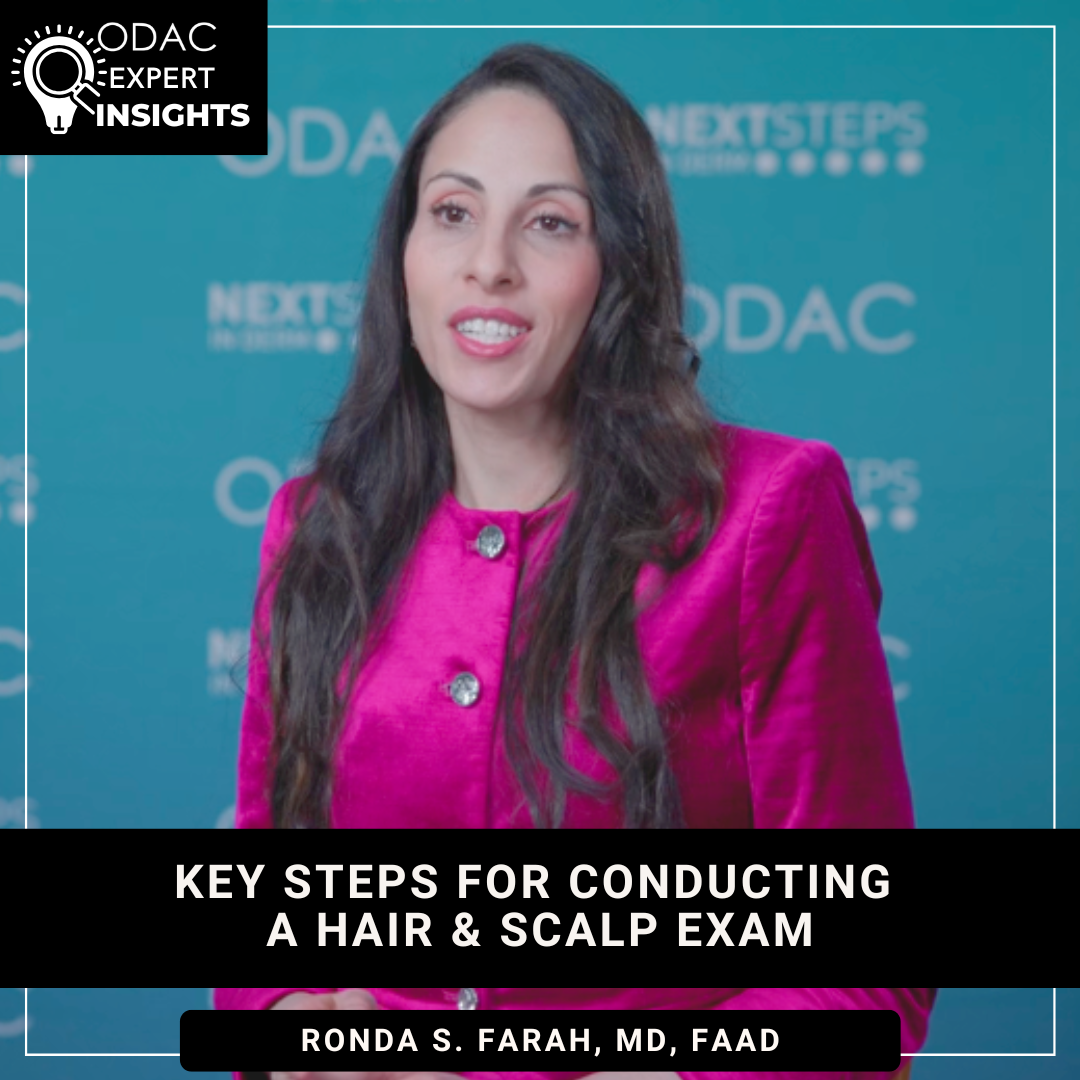 Ronda S. Farah, MD, FAAD, knows the impact of hair and scalp disorders on patients’ quality of life. Dr. Farah is an associate of professor of dermatology at the University of Minnesota and founder of Alluma Dermatology. For Dr. Farah, quality care begins with a thorough hair and scalp exam. In this Next Steps in Derm video interview, conducted in partnership with the ODAC Dermatology Conference …
 Continue reading "Key Steps for Conducting a Hair & Scalp Exam"
 Dermatology clinicians have a plethora of treatment options to consider for their psoriasis patients, from topicals to phototherapy to systemics. Yet there’s a non-prescription, adjunctive strategy that clinicians may hesitate to broach in office visits for psoriasis. Research shows dietary strategies that reduce energy intake, such as a low-calorie diet or intermittent fasting, may reduce psori …
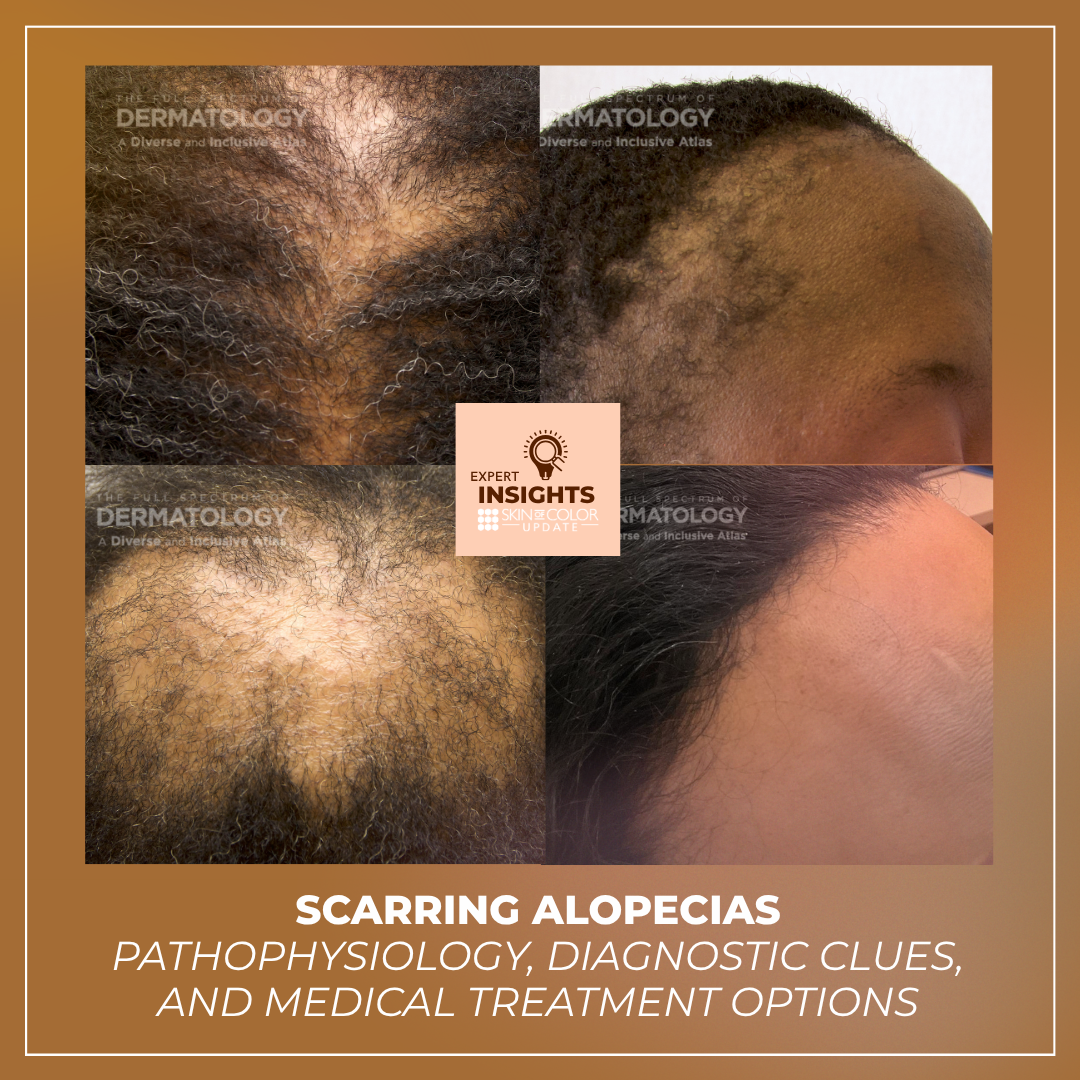 Scarring alopecias in skin of color are increasingly recognized and remain a major cause of irreversible hair loss. During the 2025 Skin of Color Update in New York City, Susan C. Taylor, MD, presented an updated clinical approach to identifying and managing lichen planopilaris (LPP), frontal fibrosing alopecia (FFA), and central centrifugal cicatricial alopecia (CCCA) with a focus on early detect …
 Periorbital hyperpigmentation is common in patients with skin of color, though understanding the condition – and selecting an effective treatment – can be a challenge. Darkening around the eyes can appear as brown, blue-grey, blue, violet, or purple -- all signs of the root causes -- which include extra deposits of melanin, inflammation, prominent veins, and structural changes. Periorbital hyp …
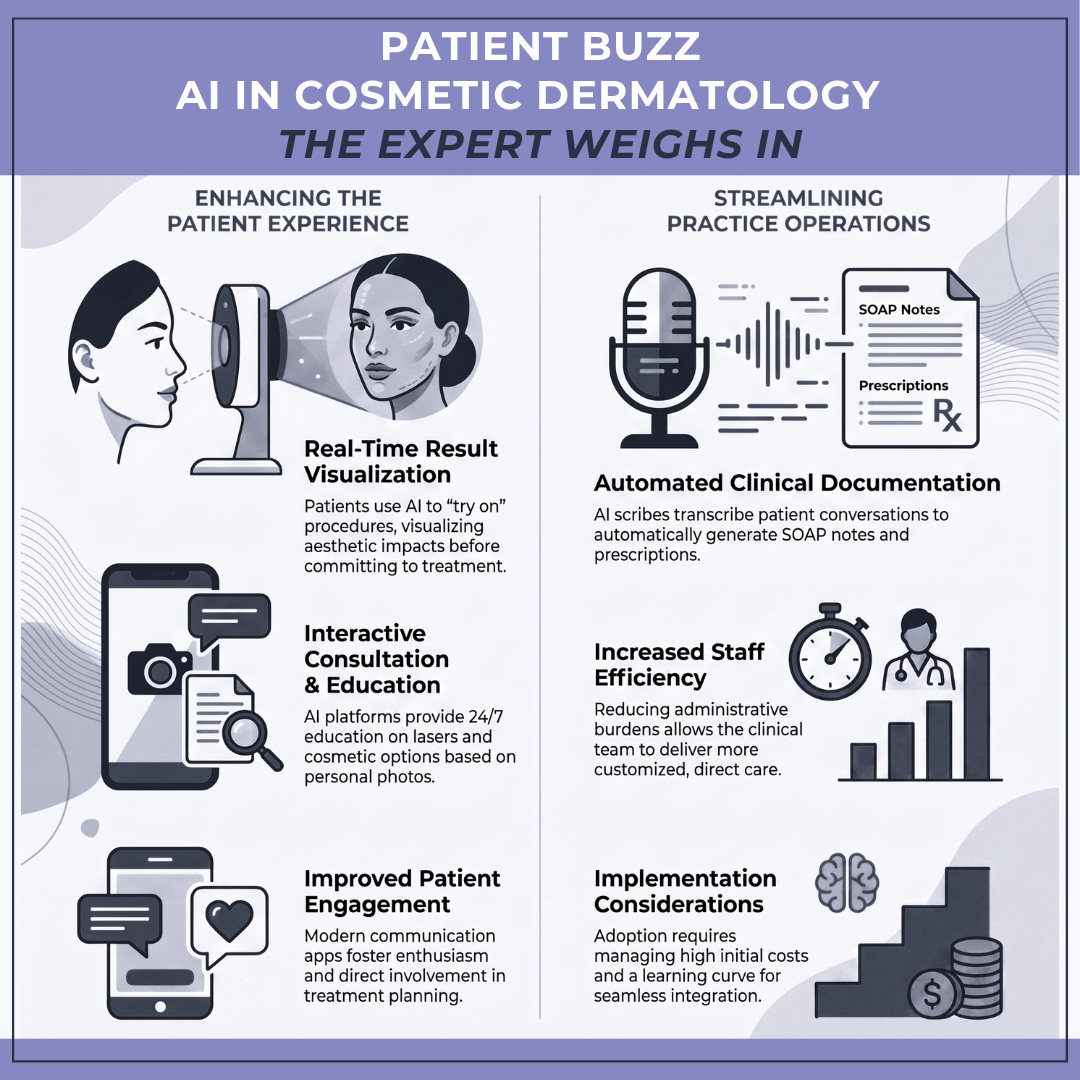 Artificial Intelligence (AI) is rapidly changing how we do our work, including the practice of dermatology. From AI-generated notes to AI-drafted appeal letters for insurance denials, AI promises to reduce administrative burden and help dermatology clinicians focus more on direct patient care. In addition, cosmetic dermatologists, according to an article in Women’s Health, are implementing AI ap …