












JDD July 2024 Issue Highlights
 This July, the Journal of Drugs in Dermatology (JDD) is proud to present a special edition focused on "Bridging the Gap in Dermatology." Our Editor's Picks this month highlight groundbreaking research and discussions aimed at promoting inclusivity, representation, and innovation in dermatologic care. From advancements in sun protection to the role of social media in healthcare, these pieces provid …
This July, the Journal of Drugs in Dermatology (JDD) is proud to present a special edition focused on "Bridging the Gap in Dermatology." Our Editor's Picks this month highlight groundbreaking research and discussions aimed at promoting inclusivity, representation, and innovation in dermatologic care. From advancements in sun protection to the role of social media in healthcare, these pieces provid … 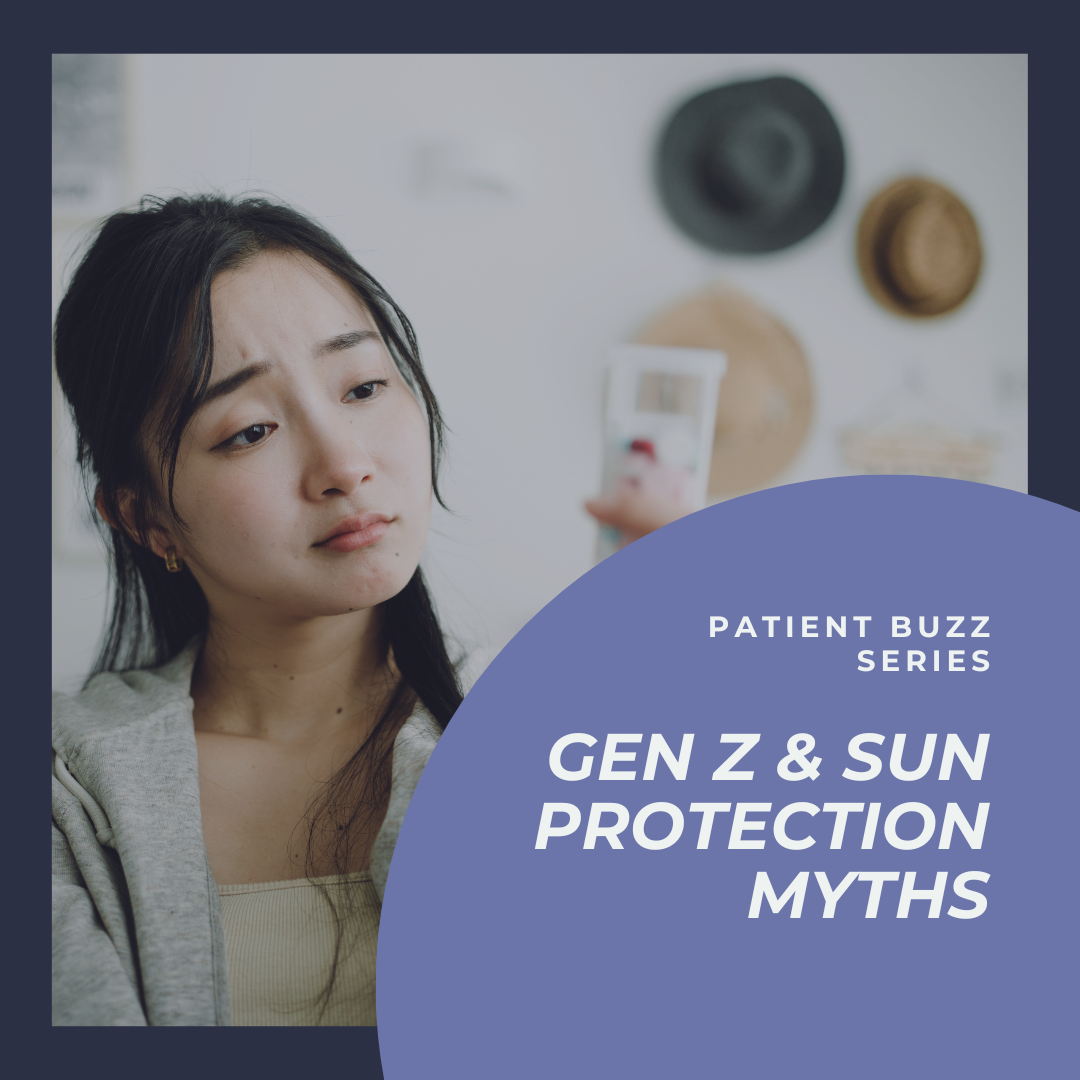 You may want to make an extra effort to encourage your young adult patients to protect their skin from the sun. Recent surveys, as noted in The New York Times, showed that adults born after 1997 – those considered in Gen Z – were more likely to believe sun safety myths, including that daily sunscreen usage is more harmful than sun exposure.
Experts say that misinformation in this age group …
You may want to make an extra effort to encourage your young adult patients to protect their skin from the sun. Recent surveys, as noted in The New York Times, showed that adults born after 1997 – those considered in Gen Z – were more likely to believe sun safety myths, including that daily sunscreen usage is more harmful than sun exposure.
Experts say that misinformation in this age group … 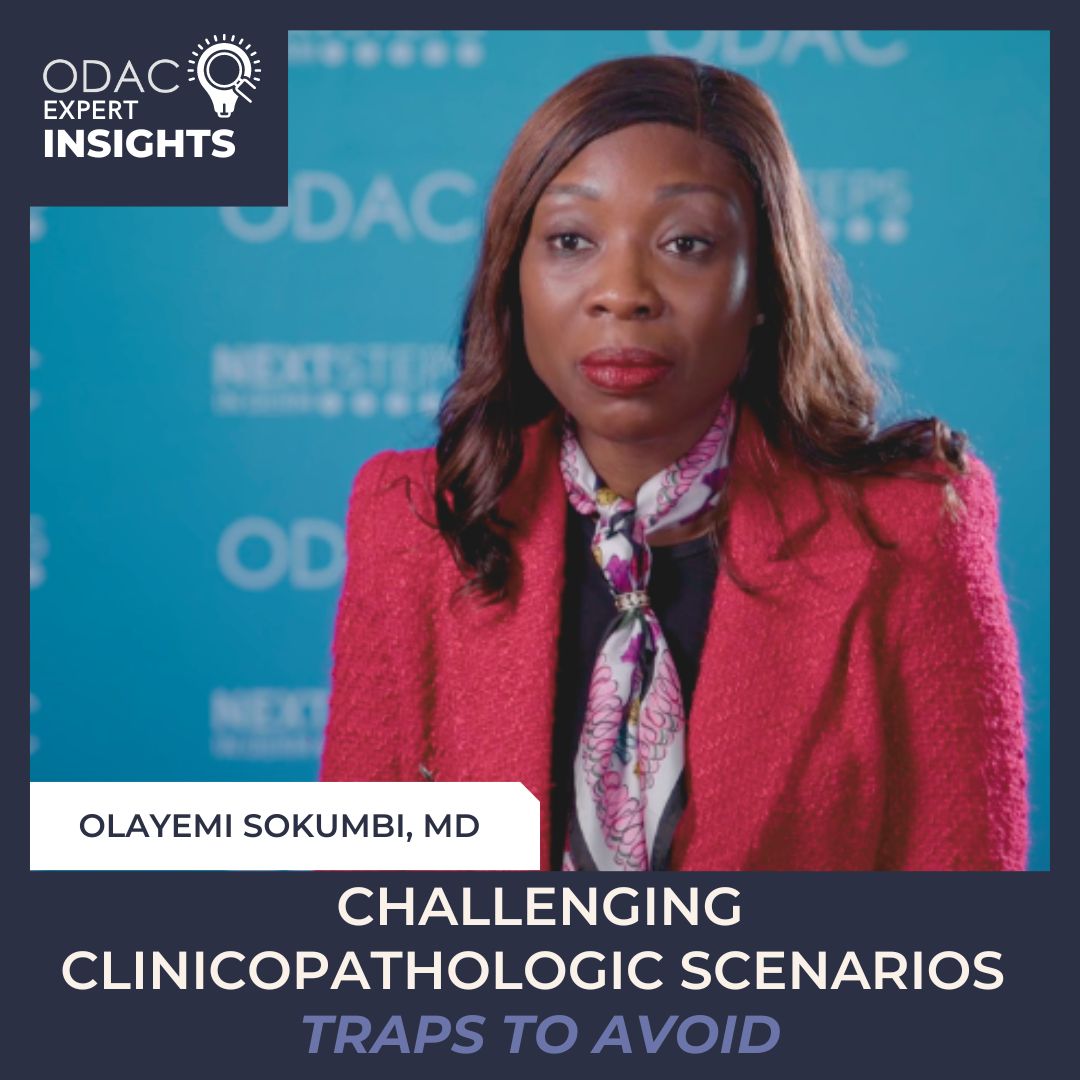 Histopathology can be rendered useless without good clinical information, according to Dr. Olayemi Sokumbi, a dermatologist and dermatopathologist with Mayo Clinic. Next Steps in Derm, in partnership with ODAC Dermatology, Aesthetic & Surgical Conference, interviewed Dr. Sokumbi about traps to avoid in challenging clinicopathologic scenarios. Learn how not to miss a diagnosis of dermatomyosit …
  A mutated histidine-rich protein in the patient’s condition is most likely to be
found in highest abundance in which of the following layers of the skin?
A. Stratum basale
B. Stratum corneum
C. Stratum granulosum
D. Stratum lucidum
E. Stratum spinosum
To find out the correct answer and read the explanation, click here. …
A mutated histidine-rich protein in the patient’s condition is most likely to be
found in highest abundance in which of the following layers of the skin?
A. Stratum basale
B. Stratum corneum
C. Stratum granulosum
D. Stratum lucidum
E. Stratum spinosum
To find out the correct answer and read the explanation, click here. … 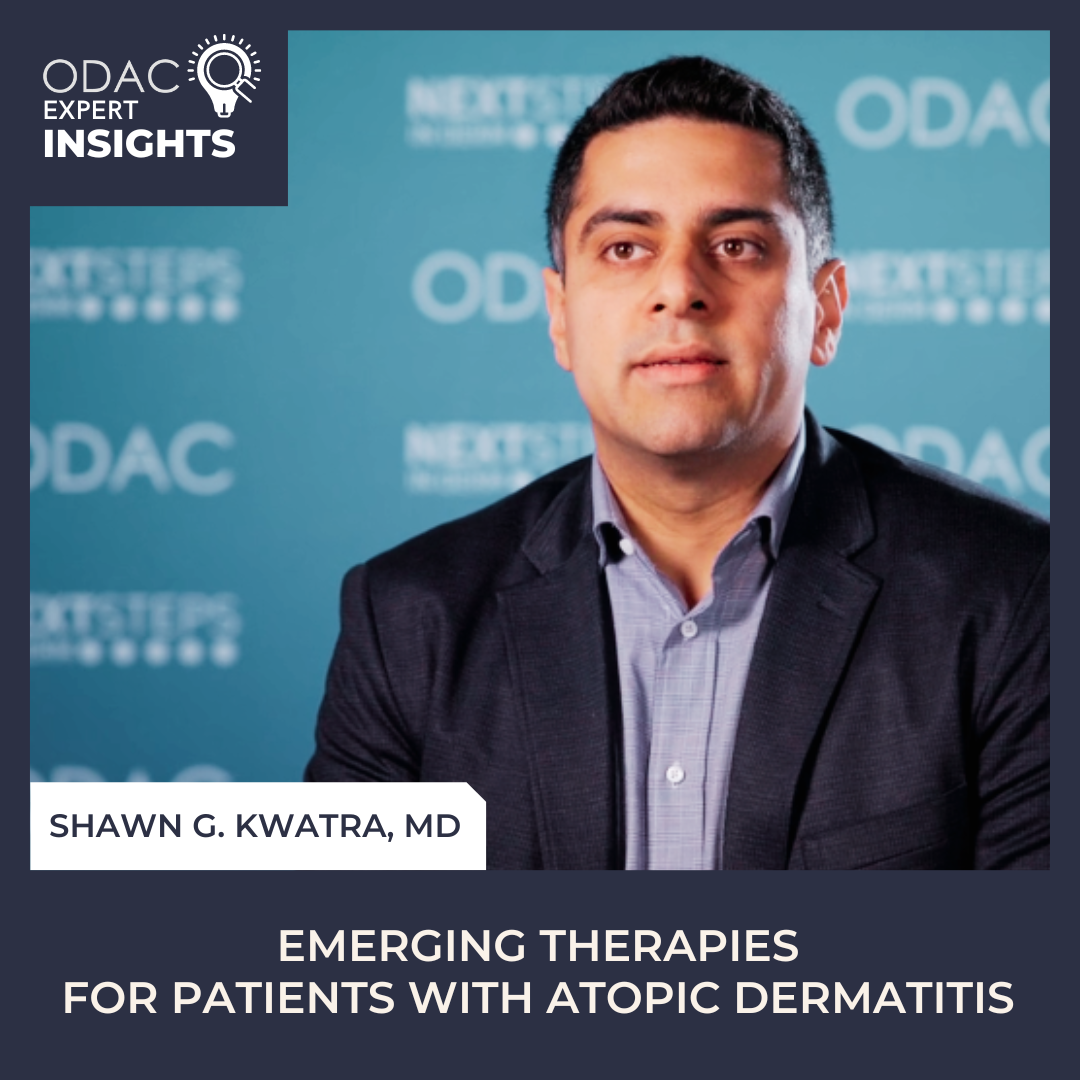 It’s an exciting time for new therapies in atopic dermatitis with several therapies recently approved or in late-stage development. Next Steps in Derm, in partnership with ODAC Dermatology, Aesthetic & Surgical Conference, interviewed Baltimore dermatologist Dr. Shawn Kwatra, who outlined the new treatment options. From therapies that target IL-13 and IL-31 to JAK inhibitors, dermatology cl …