












Patient Buzz: Nail Signs of Systemic Disease | The Expert Weighs In
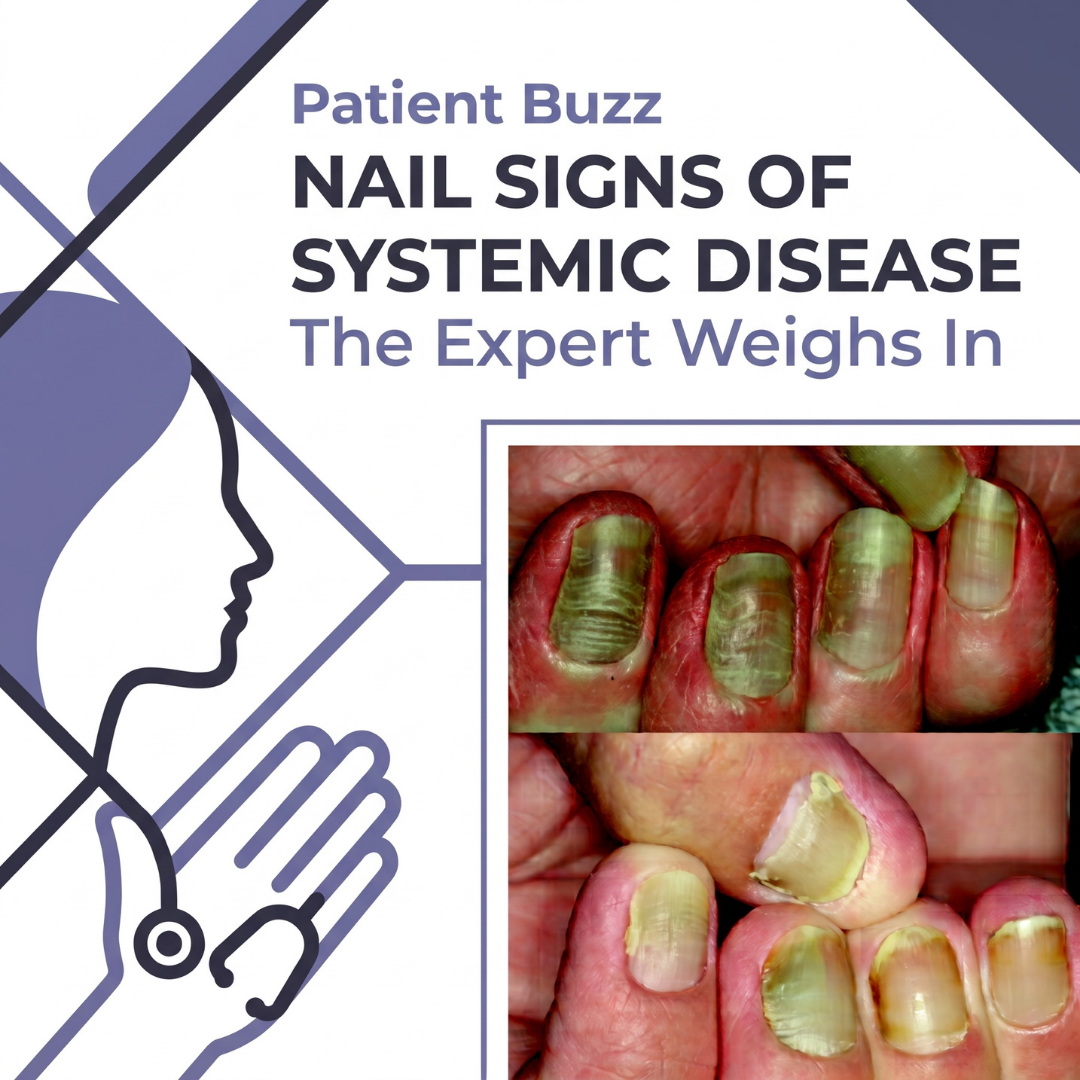 Nail disorders have a variety of causes, from wet work to fungi to trauma. Two recent articles in the consumer press highlighted the common – and uncommon – causes of nail disorders, including systemic health issues. Verywell Health wrote about the nail signs of high blood sugar, while Women’s Health wrote about the dermatological and systemic causes of white spots on the nails.
For what …
Nail disorders have a variety of causes, from wet work to fungi to trauma. Two recent articles in the consumer press highlighted the common – and uncommon – causes of nail disorders, including systemic health issues. Verywell Health wrote about the nail signs of high blood sugar, while Women’s Health wrote about the dermatological and systemic causes of white spots on the nails.
For what … Continue reading "Patient Buzz: Nail Signs of Systemic Disease | The Expert Weighs In"
 Managing acne effectively requires a nuanced approach that combines cutting-edge innovations with tried-and-true clinical strategies. In a recent presentation at the ODAC Dermatology Conference, Dr. Hilary Baldwin, MD, FAAD—Medical Director of The Acne Treatment and Research Center and Clinical Associate Professor at Rutgers Robert Wood Johnson Medical Center—shared her clinical expertise on m …
 Ronda S. Farah, MD, FAAD, knows the impact of hair and scalp disorders on patients’ quality of life. Dr. Farah is an associate of professor of dermatology at the University of Minnesota and founder of Alluma Dermatology. For Dr. Farah, quality care begins with a thorough hair and scalp exam. In this Next Steps in Derm video interview, conducted in partnership with the ODAC Dermatology Conference …
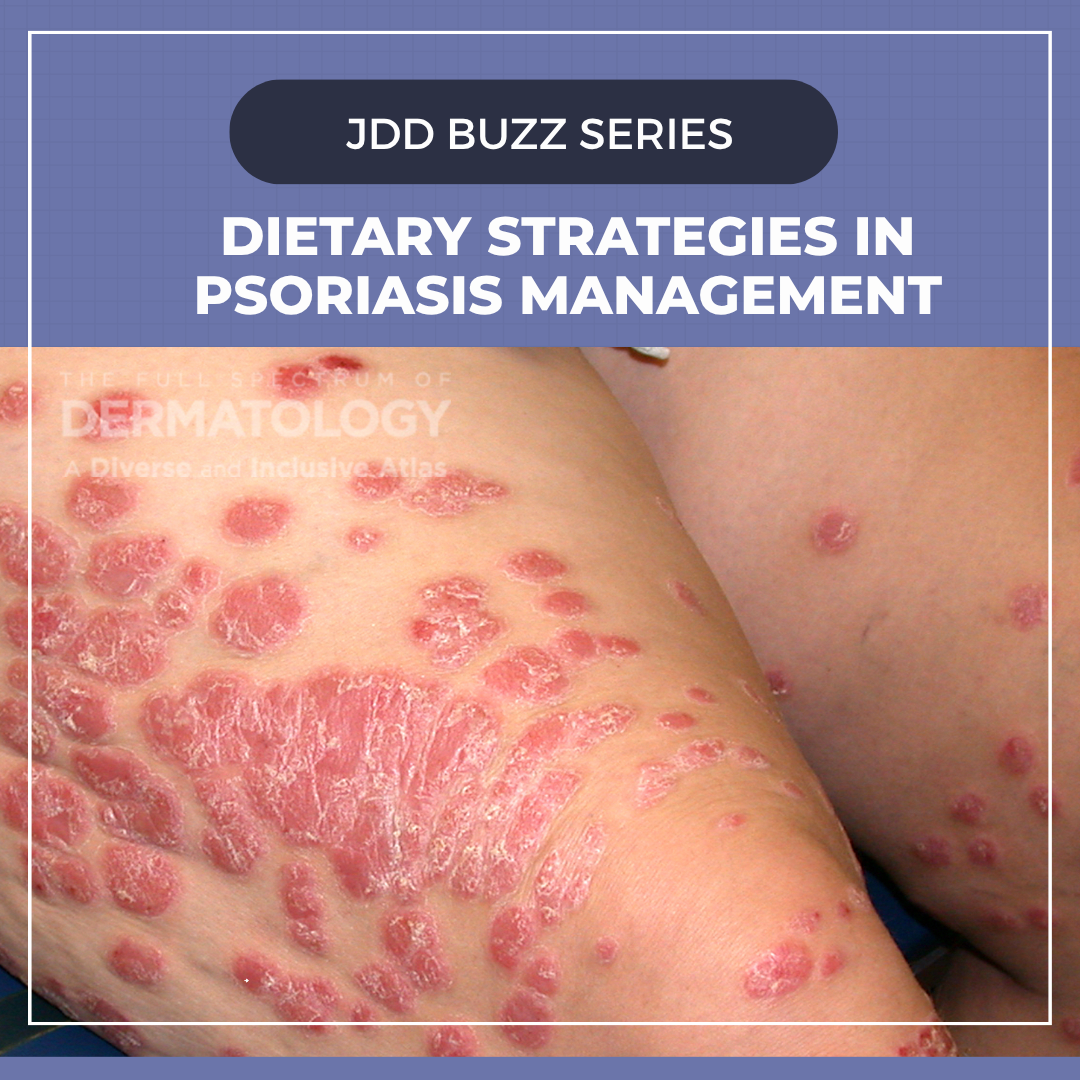 Dermatology clinicians have a plethora of treatment options to consider for their psoriasis patients, from topicals to phototherapy to systemics. Yet there’s a non-prescription, adjunctive strategy that clinicians may hesitate to broach in office visits for psoriasis. Research shows dietary strategies that reduce energy intake, such as a low-calorie diet or intermittent fasting, may reduce psori …
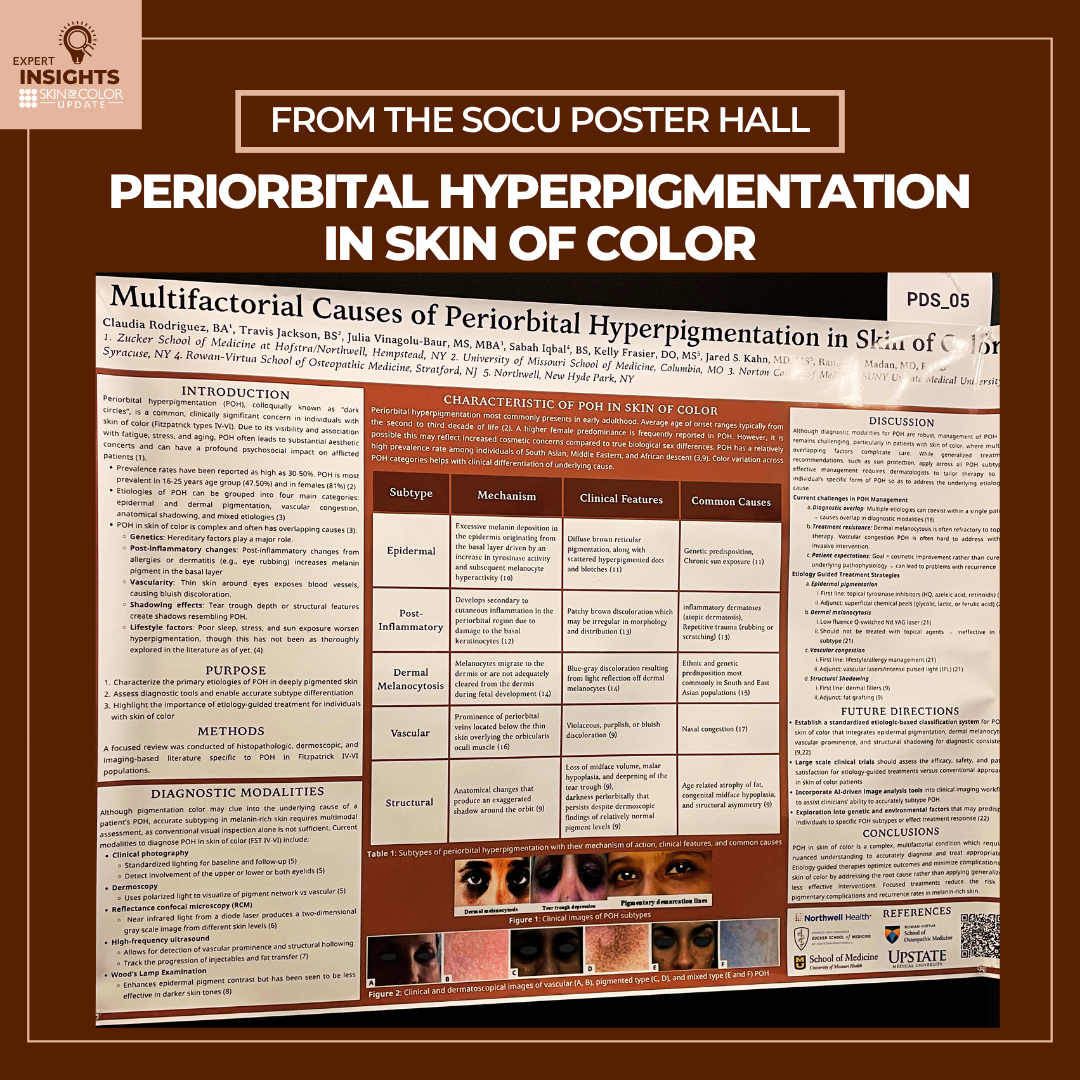 Periorbital hyperpigmentation is common in patients with skin of color, though understanding the condition – and selecting an effective treatment – can be a challenge. Darkening around the eyes can appear as brown, blue-grey, blue, violet, or purple -- all signs of the root causes -- which include extra deposits of melanin, inflammation, prominent veins, and structural changes. Periorbital hyp …