












Legal Issues in Aesthetic Dermatology: What Dermatologists Should Know
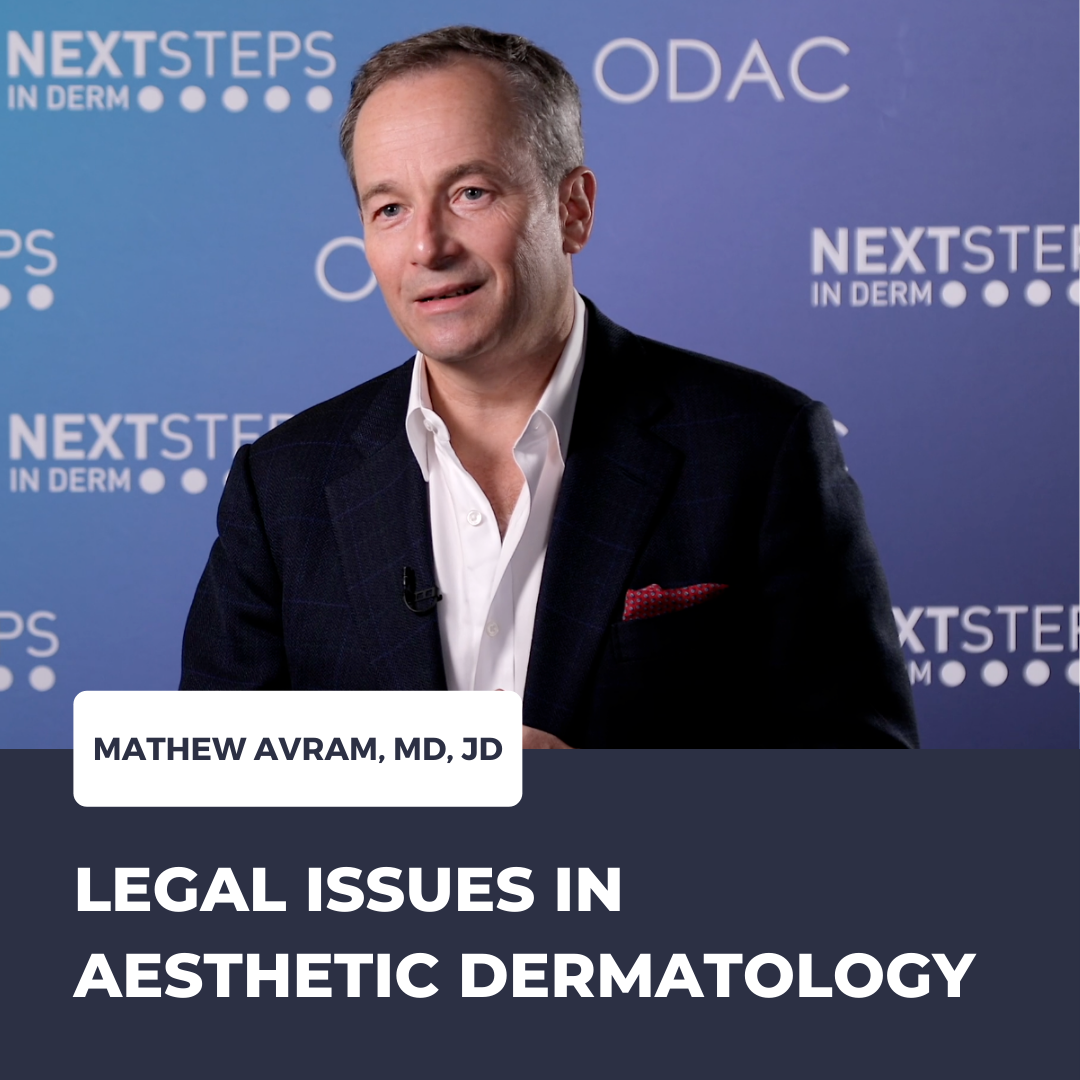 Next Steps in Derm, in partnership with ODAC Dermatology, Aesthetic and Surgical Conference, interviewed Dr. Mathew M. Avram (Director of the Mass General Dermatology Laser & Cosmetic Center and Director of Dermatologic Surgery at MGH, as well as Faculty Director for Procedural Training in Harvard Medical School's Dermatology Department), who discusses potential legal situations that may ari …
Next Steps in Derm, in partnership with ODAC Dermatology, Aesthetic and Surgical Conference, interviewed Dr. Mathew M. Avram (Director of the Mass General Dermatology Laser & Cosmetic Center and Director of Dermatologic Surgery at MGH, as well as Faculty Director for Procedural Training in Harvard Medical School's Dermatology Department), who discusses potential legal situations that may ari … Continue reading "Legal Issues in Aesthetic Dermatology: What Dermatologists Should Know"
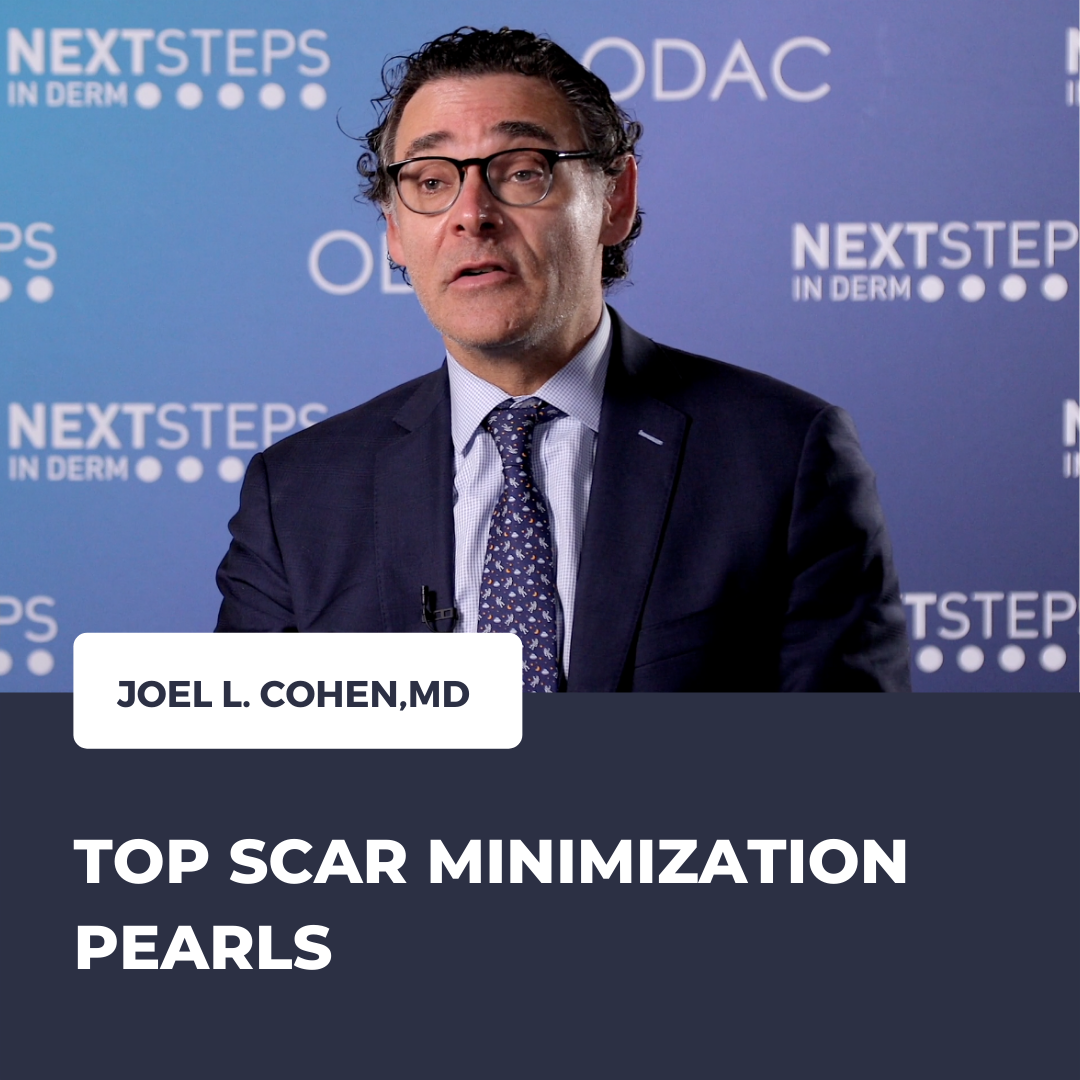 Next Steps in Derm, in partnership with ODAC Dermatology, Aesthetic and Surgical Conference, interviewed ODAC Co-Chair Dr. Joel L. Cohen (Board-Certified Dermatologist, Fellowship-trained in Mohs Surgery, Lasers, and Cosmetic Dermatology), who shares how to evaluate different types of scars and the tools available for treatment. Watch as he provides examples from his practice and offers options fo …
 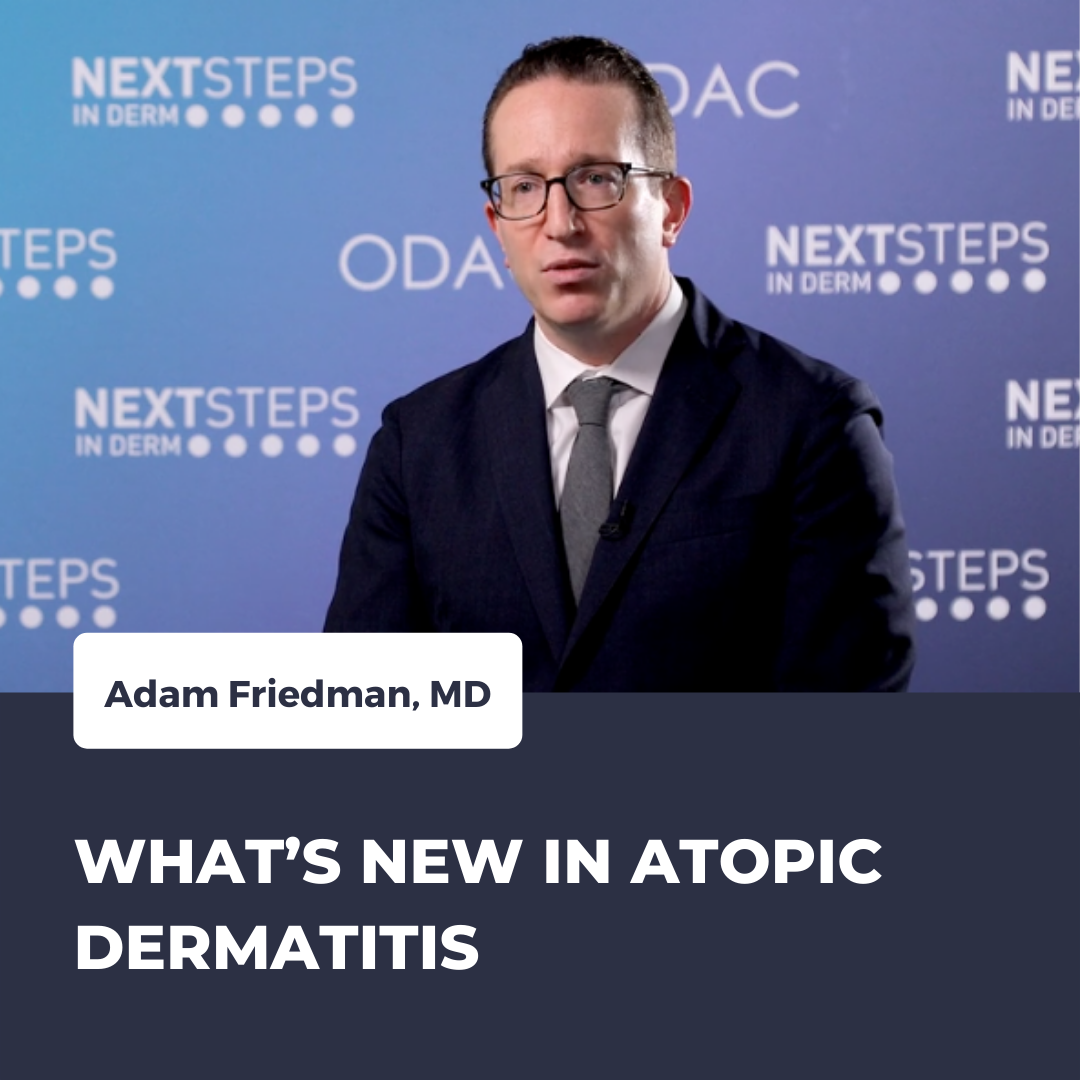 Next Steps in Derm, in partnership with ODAC Dermatology, Aesthetic and Surgical Conference, interviewed Dr. Adam Friedman (Professor and Chair of Dermatology who serves as Associate Residency Program Director, Director of Translational Research, and Director of the Supportive Oncodermatology Program in the GW Department of Dermatology) about the latest in Atopic Dermatitis (AD). Watch as he discu …
 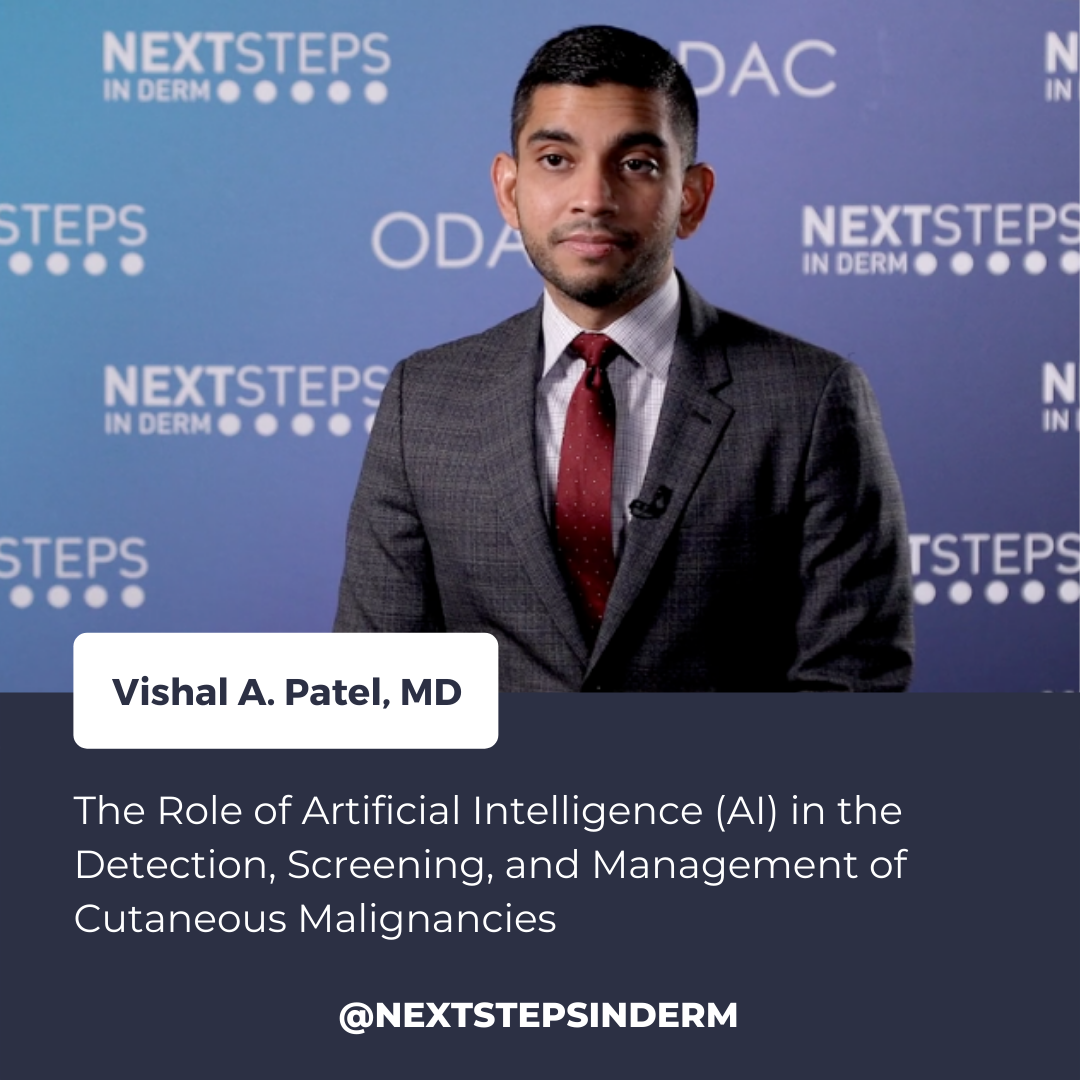 Next Steps in Derm, in partnership with ODAC Dermatology, Aesthetic and Surgical Conference, interviewed Dr. Vishal A. Patel, (fellowship trained Mohs micrographic surgeon who serves as Director of Cutaneous Oncology at the GW Cancer Center and Director of Dermatologic Surgery at the GW Department of Dermatology) about how Artificial Intelligence (AI) can help clinicians. Watch as he discusses A …
 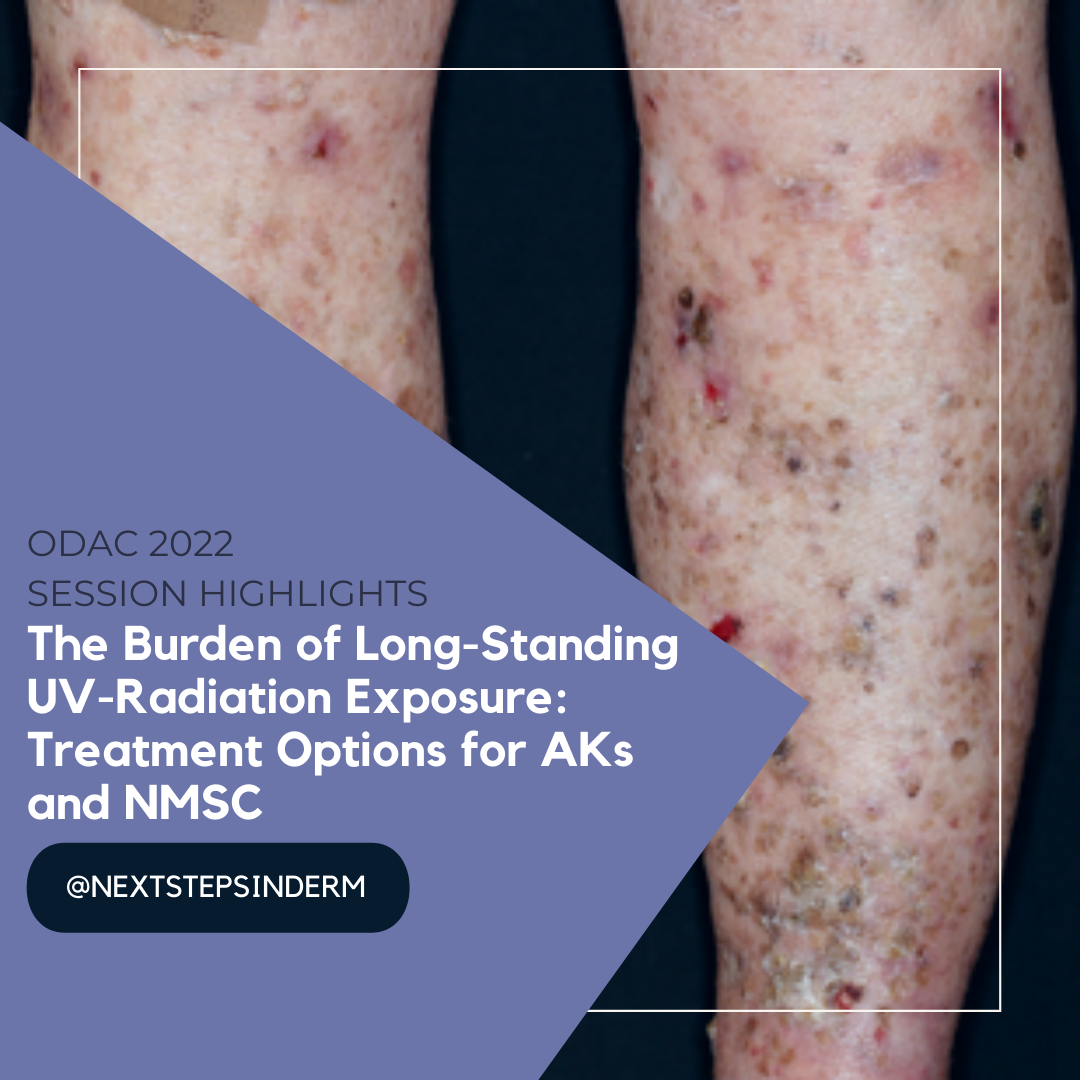 The numbers are staggering when it comes to the management of skin cancer in the United States and worldwide. Signs of chronic exposure to ultraviolet (UV) rays from the sun and/or indoor tanning bed use include solar lentigines, hyperpigmentation, wrinkles and pre-cancerous lesions called actinic keratoses. Actinic Keratoses (AKs) best identified as scaly, pink macules and papules, result from lo …