












Antibiotics and Acne: the Bad, the Good, and the Brand New
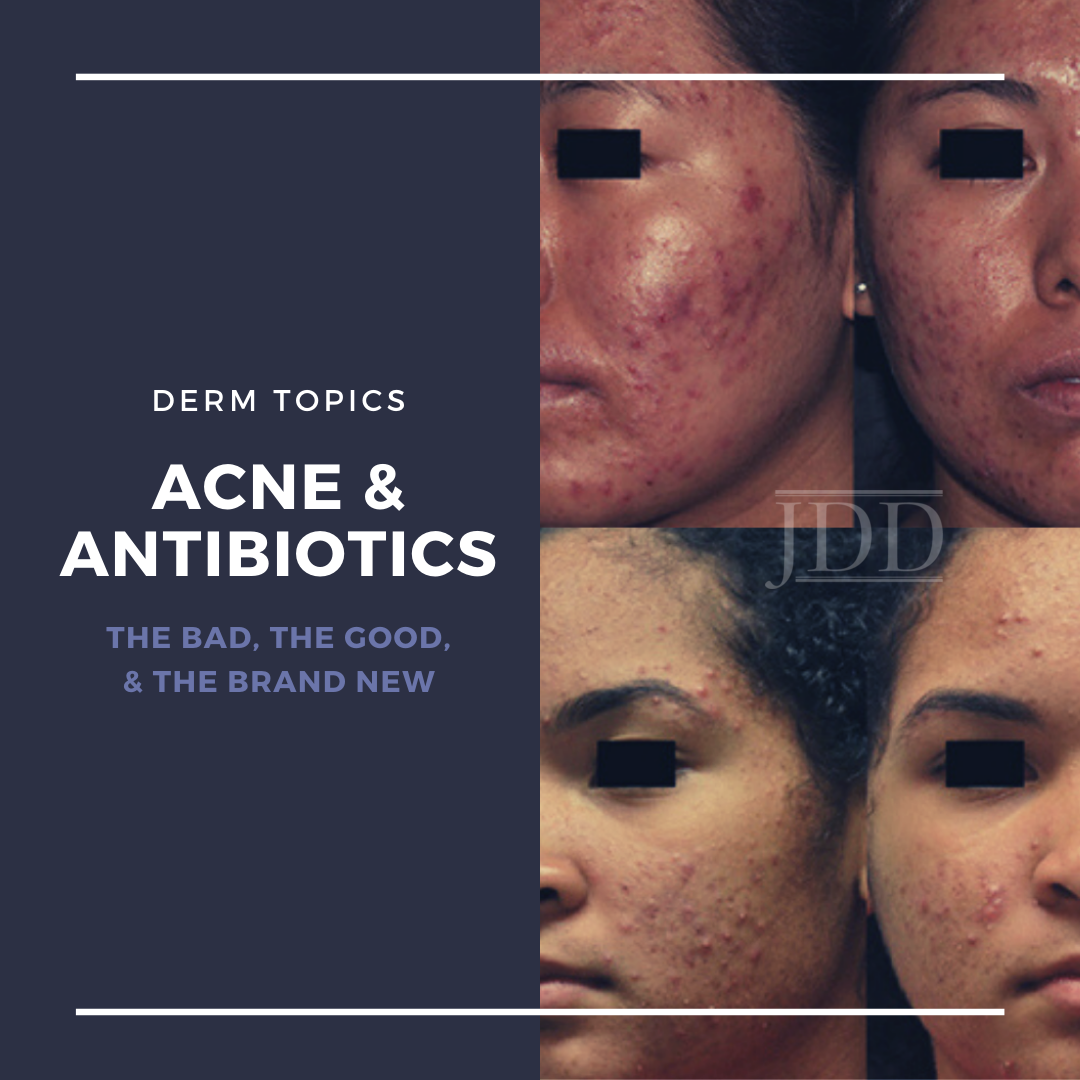 Tomorrow when we arrive into clinic (or this afternoon if you are reading this during your lunch break), we will invariably be greeted with patients who struggle with one of the most common diseases we treat – acne. More than likely, we will reach for topical retinoids, topical antibiotics, and the occasional systemic antibiotic. Evidence supports the short-term use of systemic antibiotics t …
Tomorrow when we arrive into clinic (or this afternoon if you are reading this during your lunch break), we will invariably be greeted with patients who struggle with one of the most common diseases we treat – acne. More than likely, we will reach for topical retinoids, topical antibiotics, and the occasional systemic antibiotic. Evidence supports the short-term use of systemic antibiotics t … Continue reading "Antibiotics and Acne: the Bad, the Good, and the Brand New"
 Have you ever come across a patient with a skin cancer that you are not 100% sure should be treated with Mohs surgery or an alternative modality? Or a patient who comes back for a follow-up after skin cancer surgery with an undesirable scar and you wonder if you should have opted for a less invasive option? I certainly have. Some of these nagging questions were answered by a thoughtful, case-based …
  Hormonal acne is a prevalent and frustrating condition among many women. For those who are unable to control the disease with topical medications alone, spironolactone is often a useful systemic agent. However, its off-label use and potential risk of hyperkalemia have raised the question about serum potassium monitoring. We continue our Therapeutic Cheat Sheet series, with a closer look at spirono …