












Efinaconazole for Toenail Onychomycosis | Therapeutic Cheat Sheet
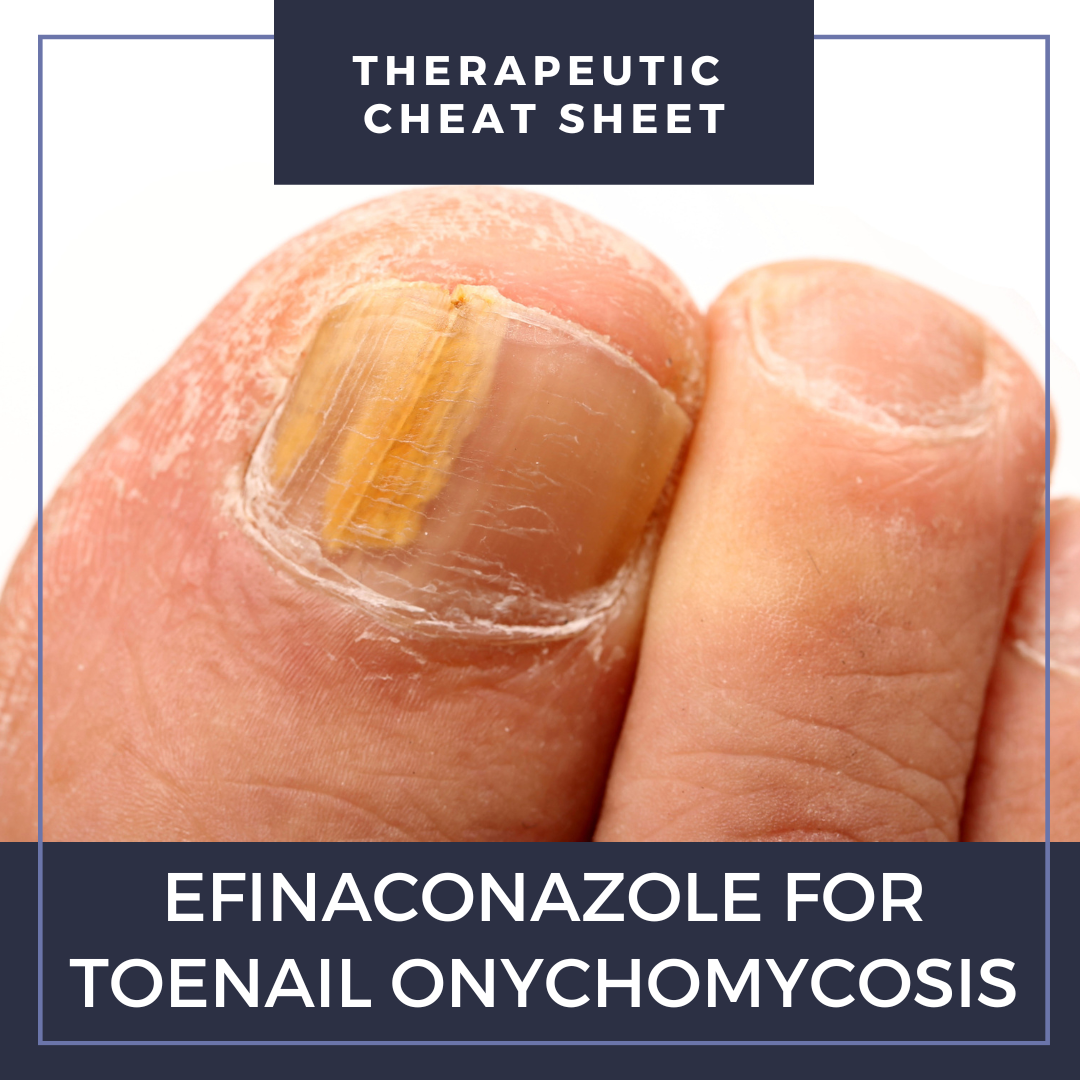 Onychomycosis is an extremely common and difficult to treat condition. We have numerous oral and topical treatments in our therapeutic repertoire, but oral medication use is often limited by the risk of hepatotoxicity or drug interactions. Traditional topical lacquers, on the other hand, have limited efficacy due to their inability to adequately penetrate the nail plate. Efinaconazole is a newer t …
Onychomycosis is an extremely common and difficult to treat condition. We have numerous oral and topical treatments in our therapeutic repertoire, but oral medication use is often limited by the risk of hepatotoxicity or drug interactions. Traditional topical lacquers, on the other hand, have limited efficacy due to their inability to adequately penetrate the nail plate. Efinaconazole is a newer t … Continue reading "Efinaconazole for Toenail Onychomycosis | Therapeutic Cheat Sheet"
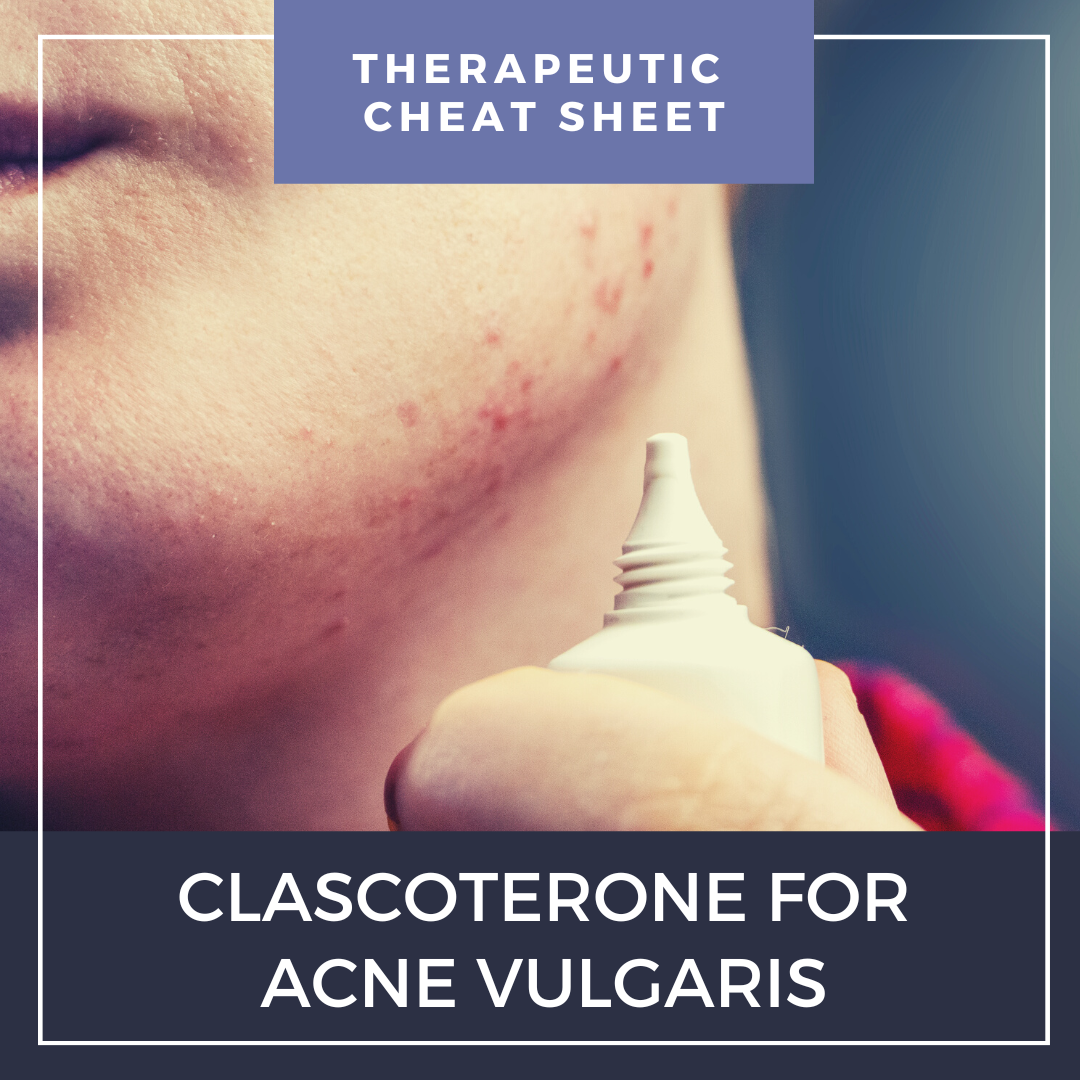 Clascoterone cream is a novel topical therapeutic agent used to treat acne vulgaris through androgen inhibition. Other androgen inhibitors such as combined oral contraceptive pills and off-label spironolactone can lead to some unwanted side effects such as feminization, gynecomastia, and erectile dysfunction, making them unsuitable for male patients. Unlike other androgen inhibitors used to manage …
 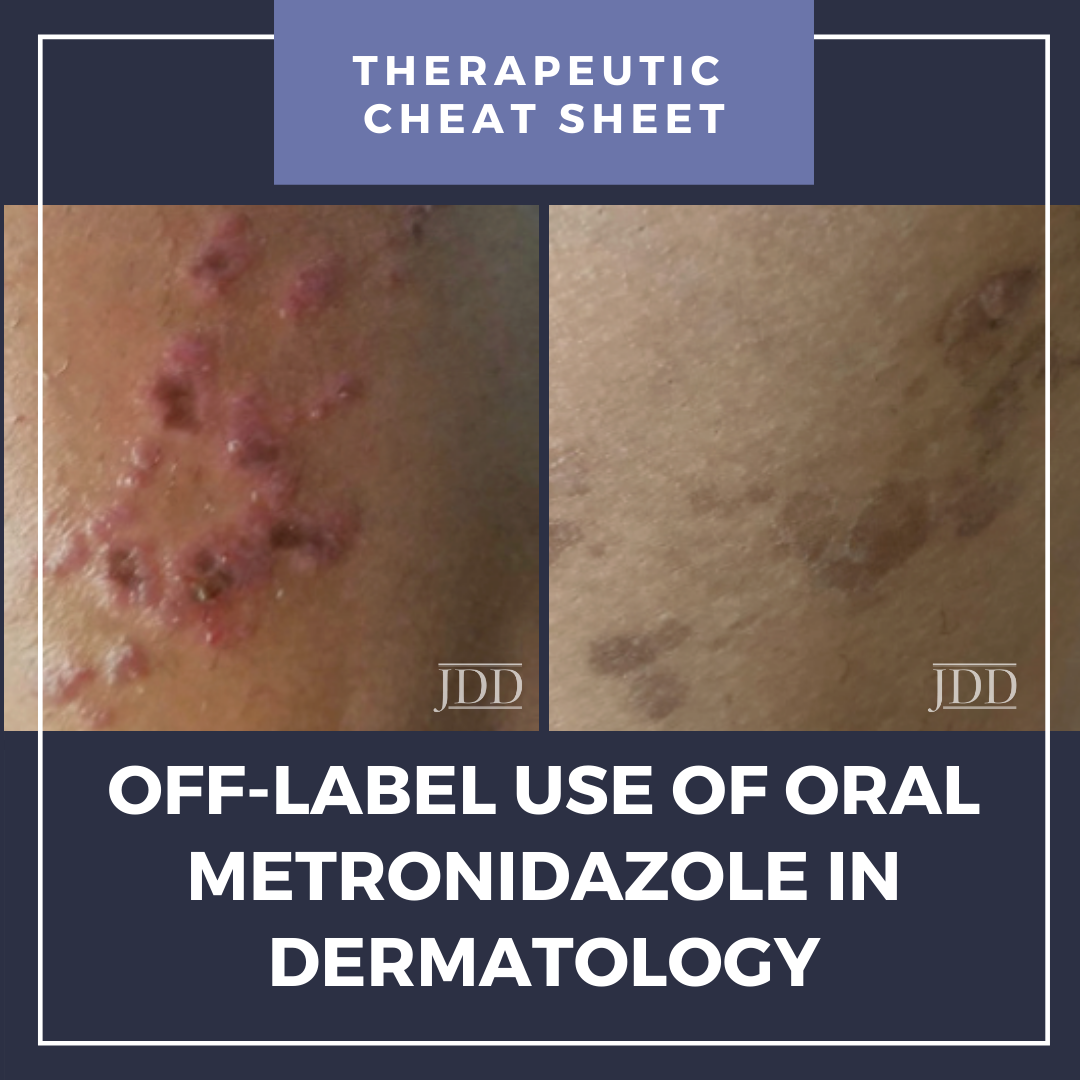 While we have an increasing armamentarium of biologic agents and targeted systemic medications for certain dermatologic conditions such as psoriasis or atopic dermatitis, treatment options are still limited for a litany of other inflammatory cutaneous disorders. Additionally, when discussing therapeutic options, patients often opt for medications that are established, safe, well-tolerated and mini …
 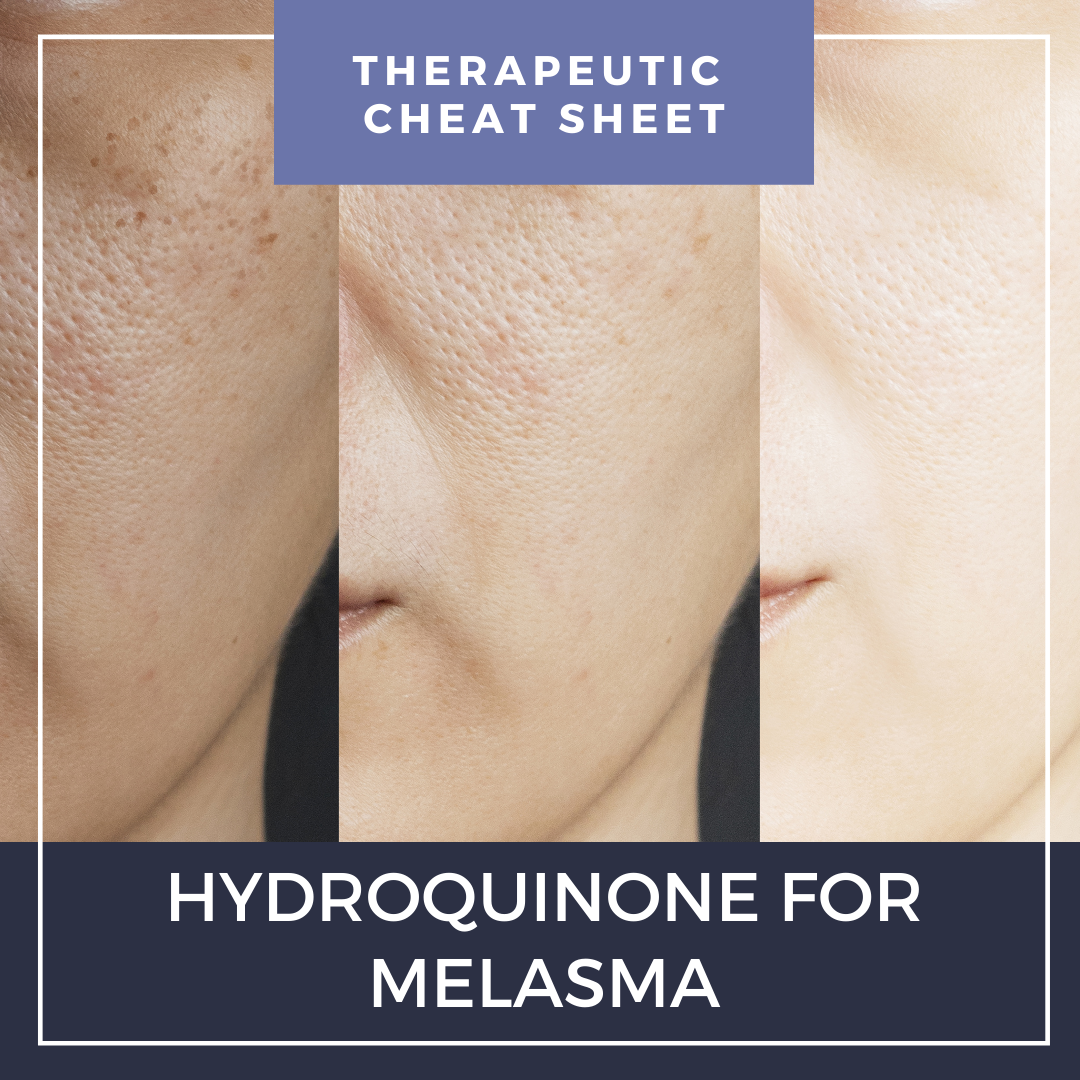 Hydroquinone is the most commonly used depigmentation agent and is a first-line treatment for melasma.1Hydroquinone was available previously in over-the-counter products and is currently available in prescription formulations with common concentration ranges of 0.4 to 5%. Prescription strengths available in the United States include hydroquinone 2% and 4% cream and hydroquinone 2% gel.2,3 In Septe …
 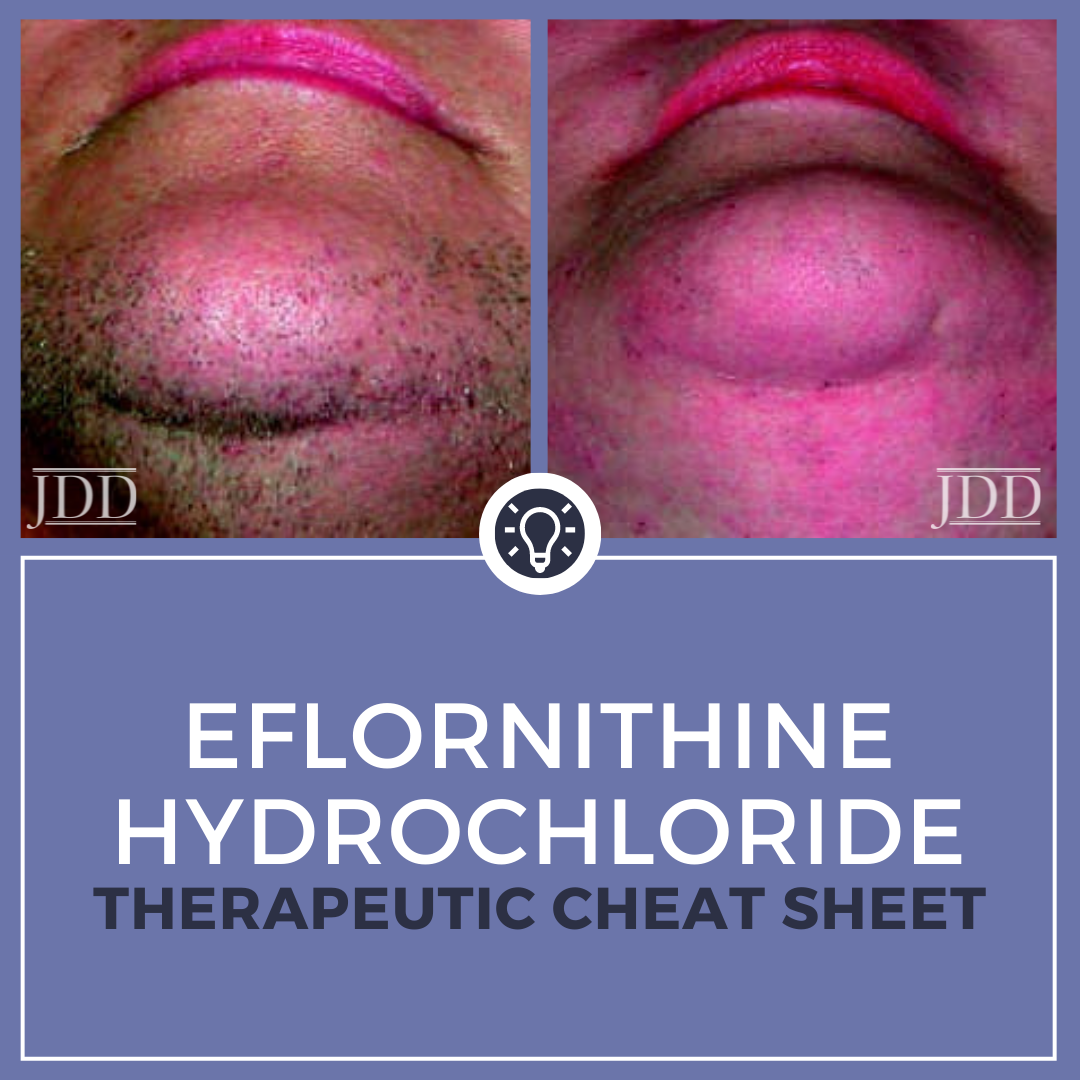 Millions of patients experience unwanted facial hair, severely impacting their quality of life. Laser hair removal is often the treatment of choice, but this therapy is uncomfortable, requires multiple treatments, and risks pigmentary changes. Therefore, an effective topical therapy for reduction of unwanted hair is a valuable addition to our therapeutic repertoire. We continue our series, Therape …