












Novel Therapeutics in Atopic Dermatitis
 Atopic dermatitis (AD) is a chronic inflammatory skin disease. The pathogenesis of AD is complex with many mediators involved and can be broken down into 4 categories:
Immune dysregulation
Abnormal skin barrier
Abnormal itch/scratch cycle
Abnormal skin microbiome
In AD, there is a breakdown in molecular control of the immune system, leading to overproduction and expressi …
Atopic dermatitis (AD) is a chronic inflammatory skin disease. The pathogenesis of AD is complex with many mediators involved and can be broken down into 4 categories:
Immune dysregulation
Abnormal skin barrier
Abnormal itch/scratch cycle
Abnormal skin microbiome
In AD, there is a breakdown in molecular control of the immune system, leading to overproduction and expressi …
Atopic dermatitis (AD) is a chronic inflammatory skin disease. The pathogenesis of AD is complex with many mediators involved and can be broken down into 4 categories:
Immune dysregulation
Abnormal skin barrier
Abnormal itch/scratch cycle
Abnormal skin microbiome
In AD, there is a breakdown in molecular control of the immune system, leading to overproduction and expressi …  Atopic dermatitis (AD) is a common skin condition characterized by pruritus and occurs as a result of factors related to impaired skin barrier and immune response, as well as environmental and infectious agents. Patients with poor control on topical therapy are looking for safe and effective systemic treatments. We continue our series, Therapeutic Cheat Sheet, with a closer look at dupilumab, whic …
 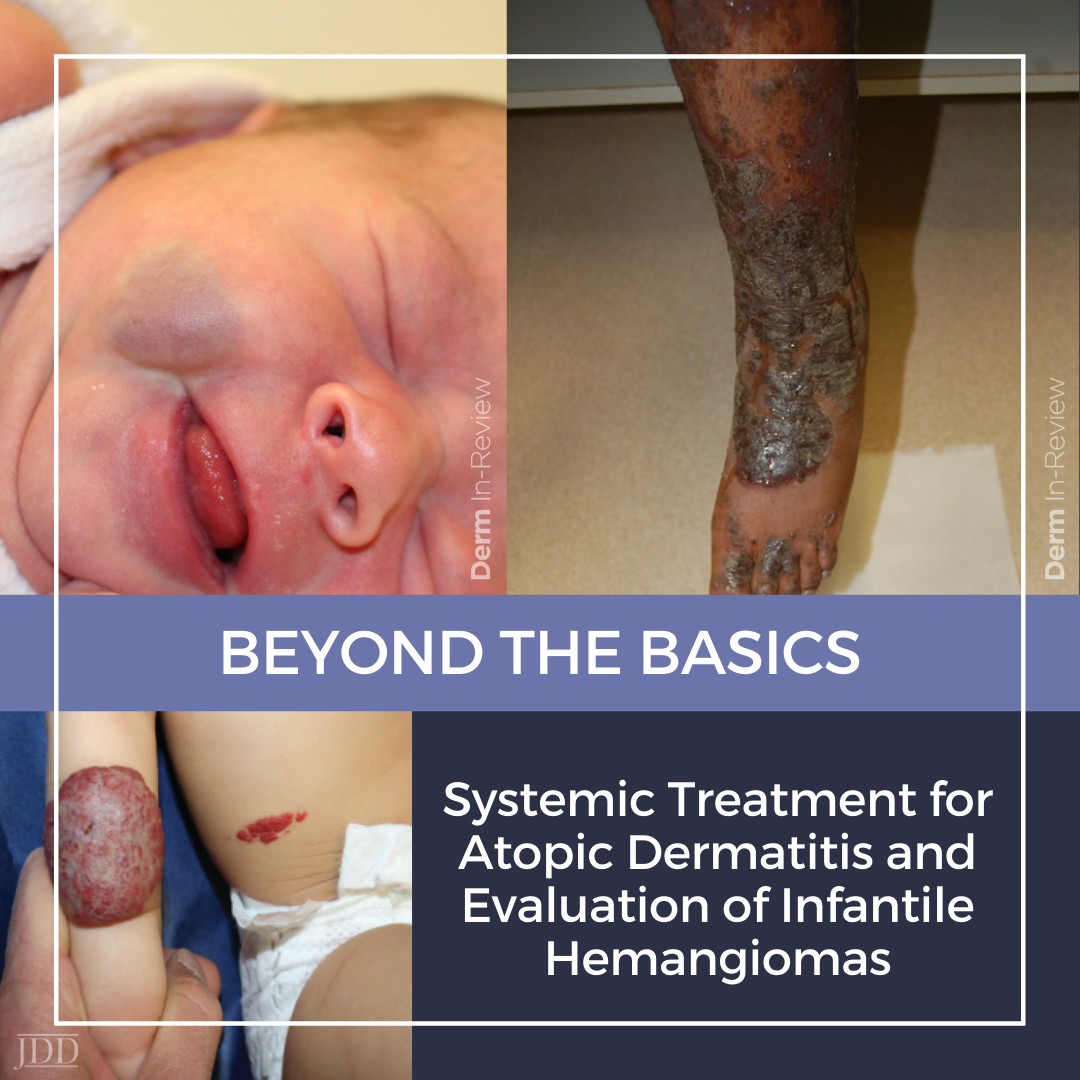 To kick off ODAC 2021, Dr. Yasmine Kirkorian, MD, tackled two clinical dilemmas that are frequently seen among pediatric patients in the dermatology office: poorly controlled atopic dermatitis and infantile hemangiomas. Dr. Kirkorian reviewed currently available systemic therapies for atopic dermatitis as well those in the drug development pipeline. She went into detail about how she utilizes he …
 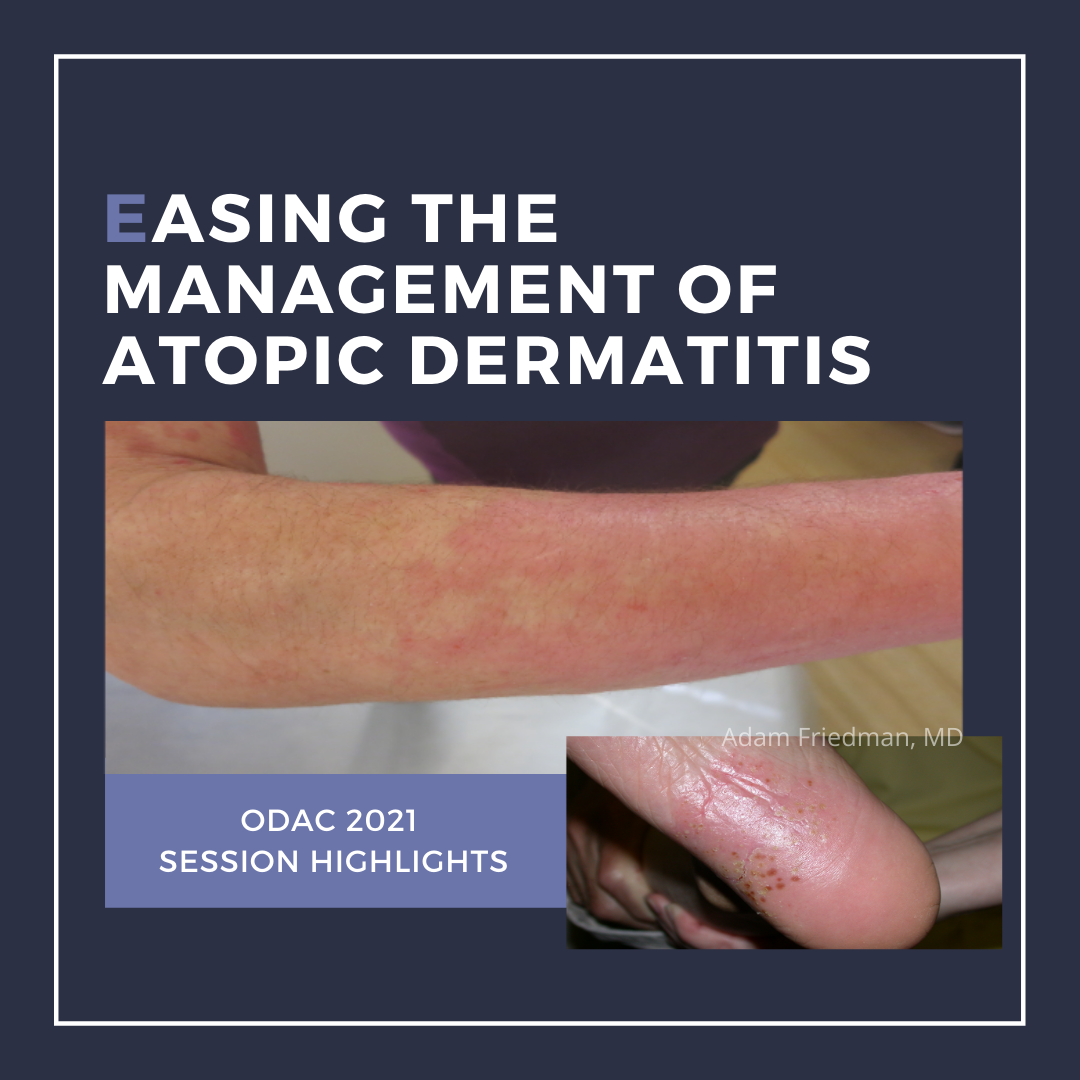 Dr. Friedman, jack of many trades, Professor and Interim Chair of Dermatology at George Washington University provided an excellent overview of ways to achieve victory over atopic dermatitis (AD). This expert discussion took place during the ODAC Inflammatory Diseases Symposium on December 3, 2020.
How could we possibly cover atopic dermatitis in 20 minutes? Well, Dr. Friedman skillfully led us …
Dr. Friedman, jack of many trades, Professor and Interim Chair of Dermatology at George Washington University provided an excellent overview of ways to achieve victory over atopic dermatitis (AD). This expert discussion took place during the ODAC Inflammatory Diseases Symposium on December 3, 2020.
How could we possibly cover atopic dermatitis in 20 minutes? Well, Dr. Friedman skillfully led us … 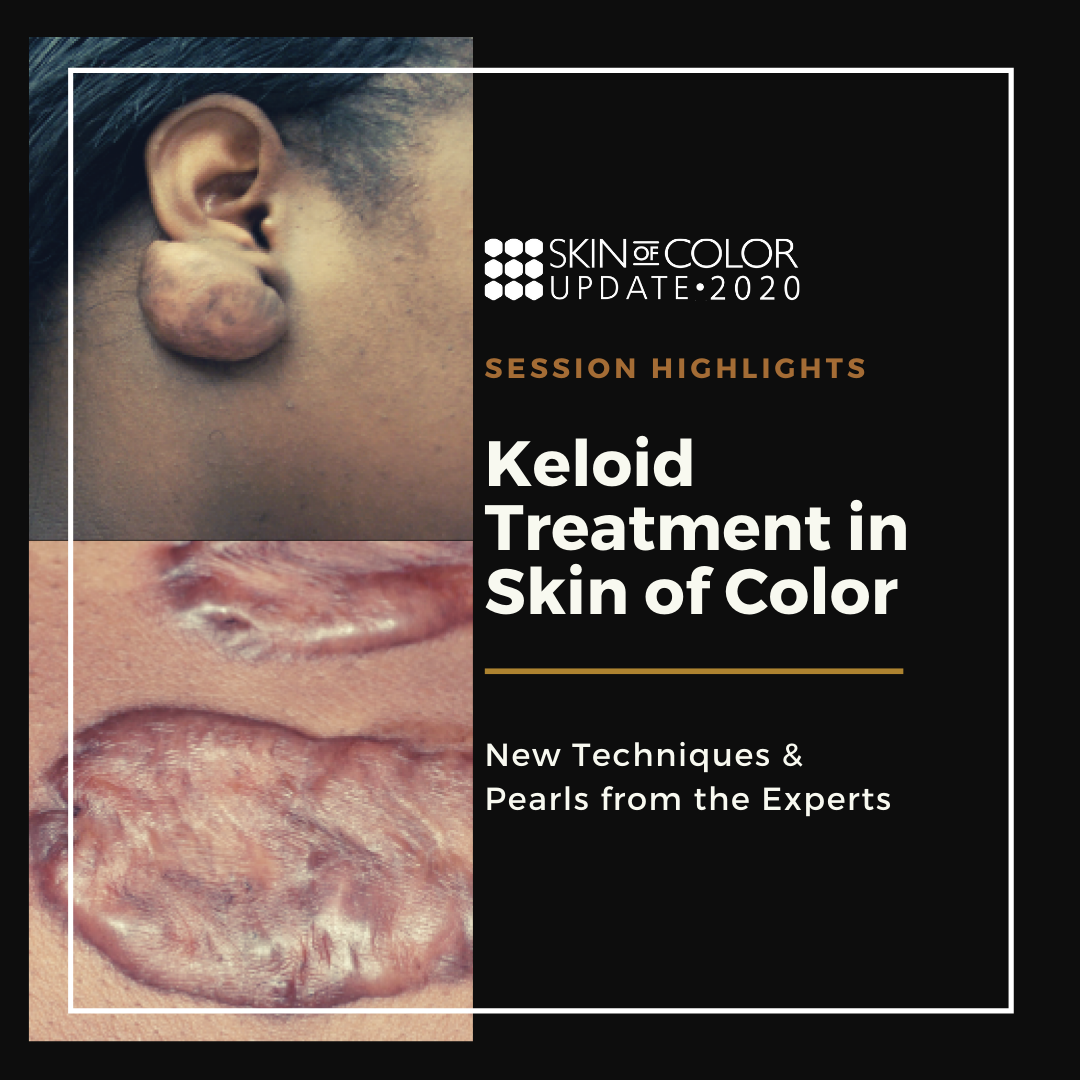 Depending on your comfort level with treating scars, you may feel hesitation when taking on treatment for patients with keloids – especially those with skin of color. We all know keloids are more common in skin of color and we have most likely all treated these patients. But how can we improve patient outcomes and limit side effects?
During the 2020 Skin of Color Update, Drs. Maritza Pere …
Depending on your comfort level with treating scars, you may feel hesitation when taking on treatment for patients with keloids – especially those with skin of color. We all know keloids are more common in skin of color and we have most likely all treated these patients. But how can we improve patient outcomes and limit side effects?
During the 2020 Skin of Color Update, Drs. Maritza Pere …